Introduction
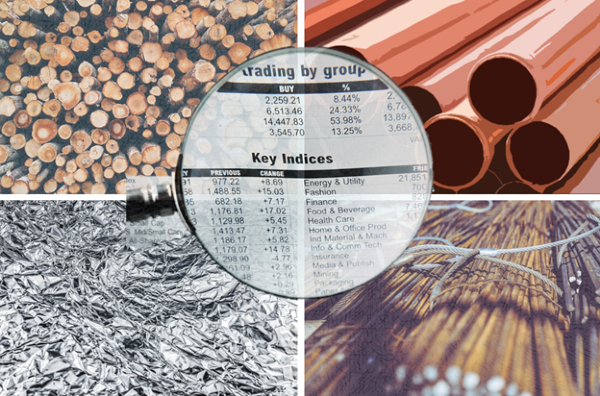
The basic materials sector encompasses industries responsible for raw material extraction and processing, such as metals, chemicals, and forestry products. These fundamental building blocks support global infrastructure, manufacturing, and consumer goods, making the sector a crucial part of economic activity. Investors are often drawn to basic materials stocks due to their cyclical nature—rising in value during periods of economic expansion and offering inflation protection through commodity price increases. This article explores the best stocks in the basic materials sector, helping investors identify opportunities within these vital industries.
Understanding the Basic Materials Sector
Basic materials refer to the raw components used in various industries, including construction, manufacturing, and packaging. The sector is divided into key subsectors: chemicals, metals & mining, construction materials, and forestry products. Each subsector plays a unique role in global commerce. For example, metals and mining benefit from industrial growth, while chemicals are essential for agriculture and production. Macroeconomic factors like inflation, commodity pricing, and supply chain disruptions significantly impact these stocks. Historically, material stocks have exhibited cyclical trends, thriving in bullish economies and contracting during downturns.
Key Metrics for Evaluating Basic Materials Stocks
Investors assess basic materials stocks using financial and industry-specific metrics. The Price-to-Earnings (P/E) ratio helps gauge valuation, while free cash flow is crucial for stability and dividend payouts. Debt-to-equity ratio indicates financial risk, as material companies often require substantial capital for operations. Additionally, material stocks are highly sensitive to economic cycles, making timing an essential factor in investment decisions. ESG (Environmental, Social, and Governance) considerations are becoming increasingly relevant, as sustainability initiatives shape industry practices and influence long-term profitability.
Top Basic Material Stocks to Watch
Chemicals: Industry Leaders Driving Innovation
The chemicals industry plays a crucial role in manufacturing, agriculture, and industrial processes, making it a key pillar of the basic materials sector. Dow Inc. (DOW) stands out for its strong dividend yield and exposure to specialty chemicals, which are essential for various consumer and industrial applications. Linde PLC (LIN) is a dominant player in the industrial gas market, benefiting from global demand for clean energy and semiconductor manufacturing. Meanwhile, Sherwin-Williams (SHW) commands market leadership in paints and coatings, supported by strong brand recognition and a resilient demand in construction and home improvement sectors.
Metals & Mining: Essential for Infrastructure and Growth
The metals and mining industry supplies crucial raw materials for infrastructure development, technology, and industrial applications. BHP Group (BHP) offers a diversified portfolio spanning iron ore, copper, and petroleum, ensuring stable cash flow despite commodity price cycles. Rio Tinto (RIO) is a global leader in iron ore and aluminum production, benefiting from long-term demand growth in infrastructure projects and electric vehicle production. Additionally, Freeport-McMoRan (FCX) provides significant exposure to copper, which is vital for renewable energy and EV battery development, positioning it well for future technological shifts.
Construction Materials: Infrastructure-Driven Growth
The construction materials sector underpins large-scale infrastructure projects, making it a strong play in periods of economic expansion. Martin Marietta Materials (MLM) is a leading provider of aggregates, essential for roadways, bridges, and commercial construction, making it a stable long-term investment. Similarly, Vulcan Materials (VMC) benefits from federal infrastructure spending, supplying construction aggregates and asphalt materials to meet growing demand. Both companies are positioned to capitalize on increasing government investments in transportation and urban development.
Forestry & Paper Products: Sustainability Meets Demand
Forestry and paper products remain essential in packaging, recycling, and construction, offering sustainable investment opportunities. International Paper (IP) focuses on paper-based packaging solutions, which are increasingly in demand as businesses shift toward sustainable materials. WestRock (WRK) plays a key role in eco-friendly packaging, benefiting from heightened consumer awareness around environmental sustainability and stricter regulations on plastic usage. Both stocks provide exposure to renewable resources and sustainable packaging trends, making them appealing options for long-term investors.
Macroeconomic Trends Impacting Basic Materials Stocks
Inflation and Commodity Price Fluctuations
Basic materials stocks are heavily influenced by inflation and raw material price movements. Rising inflation typically boosts commodity prices, benefiting producers of metals, chemicals, and construction materials. However, higher input costs can pressure margins for companies relying on processed materials, requiring investors to analyze cost structures and pricing strategies to identify resilient players in the sector.
Global Infrastructure Investments and Green Initiatives
Government-led infrastructure spending and private-sector investments in green technology significantly shape demand for basic materials. The global push for clean energy and electric vehicles accelerates demand for copper, lithium, and aluminum, benefiting mining companies. Meanwhile, sustainable construction practices drive demand for eco-friendly building materials and recyclable packaging solutions, making ESG-compliant firms key long-term winners.
Risk Factors in Basic Materials Investing
Commodity Price Volatility and Market Fluctuations
Basic materials stocks are highly sensitive to commodity price swings, as raw material costs directly impact profitability. Prices for metals, chemicals, and construction materials can fluctuate due to supply chain disruptions, geopolitical tensions, and demand cycles. Investors need to monitor global trade policies and macroeconomic factors that influence commodity pricing to mitigate exposure to sudden market downturns.
Environmental Regulations and ESG Concerns
Increasing environmental regulations and ESG (Environmental, Social, and Governance) considerations present both challenges and opportunities in basic materials investing. Governments worldwide are enforcing stricter regulations on emissions, waste disposal, and sustainable resource extraction. Companies failing to comply with ESG standards may face financial penalties or declining investor interest, while those embracing sustainability initiatives stand to gain long-term competitive advantages.
Capital-Intensive Nature and Economic Sensitivity
Basic materials companies often require significant capital investment for operations, whether in mining equipment, chemical plants, or forestry management. The sector’s cyclical nature means downturns can lead to reduced profit margins and financial distress. Investors should assess balance sheet strength, free cash flow generation, and debt management strategies to identify firms resilient against economic volatility.
Interest Rate Impacts on Industrial Demand
Interest rate fluctuations heavily influence industrial activity and infrastructure projects, directly affecting basic materials demand. Higher interest rates increase borrowing costs, potentially slowing down construction and manufacturing projects. Conversely, lower rates encourage investment in large-scale developments, boosting demand for raw materials. Investors should evaluate central bank policies and economic growth forecasts when assessing materials stocks.
Long-Term Investment Strategies for Basic Materials
Diversification Across Materials Subsectors
Investing across different basic materials subsectors—such as chemicals, metals & mining, and forestry products—helps reduce risk exposure. Each subsector has varying economic sensitivities, allowing investors to balance their portfolio based on market trends. For example, while mining stocks may benefit from industrial expansion, forestry stocks offer defensive qualities through consistent demand for packaging and paper products.
Dividend-Focused vs. Growth-Oriented Investment Approaches
Investors can choose between dividend-paying basic materials stocks for steady income or growth-focused stocks with high reinvestment potential. Companies like Dow Inc. (DOW) and Rio Tinto (RIO) offer robust dividend yields, appealing to income investors. Meanwhile, firms such as Freeport-McMoRan (FCX) focus on growth opportunities, driven by rising demand for essential materials in technology and infrastructure projects.
Best ETFs for Broad Materials Exposure
Exchange-traded funds (ETFs) provide diversified exposure to basic materials stocks, minimizing individual stock risk. Popular ETFs such as the Materials Select Sector SPDR Fund (XLB) and VanEck Vectors Rare Earth/Strategic Metals ETF (REMX) allow investors to capitalize on industry trends without selecting individual companies. These ETFs offer balanced exposure to chemicals, metals, and construction materials, providing broad sector coverage.
Evaluating Economic Cycles for Entry and Exit Strategies
Timing plays a crucial role in materials investing, as economic cycles significantly impact stock performance. Investors should aim to enter positions during market downturns when valuations are low and exit or adjust holdings during economic expansions. Tracking inflation trends, infrastructure spending, and commodity demand cycles can help investors optimize their investment timing for maximum returns.
Conclusion
Basic materials stocks present unique investment opportunities due to their role in global infrastructure and industrial development. Companies across chemicals, metals & mining, and forestry products offer strong growth potential and inflation-resistant qualities. However, investors must consider risks such as commodity price volatility, ESG regulations, and cyclical downturns when building a portfolio.
With diversified investment strategies, including dividend-focused holdings, growth-oriented stocks, and ETFs, investors can navigate market cycles effectively. Monitoring macroeconomic trends, interest rate movements, and sustainability shifts ensures informed decision-making for long-term profitability.
As economic conditions evolve, investors should remain proactive, adjusting portfolio allocations based on industry trends. Whether through stock selection or sector-wide exposure via ETFs, maintaining a strategic approach to basic materials investing can yield steady returns.
For those looking to strengthen their portfolio, staying updated on industry developments and corporate strategies is essential. By continuously evaluating market conditions, investors can position themselves for growth while mitigating risks in this dynamic sector.



















Introduction
The basic materials sector encompasses industries responsible for raw material extraction and processing, such as metals, chemicals, and forestry products. These fundamental building blocks support global infrastructure, manufacturing, and consumer goods, making the sector a crucial part of economic activity. Investors are often drawn to basic materials stocks due to their cyclical nature—rising in value during periods of economic expansion and offering inflation protection through commodity price increases. This article explores the best stocks in the basic materials sector, helping investors identify opportunities within these vital industries.
Understanding the Basic Materials Sector
Basic materials refer to the raw components used in various industries, including construction, manufacturing, and packaging. The sector is divided into key subsectors: chemicals, metals & mining, construction materials, and forestry products. Each subsector plays a unique role in global commerce. For example, metals and mining benefit from industrial growth, while chemicals are essential for agriculture and production. Macroeconomic factors like inflation, commodity pricing, and supply chain disruptions significantly impact these stocks. Historically, material stocks have exhibited cyclical trends, thriving in bullish economies and contracting during downturns.
Key Metrics for Evaluating Basic Materials Stocks
Investors assess basic materials stocks using financial and industry-specific metrics. The Price-to-Earnings (P/E) ratio helps gauge valuation, while free cash flow is crucial for stability and dividend payouts. Debt-to-equity ratio indicates financial risk, as material companies often require substantial capital for operations. Additionally, material stocks are highly sensitive to economic cycles, making timing an essential factor in investment decisions. ESG (Environmental, Social, and Governance) considerations are becoming increasingly relevant, as sustainability initiatives shape industry practices and influence long-term profitability.
Top Basic Material Stocks to Watch
Chemicals: Industry Leaders Driving Innovation
The chemicals industry plays a crucial role in manufacturing, agriculture, and industrial processes, making it a key pillar of the basic materials sector. Dow Inc. (DOW) stands out for its strong dividend yield and exposure to specialty chemicals, which are essential for various consumer and industrial applications. Linde PLC (LIN) is a dominant player in the industrial gas market, benefiting from global demand for clean energy and semiconductor manufacturing. Meanwhile, Sherwin-Williams (SHW) commands market leadership in paints and coatings, supported by strong brand recognition and a resilient demand in construction and home improvement sectors.
Metals & Mining: Essential for Infrastructure and Growth
The metals and mining industry supplies crucial raw materials for infrastructure development, technology, and industrial applications. BHP Group (BHP) offers a diversified portfolio spanning iron ore, copper, and petroleum, ensuring stable cash flow despite commodity price cycles. Rio Tinto (RIO) is a global leader in iron ore and aluminum production, benefiting from long-term demand growth in infrastructure projects and electric vehicle production. Additionally, Freeport-McMoRan (FCX) provides significant exposure to copper, which is vital for renewable energy and EV battery development, positioning it well for future technological shifts.
Construction Materials: Infrastructure-Driven Growth
The construction materials sector underpins large-scale infrastructure projects, making it a strong play in periods of economic expansion. Martin Marietta Materials (MLM) is a leading provider of aggregates, essential for roadways, bridges, and commercial construction, making it a stable long-term investment. Similarly, Vulcan Materials (VMC) benefits from federal infrastructure spending, supplying construction aggregates and asphalt materials to meet growing demand. Both companies are positioned to capitalize on increasing government investments in transportation and urban development.
Forestry & Paper Products: Sustainability Meets Demand
Forestry and paper products remain essential in packaging, recycling, and construction, offering sustainable investment opportunities. International Paper (IP) focuses on paper-based packaging solutions, which are increasingly in demand as businesses shift toward sustainable materials. WestRock (WRK) plays a key role in eco-friendly packaging, benefiting from heightened consumer awareness around environmental sustainability and stricter regulations on plastic usage. Both stocks provide exposure to renewable resources and sustainable packaging trends, making them appealing options for long-term investors.
Macroeconomic Trends Impacting Basic Materials Stocks
Inflation and Commodity Price Fluctuations
Basic materials stocks are heavily influenced by inflation and raw material price movements. Rising inflation typically boosts commodity prices, benefiting producers of metals, chemicals, and construction materials. However, higher input costs can pressure margins for companies relying on processed materials, requiring investors to analyze cost structures and pricing strategies to identify resilient players in the sector.
Global Infrastructure Investments and Green Initiatives
Government-led infrastructure spending and private-sector investments in green technology significantly shape demand for basic materials. The global push for clean energy and electric vehicles accelerates demand for copper, lithium, and aluminum, benefiting mining companies. Meanwhile, sustainable construction practices drive demand for eco-friendly building materials and recyclable packaging solutions, making ESG-compliant firms key long-term winners.
Risk Factors in Basic Materials Investing
Commodity Price Volatility and Market Fluctuations
Basic materials stocks are highly sensitive to commodity price swings, as raw material costs directly impact profitability. Prices for metals, chemicals, and construction materials can fluctuate due to supply chain disruptions, geopolitical tensions, and demand cycles. Investors need to monitor global trade policies and macroeconomic factors that influence commodity pricing to mitigate exposure to sudden market downturns.
Environmental Regulations and ESG Concerns
Increasing environmental regulations and ESG (Environmental, Social, and Governance) considerations present both challenges and opportunities in basic materials investing. Governments worldwide are enforcing stricter regulations on emissions, waste disposal, and sustainable resource extraction. Companies failing to comply with ESG standards may face financial penalties or declining investor interest, while those embracing sustainability initiatives stand to gain long-term competitive advantages.
Capital-Intensive Nature and Economic Sensitivity
Basic materials companies often require significant capital investment for operations, whether in mining equipment, chemical plants, or forestry management. The sector’s cyclical nature means downturns can lead to reduced profit margins and financial distress. Investors should assess balance sheet strength, free cash flow generation, and debt management strategies to identify firms resilient against economic volatility.
Interest Rate Impacts on Industrial Demand
Interest rate fluctuations heavily influence industrial activity and infrastructure projects, directly affecting basic materials demand. Higher interest rates increase borrowing costs, potentially slowing down construction and manufacturing projects. Conversely, lower rates encourage investment in large-scale developments, boosting demand for raw materials. Investors should evaluate central bank policies and economic growth forecasts when assessing materials stocks.
Long-Term Investment Strategies for Basic Materials
Diversification Across Materials Subsectors
Investing across different basic materials subsectors—such as chemicals, metals & mining, and forestry products—helps reduce risk exposure. Each subsector has varying economic sensitivities, allowing investors to balance their portfolio based on market trends. For example, while mining stocks may benefit from industrial expansion, forestry stocks offer defensive qualities through consistent demand for packaging and paper products.
Dividend-Focused vs. Growth-Oriented Investment Approaches
Investors can choose between dividend-paying basic materials stocks for steady income or growth-focused stocks with high reinvestment potential. Companies like Dow Inc. (DOW) and Rio Tinto (RIO) offer robust dividend yields, appealing to income investors. Meanwhile, firms such as Freeport-McMoRan (FCX) focus on growth opportunities, driven by rising demand for essential materials in technology and infrastructure projects.
Best ETFs for Broad Materials Exposure
Exchange-traded funds (ETFs) provide diversified exposure to basic materials stocks, minimizing individual stock risk. Popular ETFs such as the Materials Select Sector SPDR Fund (XLB) and VanEck Vectors Rare Earth/Strategic Metals ETF (REMX) allow investors to capitalize on industry trends without selecting individual companies. These ETFs offer balanced exposure to chemicals, metals, and construction materials, providing broad sector coverage.
Evaluating Economic Cycles for Entry and Exit Strategies
Timing plays a crucial role in materials investing, as economic cycles significantly impact stock performance. Investors should aim to enter positions during market downturns when valuations are low and exit or adjust holdings during economic expansions. Tracking inflation trends, infrastructure spending, and commodity demand cycles can help investors optimize their investment timing for maximum returns.
Conclusion
Basic materials stocks present unique investment opportunities due to their role in global infrastructure and industrial development. Companies across chemicals, metals & mining, and forestry products offer strong growth potential and inflation-resistant qualities. However, investors must consider risks such as commodity price volatility, ESG regulations, and cyclical downturns when building a portfolio.
With diversified investment strategies, including dividend-focused holdings, growth-oriented stocks, and ETFs, investors can navigate market cycles effectively. Monitoring macroeconomic trends, interest rate movements, and sustainability shifts ensures informed decision-making for long-term profitability.
As economic conditions evolve, investors should remain proactive, adjusting portfolio allocations based on industry trends. Whether through stock selection or sector-wide exposure via ETFs, maintaining a strategic approach to basic materials investing can yield steady returns.
For those looking to strengthen their portfolio, staying updated on industry developments and corporate strategies is essential. By continuously evaluating market conditions, investors can position themselves for growth while mitigating risks in this dynamic sector.