Raw materials—often referred to as commodities—are a foundational component of global economic activity. These essential goods, ranging from metals like copper and gold to agricultural products such as wheat and soybeans, serve as the backbone for industries worldwide. Investors looking for diversification and inflation protection frequently consider raw materials as a viable option. Unlike traditional equities or fixed-income investments, commodities offer exposure to tangible assets, helping hedge against market volatility and currency fluctuations.
The commodity market plays a crucial role in stabilizing economies and industries. From energy resources like crude oil and natural gas to essential minerals used in manufacturing, raw materials influence trade balances and economic policies. Their prices are often impacted by geopolitical tensions, supply chain disruptions, and environmental considerations. As global demand fluctuates, investors can capitalize on raw materials by tracking market trends and macroeconomic indicators to make informed decisions.
Understanding Raw Materials as an Investment
Raw materials are typically classified into three broad categories: agriculture, metals, and energy. Agricultural commodities include crops like corn, coffee, and cotton, which are vital for food and textile industries. Metals—such as aluminum, copper, and gold—are essential for construction, technology, and jewelry markets. Energy commodities like oil, coal, and natural gas remain critical for transportation and electricity generation. Each category presents distinct investment opportunities, allowing investors to diversify their portfolios based on sector-specific risks and potential growth.
Historically, raw materials have played a significant role in shaping economic cycles and financial markets. During periods of inflation, commodities often act as a hedge, preserving purchasing power when traditional assets decline. In times of economic expansion, industrial demand for raw materials surges, driving prices higher. Conversely, downturns and recessions can lead to commodity price drops due to reduced consumption. Understanding these cyclical patterns helps investors strategize effectively and mitigate risks when considering raw material investments.
There are multiple ways to gain exposure to raw materials, ranging from direct ownership to financial instruments like futures contracts, ETFs, and commodity-related stocks. Investors can purchase physical commodities such as gold bars or oil barrels, but storage and logistical challenges often make this impractical for retail investors. Alternatively, ETFs and mutual funds offer diversified exposure without the need for direct asset management. Futures contracts allow investors to speculate on price movements, while investing in commodity-producing companies provides indirect benefits linked to raw material demand.
Ways to Invest in Raw Materials
Investors can gain exposure to raw materials through several approaches, each with distinct advantages and challenges. Direct ownership of commodities like gold bullion or oil barrels provides tangible asset security but comes with storage and logistical concerns. For a more diversified and accessible option, commodity ETFs and mutual funds allow investors to track broad indices without managing physical assets. Futures contracts and options provide a speculative route, enabling traders to capitalize on price fluctuations while managing risk through derivatives strategies. Alternatively, investing in commodity-related stocks—such as mining companies, oil and gas producers, or agricultural firms—offers indirect exposure to raw material markets. Beyond traditional investments, commodity-focused REITs and private equity funds present alternative opportunities, tapping into infrastructure and extraction ventures that drive long-term value.
Physical Ownership
Investing directly in raw materials offers a tangible and straightforward approach for those seeking physical asset security. Assets like gold bullion, silver bars, and oil barrels provide investors with direct ownership, eliminating intermediary risks associated with financial markets. This method appeals to individuals who prefer holding real commodities rather than financial derivatives or stock market instruments. However, physical ownership comes with challenges, including storage costs, insurance fees, and the risk of theft or damage. Additionally, liquidity concerns arise as selling physical assets can be more cumbersome compared to electronic transactions in financial markets.
Commodity ETFs and Mutual Funds
Commodity ETFs and mutual funds provide a convenient way for investors to gain exposure to raw materials without the complexities of direct ownership. ETFs track commodity indices or specific sectors, such as metals, energy, or agriculture, offering a diversified portfolio with lower transaction costs. Mutual funds, on the other hand, are actively managed, providing a more strategic approach to commodity investing. Both options enable investors to benefit from commodity price movements while bypassing storage and security concerns associated with holding physical assets.
One of the primary advantages of commodity ETFs and mutual funds is their ability to diversify risk across multiple assets. Unlike direct ownership, where investors are exposed to price volatility in individual commodities, ETFs and mutual funds spread investments across various sectors. This reduces exposure to sudden market swings and allows for greater stability in an investment portfolio. Additionally, these funds offer liquidity, enabling investors to buy and sell shares with ease, making them an accessible option for both novice and experienced traders.
While commodity ETFs and mutual funds provide accessibility and diversification, investors should consider key factors before investing. Expense ratios, fund management strategies, and exposure to specific commodities play a significant role in determining profitability. Some funds may focus on futures contracts, which can introduce complexities related to roll yields and contango effects. Understanding the fund's investment strategy and historical performance can help investors make informed decisions about their commodity-focused investments. By carefully selecting ETFs and mutual funds that align with market trends, investors can strategically incorporate raw materials into their broader portfolio.
Futures Contracts and Options
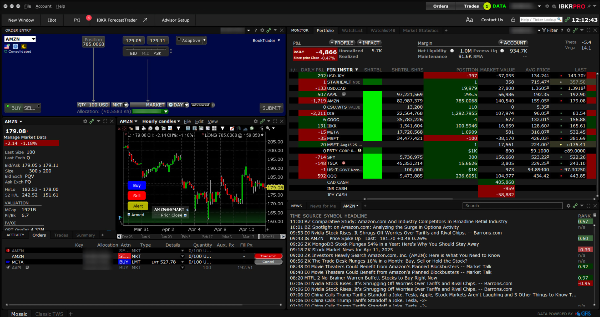
Commodity futures and options trading allow investors to speculate on the price movements of raw materials without directly owning the assets. Futures contracts involve agreements to buy or sell a specific commodity at a predetermined price on a future date, making them useful for both hedging and speculative purposes. Options, on the other hand, provide the right—but not the obligation—to buy or sell commodities within a specified timeframe, offering more flexibility in risk management. These derivative instruments are widely used by traders and institutional investors to capitalize on market fluctuations and protect portfolios from unpredictable price swings.
Effective risk management is crucial in futures and options investing, as commodity markets are highly volatile. Strategies like stop-loss orders, position sizing, and hedging help mitigate risks associated with sudden price movements. Institutional investors, such as hedge funds and large corporations, frequently use futures to stabilize costs for essential raw materials, ensuring predictable pricing for their businesses. Additionally, financial institutions leverage derivatives to optimize exposure across multiple commodities, reinforcing broader market liquidity and price efficiency. By understanding these tools and implementing sound risk strategies, investors can navigate the complexities of commodity trading while maximizing potential gains.
Investing in Commodity Stocks
Investing in commodity stocks provides exposure to essential industries that drive global economic activity. Mining companies, particularly those involved in gold, silver, and copper extraction, offer unique investment opportunities tied to market demand, geopolitical stability, and inflationary trends. Gold miners often attract investors during economic uncertainty, while silver and copper producers benefit from industrial applications in electronics, construction, and renewable energy. By analyzing production costs, resource reserves, and market trends, investors can strategically select mining stocks that align with commodity cycles and long-term growth potential.
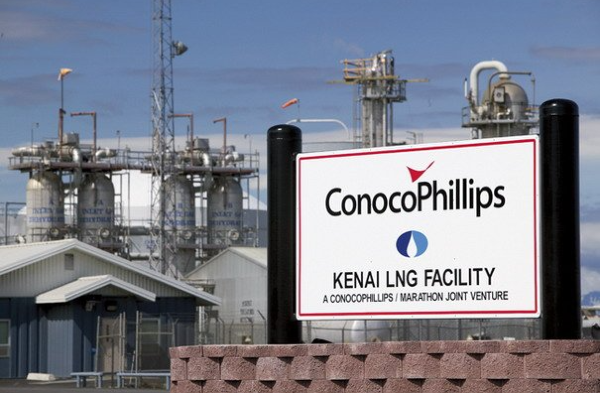
Oil and gas producers play a fundamental role in the energy sector, influencing global supply and pricing dynamics. Major companies operate across exploration, refining, and distribution, with stock performance closely tied to crude oil and natural gas price fluctuations. Meanwhile, agricultural firms manage food production, crop distribution, and agribusiness innovation, responding to climate conditions and global demand shifts. Investing in well-established oil, gas, and agricultural companies allows investors to capitalize on commodity-driven market movements, ensuring portfolio diversification and stability in volatile economic environments.
Alternative Investments: REITs and Private Equity
Commodity-focused real estate investment trusts (REITs) and private equity funds offer investors alternative ways to gain exposure to raw materials beyond traditional stock and futures markets. REITs specializing in natural resources, such as timberland, mining properties, and energy infrastructure, provide a steady income stream through rental and lease agreements while benefiting from commodity price appreciation. Private equity funds targeting raw materials invest in companies engaged in extraction, refining, and distribution, allowing for direct exposure to resource sector growth. These investment vehicles offer diversification opportunities and can hedge against inflation, making them attractive for long-term portfolio strategies.
Venture capital plays an increasingly important role in commodity extraction, funding innovative technologies that enhance efficiency and sustainability in resource development. Emerging firms focused on advanced drilling techniques, green mining solutions, and energy storage systems attract venture investments aimed at optimizing commodity production. As global demand for raw materials continues to evolve, venture-backed companies drive sector growth by introducing cutting-edge solutions that improve environmental impact and operational profitability. Investors seeking high-growth opportunities within the commodity space can leverage venture capital strategies to participate in industry innovation while balancing risk with potential long-term rewards.
Conclusion
Investing in raw materials offers a wide range of opportunities, from direct ownership to financial instruments like ETFs, futures contracts, and commodity stocks. Whether it's mining companies, oil and gas producers, agricultural firms, or alternative investments like REITs and private equity, commodities provide diversification and inflation protection for long-term investors. Understanding market trends, risk management strategies, and sector-specific influences is crucial for making informed investment decisions. As global demand for resources continues to evolve, strategic allocation in commodity-related assets can enhance portfolio stability and growth potential. By staying informed and adapting to industry shifts, investors can leverage raw materials as a valuable asset class in today's dynamic financial landscape.
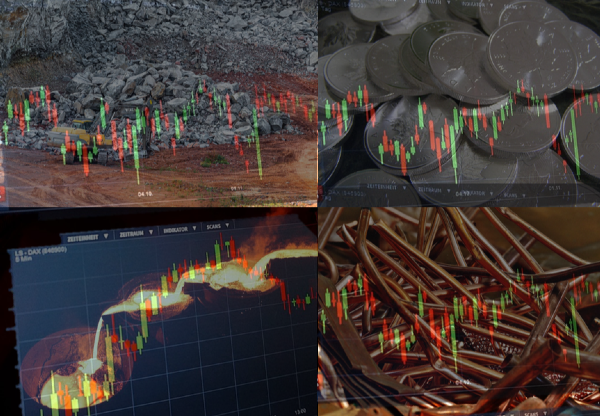

















Raw materials—often referred to as commodities—are a foundational component of global economic activity. These essential goods, ranging from metals like copper and gold to agricultural products such as wheat and soybeans, serve as the backbone for industries worldwide. Investors looking for diversification and inflation protection frequently consider raw materials as a viable option. Unlike traditional equities or fixed-income investments, commodities offer exposure to tangible assets, helping hedge against market volatility and currency fluctuations.
The commodity market plays a crucial role in stabilizing economies and industries. From energy resources like crude oil and natural gas to essential minerals used in manufacturing, raw materials influence trade balances and economic policies. Their prices are often impacted by geopolitical tensions, supply chain disruptions, and environmental considerations. As global demand fluctuates, investors can capitalize on raw materials by tracking market trends and macroeconomic indicators to make informed decisions.
Understanding Raw Materials as an Investment
Raw materials are typically classified into three broad categories: agriculture, metals, and energy. Agricultural commodities include crops like corn, coffee, and cotton, which are vital for food and textile industries. Metals—such as aluminum, copper, and gold—are essential for construction, technology, and jewelry markets. Energy commodities like oil, coal, and natural gas remain critical for transportation and electricity generation. Each category presents distinct investment opportunities, allowing investors to diversify their portfolios based on sector-specific risks and potential growth.
Historically, raw materials have played a significant role in shaping economic cycles and financial markets. During periods of inflation, commodities often act as a hedge, preserving purchasing power when traditional assets decline. In times of economic expansion, industrial demand for raw materials surges, driving prices higher. Conversely, downturns and recessions can lead to commodity price drops due to reduced consumption. Understanding these cyclical patterns helps investors strategize effectively and mitigate risks when considering raw material investments.
There are multiple ways to gain exposure to raw materials, ranging from direct ownership to financial instruments like futures contracts, ETFs, and commodity-related stocks. Investors can purchase physical commodities such as gold bars or oil barrels, but storage and logistical challenges often make this impractical for retail investors. Alternatively, ETFs and mutual funds offer diversified exposure without the need for direct asset management. Futures contracts allow investors to speculate on price movements, while investing in commodity-producing companies provides indirect benefits linked to raw material demand.
Ways to Invest in Raw Materials
Investors can gain exposure to raw materials through several approaches, each with distinct advantages and challenges. Direct ownership of commodities like gold bullion or oil barrels provides tangible asset security but comes with storage and logistical concerns. For a more diversified and accessible option, commodity ETFs and mutual funds allow investors to track broad indices without managing physical assets. Futures contracts and options provide a speculative route, enabling traders to capitalize on price fluctuations while managing risk through derivatives strategies. Alternatively, investing in commodity-related stocks—such as mining companies, oil and gas producers, or agricultural firms—offers indirect exposure to raw material markets. Beyond traditional investments, commodity-focused REITs and private equity funds present alternative opportunities, tapping into infrastructure and extraction ventures that drive long-term value.
Physical Ownership
Investing directly in raw materials offers a tangible and straightforward approach for those seeking physical asset security. Assets like gold bullion, silver bars, and oil barrels provide investors with direct ownership, eliminating intermediary risks associated with financial markets. This method appeals to individuals who prefer holding real commodities rather than financial derivatives or stock market instruments. However, physical ownership comes with challenges, including storage costs, insurance fees, and the risk of theft or damage. Additionally, liquidity concerns arise as selling physical assets can be more cumbersome compared to electronic transactions in financial markets.
Commodity ETFs and Mutual Funds
Commodity ETFs and mutual funds provide a convenient way for investors to gain exposure to raw materials without the complexities of direct ownership. ETFs track commodity indices or specific sectors, such as metals, energy, or agriculture, offering a diversified portfolio with lower transaction costs. Mutual funds, on the other hand, are actively managed, providing a more strategic approach to commodity investing. Both options enable investors to benefit from commodity price movements while bypassing storage and security concerns associated with holding physical assets. One of the primary advantages of commodity ETFs and mutual funds is their ability to diversify risk across multiple assets. Unlike direct ownership, where investors are exposed to price volatility in individual commodities, ETFs and mutual funds spread investments across various sectors. This reduces exposure to sudden market swings and allows for greater stability in an investment portfolio. Additionally, these funds offer liquidity, enabling investors to buy and sell shares with ease, making them an accessible option for both novice and experienced traders. While commodity ETFs and mutual funds provide accessibility and diversification, investors should consider key factors before investing. Expense ratios, fund management strategies, and exposure to specific commodities play a significant role in determining profitability. Some funds may focus on futures contracts, which can introduce complexities related to roll yields and contango effects. Understanding the fund's investment strategy and historical performance can help investors make informed decisions about their commodity-focused investments. By carefully selecting ETFs and mutual funds that align with market trends, investors can strategically incorporate raw materials into their broader portfolio.
Futures Contracts and Options
Commodity futures and options trading allow investors to speculate on the price movements of raw materials without directly owning the assets. Futures contracts involve agreements to buy or sell a specific commodity at a predetermined price on a future date, making them useful for both hedging and speculative purposes. Options, on the other hand, provide the right—but not the obligation—to buy or sell commodities within a specified timeframe, offering more flexibility in risk management. These derivative instruments are widely used by traders and institutional investors to capitalize on market fluctuations and protect portfolios from unpredictable price swings.
Effective risk management is crucial in futures and options investing, as commodity markets are highly volatile. Strategies like stop-loss orders, position sizing, and hedging help mitigate risks associated with sudden price movements. Institutional investors, such as hedge funds and large corporations, frequently use futures to stabilize costs for essential raw materials, ensuring predictable pricing for their businesses. Additionally, financial institutions leverage derivatives to optimize exposure across multiple commodities, reinforcing broader market liquidity and price efficiency. By understanding these tools and implementing sound risk strategies, investors can navigate the complexities of commodity trading while maximizing potential gains.
Investing in Commodity Stocks
Investing in commodity stocks provides exposure to essential industries that drive global economic activity. Mining companies, particularly those involved in gold, silver, and copper extraction, offer unique investment opportunities tied to market demand, geopolitical stability, and inflationary trends. Gold miners often attract investors during economic uncertainty, while silver and copper producers benefit from industrial applications in electronics, construction, and renewable energy. By analyzing production costs, resource reserves, and market trends, investors can strategically select mining stocks that align with commodity cycles and long-term growth potential.
Oil and gas producers play a fundamental role in the energy sector, influencing global supply and pricing dynamics. Major companies operate across exploration, refining, and distribution, with stock performance closely tied to crude oil and natural gas price fluctuations. Meanwhile, agricultural firms manage food production, crop distribution, and agribusiness innovation, responding to climate conditions and global demand shifts. Investing in well-established oil, gas, and agricultural companies allows investors to capitalize on commodity-driven market movements, ensuring portfolio diversification and stability in volatile economic environments.
Alternative Investments: REITs and Private Equity
Commodity-focused real estate investment trusts (REITs) and private equity funds offer investors alternative ways to gain exposure to raw materials beyond traditional stock and futures markets. REITs specializing in natural resources, such as timberland, mining properties, and energy infrastructure, provide a steady income stream through rental and lease agreements while benefiting from commodity price appreciation. Private equity funds targeting raw materials invest in companies engaged in extraction, refining, and distribution, allowing for direct exposure to resource sector growth. These investment vehicles offer diversification opportunities and can hedge against inflation, making them attractive for long-term portfolio strategies.
Venture capital plays an increasingly important role in commodity extraction, funding innovative technologies that enhance efficiency and sustainability in resource development. Emerging firms focused on advanced drilling techniques, green mining solutions, and energy storage systems attract venture investments aimed at optimizing commodity production. As global demand for raw materials continues to evolve, venture-backed companies drive sector growth by introducing cutting-edge solutions that improve environmental impact and operational profitability. Investors seeking high-growth opportunities within the commodity space can leverage venture capital strategies to participate in industry innovation while balancing risk with potential long-term rewards.
Conclusion
Investing in raw materials offers a wide range of opportunities, from direct ownership to financial instruments like ETFs, futures contracts, and commodity stocks. Whether it's mining companies, oil and gas producers, agricultural firms, or alternative investments like REITs and private equity, commodities provide diversification and inflation protection for long-term investors. Understanding market trends, risk management strategies, and sector-specific influences is crucial for making informed investment decisions. As global demand for resources continues to evolve, strategic allocation in commodity-related assets can enhance portfolio stability and growth potential. By staying informed and adapting to industry shifts, investors can leverage raw materials as a valuable asset class in today's dynamic financial landscape.