What Raw Materials Are Most in Demand?
Key Takeaway:
- 1). Crude Oil and Natural Gas - $4 Trillion
- 2). Steel - $1.5 Trillion
- 3). Coal - $900 Billion
- 4). Petrochemicals - $616 Billion
- 5). Wheat, Corn, and Soybeans - $600 Billion
- 6). Cement and Sand - $400 Billion
- 7). Gold - $382 Billion
- 8). Timber and Pulp - $250 Billion
- 9). Aluminum - $250 Billion
- 10). Copper - $200 Billion
- 11). Hydrogen - $200 Billion
- 12). Palm oil - $90 Billion
- 13). Phosphates and Potash - $70 Billion
- 14). Nickel - $50 Billion
- 15). lithium – $40 Billion
- 16). Bioplastics - $40 Billion
- 17). Graphite - $25 Billion
- 18). Silicon - $20 Billion
- 19). Rare Earth Elements Billion - $10
- 20). Uranium - $10 Billion
- Cobalt - $8 Billion
- Helium - $6 Billion
- Vanadium - $5 Billion
Key Factors Driving Demand for Raw Materials
The demand for raw materials is heavily influenced by economic growth and industrialization, as expanding economies drive infrastructure development, manufacturing activity, and urbanization. Emerging markets, particularly in Asia, have been major contributors to this surge, increasing the need for essential commodities like steel, copper, and lithium. Additionally, technological advancements such as AI, electrification, and renewable energy have reshaped consumption patterns, fueling demand for semiconductors, battery metals, and rare earth elements. As industries transition toward sustainable solutions, materials critical to clean energy, like cobalt and nickel, are witnessing rapid adoption, reinforcing long-term supply pressures.
Supply chain dynamics and geopolitical factors further shape the availability and pricing of raw materials. Trade policies, resource nationalism, and regional conflicts can disrupt supply channels, creating uncertainty for businesses reliant on stable material flows. The shift toward domestic sourcing, recycling innovations, and sustainable mining practices underscores the industry's evolving landscape. Environmental considerations also play a crucial role, with governments and corporations emphasizing carbon footprint reduction, circular economy initiatives, and ethical sourcing. As global sustainability efforts intensify, regulatory changes and ESG commitments will continue to redefine the raw materials market.
Most In-Demand Raw Materials Today
Today, some of the most in-demand commodities include lithium for batteries, copper for electrification, and rare earth elements for advanced electronics. As industries transition toward renewable energy and digital infrastructure, the demand for materials essential to these advancements continues to rise. Factors like supply constraints, sustainability considerations, and economic growth further shape market dynamics, making the availability of these resources critical to global development and investment opportunities.
Precious & Industrial Metals
- Lithium: Global demand for lithium reached approximately $40 billion in 2024, with total consumption around 1.2 million metric tons.
Lithium demand is skyrocketing due to its indispensable role in rechargeable battery technology, particularly for electric vehicles (EVs), renewable energy storage, and consumer electronics. As automakers shift toward electrification, lithium-ion batteries remain the dominant energy storage solution, driving a surge in global lithium consumption. Governments worldwide are implementing policies to accelerate EV adoption, further amplifying demand for lithium supply chains. Additionally, innovations in battery chemistry—such as lithium-iron-phosphate (LFP) and solid-state batteries—are expanding lithium’s applications, reinforcing its long-term market potential. With supply constraints and geopolitical risks influencing raw material availability, companies are investing heavily in lithium extraction, refining, and recycling to meet the growing need for sustainable energy solutions.
- Copper: The annual demand for copper is valued at roughly $200 billion, with global consumption exceeding 25 million metric tons.
Copper demand is surging as global industries embrace electrification, renewable energy, and infrastructure development. As a key conductor in electrical wiring, copper is essential for EV charging stations, battery systems, and grid expansions supporting clean energy solutions. The metal is also integral to wind turbines, solar panels, and energy-efficient buildings, reinforcing its role in sustainability-focused projects. Additionally, rising investments in data centers and semiconductor manufacturing are driving further copper consumption in advanced electronics. Supply constraints, aging mining operations, and geopolitical tensions are pushing companies to secure long-term copper sources, making it one of the most critical raw materials for modern industrial and technological advancements.
- Rare Earth Elements: The total market for rare earth elements is estimated at $10 billion, with demand reaching 134,000 metric tons in 2030 projections.
Rare earth elements are experiencing soaring demand due to their critical role in advanced technologies, clean energy solutions, and high-performance electronics. Essential for manufacturing powerful magnets, rare earths like neodymium and dysprosium are widely used in electric vehicle motors, wind turbines, and defense applications. The global shift toward electrification and AI-driven automation has intensified their necessity in semiconductor production, robotics, and communication systems. Additionally, governments are prioritizing rare earth supply security, reducing reliance on China’s dominant market share through domestic mining and recycling efforts. As industries innovate and expand, rare earth elements remain vital for technological progress and sustainability initiatives worldwide.
- Gold: Global demand for gold reached approximately $382 billion in 2024, with total consumption around 4,974 metric tons.
Gold demand is rising due to its dual role as a safe-haven asset and an essential material in high-tech industries. Amid global economic uncertainties, investors flock to gold as a hedge against inflation and currency volatility, driving up its market value. Additionally, gold’s conductivity and resistance to corrosion make it indispensable in electronics, semiconductor manufacturing, and medical devices. The growing adoption of AI, advanced computing, and clean energy technologies further amplifies demand for gold-based components. Central banks are also increasing gold reserves, reinforcing its role in financial stability. As industries evolve and geopolitical tensions persist, gold remains a crucial commodity for both investment security and technological advancements.
- Silver: The annual demand for silver is valued at roughly $25 billion, with global consumption exceeding 1.2 billion ounces (approximately 34,000 metric tons).
Silver demand is surging due to its crucial role in renewable energy, electronics, and industrial applications. As solar power adoption accelerates globally, silver remains a key component in photovoltaic cells, making it indispensable for solar panel manufacturing. Additionally, silver’s superior conductivity drives demand in semiconductor production, 5G networks, and electric vehicle components. Its antimicrobial properties also expand its use in medical devices and water purification systems. With rising industrial and technological reliance on silver, alongside growing investment interest in precious metals, its demand is expected to strengthen, positioning silver as a vital resource in the clean energy transition and modern innovation.
- Nickel: Global demand for nickel is valued at approximately $50 billion, with total consumption exceeding 3.2 million metric tons. Crucial for stainless steel and lithium-ion battery production
Nickel demand is rapidly increasing due to its essential role in electric vehicle (EV) batteries, stainless steel production, and clean energy technologies. High-nickel battery chemistries, such as nickel-manganese-cobalt (NMC) and nickel-cobalt-aluminum (NCA), are widely used in EVs, providing higher energy density and longer driving ranges. Additionally, nickel’s corrosion-resistant properties make it indispensable in stainless steel, which is crucial for infrastructure, construction, and industrial applications. The global shift toward sustainability, combined with rising EV adoption, has intensified efforts to secure nickel supply, with companies investing in new mining projects and recycling initiatives. As industries continue innovating, nickel remains a critical material for electrification and advanced manufacturing.
- Cobalt: The annual demand for cobalt is estimated at $8 billion, with global consumption reaching 190,000 metric tons. Key component in rechargeable batteries
Cobalt demand is rising due to its essential role in lithium-ion batteries, particularly in electric vehicles (EVs) and energy storage systems. As automakers scale up EV production, cobalt-based battery chemistries—such as nickel-manganese-cobalt (NMC)—offer high energy density and longer lifespan, driving strong market demand. Additionally, cobalt is vital in aerospace alloys, medical devices, and electronics, reinforcing its importance across industries. However, concerns over supply chain security and ethical sourcing have led to increased investment in recycling and alternative battery compositions. As global electrification and technological innovation advance, cobalt remains a critical material for sustainable energy solutions and next-generation battery development.
Energy Resources
- Crude Oil & Natural Gas: The global market for crude oil and natural gas exceeds $4 trillion, with oil demand around 100 million barrels per day and natural gas consumption surpassing 4 trillion cubic meters annually.
- Uranium: The uranium market is valued at approximately $10 billion, with annual demand reaching 80,000 metric tons, primarily driven by nuclear energy expansion.
- Coal: Despite the shift toward renewables, coal demand remains significant, with a market size of around $900 billion, and global consumption exceeding 8 billion metric tons annually.
- Hydrogen: As an emerging clean energy alternative, the hydrogen market is growing rapidly, currently valued at $200 billion, with annual production exceeding 90 million metric tons.
References:
oilprice.com
eia.gov
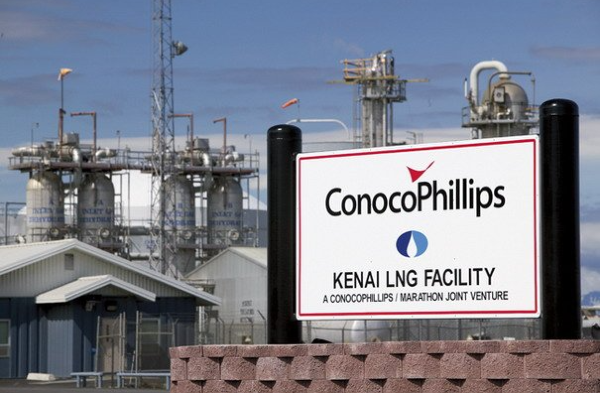
Global demand for crude oil and natural gas remains robust due to their integral role in energy production, transportation, and industrial processes. Despite the push for renewables, oil continues to power global economies, with demand driven by aviation, petrochemicals, and heavy industries. Meanwhile, natural gas is gaining traction as a lower-emission alternative to coal, with increased use in power generation and heating. Geopolitical tensions and supply chain disruptions have further influenced market dynamics, prompting nations to invest in domestic production and LNG infrastructure to ensure stable access to these critical energy resources.
Uranium demand is rising as nations turn to nuclear power for reliable, low-carbon energy. With governments aiming to reduce fossil fuel dependence, nuclear reactors offer a consistent electricity supply, supporting grid stability in an era of fluctuating renewable energy output. New reactor technologies, such as small modular reactors (SMRs), are expected to drive additional uranium consumption. Countries expanding their nuclear fleets—like China, India, and France—are securing uranium supplies, amplifying global investment in mining operations and long-term fuel contracts.
Despite the global shift toward renewables, coal remains a major energy source, particularly in emerging markets with high electricity demand and industrial activity. Many countries continue to rely on coal for baseload power generation due to its affordability and established infrastructure. Additionally, metallurgical coal remains essential for steel production, sustaining demand even in regions pursuing green energy initiatives. Meanwhile, hydrogen is emerging as a transformative clean energy alternative, with increasing adoption in fuel cells, industrial processes, and energy storage. Governments and corporations are investing heavily in hydrogen production and infrastructure, positioning it as a key component of the future energy landscape. As innovation accelerates, hydrogen's role in decarbonization efforts is expected to grow substantially.
Agricultural Commodities
- Wheat, Corn, and Soybeans: Combined global demand exceeds $600 billion, with total consumption surpassing 2.5 billion metric tons annually](https://www.fas.usda.gov/data/wasde).
- Palm Oil: The palm oil market is valued at approximately $90 billion, with annual consumption reaching 75 million metric tons.
- Timber & Pulp: The global timber and pulp industry is worth around $250 billion, with total demand exceeding 2 billion cubic meters of wood annually.
Wheat, corn, and soybeans are fundamental to global food security, serving as staple crops for human consumption, animal feed, and industrial applications. As population growth accelerates, particularly in emerging markets, demand for these grains continues to rise. Additionally, climate change and unpredictable weather patterns are intensifying supply chain concerns, prompting nations to invest in sustainable farming practices and alternative crop production methods. Biofuel development also plays a role, with corn-based ethanol and soybean-derived biodiesel gaining traction as renewable energy sources, further boosting demand for these essential commodities.
Palm oil remains one of the most widely used vegetable oils, driven by its extensive application in food products, cosmetics, and biofuels. The shift toward sustainable sourcing and eco-friendly production methods has placed additional emphasis on certified palm oil, creating market opportunities for producers adhering to responsible practices. Despite environmental concerns surrounding deforestation, palm oil remains a crucial ingredient in global food supply chains due to its cost efficiency and versatile applications. As demand for bio-based fuels expands, palm oil consumption is expected to grow further, reinforcing its status as a key commodity in both the food and energy sectors.
Timber and pulp play a vital role in construction, packaging, and paper production, driving steady demand growth worldwide. As urbanization accelerates, developing nations are increasing their consumption of timber for infrastructure projects, housing, and commercial development. Meanwhile, sustainability efforts and recycling initiatives are shaping the pulp and paper industry, with companies exploring alternative fiber sources to reduce environmental impact. The push for eco-friendly packaging materials, including biodegradable and recyclable pulp-based products, is expanding timber’s market appeal, ensuring its continued relevance in modern supply chains.
Construction Materials
- Steel: Global demand for steel is valued at approximately $1.5 trillion, with total consumption exceeding 1.9 billion metric tons annually.
- Cement & Sand: The cement market is worth around $400 billion, with global consumption surpassing 4.2 billion metric tons annually. Sand demand is harder to quantify due to informal extraction, but estimates suggest usage exceeds 50 billion metric tons per year.
- Aluminum: The aluminum market is valued at approximately $250 billion, with annual consumption reaching 100 million metric tons.
Steel demand continues to rise as global infrastructure and manufacturing sectors expand. From skyscrapers and bridges to transportation networks and industrial equipment, steel remains an indispensable material due to its durability, strength, and versatility. Rapid urbanization, particularly in emerging markets, is fueling large-scale construction projects, increasing the need for high-quality steel products. Additionally, advancements in green steel production—using hydrogen-based processes to reduce carbon emissions—are driving innovation and long-term sustainability in the sector, ensuring steel’s continued dominance in modern development.
Cement and sand are crucial components in the construction industry, supporting residential, commercial, and infrastructure projects worldwide. As nations invest in roads, buildings, and renewable energy infrastructure, demand for cement remains strong, particularly in high-growth economies. Sand, a fundamental raw material for concrete production, is facing supply challenges due to overextraction and environmental concerns, making sustainable sourcing and recycling efforts increasingly vital. Innovations in low-carbon cement production and eco-friendly construction materials are shaping the future of the sector, positioning these resources as central to global development.
Aluminum’s demand is surging due to its lightweight properties, making it a preferred material in automotive, aerospace, and packaging industries. Automakers are using aluminum to reduce vehicle weight, improve fuel efficiency, and enhance battery range in electric vehicles (EVs). Meanwhile, the aerospace sector relies on aluminum for aircraft frames due to its strength-to-weight ratio and resistance to corrosion. Additionally, the rising emphasis on sustainable packaging solutions has increased aluminum consumption in consumer goods and food packaging. With ongoing advancements in aluminum recycling, the metal remains a vital component of modern innovation and sustainability efforts.
Chemical & Industrial Raw Materials
- Petrochemicals: The global petrochemical market was valued at approximately $616 billion in 2023, with demand projected to reach $949.9 billion by 2032. Annual consumption exceeds 400 million metric tons.
- Phosphates & Potash: The phosphate market is highly volatile, with demand driven by agricultural needs. The global phosphate fertilizer market is valued at around $70 billion, with annual consumption surpassing 45 million metric tons. Potash demand is estimated at $50 billion, with global usage exceeding 40 million metric tons.
- Silicon: The silicon market, primarily driven by semiconductor manufacturing and solar panel production, is valued at approximately $20 billion, with annual consumption reaching 8 million metric tons.
Petrochemicals remain a cornerstone of industrial production, with increasing demand driven by their role in plastics, fertilizers, and synthetic chemicals. As global manufacturing expands, petrochemicals serve as the foundation for countless products, from consumer packaging to automotive components. Additionally, the rise in sustainable energy solutions has heightened the need for petrochemical-derived materials, such as specialty plastics used in EVs and renewable energy infrastructure. Despite concerns over environmental impact, innovations in bio-based and recycled petrochemical products are shaping the industry's future while ensuring steady demand growth.
Phosphates and potash are essential for agricultural fertilizers, supporting global food production and soil enrichment. With rising global populations and changing climate conditions, efficient crop yields have become more critical than ever, fueling demand for these vital nutrients. Emerging markets are investing heavily in fertilizer production to enhance food security, while precision farming techniques are optimizing phosphate and potash use for maximum efficiency. Additionally, sustainability concerns have spurred research into eco-friendly alternatives, ensuring continued demand while promoting responsible resource management.
Silicon is integral to the booming semiconductor and solar industries, driving increased consumption worldwide. As AI, advanced computing, and 5G networks expand, silicon remains at the core of microchip production, fueling technological innovation across industries. Additionally, the push toward renewable energy has intensified demand for high-purity silicon in solar panel manufacturing. With supply chain challenges and geopolitical factors influencing availability, companies are investing heavily in domestic silicon production and refining capabilities, ensuring long-term stability in the global market.
Emerging Raw Materials Gaining Popularity
- Graphite: The global graphite market is valued at approximately $25 billion, with demand driven by EV battery production and industrial applications.
- Vanadium: The vanadium market is estimated at $5 billion, with growing demand for energy storage solutions and steel production.
- Helium: The helium market is worth around $6 billion, with critical applications in healthcare, aerospace, and semiconductor manufacturing.
- Bioplastics: The bioplastics industry is valued at approximately $40 billion, with increasing adoption in packaging, automotive, and consumer goods.
Petrochemicals remain a cornerstone of industrial production, with increasing demand driven by their role in plastics, fertilizers, and synthetic chemicals. As global manufacturing expands, petrochemicals serve as the foundation for countless products, from consumer packaging to automotive components. Additionally, the rise in sustainable energy solutions has heightened the need for petrochemical-derived materials, such as specialty plastics used in EVs and renewable energy infrastructure. Despite concerns over environmental impact, innovations in bio-based and recycled petrochemical products are shaping the industry's future while ensuring steady demand growth.
Phosphates and potash are essential for agricultural fertilizers, supporting global food production and soil enrichment. With rising global populations and changing climate conditions, efficient crop yields have become more critical than ever, fueling demand for these vital nutrients. Emerging markets are investing heavily in fertilizer production to enhance food security, while precision farming techniques are optimizing phosphate and potash use for maximum efficiency. Additionally, sustainability concerns have spurred research into eco-friendly alternatives, ensuring continued demand while promoting responsible resource management.
Silicon is integral to the booming semiconductor and solar industries, driving increased consumption worldwide. As AI, advanced computing, and 5G networks expand, silicon remains at the core of microchip production, fueling technological innovation across industries. Additionally, the push toward renewable energy has intensified demand for high-purity silicon in solar panel manufacturing. With supply chain challenges and geopolitical factors influencing availability, companies are investing heavily in domestic silicon production and refining capabilities, ensuring long-term stability in the global market.
Regional Demand Trends for Raw Materials
Global raw material demand is evolving across key regions, driven by industry shifts and sustainability efforts. North America is expanding its supply chain for EV battery materials and semiconductor components, fueled by policies like the CHIPS Act. Europe is prioritizing sustainable energy solutions, increasing demand for lithium, copper, and rare earth elements while embracing circular economy practices to reduce reliance on raw extraction. Meanwhile, China dominates the rare earth sector, supporting its industrial and technological growth while investing in metal refining advancements. Emerging markets are driving demand for construction materials and agricultural resources, bolstered by rapid urbanization and food security needs. As global industries adapt, securing stable material supply chains remains crucial for technological and economic progress.
North America: Focus on EV Materials and Semiconductor Supply Chain
North America's demand for raw materials is largely driven by the rapid expansion of electric vehicle (EV) production and semiconductor manufacturing. The U.S. and Canada are increasing their reliance on lithium, nickel, and cobalt to support battery production, as automakers prioritize domestic supply chains to reduce dependence on foreign sources. With significant investments in battery gigafactories and EV infrastructure, the demand for high-quality materials continues to rise, reinforcing North America's role as a global hub for sustainable mobility solutions.
In addition, the semiconductor industry’s growth is fueling the need for critical materials such as silicon, gallium, and rare earth elements. The U.S. CHIPS Act, aimed at boosting domestic semiconductor production, has intensified efforts to secure a stable supply chain for essential raw materials. As companies invest in advanced fabrication facilities, demand for purified silicon and specialized metals is expected to increase, ensuring North America's competitiveness in cutting-edge technology industries.
Europe: Push Towards Sustainability and Green Energy Resources
Europe's raw material demand is shaped by its aggressive push towards sustainability and green energy solutions. With ambitious decarbonization targets, the region has become a major consumer of materials essential to wind, solar, and battery storage systems. Key commodities such as rare earth elements, lithium, and copper are crucial for the production of energy-efficient technologies, driving significant investments in domestic and responsibly sourced raw material supply chains.
Additionally, Europe is prioritizing the circular economy to reduce reliance on traditional mining and extraction methods. Recycling of metals such as aluminum, steel, and lithium-ion batteries is gaining momentum, with companies and governments fostering a more sustainable approach to resource consumption. This shift is expected to reshape supply chains, reinforcing Europe’s commitment to minimizing environmental impact while securing critical materials for its growing renewable energy sector.
China: Dominance in Rare Earth Elements and Industrial Metals
China continues to dominate the global supply of rare earth elements, holding significant control over mining and processing operations. These critical materials, including neodymium and dysprosium, are essential for high-performance magnets used in wind turbines, EV motors, and defense technologies. With vast reserves and sophisticated refining capabilities, China remains the undisputed leader in rare earth production, influencing global pricing and availability for high-tech applications.
Beyond rare earths, China’s industrial sector drives immense demand for base metals such as aluminum, steel, and copper. As the world's largest producer and consumer of industrial metals, China’s construction and manufacturing industries rely on massive material inputs to fuel economic expansion. Despite sustainability concerns, the nation continues investing in new extraction and refining technologies to maintain its strategic advantage in global raw material markets.
Emerging Markets: Growth in Construction and Agricultural Resources
Emerging markets are experiencing a surge in demand for construction materials as urbanization accelerates across regions like Southeast Asia, Africa, and Latin America. Cement, steel, and sand are vital for infrastructure projects, driving large-scale investment in housing, transportation, and industrial development. These growing economies are reshaping global supply chains by increasing imports of essential raw materials, reinforcing their role in global construction demand.
Agricultural commodities also play a crucial role in emerging markets, with rising demand for fertilizers, palm oil, and timber supporting food security and economic growth. Countries with rich natural resources are ramping up production to meet global agricultural needs, fueling expansion in phosphate, potash, and biomass industries. With climate change influencing farming practices, sustainable resource management is becoming an essential focus, shaping long-term demand trends in these regions.
Conclusion: The Global Evolution of Raw Material Demand
The landscape of raw material demand is shaped by technological advancements, geopolitical factors, and sustainability priorities. North America is driving demand for EV battery materials and semiconductor components, reinforcing its position in the global tech supply chain. Europe remains a leader in green energy adoption, prioritizing sustainable resource management and recycling initiatives. Meanwhile, China continues to dominate rare earth element production and industrial metal refining, leveraging its vast reserves to maintain economic growth.
Emerging markets play a crucial role in infrastructure development and agricultural expansion, fueling demand for construction and food-related materials. As urbanization accelerates, the need for sustainable raw materials grows, prompting countries to invest in efficient resource extraction and recycling. Across all regions, environmental considerations and technological innovations are reshaping material consumption trends, underscoring the importance of securing resilient and ethical supply chains to meet future global demand.




















What Raw Materials Are Most in Demand?
Key Takeaway:
Key Factors Driving Demand for Raw Materials
The demand for raw materials is heavily influenced by economic growth and industrialization, as expanding economies drive infrastructure development, manufacturing activity, and urbanization. Emerging markets, particularly in Asia, have been major contributors to this surge, increasing the need for essential commodities like steel, copper, and lithium. Additionally, technological advancements such as AI, electrification, and renewable energy have reshaped consumption patterns, fueling demand for semiconductors, battery metals, and rare earth elements. As industries transition toward sustainable solutions, materials critical to clean energy, like cobalt and nickel, are witnessing rapid adoption, reinforcing long-term supply pressures.
Supply chain dynamics and geopolitical factors further shape the availability and pricing of raw materials. Trade policies, resource nationalism, and regional conflicts can disrupt supply channels, creating uncertainty for businesses reliant on stable material flows. The shift toward domestic sourcing, recycling innovations, and sustainable mining practices underscores the industry's evolving landscape. Environmental considerations also play a crucial role, with governments and corporations emphasizing carbon footprint reduction, circular economy initiatives, and ethical sourcing. As global sustainability efforts intensify, regulatory changes and ESG commitments will continue to redefine the raw materials market.
Most In-Demand Raw Materials Today
Today, some of the most in-demand commodities include lithium for batteries, copper for electrification, and rare earth elements for advanced electronics. As industries transition toward renewable energy and digital infrastructure, the demand for materials essential to these advancements continues to rise. Factors like supply constraints, sustainability considerations, and economic growth further shape market dynamics, making the availability of these resources critical to global development and investment opportunities.
Precious & Industrial Metals
Lithium demand is skyrocketing due to its indispensable role in rechargeable battery technology, particularly for electric vehicles (EVs), renewable energy storage, and consumer electronics. As automakers shift toward electrification, lithium-ion batteries remain the dominant energy storage solution, driving a surge in global lithium consumption. Governments worldwide are implementing policies to accelerate EV adoption, further amplifying demand for lithium supply chains. Additionally, innovations in battery chemistry—such as lithium-iron-phosphate (LFP) and solid-state batteries—are expanding lithium’s applications, reinforcing its long-term market potential. With supply constraints and geopolitical risks influencing raw material availability, companies are investing heavily in lithium extraction, refining, and recycling to meet the growing need for sustainable energy solutions.
Copper demand is surging as global industries embrace electrification, renewable energy, and infrastructure development. As a key conductor in electrical wiring, copper is essential for EV charging stations, battery systems, and grid expansions supporting clean energy solutions. The metal is also integral to wind turbines, solar panels, and energy-efficient buildings, reinforcing its role in sustainability-focused projects. Additionally, rising investments in data centers and semiconductor manufacturing are driving further copper consumption in advanced electronics. Supply constraints, aging mining operations, and geopolitical tensions are pushing companies to secure long-term copper sources, making it one of the most critical raw materials for modern industrial and technological advancements.
Rare earth elements are experiencing soaring demand due to their critical role in advanced technologies, clean energy solutions, and high-performance electronics. Essential for manufacturing powerful magnets, rare earths like neodymium and dysprosium are widely used in electric vehicle motors, wind turbines, and defense applications. The global shift toward electrification and AI-driven automation has intensified their necessity in semiconductor production, robotics, and communication systems. Additionally, governments are prioritizing rare earth supply security, reducing reliance on China’s dominant market share through domestic mining and recycling efforts. As industries innovate and expand, rare earth elements remain vital for technological progress and sustainability initiatives worldwide.
Gold demand is rising due to its dual role as a safe-haven asset and an essential material in high-tech industries. Amid global economic uncertainties, investors flock to gold as a hedge against inflation and currency volatility, driving up its market value. Additionally, gold’s conductivity and resistance to corrosion make it indispensable in electronics, semiconductor manufacturing, and medical devices. The growing adoption of AI, advanced computing, and clean energy technologies further amplifies demand for gold-based components. Central banks are also increasing gold reserves, reinforcing its role in financial stability. As industries evolve and geopolitical tensions persist, gold remains a crucial commodity for both investment security and technological advancements.
Silver demand is surging due to its crucial role in renewable energy, electronics, and industrial applications. As solar power adoption accelerates globally, silver remains a key component in photovoltaic cells, making it indispensable for solar panel manufacturing. Additionally, silver’s superior conductivity drives demand in semiconductor production, 5G networks, and electric vehicle components. Its antimicrobial properties also expand its use in medical devices and water purification systems. With rising industrial and technological reliance on silver, alongside growing investment interest in precious metals, its demand is expected to strengthen, positioning silver as a vital resource in the clean energy transition and modern innovation.
Nickel demand is rapidly increasing due to its essential role in electric vehicle (EV) batteries, stainless steel production, and clean energy technologies. High-nickel battery chemistries, such as nickel-manganese-cobalt (NMC) and nickel-cobalt-aluminum (NCA), are widely used in EVs, providing higher energy density and longer driving ranges. Additionally, nickel’s corrosion-resistant properties make it indispensable in stainless steel, which is crucial for infrastructure, construction, and industrial applications. The global shift toward sustainability, combined with rising EV adoption, has intensified efforts to secure nickel supply, with companies investing in new mining projects and recycling initiatives. As industries continue innovating, nickel remains a critical material for electrification and advanced manufacturing.
Cobalt demand is rising due to its essential role in lithium-ion batteries, particularly in electric vehicles (EVs) and energy storage systems. As automakers scale up EV production, cobalt-based battery chemistries—such as nickel-manganese-cobalt (NMC)—offer high energy density and longer lifespan, driving strong market demand. Additionally, cobalt is vital in aerospace alloys, medical devices, and electronics, reinforcing its importance across industries. However, concerns over supply chain security and ethical sourcing have led to increased investment in recycling and alternative battery compositions. As global electrification and technological innovation advance, cobalt remains a critical material for sustainable energy solutions and next-generation battery development.
Energy Resources
References: oilprice.com eia.gov
Global demand for crude oil and natural gas remains robust due to their integral role in energy production, transportation, and industrial processes. Despite the push for renewables, oil continues to power global economies, with demand driven by aviation, petrochemicals, and heavy industries. Meanwhile, natural gas is gaining traction as a lower-emission alternative to coal, with increased use in power generation and heating. Geopolitical tensions and supply chain disruptions have further influenced market dynamics, prompting nations to invest in domestic production and LNG infrastructure to ensure stable access to these critical energy resources.
Uranium demand is rising as nations turn to nuclear power for reliable, low-carbon energy. With governments aiming to reduce fossil fuel dependence, nuclear reactors offer a consistent electricity supply, supporting grid stability in an era of fluctuating renewable energy output. New reactor technologies, such as small modular reactors (SMRs), are expected to drive additional uranium consumption. Countries expanding their nuclear fleets—like China, India, and France—are securing uranium supplies, amplifying global investment in mining operations and long-term fuel contracts.
Despite the global shift toward renewables, coal remains a major energy source, particularly in emerging markets with high electricity demand and industrial activity. Many countries continue to rely on coal for baseload power generation due to its affordability and established infrastructure. Additionally, metallurgical coal remains essential for steel production, sustaining demand even in regions pursuing green energy initiatives. Meanwhile, hydrogen is emerging as a transformative clean energy alternative, with increasing adoption in fuel cells, industrial processes, and energy storage. Governments and corporations are investing heavily in hydrogen production and infrastructure, positioning it as a key component of the future energy landscape. As innovation accelerates, hydrogen's role in decarbonization efforts is expected to grow substantially.
Agricultural Commodities
Wheat, corn, and soybeans are fundamental to global food security, serving as staple crops for human consumption, animal feed, and industrial applications. As population growth accelerates, particularly in emerging markets, demand for these grains continues to rise. Additionally, climate change and unpredictable weather patterns are intensifying supply chain concerns, prompting nations to invest in sustainable farming practices and alternative crop production methods. Biofuel development also plays a role, with corn-based ethanol and soybean-derived biodiesel gaining traction as renewable energy sources, further boosting demand for these essential commodities.
Palm oil remains one of the most widely used vegetable oils, driven by its extensive application in food products, cosmetics, and biofuels. The shift toward sustainable sourcing and eco-friendly production methods has placed additional emphasis on certified palm oil, creating market opportunities for producers adhering to responsible practices. Despite environmental concerns surrounding deforestation, palm oil remains a crucial ingredient in global food supply chains due to its cost efficiency and versatile applications. As demand for bio-based fuels expands, palm oil consumption is expected to grow further, reinforcing its status as a key commodity in both the food and energy sectors.
Timber and pulp play a vital role in construction, packaging, and paper production, driving steady demand growth worldwide. As urbanization accelerates, developing nations are increasing their consumption of timber for infrastructure projects, housing, and commercial development. Meanwhile, sustainability efforts and recycling initiatives are shaping the pulp and paper industry, with companies exploring alternative fiber sources to reduce environmental impact. The push for eco-friendly packaging materials, including biodegradable and recyclable pulp-based products, is expanding timber’s market appeal, ensuring its continued relevance in modern supply chains.
Construction Materials
Steel demand continues to rise as global infrastructure and manufacturing sectors expand. From skyscrapers and bridges to transportation networks and industrial equipment, steel remains an indispensable material due to its durability, strength, and versatility. Rapid urbanization, particularly in emerging markets, is fueling large-scale construction projects, increasing the need for high-quality steel products. Additionally, advancements in green steel production—using hydrogen-based processes to reduce carbon emissions—are driving innovation and long-term sustainability in the sector, ensuring steel’s continued dominance in modern development.
Cement and sand are crucial components in the construction industry, supporting residential, commercial, and infrastructure projects worldwide. As nations invest in roads, buildings, and renewable energy infrastructure, demand for cement remains strong, particularly in high-growth economies. Sand, a fundamental raw material for concrete production, is facing supply challenges due to overextraction and environmental concerns, making sustainable sourcing and recycling efforts increasingly vital. Innovations in low-carbon cement production and eco-friendly construction materials are shaping the future of the sector, positioning these resources as central to global development.
Aluminum’s demand is surging due to its lightweight properties, making it a preferred material in automotive, aerospace, and packaging industries. Automakers are using aluminum to reduce vehicle weight, improve fuel efficiency, and enhance battery range in electric vehicles (EVs). Meanwhile, the aerospace sector relies on aluminum for aircraft frames due to its strength-to-weight ratio and resistance to corrosion. Additionally, the rising emphasis on sustainable packaging solutions has increased aluminum consumption in consumer goods and food packaging. With ongoing advancements in aluminum recycling, the metal remains a vital component of modern innovation and sustainability efforts.
Chemical & Industrial Raw Materials
Petrochemicals remain a cornerstone of industrial production, with increasing demand driven by their role in plastics, fertilizers, and synthetic chemicals. As global manufacturing expands, petrochemicals serve as the foundation for countless products, from consumer packaging to automotive components. Additionally, the rise in sustainable energy solutions has heightened the need for petrochemical-derived materials, such as specialty plastics used in EVs and renewable energy infrastructure. Despite concerns over environmental impact, innovations in bio-based and recycled petrochemical products are shaping the industry's future while ensuring steady demand growth.
Phosphates and potash are essential for agricultural fertilizers, supporting global food production and soil enrichment. With rising global populations and changing climate conditions, efficient crop yields have become more critical than ever, fueling demand for these vital nutrients. Emerging markets are investing heavily in fertilizer production to enhance food security, while precision farming techniques are optimizing phosphate and potash use for maximum efficiency. Additionally, sustainability concerns have spurred research into eco-friendly alternatives, ensuring continued demand while promoting responsible resource management.
Silicon is integral to the booming semiconductor and solar industries, driving increased consumption worldwide. As AI, advanced computing, and 5G networks expand, silicon remains at the core of microchip production, fueling technological innovation across industries. Additionally, the push toward renewable energy has intensified demand for high-purity silicon in solar panel manufacturing. With supply chain challenges and geopolitical factors influencing availability, companies are investing heavily in domestic silicon production and refining capabilities, ensuring long-term stability in the global market.
Emerging Raw Materials Gaining Popularity
Petrochemicals remain a cornerstone of industrial production, with increasing demand driven by their role in plastics, fertilizers, and synthetic chemicals. As global manufacturing expands, petrochemicals serve as the foundation for countless products, from consumer packaging to automotive components. Additionally, the rise in sustainable energy solutions has heightened the need for petrochemical-derived materials, such as specialty plastics used in EVs and renewable energy infrastructure. Despite concerns over environmental impact, innovations in bio-based and recycled petrochemical products are shaping the industry's future while ensuring steady demand growth.
Phosphates and potash are essential for agricultural fertilizers, supporting global food production and soil enrichment. With rising global populations and changing climate conditions, efficient crop yields have become more critical than ever, fueling demand for these vital nutrients. Emerging markets are investing heavily in fertilizer production to enhance food security, while precision farming techniques are optimizing phosphate and potash use for maximum efficiency. Additionally, sustainability concerns have spurred research into eco-friendly alternatives, ensuring continued demand while promoting responsible resource management.
Silicon is integral to the booming semiconductor and solar industries, driving increased consumption worldwide. As AI, advanced computing, and 5G networks expand, silicon remains at the core of microchip production, fueling technological innovation across industries. Additionally, the push toward renewable energy has intensified demand for high-purity silicon in solar panel manufacturing. With supply chain challenges and geopolitical factors influencing availability, companies are investing heavily in domestic silicon production and refining capabilities, ensuring long-term stability in the global market.
Regional Demand Trends for Raw Materials
Global raw material demand is evolving across key regions, driven by industry shifts and sustainability efforts. North America is expanding its supply chain for EV battery materials and semiconductor components, fueled by policies like the CHIPS Act. Europe is prioritizing sustainable energy solutions, increasing demand for lithium, copper, and rare earth elements while embracing circular economy practices to reduce reliance on raw extraction. Meanwhile, China dominates the rare earth sector, supporting its industrial and technological growth while investing in metal refining advancements. Emerging markets are driving demand for construction materials and agricultural resources, bolstered by rapid urbanization and food security needs. As global industries adapt, securing stable material supply chains remains crucial for technological and economic progress.
North America: Focus on EV Materials and Semiconductor Supply Chain
North America's demand for raw materials is largely driven by the rapid expansion of electric vehicle (EV) production and semiconductor manufacturing. The U.S. and Canada are increasing their reliance on lithium, nickel, and cobalt to support battery production, as automakers prioritize domestic supply chains to reduce dependence on foreign sources. With significant investments in battery gigafactories and EV infrastructure, the demand for high-quality materials continues to rise, reinforcing North America's role as a global hub for sustainable mobility solutions.
In addition, the semiconductor industry’s growth is fueling the need for critical materials such as silicon, gallium, and rare earth elements. The U.S. CHIPS Act, aimed at boosting domestic semiconductor production, has intensified efforts to secure a stable supply chain for essential raw materials. As companies invest in advanced fabrication facilities, demand for purified silicon and specialized metals is expected to increase, ensuring North America's competitiveness in cutting-edge technology industries.
Europe: Push Towards Sustainability and Green Energy Resources
Europe's raw material demand is shaped by its aggressive push towards sustainability and green energy solutions. With ambitious decarbonization targets, the region has become a major consumer of materials essential to wind, solar, and battery storage systems. Key commodities such as rare earth elements, lithium, and copper are crucial for the production of energy-efficient technologies, driving significant investments in domestic and responsibly sourced raw material supply chains.
Additionally, Europe is prioritizing the circular economy to reduce reliance on traditional mining and extraction methods. Recycling of metals such as aluminum, steel, and lithium-ion batteries is gaining momentum, with companies and governments fostering a more sustainable approach to resource consumption. This shift is expected to reshape supply chains, reinforcing Europe’s commitment to minimizing environmental impact while securing critical materials for its growing renewable energy sector.
China: Dominance in Rare Earth Elements and Industrial Metals
China continues to dominate the global supply of rare earth elements, holding significant control over mining and processing operations. These critical materials, including neodymium and dysprosium, are essential for high-performance magnets used in wind turbines, EV motors, and defense technologies. With vast reserves and sophisticated refining capabilities, China remains the undisputed leader in rare earth production, influencing global pricing and availability for high-tech applications.
Beyond rare earths, China’s industrial sector drives immense demand for base metals such as aluminum, steel, and copper. As the world's largest producer and consumer of industrial metals, China’s construction and manufacturing industries rely on massive material inputs to fuel economic expansion. Despite sustainability concerns, the nation continues investing in new extraction and refining technologies to maintain its strategic advantage in global raw material markets.
Emerging Markets: Growth in Construction and Agricultural Resources
Emerging markets are experiencing a surge in demand for construction materials as urbanization accelerates across regions like Southeast Asia, Africa, and Latin America. Cement, steel, and sand are vital for infrastructure projects, driving large-scale investment in housing, transportation, and industrial development. These growing economies are reshaping global supply chains by increasing imports of essential raw materials, reinforcing their role in global construction demand.
Agricultural commodities also play a crucial role in emerging markets, with rising demand for fertilizers, palm oil, and timber supporting food security and economic growth. Countries with rich natural resources are ramping up production to meet global agricultural needs, fueling expansion in phosphate, potash, and biomass industries. With climate change influencing farming practices, sustainable resource management is becoming an essential focus, shaping long-term demand trends in these regions.
Conclusion: The Global Evolution of Raw Material Demand
The landscape of raw material demand is shaped by technological advancements, geopolitical factors, and sustainability priorities. North America is driving demand for EV battery materials and semiconductor components, reinforcing its position in the global tech supply chain. Europe remains a leader in green energy adoption, prioritizing sustainable resource management and recycling initiatives. Meanwhile, China continues to dominate rare earth element production and industrial metal refining, leveraging its vast reserves to maintain economic growth.
Emerging markets play a crucial role in infrastructure development and agricultural expansion, fueling demand for construction and food-related materials. As urbanization accelerates, the need for sustainable raw materials grows, prompting countries to invest in efficient resource extraction and recycling. Across all regions, environmental considerations and technological innovations are reshaping material consumption trends, underscoring the importance of securing resilient and ethical supply chains to meet future global demand.