Key Takeaway:
Top consumer discretionary ETFs like XLY, VCR, and IYC have outperformed the S&P 500 over the past year, with returns between 14% and 18% and low expense ratios under 0.40%. These funds offer diversified exposure to retail, travel, and entertainment stocks, making them ideal for growth-focused investors.
Why Use ETFs for This Sector
ETFs offer a simple way to invest in consumer discretionary stocks while spreading risk across many companies. They’re easy to trade, typically have low fees, and help investors capture growth without taking on the full downside of individual stocks. As market conditions change, ETFs also make it easier to rebalance your portfolio.
Consumer discretionary ETFs focus on companies that sell non-essential goods and services—like retail, travel, entertainment, and luxury brands. These stocks tend to perform well when consumer confidence is high. With ETFs, investors can gain exposure to the entire sector without needing to pick individual winners.
What Makes a Good Consumer Discretionary ETF
When evaluating consumer discretionary ETFs, start by understanding the sector itself. These funds invest in companies that sell non-essential goods and services—like retail, travel, entertainment, and luxury brands. Because these stocks tend to perform well when consumer confidence is high, a good ETF should offer exposure to strong, recognizable brands across multiple sub-sectors. This helps capture growth while reducing the risk of relying on any single company.
To choose the right ETF, look at key metrics. A low expense ratio keeps costs down. Review the top holdings to see which companies dominate the fund. High liquidity ensures easy trading. Check the tracking index to understand what the ETF follows. Compare performance history over 1, 3, and 5 years, and consider the dividend yield if income matters. These factors help investors find ETFs that balance growth potential with long-term stability.
Broad Exposure ETFs
XLY, VCR, and IYC all provide diversified access to major U.S. consumer discretionary companies. XLY focuses on large-cap leaders like Amazon, Tesla, and Home Depot with a low 0.08% expense ratio. VCR offers broader market‑cap coverage across the sector, while IYC targets top U.S. discretionary names with a higher fee but similar performance. Together, these ETFs give investors simple, diversified ways to capture consumer‑driven growth.
ETF Comparison Table
| ETF |
Expense Ratio |
Top Holdings |
1-Year Return |
AUM |
| XLY |
0.08% |
AMZN, TSLA, HD |
6.4% |
$23.9B |
| VCR |
0.09% |
AMZN, TSLA, MCD |
4.5% |
$6.4B |
| IYC |
0.38% |
AMZN, TSLA, NKE |
6.2% |
$1.5B |
Consumer Discretionary Select Sector SPDR Fund (XLY)
- Tracks large U.S. discretionary companies
- Top holdings: Amazon (AMZN), Tesla (TSLA), Home Depot (HD)
- Expense ratio: 0.08%
- Assets under management: $23.9B
- 1-year return: 6.4%
Vanguard Consumer Discretionary ETF (VCR)
- Covers all market caps in the sector
- Top holdings: Amazon (AMZN), Tesla (TSLA), McDonald’s (MCD)
- Expense ratio: 0.09%
- AUM: $6.4B
- 1-year return: 4.5%
iShares U.S. Consumer Discretionary ETF (IYC)
- Focuses on U.S. leaders in discretionary spending
- Expense ratio: 0.38%
- AUM: $1.5B
- 1-year return: 6.2%
Niche and Thematic Consumer Discretionary ETFs
| ETF |
Focus Area |
Key Holdings |
Expense Ratio |
Notes |
| Amplify Online Retail ETF (IBUY) |
E‑commerce and online retail |
Etsy (ETSY), Chewy (CHWY), MercadoLibre (MELI) |
0.65% |
Best for investors betting on online shopping growth |
| Invesco Leisure and Entertainment ETF (PEJ) |
Travel, leisure, entertainment |
Disney (DIS), Marriott (MAR), MGM Resorts (MGM) |
0.57% |
Good for cyclical rebound plays |
| Global X Consumer Discretionary ETF (DISC) |
International discretionary exposure |
Emerging market leaders |
0.50% |
Watch for currency and geopolitical risks |
Amplify Online Retail ETF (IBUY)
- Focuses on e-commerce companies
- Holdings include Etsy (ETSY), Chewy (CHWY), MercadoLibre (MELI)
- Expense ratio: 0.65%
- Best for investors betting on online shopping growth
Invesco Leisure and Entertainment ETF (PEJ)
- Targets travel, leisure, and entertainment
- Holdings include Disney (DIS),, Marriott (MAR), MGM Resorts (MGM)
- Expense ratio: 0.57%
- Good for cyclical rebound plays
Global X Consumer Discretionary ETF (DISC)
- Offers international exposure
- Includes emerging market leaders
- Expense ratio: 0.50%
- Watch for currency and geopolitical risks
Strategy Differences
Passive ETFs are designed to mirror the performance of a specific index, such as the S&P 500 or a sector benchmark. They typically have lower fees and aim to provide broad market exposure without trying to outperform. Active ETFs, on the other hand, are managed by professionals who make strategic decisions to beat the market. These funds may carry higher fees but offer the potential for greater returns through tactical stock selection and timing.
Another key distinction lies in how ETFs weight their holdings. Market-cap weighted ETFs allocate more to larger companies, which can skew performance toward dominant players like Amazon or Tesla. Equal-weighted ETFs distribute investments evenly across all holdings, helping reduce concentration risk. Additionally, some ETFs lean toward growth stocks with high upside potential, while others favor value stocks that may be undervalued but stable. Understanding these structural differences helps investors align ETF choices with their goals and risk tolerance.
How to Pick the Right ETF
Start by matching the ETF to your investment goals and risk tolerance. If you're seeking broad exposure to the consumer discretionary sector, funds like XLY or VCR are strong candidates due to their diversified holdings and low expense ratios. For investors interested in specific themes such as e-commerce or travel, niche ETFs like IBUY or PEJ offer targeted upside potential. It's important to understand the strategy behind each ETF—whether it's passive or active—and how it aligns with your market outlook.
Beyond strategy, consider how the ETF fits within your existing portfolio. Overlapping holdings can lead to unintended concentration, especially if multiple funds include dominant stocks like Amazon or Tesla. Review the fund’s top holdings, dividend yield, and historical performance across different time frames. Also factor in tax implications, especially if you plan to rebalance frequently. A well-chosen ETF should complement your broader asset allocation while helping you capture sector-specific growth.
Risks to Watch
Consumer discretionary ETFs are particularly sensitive to macroeconomic conditions. Interest rate hikes can dampen consumer spending, while inflation erodes purchasing power, both of which can negatively impact companies in this sector. Shifts in consumer confidence—often driven by employment trends, wage growth, or geopolitical events—can cause rapid swings in performance. For international ETFs, currency fluctuations and political instability add another layer of risk that investors must monitor closely.
Another key risk is overconcentration in a few dominant holdings. Many ETFs in this space are heavily weighted toward mega-cap stocks like Amazon and Tesla, which can skew returns and increase volatility. If these companies underperform, the entire fund may suffer despite strength in other areas. Investors should also be cautious of thematic ETFs that rely on narrow trends, such as online retail or travel, as these can be more cyclical and vulnerable to sudden shifts in consumer behavior or regulatory changes.
Portfolio Integration Tips
To build a resilient portfolio, consider pairing consumer discretionary ETFs with more stable sectors like healthcare or consumer staples. These defensive sectors tend to perform well during economic downturns, helping to balance the cyclical nature of discretionary stocks. Tactical exposure to discretionary ETFs can be especially effective during periods of strong consumer sentiment or economic recovery, allowing investors to capitalize on growth while maintaining overall stability.
Rebalancing is key to managing risk and maintaining your target allocation. A quarterly or semi-annual review helps ensure your portfolio stays aligned with your goals, especially if certain ETFs outperform and grow disproportionately. For most investors, keeping consumer discretionary exposure between 10–20% is a prudent range, unless you have a higher risk tolerance or a specific conviction in the sector. Always assess how each ETF fits into your broader strategy before making adjustments.
Conclusion
Consumer discretionary ETFs offer growth potential when spending is strong. Top picks like XLY, VCR, and IYC provide broad exposure with low fees. Thematic ETFs like IBUY and PEJ add targeted upside. Choose based on your goals, and monitor economic trends to stay ahead.
Recommended Reading on Consumer Discretionary Investing
Continue building your expertise with these related analyses and sector guides. Each resource expands on key themes discussed in this article and supports a deeper understanding of consumer discretionary dynamics.














Key Takeaway:
Top consumer discretionary ETFs like XLY, VCR, and IYC have outperformed the S&P 500 over the past year, with returns between 14% and 18% and low expense ratios under 0.40%. These funds offer diversified exposure to retail, travel, and entertainment stocks, making them ideal for growth-focused investors.
Why Use ETFs for This Sector
ETFs offer a simple way to invest in consumer discretionary stocks while spreading risk across many companies. They’re easy to trade, typically have low fees, and help investors capture growth without taking on the full downside of individual stocks. As market conditions change, ETFs also make it easier to rebalance your portfolio.
Consumer discretionary ETFs focus on companies that sell non-essential goods and services—like retail, travel, entertainment, and luxury brands. These stocks tend to perform well when consumer confidence is high. With ETFs, investors can gain exposure to the entire sector without needing to pick individual winners.
What Makes a Good Consumer Discretionary ETF
When evaluating consumer discretionary ETFs, start by understanding the sector itself. These funds invest in companies that sell non-essential goods and services—like retail, travel, entertainment, and luxury brands. Because these stocks tend to perform well when consumer confidence is high, a good ETF should offer exposure to strong, recognizable brands across multiple sub-sectors. This helps capture growth while reducing the risk of relying on any single company.
To choose the right ETF, look at key metrics. A low expense ratio keeps costs down. Review the top holdings to see which companies dominate the fund. High liquidity ensures easy trading. Check the tracking index to understand what the ETF follows. Compare performance history over 1, 3, and 5 years, and consider the dividend yield if income matters. These factors help investors find ETFs that balance growth potential with long-term stability.
Broad Exposure ETFs
XLY, VCR, and IYC all provide diversified access to major U.S. consumer discretionary companies. XLY focuses on large-cap leaders like Amazon, Tesla, and Home Depot with a low 0.08% expense ratio. VCR offers broader market‑cap coverage across the sector, while IYC targets top U.S. discretionary names with a higher fee but similar performance. Together, these ETFs give investors simple, diversified ways to capture consumer‑driven growth.
ETF Comparison Table
Consumer Discretionary Select Sector SPDR Fund (XLY)
Vanguard Consumer Discretionary ETF (VCR)
iShares U.S. Consumer Discretionary ETF (IYC)
Niche and Thematic Consumer Discretionary ETFs
Amplify Online Retail ETF (IBUY)
Invesco Leisure and Entertainment ETF (PEJ)
Global X Consumer Discretionary ETF (DISC)
Strategy Differences
Passive ETFs are designed to mirror the performance of a specific index, such as the S&P 500 or a sector benchmark. They typically have lower fees and aim to provide broad market exposure without trying to outperform. Active ETFs, on the other hand, are managed by professionals who make strategic decisions to beat the market. These funds may carry higher fees but offer the potential for greater returns through tactical stock selection and timing.
Another key distinction lies in how ETFs weight their holdings. Market-cap weighted ETFs allocate more to larger companies, which can skew performance toward dominant players like Amazon or Tesla. Equal-weighted ETFs distribute investments evenly across all holdings, helping reduce concentration risk. Additionally, some ETFs lean toward growth stocks with high upside potential, while others favor value stocks that may be undervalued but stable. Understanding these structural differences helps investors align ETF choices with their goals and risk tolerance.
How to Pick the Right ETF
Start by matching the ETF to your investment goals and risk tolerance. If you're seeking broad exposure to the consumer discretionary sector, funds like XLY or VCR are strong candidates due to their diversified holdings and low expense ratios. For investors interested in specific themes such as e-commerce or travel, niche ETFs like IBUY or PEJ offer targeted upside potential. It's important to understand the strategy behind each ETF—whether it's passive or active—and how it aligns with your market outlook.
Beyond strategy, consider how the ETF fits within your existing portfolio. Overlapping holdings can lead to unintended concentration, especially if multiple funds include dominant stocks like Amazon or Tesla. Review the fund’s top holdings, dividend yield, and historical performance across different time frames. Also factor in tax implications, especially if you plan to rebalance frequently. A well-chosen ETF should complement your broader asset allocation while helping you capture sector-specific growth.
Risks to Watch
Consumer discretionary ETFs are particularly sensitive to macroeconomic conditions. Interest rate hikes can dampen consumer spending, while inflation erodes purchasing power, both of which can negatively impact companies in this sector. Shifts in consumer confidence—often driven by employment trends, wage growth, or geopolitical events—can cause rapid swings in performance. For international ETFs, currency fluctuations and political instability add another layer of risk that investors must monitor closely.
Another key risk is overconcentration in a few dominant holdings. Many ETFs in this space are heavily weighted toward mega-cap stocks like Amazon and Tesla, which can skew returns and increase volatility. If these companies underperform, the entire fund may suffer despite strength in other areas. Investors should also be cautious of thematic ETFs that rely on narrow trends, such as online retail or travel, as these can be more cyclical and vulnerable to sudden shifts in consumer behavior or regulatory changes.
Portfolio Integration Tips
To build a resilient portfolio, consider pairing consumer discretionary ETFs with more stable sectors like healthcare or consumer staples. These defensive sectors tend to perform well during economic downturns, helping to balance the cyclical nature of discretionary stocks. Tactical exposure to discretionary ETFs can be especially effective during periods of strong consumer sentiment or economic recovery, allowing investors to capitalize on growth while maintaining overall stability.
Rebalancing is key to managing risk and maintaining your target allocation. A quarterly or semi-annual review helps ensure your portfolio stays aligned with your goals, especially if certain ETFs outperform and grow disproportionately. For most investors, keeping consumer discretionary exposure between 10–20% is a prudent range, unless you have a higher risk tolerance or a specific conviction in the sector. Always assess how each ETF fits into your broader strategy before making adjustments.
Conclusion
Consumer discretionary ETFs offer growth potential when spending is strong. Top picks like XLY, VCR, and IYC provide broad exposure with low fees. Thematic ETFs like IBUY and PEJ add targeted upside. Choose based on your goals, and monitor economic trends to stay ahead.
Recommended Reading on Consumer Discretionary Investing
Continue building your expertise with these related analyses and sector guides. Each resource expands on key themes discussed in this article and supports a deeper understanding of consumer discretionary dynamics.
The Top Consumer Discretionary Stocks
A dynamic list of leading companies within the sector, highlighting notable performers and long‑term growth drivers. A majority of top investors on StockBossUp rated each company on this list a buy.
What Are Consumer Discretionary Stocks?
An introduction to the sector’s core characteristics and market role.
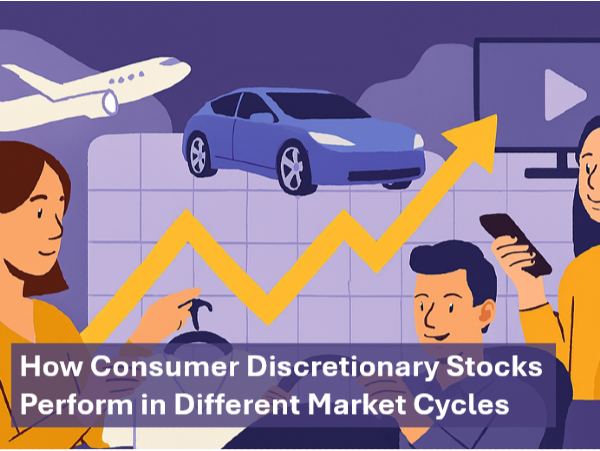
How Consumer Discretionary Stocks Perform in Different Market Cycles
A review of how economic conditions influence sector performance.
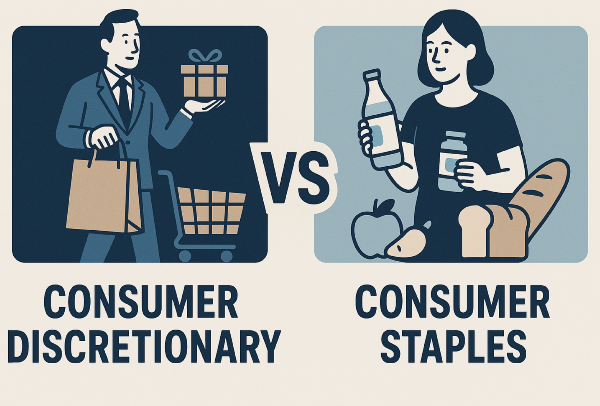
Consumer Discretionary vs Consumer Staples: Key Differences
A comparison of spending patterns, risk profiles, and investment considerations.
How to Analyze Consumer Discretionary Companies
A structured approach to evaluating business models and financial strength.
The Role of Consumer Sentiment in Discretionary Stock Performance
Insight into how consumer confidence and behavioral trends shape demand.
How Interest Rates Impact Consumer Discretionary Stocks
An examination of rate sensitivity and macroeconomic pressures.
Are Consumer Discretionary Stocks Good for Long Term Investors?
A long term perspective on growth potential and sector volatility.
How to Build a Portfolio of Consumer Discretionary Stocks
Practical guidance for constructing and managing sector exposure.
Best ETFs for Consumer Discretionary Exposure
A review of leading ETFs offering diversified access to the sector.
How to Classify a Stock as Consumer Discretionary
A clear explanation of classification standards and sector placement.