🔑 Key Takeaways: Biggest Risks Facing Auto Manufacturer Stocks
📉 Auto manufacturer stocks are highly vulnerable to economic slowdowns and weak consumer demand
Because vehicles are expensive purchases, rising interest rates, inflation, and economic uncertainty can quickly reduce car sales. Lower demand directly impacts automaker revenue, profitability, and stock performance.
⚡ The transition to electric vehicles creates major financial and operational risks for legacy automakers
Traditional automakers must invest billions into EV technology while still supporting gas-powered vehicle production. This costly transition increases pressure on profit margins, supply chains, and long-term competitiveness.
🌍 Global supply chains, commodity prices, and regulatory changes increase industry-wide uncertainty
Auto manufacturers depend on complex international supply chains and volatile raw material markets. At the same time, stricter emissions, safety, and data regulations continue raising compliance costs and operational risk.
💻 Technology disruption and rising competition are reshaping the future of auto manufacturer stocks
EV startups, software-driven vehicles, and autonomous driving systems are forcing traditional automakers to adapt quickly. Companies that fail to innovate or manage technology risks may lose market share and investor confidence.
Biggest Risks Facing Auto Manufacturer Stocks
Auto manufacturer stocks can look attractive during strong economic periods. Car sales rise, factories stay busy, and profits often grow quickly. But the auto industry is also one of the most unpredictable sectors in the market.
The problem for investors is that many risks in the industry build slowly before causing sudden damage. A company may appear stable for years and then face major losses from supply chain failures, recalls, or falling demand.
The industry is changing faster than ever. Electric vehicles, software systems, automation, and global competition are reshaping how automakers operate. Investors now face a difficult question. Which risks are temporary, and which ones could permanently change the future of auto manufacturer stocks?
Understanding these risks is critical because auto companies operate with high costs, thin margins, and heavy global exposure.
Why Are Auto Manufacturer Stocks So Sensitive to Economic Cycles?
Auto manufacturers depend heavily on consumer spending.
Cars are expensive purchases, and buyers often delay them during economic uncertainty.
When interest rates rise or unemployment increases, vehicle sales usually decline.
This directly affects revenue and profits.
A lesser-known fact is that during severe economic downturns, some automakers have experienced inventory buildups so large that thousands of unsold vehicles remained parked for months before being shipped to dealerships.
Why Do High Production Costs Create Financial Risk?
Auto manufacturing requires enormous investment.
Companies spend heavily on:
- Factories
- Robotics
- Supply chains
- Research and development
- Employee wages
These fixed costs remain high even when vehicle demand weakens.
This creates pressure on profitability during slow sales periods.
| Risk Factor |
Impact on Profits |
Investor Concern Level |
| Falling vehicle sales |
Very High |
High |
| Rising labor costs |
High |
Medium–High |
| Factory shutdowns |
High |
High |
| Weak consumer demand |
Very High |
High |
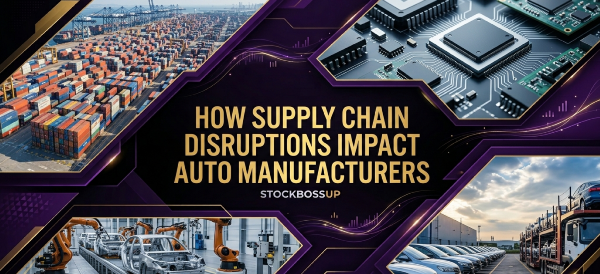
Why Are Supply Chain Problems Still a Major Threat?
Modern auto manufacturing depends on global supply chains.
Even one missing part can stop production.
Supply chain disruptions increase costs and reduce output.
Semiconductors, batteries, and specialized materials remain major risk areas.
Investors now pay close attention to supply chain resilience when evaluating auto stocks.
Why Is the EV Transition Risky for Legacy Automakers?
Electric vehicles are changing the industry rapidly.
Legacy automakers must invest billions into EV development while still producing gas-powered vehicles.
This creates financial pressure.
Companies must manage two systems at once.
If the transition moves too slowly, companies risk losing market share. If it moves too quickly, profits from traditional vehicles may decline too fast.
| Transition Challenge |
Business Impact |
Risk Level |
| EV investment costs |
High spending |
High |
| Weak EV demand |
Revenue pressure |
Medium |
| Battery supply shortages |
Production delays |
High |
| Legacy factory conversion |
High capital costs |
High |
Why Do Interest Rates Affect Auto Stocks So Strongly?
Most vehicles are financed through loans.
When interest rates rise, monthly payments increase.
This reduces affordability for consumers.
Lower affordability often leads to weaker sales.
Higher rates also increase borrowing costs for automakers themselves.
Why Are Recalls Dangerous for Investors?
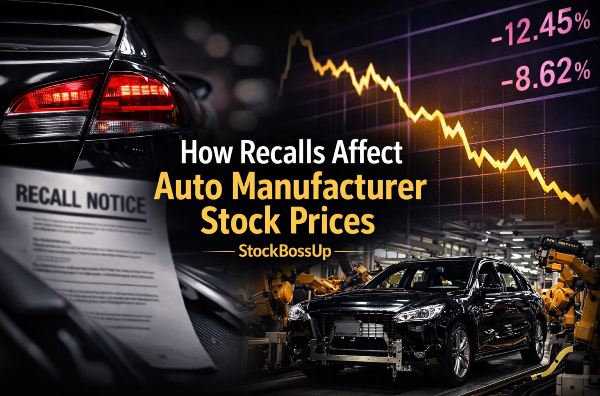
Vehicle recalls can damage both profits and reputation.
Large recalls create repair costs, legal risks, and negative publicity.
Investors often react quickly to recall announcements.
A surprising detail is that some major recalls have reduced billions of dollars in market value from auto manufacturers within days of public announcements.
This shows how sensitive investor confidence can be.
Why Is Competition Increasing Across the Industry?
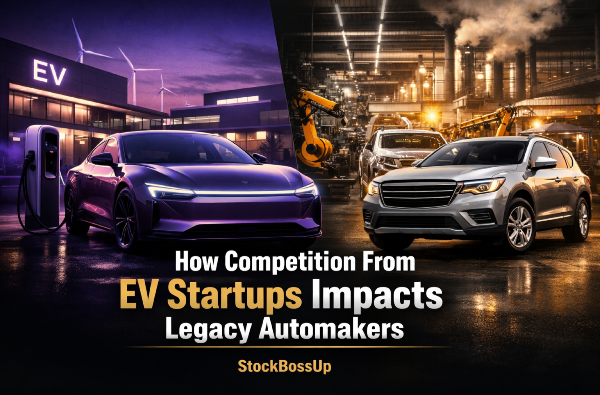
Competition is growing from multiple directions.
Traditional automakers compete against:
- EV startups
- Global low-cost manufacturers
- Technology companies entering mobility markets
This increases pricing pressure and reduces profit margins.
| Competitive Threat |
Impact on Automakers |
Market Pressure |
| EV startups |
High |
Innovation race |
| Foreign manufacturers |
Medium–High |
Pricing pressure |
| Tech companies |
Medium |
Software competition |
| Luxury EV brands |
Medium |
Premium market pressure |
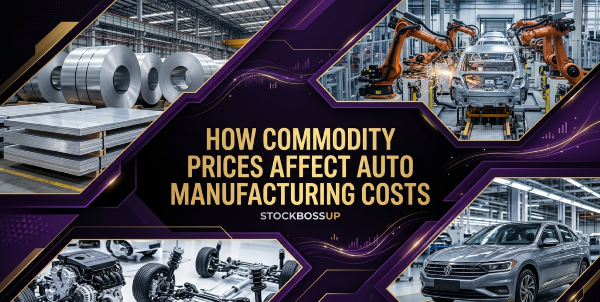
Why Are Commodity Prices a Major Risk?
Auto manufacturing depends on commodities like steel, aluminum, copper, and lithium.
When commodity prices rise, production costs increase.
This affects profitability quickly.
Battery materials are especially volatile in the EV market.
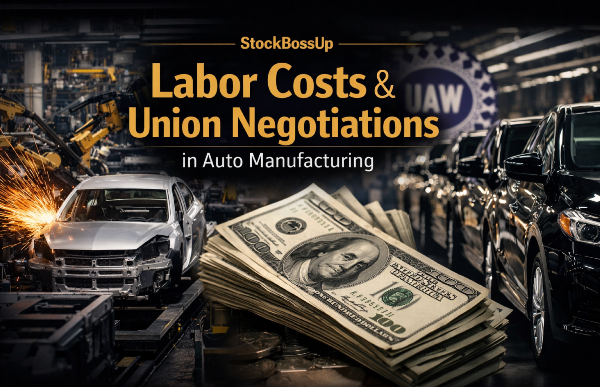
Why Do Labor Disputes Affect Stock Prices?
Labor strikes and union disputes can disrupt production.
Even short shutdowns reduce output and revenue.
Investors often react negatively when negotiations become unstable.
Labor costs also continue rising in many manufacturing regions.
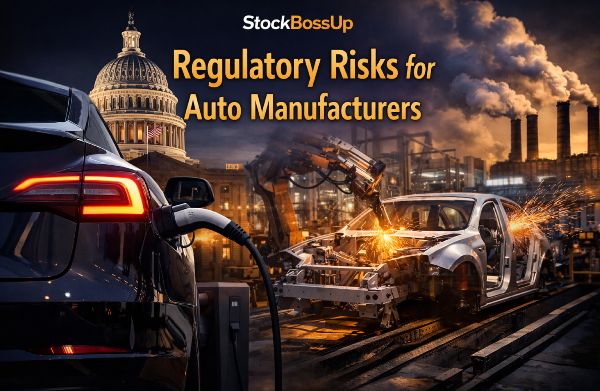
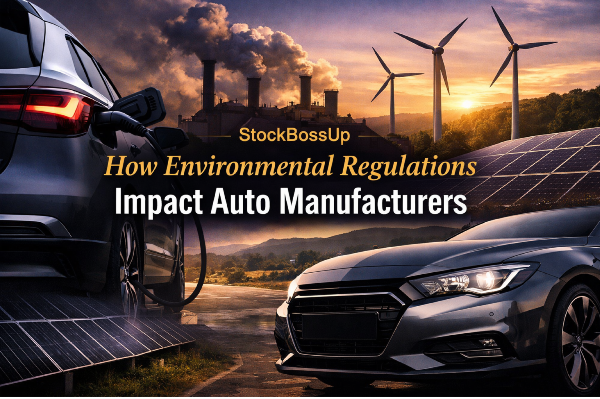
Why Are Regulatory Changes Creating Uncertainty?
Governments are introducing stricter rules on:
- Emissions
- Fuel efficiency
- Data privacy
- Battery recycling
- Autonomous driving systems
These regulations increase compliance costs.
Automakers must adapt quickly or risk penalties and market restrictions.
| Regulatory Risk |
Industry Impact |
Financial Pressure |
| Emissions regulations |
EV transition costs |
High |
| Safety standards |
Testing expenses |
Medium–High |
| Data privacy laws |
Software costs |
Medium |
| Battery recycling rules |
Supply chain changes |
Medium |
Why Is Technology Becoming a Risk Factor?
Modern vehicles rely heavily on software.
This creates new risks related to:
- Cybersecurity
- Software failures
- Over-the-air update problems
- Autonomous driving errors
Technology failures can damage both reputation and investor confidence.
A unique trend is that some automakers now employ more software engineers than mechanical engineers for certain vehicle programs.
Why Are Global Markets Increasing Volatility?
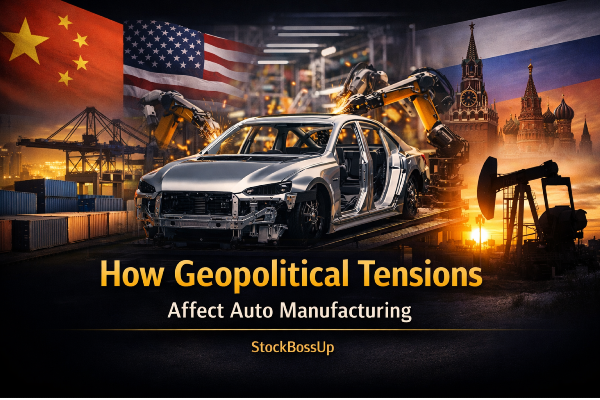
Auto manufacturers operate globally.
This exposes them to:
- Currency fluctuations
- Trade restrictions
- Political instability
- Tariffs
These factors can affect profits even when vehicle sales remain stable.
Why Do Consumer Preferences Create Uncertainty?
Consumer preferences change quickly.
Demand can shift between:
- SUVs and sedans
- Gas vehicles and EVs
- Luxury and budget models
Automakers that fail to predict trends may lose market share.
This creates inventory and pricing risks.
| Consumer Shift |
Industry Impact |
Risk Level |
| Shift to EVs |
Product redesign |
High |
| Demand for low-cost cars |
Margin pressure |
Medium |
| Preference for tech features |
Software costs |
Medium |
| Declining luxury demand |
Profit reduction |
Medium–High |
Why Are Profit Margins Often Thin?
Auto manufacturing is highly competitive.
Even strong companies often operate with thin profit margins.
This means small disruptions can have large financial effects.
High fixed costs make flexibility difficult during downturns.
Why Are Autonomous Vehicles Creating Investment Risk?
Autonomous driving technology requires huge investment.
Companies spend billions developing systems that may take years to become profitable.
If adoption is slower than expected, returns on investment may disappoint investors.
Why Do Stock Valuations Swing So Quickly?
Auto stocks often react strongly to news.
Small changes in:
- Production forecasts
- Sales numbers
- recalls
- supply chain updates
can quickly move stock prices.
This creates high volatility for investors.
What Is the Real Long-Term Risk for Auto Manufacturer Stocks?
The biggest long-term risk is failure to adapt.
The auto industry is changing rapidly through electrification, software integration, and global competition.
Companies that cannot adjust may lose relevance.
The solution is not avoiding risk entirely. Risk is built into the industry.
The companies most likely to succeed are those that remain flexible, manage costs carefully, and adapt faster than competitors.
In the end, auto manufacturer stocks are shaped by more than vehicle sales. They are shaped by technology, regulation, global economics, and the ability to evolve during constant change.









🔑 Key Takeaways: Biggest Risks Facing Auto Manufacturer Stocks
📉 Auto manufacturer stocks are highly vulnerable to economic slowdowns and weak consumer demand
Because vehicles are expensive purchases, rising interest rates, inflation, and economic uncertainty can quickly reduce car sales. Lower demand directly impacts automaker revenue, profitability, and stock performance.
⚡ The transition to electric vehicles creates major financial and operational risks for legacy automakers
Traditional automakers must invest billions into EV technology while still supporting gas-powered vehicle production. This costly transition increases pressure on profit margins, supply chains, and long-term competitiveness.
🌍 Global supply chains, commodity prices, and regulatory changes increase industry-wide uncertainty
Auto manufacturers depend on complex international supply chains and volatile raw material markets. At the same time, stricter emissions, safety, and data regulations continue raising compliance costs and operational risk.
💻 Technology disruption and rising competition are reshaping the future of auto manufacturer stocks
EV startups, software-driven vehicles, and autonomous driving systems are forcing traditional automakers to adapt quickly. Companies that fail to innovate or manage technology risks may lose market share and investor confidence.
Biggest Risks Facing Auto Manufacturer Stocks
Auto manufacturer stocks can look attractive during strong economic periods. Car sales rise, factories stay busy, and profits often grow quickly. But the auto industry is also one of the most unpredictable sectors in the market.
The problem for investors is that many risks in the industry build slowly before causing sudden damage. A company may appear stable for years and then face major losses from supply chain failures, recalls, or falling demand.
The industry is changing faster than ever. Electric vehicles, software systems, automation, and global competition are reshaping how automakers operate. Investors now face a difficult question. Which risks are temporary, and which ones could permanently change the future of auto manufacturer stocks?
Understanding these risks is critical because auto companies operate with high costs, thin margins, and heavy global exposure.
Why Are Auto Manufacturer Stocks So Sensitive to Economic Cycles?
Auto manufacturers depend heavily on consumer spending.
Cars are expensive purchases, and buyers often delay them during economic uncertainty.
When interest rates rise or unemployment increases, vehicle sales usually decline.
This directly affects revenue and profits.
A lesser-known fact is that during severe economic downturns, some automakers have experienced inventory buildups so large that thousands of unsold vehicles remained parked for months before being shipped to dealerships.
Why Do High Production Costs Create Financial Risk?
Auto manufacturing requires enormous investment.
Companies spend heavily on:
These fixed costs remain high even when vehicle demand weakens.
This creates pressure on profitability during slow sales periods.
Why Are Supply Chain Problems Still a Major Threat?
Modern auto manufacturing depends on global supply chains.
Even one missing part can stop production.
Supply chain disruptions increase costs and reduce output.
Semiconductors, batteries, and specialized materials remain major risk areas.
Investors now pay close attention to supply chain resilience when evaluating auto stocks.
Why Is the EV Transition Risky for Legacy Automakers?
Electric vehicles are changing the industry rapidly.
Legacy automakers must invest billions into EV development while still producing gas-powered vehicles.
This creates financial pressure.
Companies must manage two systems at once.
If the transition moves too slowly, companies risk losing market share. If it moves too quickly, profits from traditional vehicles may decline too fast.
Why Do Interest Rates Affect Auto Stocks So Strongly?
Most vehicles are financed through loans.
When interest rates rise, monthly payments increase.
This reduces affordability for consumers.
Lower affordability often leads to weaker sales.
Higher rates also increase borrowing costs for automakers themselves.
Why Are Recalls Dangerous for Investors?
Vehicle recalls can damage both profits and reputation.
Large recalls create repair costs, legal risks, and negative publicity.
Investors often react quickly to recall announcements.
A surprising detail is that some major recalls have reduced billions of dollars in market value from auto manufacturers within days of public announcements.
This shows how sensitive investor confidence can be.
Why Is Competition Increasing Across the Industry?
Competition is growing from multiple directions.
Traditional automakers compete against:
This increases pricing pressure and reduces profit margins.
Why Are Commodity Prices a Major Risk?
Auto manufacturing depends on commodities like steel, aluminum, copper, and lithium.
When commodity prices rise, production costs increase.
This affects profitability quickly.
Battery materials are especially volatile in the EV market.
Why Do Labor Disputes Affect Stock Prices?
Labor strikes and union disputes can disrupt production.
Even short shutdowns reduce output and revenue.
Investors often react negatively when negotiations become unstable.
Labor costs also continue rising in many manufacturing regions.
Why Are Regulatory Changes Creating Uncertainty?
Governments are introducing stricter rules on:
These regulations increase compliance costs.
Automakers must adapt quickly or risk penalties and market restrictions.
Why Is Technology Becoming a Risk Factor?
Modern vehicles rely heavily on software.
This creates new risks related to:
Technology failures can damage both reputation and investor confidence.
A unique trend is that some automakers now employ more software engineers than mechanical engineers for certain vehicle programs.
Why Are Global Markets Increasing Volatility?
Auto manufacturers operate globally.
This exposes them to:
These factors can affect profits even when vehicle sales remain stable.
Why Do Consumer Preferences Create Uncertainty?
Consumer preferences change quickly.
Demand can shift between:
Automakers that fail to predict trends may lose market share.
This creates inventory and pricing risks.
Why Are Profit Margins Often Thin?
Auto manufacturing is highly competitive.
Even strong companies often operate with thin profit margins.
This means small disruptions can have large financial effects.
High fixed costs make flexibility difficult during downturns.
Why Are Autonomous Vehicles Creating Investment Risk?
Autonomous driving technology requires huge investment.
Companies spend billions developing systems that may take years to become profitable.
If adoption is slower than expected, returns on investment may disappoint investors.
Why Do Stock Valuations Swing So Quickly?
Auto stocks often react strongly to news.
Small changes in:
can quickly move stock prices.
This creates high volatility for investors.
What Is the Real Long-Term Risk for Auto Manufacturer Stocks?
The biggest long-term risk is failure to adapt.
The auto industry is changing rapidly through electrification, software integration, and global competition.
Companies that cannot adjust may lose relevance.
The solution is not avoiding risk entirely. Risk is built into the industry.
The companies most likely to succeed are those that remain flexible, manage costs carefully, and adapt faster than competitors.
In the end, auto manufacturer stocks are shaped by more than vehicle sales. They are shaped by technology, regulation, global economics, and the ability to evolve during constant change.