Evaluating the Potential Risks of Large-Cap Stocks
Introduction
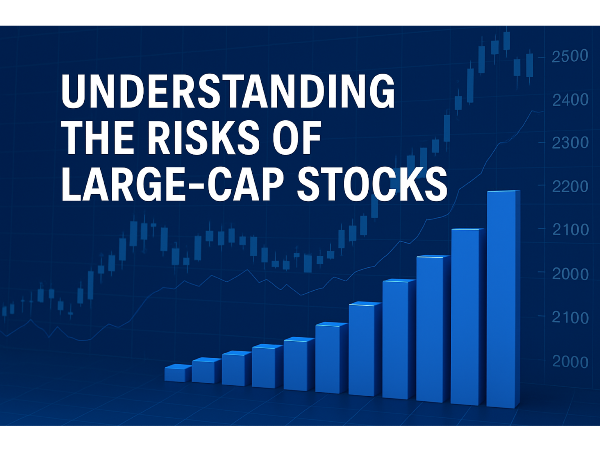
Large-cap stocks are a fundamental component of diversified investment portfolios, offering stability and long-term growth potential. These stocks represent well-established companies with strong market positions, making them attractive to investors seeking reliable returns. However, despite their advantages, large-cap stocks are not without risks. Market volatility, sector-specific challenges, and economic downturns can impact their performance. Investors must evaluate key factors such as valuation concerns, dividend stability, and competitive pressures to make informed decisions when investing in large-cap stocks.
Market Volatility and Economic Sensitivity
Economic reports, geopolitical events, and changes in fiscal policies can trigger price swings. Investor sentiment plays a significant role in volatility, as optimism can drive prices higher while uncertainty can lead to sell-offs. Companies like Apple AAPL and Microsoft MSFT often experience price movements based on earnings reports and macroeconomic trends. Economic downturns impact large-cap stock valuations by influencing corporate earnings and consumer spending. During recessions, companies with strong balance sheets and diversified revenue streams tend to perform better than those reliant on cyclical industries. Defensive sectors, such as healthcare and consumer staples, often provide stability, while technology and financial stocks may experience sharper declines.
Strategies for mitigating volatility risks in large-cap investing include diversification, sector allocation, and portfolio rebalancing. Holding a mix of growth and value stocks within large-cap funds can help reduce exposure to market swings. Additionally, investing in dividend-paying large-cap stocks enhances portfolio stability by providing consistent income.
Sources:
Volatility: Riding the Waves with Large Cap Stocks
10 Best Volatile Large Cap Stocks in 2025
June 2025 US Stock Market Outlook
Sector-Specific Risks in Large-Cap Investing
The technology sector faces unique risks due to rapid innovation cycles and regulatory challenges. Companies like Nvidia NVDA and Microsoft MSFT must continuously invest in research and development to maintain their competitive edge. Regulatory scrutiny, including antitrust investigations and data privacy laws, can impact profitability and market valuations. Healthcare sector risks stem from policy changes and drug approval processes. Large-cap pharmaceutical companies, such as Johnson & Johnson JNJ, rely on successful drug development and regulatory approvals to sustain growth. Shifts in healthcare regulations, pricing controls, and patent expirations can affect revenue streams.
Financial sector risks are influenced by interest rate fluctuations and credit exposure. Large-cap banks and financial institutions, including JPMorgan Chase JPM, are sensitive to changes in Federal Reserve policies. Rising interest rates can improve profit margins on loans but may also reduce borrowing demand. Credit market instability and economic downturns can lead to increased loan defaults, affecting financial sector performance.
Sources:
Understanding Sector Investing
Sector Risk in Stocks and Bonds
Large-Cap Funds: Risks and Benefits
Growth Limitations and Competitive Pressures
Large-cap stocks often experience slower growth compared to mid-cap and small-cap stocks due to their size and market saturation. While these companies have established revenue streams and strong brand recognition, their ability to expand rapidly is constrained by regulatory oversight and operational complexity. Unlike smaller firms that can pivot quickly, large-cap companies must navigate bureaucratic hurdles and competitive pressures, limiting their agility in responding to market shifts. Competitive threats from emerging companies and disruptive technologies pose significant challenges to large-cap stocks. Startups and mid-cap firms often introduce innovative solutions that challenge industry incumbents. For example, fintech companies are reshaping the financial sector, posing risks to traditional banking giants like JPMorgan Chase JPM. Similarly, advancements in artificial intelligence and cloud computing are intensifying competition for established tech firms such as Microsoft MSFT. Large-cap companies must continuously invest in research and development to maintain their market dominance.
To adapt and sustain leadership, large-cap firms implement strategic acquisitions, diversify revenue streams, and enhance operational efficiencies. Companies like Apple AAPL leverage acquisitions to integrate emerging technologies, ensuring continued innovation. Additionally, large-cap firms expand into new markets and optimize supply chains to maintain profitability.
Sources:
Polen Capital
EBC Financial Group
Harbor Capital
Dividend Stability and Payout Risks
Dividend consistency in large-cap stocks depends on several factors, including corporate earnings, cash flow stability, and industry trends. Companies with strong financials and predictable revenue streams tend to maintain steady dividend payouts. Firms like Coca-Cola KO and Johnson & Johnson JNJ have a history of reliable dividends due to their diversified business models and consistent cash flow generation. Economic downturns can impact dividend payouts, particularly for companies in cyclical industries. Large-cap stocks in defensive sectors, such as consumer staples and healthcare, tend to fare better, sustaining dividend payments even in challenging economic conditions.
Evaluating dividend-paying large-cap stocks for long-term income involves assessing payout ratios, dividend growth rates, and sector stability. Companies with low payout ratios have greater flexibility to maintain dividends during economic downturns. Additionally, firms with a history of increasing dividends demonstrate financial strength and shareholder commitment.
Sources:
Investing in Dividend Stocks: The Stability of Warren Buffett's Picks
Large Cap Stocks Lead Recovery After Recent Market Correction Phase
Buy This Outstanding Dividend Stock While It's Down
Valuation Concerns and Overpricing Risks
Large-cap stocks can become overvalued in bullish markets when investor optimism drives prices beyond fundamental valuations. During market rallies, stocks with strong brand recognition and consistent earnings growth often attract excessive demand, leading to inflated price-to-earnings (P/E) ratios. Companies like Nvidia NVDA and Apple AAPL have experienced valuation surges during tech-driven market expansions. Price-to-earnings ratios play a crucial role in assessing stock valuation. A high P/E ratio suggests that investors expect strong future earnings growth, but it can also signal overpricing. Conversely, a low P/E ratio may indicate undervaluation or potential financial instability. Investors should compare P/E ratios across industry peers and historical averages to determine whether a large-cap stock is fairly valued.
Strategies for identifying undervalued large-cap stocks involve analyzing financial metrics, sector trends, and market sentiment. Investors can look for companies with strong fundamentals but temporarily depressed valuations due to short-term market fluctuations. Stocks with low P/E ratios, high dividend yields, and stable revenue growth often present attractive opportunities. Additionally, focusing on sectors poised for long-term expansion, such as clean energy and artificial intelligence, can help investors find undervalued large-cap stocks.
Sources:
Do valuations correlate to long-term returns?
Small Caps vs. Large Caps: The Cycle That’s About to Turn
Value stocks: Underweight and unaware?
Future Outlook and Investment Considerations
Investors are likely to favor large-cap stocks for their stability and ability to generate consistent returns, particularly in sectors such as technology and healthcare. As artificial intelligence and clean energy drive innovation, large-cap firms positioned in these industries may experience sustained growth. Emerging market forces are shaping large-cap stock strategies, influencing fund allocations and investor preferences. Companies adapting to digital finance, automation, and sustainability initiatives are expected to see increased valuations. Additionally, geopolitical developments and regulatory shifts will play a role in shaping investment strategies for large-cap stocks.
Economic indicators influencing large-cap stock allocations include interest rate policies, inflation trends, and corporate earnings reports. The Federal Reserve’s monetary decisions will impact investor sentiment, affecting stock valuations and sector performance. Large-cap stocks with exposure to defensive industries, such as consumer staples and healthcare, may provide stability during economic uncertainty. Investors must analyze macroeconomic trends to optimize portfolio strategies and ensure alignment with prevailing market conditions.
Conclusion
Large-cap stocks offer stability and long-term growth potential, but they are not without risks. Market volatility, sector-specific challenges, and valuation concerns can impact their performance, requiring investors to assess economic trends and competitive pressures. By diversifying portfolios and monitoring macroeconomic indicators, investors can mitigate risks while capitalizing on the strengths of large-cap stocks.
Expert Analysis
Strategic Insights on Managing Large-Cap Stock Risks
Investing in large-cap stocks requires careful risk assessment, as these companies, despite their stability, are not immune to market fluctuations. Investors should focus on sector-specific risks, valuation concerns, and competitive pressures when selecting large-cap stocks. While these stocks offer long-term reliability, understanding their vulnerabilities ensures a well-balanced portfolio that can withstand economic shifts.
📌Read More About:
Top Large Cap Stocks- https://stockbossup.com/pages/topics/large-cap
What Are Large US Cap Stocks?- https://stockbossup.com/pages/post/39045/understanding-large-us-cap-stocks-and-their-market-influence
What Percentage of the Market is Large Cap?- https://stockbossup.com/pages/post/39124/what-percentage-of-the-stock-market-is-large-cap-market-breakdown-and-investment-insights
What Are the Disadvantages of Large Cap Funds?- https://stockbossup.com/pages/post/38784/what-are-the-disadvantages-of-large-cap-funds
















Evaluating the Potential Risks of Large-Cap Stocks
Introduction
Large-cap stocks are a fundamental component of diversified investment portfolios, offering stability and long-term growth potential. These stocks represent well-established companies with strong market positions, making them attractive to investors seeking reliable returns. However, despite their advantages, large-cap stocks are not without risks. Market volatility, sector-specific challenges, and economic downturns can impact their performance. Investors must evaluate key factors such as valuation concerns, dividend stability, and competitive pressures to make informed decisions when investing in large-cap stocks.
Market Volatility and Economic Sensitivity
Economic reports, geopolitical events, and changes in fiscal policies can trigger price swings. Investor sentiment plays a significant role in volatility, as optimism can drive prices higher while uncertainty can lead to sell-offs. Companies like Apple AAPL and Microsoft MSFT often experience price movements based on earnings reports and macroeconomic trends. Economic downturns impact large-cap stock valuations by influencing corporate earnings and consumer spending. During recessions, companies with strong balance sheets and diversified revenue streams tend to perform better than those reliant on cyclical industries. Defensive sectors, such as healthcare and consumer staples, often provide stability, while technology and financial stocks may experience sharper declines.
Strategies for mitigating volatility risks in large-cap investing include diversification, sector allocation, and portfolio rebalancing. Holding a mix of growth and value stocks within large-cap funds can help reduce exposure to market swings. Additionally, investing in dividend-paying large-cap stocks enhances portfolio stability by providing consistent income.
Sources:
Volatility: Riding the Waves with Large Cap Stocks
10 Best Volatile Large Cap Stocks in 2025
June 2025 US Stock Market Outlook
Sector-Specific Risks in Large-Cap Investing
The technology sector faces unique risks due to rapid innovation cycles and regulatory challenges. Companies like Nvidia NVDA and Microsoft MSFT must continuously invest in research and development to maintain their competitive edge. Regulatory scrutiny, including antitrust investigations and data privacy laws, can impact profitability and market valuations. Healthcare sector risks stem from policy changes and drug approval processes. Large-cap pharmaceutical companies, such as Johnson & Johnson JNJ, rely on successful drug development and regulatory approvals to sustain growth. Shifts in healthcare regulations, pricing controls, and patent expirations can affect revenue streams.
Financial sector risks are influenced by interest rate fluctuations and credit exposure. Large-cap banks and financial institutions, including JPMorgan Chase JPM, are sensitive to changes in Federal Reserve policies. Rising interest rates can improve profit margins on loans but may also reduce borrowing demand. Credit market instability and economic downturns can lead to increased loan defaults, affecting financial sector performance.
Sources:
Understanding Sector Investing
Sector Risk in Stocks and Bonds
Large-Cap Funds: Risks and Benefits
Growth Limitations and Competitive Pressures
Large-cap stocks often experience slower growth compared to mid-cap and small-cap stocks due to their size and market saturation. While these companies have established revenue streams and strong brand recognition, their ability to expand rapidly is constrained by regulatory oversight and operational complexity. Unlike smaller firms that can pivot quickly, large-cap companies must navigate bureaucratic hurdles and competitive pressures, limiting their agility in responding to market shifts. Competitive threats from emerging companies and disruptive technologies pose significant challenges to large-cap stocks. Startups and mid-cap firms often introduce innovative solutions that challenge industry incumbents. For example, fintech companies are reshaping the financial sector, posing risks to traditional banking giants like JPMorgan Chase JPM. Similarly, advancements in artificial intelligence and cloud computing are intensifying competition for established tech firms such as Microsoft MSFT. Large-cap companies must continuously invest in research and development to maintain their market dominance.
To adapt and sustain leadership, large-cap firms implement strategic acquisitions, diversify revenue streams, and enhance operational efficiencies. Companies like Apple AAPL leverage acquisitions to integrate emerging technologies, ensuring continued innovation. Additionally, large-cap firms expand into new markets and optimize supply chains to maintain profitability.
Sources:
Polen Capital
EBC Financial Group
Harbor Capital
Dividend Stability and Payout Risks
Dividend consistency in large-cap stocks depends on several factors, including corporate earnings, cash flow stability, and industry trends. Companies with strong financials and predictable revenue streams tend to maintain steady dividend payouts. Firms like Coca-Cola KO and Johnson & Johnson JNJ have a history of reliable dividends due to their diversified business models and consistent cash flow generation. Economic downturns can impact dividend payouts, particularly for companies in cyclical industries. Large-cap stocks in defensive sectors, such as consumer staples and healthcare, tend to fare better, sustaining dividend payments even in challenging economic conditions.
Evaluating dividend-paying large-cap stocks for long-term income involves assessing payout ratios, dividend growth rates, and sector stability. Companies with low payout ratios have greater flexibility to maintain dividends during economic downturns. Additionally, firms with a history of increasing dividends demonstrate financial strength and shareholder commitment.
Sources:
Investing in Dividend Stocks: The Stability of Warren Buffett's Picks
Large Cap Stocks Lead Recovery After Recent Market Correction Phase
Buy This Outstanding Dividend Stock While It's Down
Valuation Concerns and Overpricing Risks
Large-cap stocks can become overvalued in bullish markets when investor optimism drives prices beyond fundamental valuations. During market rallies, stocks with strong brand recognition and consistent earnings growth often attract excessive demand, leading to inflated price-to-earnings (P/E) ratios. Companies like Nvidia NVDA and Apple AAPL have experienced valuation surges during tech-driven market expansions. Price-to-earnings ratios play a crucial role in assessing stock valuation. A high P/E ratio suggests that investors expect strong future earnings growth, but it can also signal overpricing. Conversely, a low P/E ratio may indicate undervaluation or potential financial instability. Investors should compare P/E ratios across industry peers and historical averages to determine whether a large-cap stock is fairly valued.
Strategies for identifying undervalued large-cap stocks involve analyzing financial metrics, sector trends, and market sentiment. Investors can look for companies with strong fundamentals but temporarily depressed valuations due to short-term market fluctuations. Stocks with low P/E ratios, high dividend yields, and stable revenue growth often present attractive opportunities. Additionally, focusing on sectors poised for long-term expansion, such as clean energy and artificial intelligence, can help investors find undervalued large-cap stocks.
Sources:
Do valuations correlate to long-term returns?
Small Caps vs. Large Caps: The Cycle That’s About to Turn
Value stocks: Underweight and unaware?
Future Outlook and Investment Considerations
Investors are likely to favor large-cap stocks for their stability and ability to generate consistent returns, particularly in sectors such as technology and healthcare. As artificial intelligence and clean energy drive innovation, large-cap firms positioned in these industries may experience sustained growth. Emerging market forces are shaping large-cap stock strategies, influencing fund allocations and investor preferences. Companies adapting to digital finance, automation, and sustainability initiatives are expected to see increased valuations. Additionally, geopolitical developments and regulatory shifts will play a role in shaping investment strategies for large-cap stocks.
Economic indicators influencing large-cap stock allocations include interest rate policies, inflation trends, and corporate earnings reports. The Federal Reserve’s monetary decisions will impact investor sentiment, affecting stock valuations and sector performance. Large-cap stocks with exposure to defensive industries, such as consumer staples and healthcare, may provide stability during economic uncertainty. Investors must analyze macroeconomic trends to optimize portfolio strategies and ensure alignment with prevailing market conditions.
Conclusion
Large-cap stocks offer stability and long-term growth potential, but they are not without risks. Market volatility, sector-specific challenges, and valuation concerns can impact their performance, requiring investors to assess economic trends and competitive pressures. By diversifying portfolios and monitoring macroeconomic indicators, investors can mitigate risks while capitalizing on the strengths of large-cap stocks.
Expert Analysis
Strategic Insights on Managing Large-Cap Stock Risks Investing in large-cap stocks requires careful risk assessment, as these companies, despite their stability, are not immune to market fluctuations. Investors should focus on sector-specific risks, valuation concerns, and competitive pressures when selecting large-cap stocks. While these stocks offer long-term reliability, understanding their vulnerabilities ensures a well-balanced portfolio that can withstand economic shifts.
📌Read More About:
Top Large Cap Stocks- https://stockbossup.com/pages/topics/large-cap
What Are Large US Cap Stocks?- https://stockbossup.com/pages/post/39045/understanding-large-us-cap-stocks-and-their-market-influence
What Percentage of the Market is Large Cap?- https://stockbossup.com/pages/post/39124/what-percentage-of-the-stock-market-is-large-cap-market-breakdown-and-investment-insights
What Are the Disadvantages of Large Cap Funds?- https://stockbossup.com/pages/post/38784/what-are-the-disadvantages-of-large-cap-funds