Why Do Legacy Automakers Face Bigger Challenges Than New EV Brands?
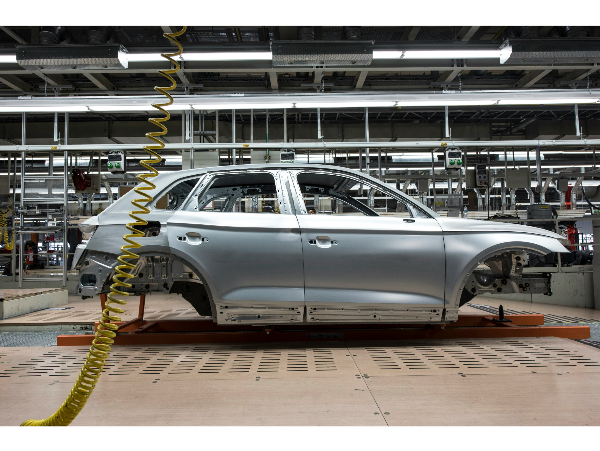
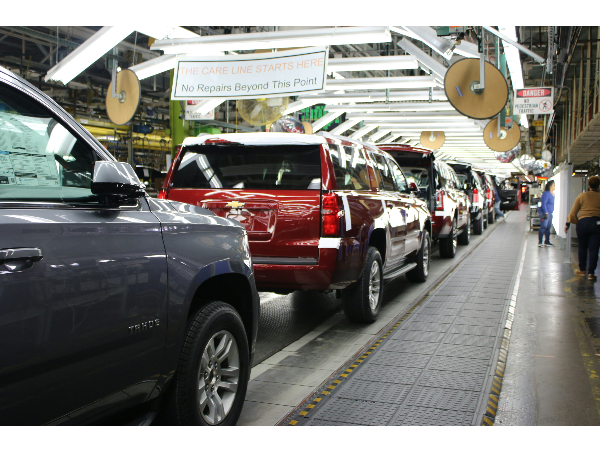
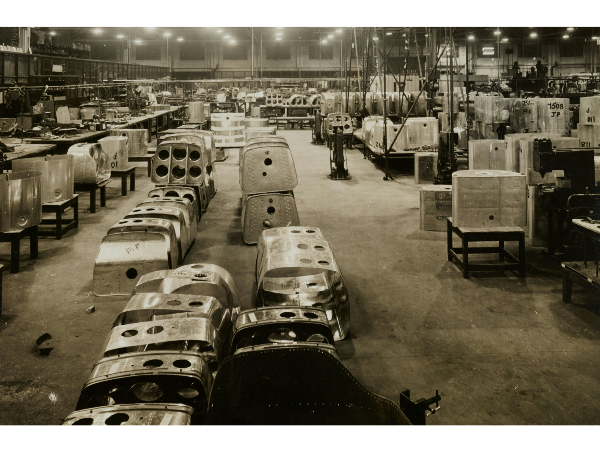
Legacy automakers carry decades of history. They have large factories, complex supply chains, and millions of customers. These strengths can also become weaknesses. Switching from gas engines to electric motors requires new tools, new skills, and new materials.
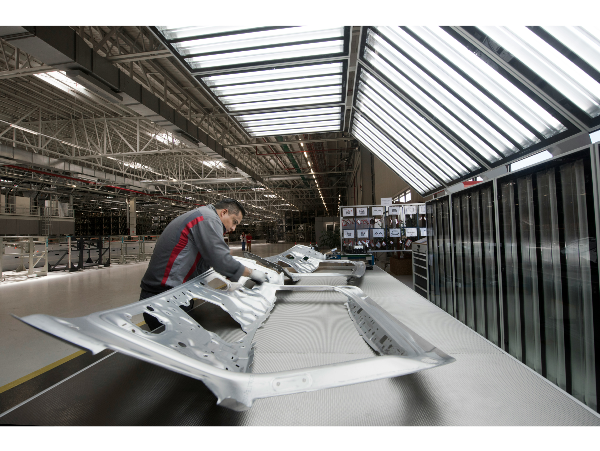
New EV brands start fresh. They build factories designed for EVs. They hire workers with software and battery expertise. Legacy automakers must retrain workers and redesign factories.
Legacy companies also face pressure from investors. They must keep selling gas vehicles to fund EV development. This creates a difficult balance.
Below is a simple comparison of legacy vs. new EV brands:
Category Legacy Automakers New EV Brands
Factories Built for gas engines Built for EVs
Workforce Needs retraining EV‑focused
Supply chain Complex More flexible
Brand history Strong Growing
These differences shape how each company transitions to EV leadership.
Why Is General Motors Pushing Hard Toward an All‑Electric Future?
General Motors (GM) plans to go all‑electric in the coming years. It is investing billions in EV factories and battery plants. GM’s Ultium platform supports many EV models. This helps reduce cost and increase scale.
GM is launching electric trucks, SUVs, and crossovers. It also owns a majority stake in Cruise, an autonomous vehicle company. Cruise is testing self‑driving cars in several cities.
GM faces challenges with battery supply and production delays. But its early investment in EV platforms gives it a strong foundation.
One interesting detail is that GM’s battery recycling systems can recover more than 95% of key materials, reducing long‑term costs.
Why Is Ford Transforming Its Lineup Faster Than Expected?
Ford is known for trucks and SUVs. Its F‑Series trucks are among the best‑selling vehicles in the U.S. Ford is now electrifying its most popular models. The F‑150 Lightning and Mustang Mach‑E show how serious Ford is about EVs.
Ford is building new battery plants and EV factories. It is also improving its software systems. Ford’s BlueCruise technology offers hands‑free driving on approved highways.
Ford faces challenges with rising costs and supply chain issues. But its strong brand and loyal customers give it an advantage.
Below is a comparison of Ford’s EV strengths:
Strength Area Impact on EV Transition
Truck lineup High demand
EV expansion Strong growth
Software upgrades New revenue
Battery investment Long‑term stability
Ford is becoming a major EV competitor.
Why Is Volkswagen Group Becoming a Global EV Powerhouse?
Volkswagen Group (VW) owns brands like Volkswagen, Audi, Porsche, and Skoda. It is investing heavily in EVs. VW’s MEB platform supports many electric models. This helps reduce cost and increase scale.
VW plans to build multiple battery factories across Europe. It is also improving its software systems. Audi and Porsche are launching premium EVs with strong performance.
VW faces challenges with software delays and rising competition. But its size and resources give it a strong advantage.
Why Is Mercedes‑Benz Leading in Luxury EV Innovation?
Mercedes‑Benz is known for luxury and engineering. It is expanding its electric lineup with the EQ series. These vehicles offer long range, advanced safety, and strong performance.
Mercedes is developing its own operating system. This system will improve connectivity and software updates. Mercedes also uses advanced sensors and AI to improve safety.
Mercedes faces rising competition from Tesla and BMW. But its luxury focus helps protect margins.
Below is a comparison of Mercedes’ EV strengths:
Strength Area Impact on EV Leadership
Luxury branding High margins
EV technology Strong performance
Safety systems Strong reputation
Global reach Stable demand
Mercedes is becoming a leader in luxury EVs.
Why Is BMW Using Flexibility to Stay Competitive?
BMW is known for performance and engineering. It uses flexible platforms that support both gas and electric vehicles. This helps reduce cost and increase efficiency.
BMW’s EV models, like the i4 and iX, offer strong performance and advanced technology. BMW also uses recycled materials to improve sustainability.
A unique detail is that BMW uses recycled fishing nets to create some interior materials, reducing waste and improving sustainability.
BMW faces challenges with rising battery costs. But its engineering strength helps it stay competitive.
Why Is Stellantis Taking a Different Approach to EV Leadership?
Stellantis owns brands like Jeep, Dodge, Ram, Peugeot, and Fiat. It focuses on cost control and efficiency. Stellantis is launching many new EV models across its brands.
Jeep is developing electric off‑road vehicles. Dodge is developing electric performance cars. Fiat is focusing on small, affordable EVs.
Stellantis faces challenges with older factories and brand complexity. But its wide portfolio gives it strong global reach.
Below is a look at Stellantis’ EV strengths:
Brand EV Focus Market Impact
Jeep Electric off‑road Strong demand
Dodge Electric performance Niche appeal
Fiat Affordable EVs Urban markets
Stellantis is becoming a major EV competitor.
Why Are Japanese Automakers Taking Slower but Strategic Paths?
Japanese automakers have different strategies for EV adoption. Toyota focuses on hybrids and solid‑state batteries. Honda focuses on partnerships. Nissan focuses on EVs like the Leaf and Ariya.
These strategies reflect different views of the future. Some companies believe hybrids will remain important. Others believe EVs will dominate.
Below is a comparison of Japanese EV strategies:
Company EV Strategy Strength
Toyota Hybrids + solid‑state Reliability
Honda Partnerships Flexibility
Nissan Full EV lineup Early experience
Japan’s diverse strategies create different investment opportunities.
Why Do Supply Chains Decide Which Legacy Automakers Succeed?
Supply chains affect production, pricing, and delivery times. Companies with strong supply chains can build more EVs and reduce delays. Companies with weak supply chains face higher costs and lower sales.
Battery supply is especially important. Legacy automakers need steady access to lithium, nickel, and cobalt. They also need strong relationships with battery suppliers.
Below is a comparison of supply chain strength:
Company Supply Chain Strength Risk Level
Toyota Very strong Low
GM Improving Medium
Ford Expanding partnerships Medium‑High
VW Strong battery plans Medium
Supply chain strength often predicts EV success.
Why Does Software Decide Which Legacy Automakers Become EV Leaders?
Software is becoming the most important part of modern vehicles. It controls safety systems, navigation, entertainment, and performance. Legacy automakers must shift from mechanical engineering to digital engineering.
Some companies now update vehicles through over‑the‑air updates. These updates improve features without requiring a visit to the dealership. This creates new revenue streams.
Software also affects manufacturing. Factories use digital twins to simulate production lines. This reduces errors and speeds up planning.
Below is a comparison of software‑driven features:
Feature Type Traditional Vehicles Modern EVs
Updates Dealer visit OTA updates
Safety Mechanical Sensor‑based
Navigation Basic Real‑time
Software will shape the future of EV leadership.
Why Does the Real Answer to “Which Legacy Automakers Will Lead EVs?” Depend on Strategy?
The EV market is changing fast. Battery supply, software, charging networks, and global competition are reshaping the industry. The real solution to the problem introduced at the start is not to focus only on sales or brand history. It is to understand which companies have strategies built for the future.
Legacy automakers that adapt quickly will lead the next era. Those that rely on old methods will fall behind. Investors and industry watchers who understand these trends will be better prepared for long‑term success.
















Why Do Legacy Automakers Face Bigger Challenges Than New EV Brands? Legacy automakers carry decades of history. They have large factories, complex supply chains, and millions of customers. These strengths can also become weaknesses. Switching from gas engines to electric motors requires new tools, new skills, and new materials.
New EV brands start fresh. They build factories designed for EVs. They hire workers with software and battery expertise. Legacy automakers must retrain workers and redesign factories.
Legacy companies also face pressure from investors. They must keep selling gas vehicles to fund EV development. This creates a difficult balance.
Below is a simple comparison of legacy vs. new EV brands:
Category Legacy Automakers New EV Brands Factories Built for gas engines Built for EVs Workforce Needs retraining EV‑focused Supply chain Complex More flexible Brand history Strong Growing
These differences shape how each company transitions to EV leadership.
Why Is General Motors Pushing Hard Toward an All‑Electric Future? General Motors (GM) plans to go all‑electric in the coming years. It is investing billions in EV factories and battery plants. GM’s Ultium platform supports many EV models. This helps reduce cost and increase scale.
GM is launching electric trucks, SUVs, and crossovers. It also owns a majority stake in Cruise, an autonomous vehicle company. Cruise is testing self‑driving cars in several cities.
GM faces challenges with battery supply and production delays. But its early investment in EV platforms gives it a strong foundation.
One interesting detail is that GM’s battery recycling systems can recover more than 95% of key materials, reducing long‑term costs.
Why Is Ford Transforming Its Lineup Faster Than Expected? Ford is known for trucks and SUVs. Its F‑Series trucks are among the best‑selling vehicles in the U.S. Ford is now electrifying its most popular models. The F‑150 Lightning and Mustang Mach‑E show how serious Ford is about EVs.
Ford is building new battery plants and EV factories. It is also improving its software systems. Ford’s BlueCruise technology offers hands‑free driving on approved highways.
Ford faces challenges with rising costs and supply chain issues. But its strong brand and loyal customers give it an advantage.
Below is a comparison of Ford’s EV strengths:
Strength Area Impact on EV Transition Truck lineup High demand EV expansion Strong growth Software upgrades New revenue Battery investment Long‑term stability
Ford is becoming a major EV competitor.
Why Is Volkswagen Group Becoming a Global EV Powerhouse? Volkswagen Group (VW) owns brands like Volkswagen, Audi, Porsche, and Skoda. It is investing heavily in EVs. VW’s MEB platform supports many electric models. This helps reduce cost and increase scale.
VW plans to build multiple battery factories across Europe. It is also improving its software systems. Audi and Porsche are launching premium EVs with strong performance.
VW faces challenges with software delays and rising competition. But its size and resources give it a strong advantage.
Why Is Mercedes‑Benz Leading in Luxury EV Innovation? Mercedes‑Benz is known for luxury and engineering. It is expanding its electric lineup with the EQ series. These vehicles offer long range, advanced safety, and strong performance.
Mercedes is developing its own operating system. This system will improve connectivity and software updates. Mercedes also uses advanced sensors and AI to improve safety.
Mercedes faces rising competition from Tesla and BMW. But its luxury focus helps protect margins.
Below is a comparison of Mercedes’ EV strengths:
Strength Area Impact on EV Leadership Luxury branding High margins EV technology Strong performance Safety systems Strong reputation Global reach Stable demand
Mercedes is becoming a leader in luxury EVs.
Why Is BMW Using Flexibility to Stay Competitive? BMW is known for performance and engineering. It uses flexible platforms that support both gas and electric vehicles. This helps reduce cost and increase efficiency.
BMW’s EV models, like the i4 and iX, offer strong performance and advanced technology. BMW also uses recycled materials to improve sustainability.
A unique detail is that BMW uses recycled fishing nets to create some interior materials, reducing waste and improving sustainability.
BMW faces challenges with rising battery costs. But its engineering strength helps it stay competitive.
Why Is Stellantis Taking a Different Approach to EV Leadership? Stellantis owns brands like Jeep, Dodge, Ram, Peugeot, and Fiat. It focuses on cost control and efficiency. Stellantis is launching many new EV models across its brands.
Jeep is developing electric off‑road vehicles. Dodge is developing electric performance cars. Fiat is focusing on small, affordable EVs.
Stellantis faces challenges with older factories and brand complexity. But its wide portfolio gives it strong global reach.
Below is a look at Stellantis’ EV strengths:
Brand EV Focus Market Impact Jeep Electric off‑road Strong demand Dodge Electric performance Niche appeal Fiat Affordable EVs Urban markets
Stellantis is becoming a major EV competitor.
Why Are Japanese Automakers Taking Slower but Strategic Paths? Japanese automakers have different strategies for EV adoption. Toyota focuses on hybrids and solid‑state batteries. Honda focuses on partnerships. Nissan focuses on EVs like the Leaf and Ariya.
These strategies reflect different views of the future. Some companies believe hybrids will remain important. Others believe EVs will dominate.
Below is a comparison of Japanese EV strategies:
Company EV Strategy Strength Toyota Hybrids + solid‑state Reliability Honda Partnerships Flexibility Nissan Full EV lineup Early experience
Japan’s diverse strategies create different investment opportunities.
Why Do Supply Chains Decide Which Legacy Automakers Succeed? Supply chains affect production, pricing, and delivery times. Companies with strong supply chains can build more EVs and reduce delays. Companies with weak supply chains face higher costs and lower sales.
Battery supply is especially important. Legacy automakers need steady access to lithium, nickel, and cobalt. They also need strong relationships with battery suppliers.
Below is a comparison of supply chain strength:
Company Supply Chain Strength Risk Level Toyota Very strong Low GM Improving Medium Ford Expanding partnerships Medium‑High VW Strong battery plans Medium
Supply chain strength often predicts EV success.
Why Does Software Decide Which Legacy Automakers Become EV Leaders? Software is becoming the most important part of modern vehicles. It controls safety systems, navigation, entertainment, and performance. Legacy automakers must shift from mechanical engineering to digital engineering.
Some companies now update vehicles through over‑the‑air updates. These updates improve features without requiring a visit to the dealership. This creates new revenue streams.
Software also affects manufacturing. Factories use digital twins to simulate production lines. This reduces errors and speeds up planning.
Below is a comparison of software‑driven features:
Feature Type Traditional Vehicles Modern EVs Updates Dealer visit OTA updates Safety Mechanical Sensor‑based Navigation Basic Real‑time
Software will shape the future of EV leadership.
Why Does the Real Answer to “Which Legacy Automakers Will Lead EVs?” Depend on Strategy? The EV market is changing fast. Battery supply, software, charging networks, and global competition are reshaping the industry. The real solution to the problem introduced at the start is not to focus only on sales or brand history. It is to understand which companies have strategies built for the future.
Legacy automakers that adapt quickly will lead the next era. Those that rely on old methods will fall behind. Investors and industry watchers who understand these trends will be better prepared for long‑term success.