Why Do Interest Rates Change How Much People Can Afford?
Interest rates decide how much buyers pay each month. A small increase can raise monthly payments by hundreds of dollars. This pushes many shoppers out of the market. Even buyers with strong credit feel the pressure.
Most new vehicles are financed. This means interest rates matter more than the sticker price. When rates rise, the cost of borrowing rises too. Buyers respond by choosing cheaper models, delaying purchases, or switching to used cars.
Below is a simple look at how interest rates change monthly payments:
Loan Amount Interest Rate Monthly Payment (60 months)
$30,000 3% $539
$30,000 6% $580
$30,000 9% $622
Even small changes add up fast. This is why automakers watch interest rates closely.
Why Do Higher Rates Slow Down Dealer Traffic?
When interest rates rise, fewer people visit dealerships. Buyers know financing will cost more. They wait for better deals. They also compare more brands before choosing.
Dealers feel this slowdown first. Test drives drop. Trade‑ins drop. Even service visits can fall because fewer people buy new cars. This creates a ripple effect across the entire industry.
Some dealers offer special financing to attract buyers. But these deals cost money. Automakers often help cover the cost, which reduces their profit margins.
Why Do Automakers Adjust Production When Rates Rise?
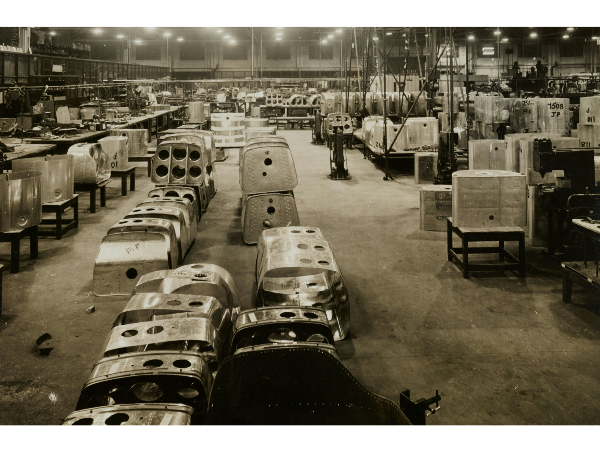
Automakers do not want to build cars that will sit on lots. When interest rates rise and demand falls, they cut production. This prevents excess inventory. It also protects pricing.
But production cuts have side effects. Workers may face reduced hours. Suppliers may receive fewer orders. Shipping networks may slow down. These changes affect profitability across the entire supply chain.
One interesting detail is that some automakers use real‑time sales data to adjust production weekly. This helps them react faster to interest rate changes.
Why Do Incentives Become More Important During High‑Rate Periods?
When interest rates rise, automakers use incentives to keep sales steady. These incentives include cash rebates, low‑rate financing, and lease specials. They help reduce the impact of higher borrowing costs.
But incentives are expensive. They reduce profit per vehicle. Automakers must balance the need for sales with the need for profit. Too many incentives can weaken a brand. Too few can cause sales to drop.
Below is a comparison of common incentive types:
Incentive Type Purpose Effect on Buyers
Cash Rebate Lowers price Makes vehicles more affordable
Low‑Rate Financing Reduces interest cost Helps buyers with tight budgets
Lease Deals Low monthly payments Attracts payment‑focused shoppers
Incentives help, but they cannot fully offset high interest rates.
Why Do Interest Rates Affect Used Car Prices Too?
Used car prices rise and fall with interest rates. When rates rise, fewer people buy new cars. This increases demand for used cars. Prices go up. When rates fall, more people buy new cars. Used car demand drops. Prices fall.
This cycle affects automakers in several ways. Higher used car prices make leasing more attractive. Lower used car prices reduce trade‑in values. Both trends change how buyers shop.
A unique detail is that some automakers track used car prices as closely as new car prices. They use this data to plan future models and pricing strategies.
Why Do Leasing Trends Shift When Rates Change?
Leasing depends on interest rates too. Lease payments include a money factor, which is tied to interest rates. When rates rise, lease payments rise. This makes leasing less attractive.
But leasing can still be cheaper than buying. Automakers sometimes offer special lease deals to keep payments low. These deals help maintain sales even when interest rates are high.
Below is a comparison of how rates affect leasing:
Interest Rate Trend Effect on Leasing Buyer Behavior
Rising Rates Higher payments Fewer leases
Falling Rates Lower payments More leases
Stable Rates Predictable costs Steady demand
Leasing gives automakers flexibility, but it also adds risk when rates change quickly.
Why Do Interest Rates Influence Electric Vehicle Sales Differently?
Electric vehicles (EVs) often cost more upfront. This makes them more sensitive to interest rate changes. When rates rise, EV payments rise more than payments for cheaper gas vehicles. This slows EV adoption.
But EV buyers often have higher incomes. They may be less affected by rate changes. Government incentives also help offset higher costs.
Some EV makers offer special financing to keep demand strong. Others focus on lowering production costs to reduce prices.
Why Do Interest Rates Affect Fleet Sales in Unexpected Ways?
Fleet buyers include rental companies, government agencies, and large businesses. They buy vehicles in bulk. Their decisions depend on interest rates too.
When rates rise, fleet buyers may delay purchases. They may also choose cheaper models. But some fleets buy more vehicles during high‑rate periods to lock in pricing before rates rise further.
Fleet sales help automakers keep factories running. They also help clear inventory. But fleet sales often have lower profit margins.
Below is a look at how fleet buyers respond to rate changes:
Fleet Type Response to High Rates Impact on Automakers
Rental Companies Delay purchases Lower short‑term sales
Government Fixed budgets Stable demand
Corporate Fleets Reduce order size Lower profit per unit
Fleet sales can stabilize the market, but they cannot replace consumer demand.
Why Do Interest Rates Change How Automakers Plan New Models?
Automakers plan new models years in advance. Interest rates influence these plans. When rates are expected to rise, automakers may design cheaper models. When rates are expected to fall, they may design more premium models.
Interest rates also affect research and development budgets. High rates increase borrowing costs. This can slow investment in new technology.
Some automakers use long‑term interest rate forecasts to plan entire product lines. This helps them stay ahead of market changes.
Why Do Interest Rates Shape Long‑Term Profitability?
Interest rates affect every part of the auto industry. They change buyer behavior. They change dealer traffic. They change production levels. They change pricing strategies. They even change how automakers design future vehicles.
The real reason interest rates shape profitability is simple. Interest rates decide how easy it is for buyers to afford a new vehicle. When buyers can afford more, automakers earn more. When buyers can afford less, automakers earn less.
The solution to the problem introduced at the start is not to fight interest rates. It is to build flexible strategies that adapt to them. Automakers that adjust quickly stay profitable. Those that react slowly fall behind.













Why Do Interest Rates Change How Much People Can Afford? Interest rates decide how much buyers pay each month. A small increase can raise monthly payments by hundreds of dollars. This pushes many shoppers out of the market. Even buyers with strong credit feel the pressure.
Most new vehicles are financed. This means interest rates matter more than the sticker price. When rates rise, the cost of borrowing rises too. Buyers respond by choosing cheaper models, delaying purchases, or switching to used cars.
Below is a simple look at how interest rates change monthly payments:
Loan Amount Interest Rate Monthly Payment (60 months) $30,000 3% $539 $30,000 6% $580 $30,000 9% $622
Even small changes add up fast. This is why automakers watch interest rates closely.
Why Do Higher Rates Slow Down Dealer Traffic? When interest rates rise, fewer people visit dealerships. Buyers know financing will cost more. They wait for better deals. They also compare more brands before choosing.
Dealers feel this slowdown first. Test drives drop. Trade‑ins drop. Even service visits can fall because fewer people buy new cars. This creates a ripple effect across the entire industry.
Some dealers offer special financing to attract buyers. But these deals cost money. Automakers often help cover the cost, which reduces their profit margins.
Why Do Automakers Adjust Production When Rates Rise? Automakers do not want to build cars that will sit on lots. When interest rates rise and demand falls, they cut production. This prevents excess inventory. It also protects pricing.
But production cuts have side effects. Workers may face reduced hours. Suppliers may receive fewer orders. Shipping networks may slow down. These changes affect profitability across the entire supply chain.
One interesting detail is that some automakers use real‑time sales data to adjust production weekly. This helps them react faster to interest rate changes.
Why Do Incentives Become More Important During High‑Rate Periods? When interest rates rise, automakers use incentives to keep sales steady. These incentives include cash rebates, low‑rate financing, and lease specials. They help reduce the impact of higher borrowing costs.
But incentives are expensive. They reduce profit per vehicle. Automakers must balance the need for sales with the need for profit. Too many incentives can weaken a brand. Too few can cause sales to drop.
Below is a comparison of common incentive types:
Incentive Type Purpose Effect on Buyers Cash Rebate Lowers price Makes vehicles more affordable Low‑Rate Financing Reduces interest cost Helps buyers with tight budgets Lease Deals Low monthly payments Attracts payment‑focused shoppers
Incentives help, but they cannot fully offset high interest rates.
Why Do Interest Rates Affect Used Car Prices Too? Used car prices rise and fall with interest rates. When rates rise, fewer people buy new cars. This increases demand for used cars. Prices go up. When rates fall, more people buy new cars. Used car demand drops. Prices fall.
This cycle affects automakers in several ways. Higher used car prices make leasing more attractive. Lower used car prices reduce trade‑in values. Both trends change how buyers shop.
A unique detail is that some automakers track used car prices as closely as new car prices. They use this data to plan future models and pricing strategies.
Why Do Leasing Trends Shift When Rates Change? Leasing depends on interest rates too. Lease payments include a money factor, which is tied to interest rates. When rates rise, lease payments rise. This makes leasing less attractive.
But leasing can still be cheaper than buying. Automakers sometimes offer special lease deals to keep payments low. These deals help maintain sales even when interest rates are high.
Below is a comparison of how rates affect leasing:
Interest Rate Trend Effect on Leasing Buyer Behavior Rising Rates Higher payments Fewer leases Falling Rates Lower payments More leases Stable Rates Predictable costs Steady demand
Leasing gives automakers flexibility, but it also adds risk when rates change quickly.
Why Do Interest Rates Influence Electric Vehicle Sales Differently? Electric vehicles (EVs) often cost more upfront. This makes them more sensitive to interest rate changes. When rates rise, EV payments rise more than payments for cheaper gas vehicles. This slows EV adoption.
But EV buyers often have higher incomes. They may be less affected by rate changes. Government incentives also help offset higher costs.
Some EV makers offer special financing to keep demand strong. Others focus on lowering production costs to reduce prices.
Why Do Interest Rates Affect Fleet Sales in Unexpected Ways? Fleet buyers include rental companies, government agencies, and large businesses. They buy vehicles in bulk. Their decisions depend on interest rates too.
When rates rise, fleet buyers may delay purchases. They may also choose cheaper models. But some fleets buy more vehicles during high‑rate periods to lock in pricing before rates rise further.
Fleet sales help automakers keep factories running. They also help clear inventory. But fleet sales often have lower profit margins.
Below is a look at how fleet buyers respond to rate changes:
Fleet Type Response to High Rates Impact on Automakers Rental Companies Delay purchases Lower short‑term sales Government Fixed budgets Stable demand Corporate Fleets Reduce order size Lower profit per unit
Fleet sales can stabilize the market, but they cannot replace consumer demand.
Why Do Interest Rates Change How Automakers Plan New Models? Automakers plan new models years in advance. Interest rates influence these plans. When rates are expected to rise, automakers may design cheaper models. When rates are expected to fall, they may design more premium models.
Interest rates also affect research and development budgets. High rates increase borrowing costs. This can slow investment in new technology.
Some automakers use long‑term interest rate forecasts to plan entire product lines. This helps them stay ahead of market changes.
Why Do Interest Rates Shape Long‑Term Profitability? Interest rates affect every part of the auto industry. They change buyer behavior. They change dealer traffic. They change production levels. They change pricing strategies. They even change how automakers design future vehicles.
The real reason interest rates shape profitability is simple. Interest rates decide how easy it is for buyers to afford a new vehicle. When buyers can afford more, automakers earn more. When buyers can afford less, automakers earn less.
The solution to the problem introduced at the start is not to fight interest rates. It is to build flexible strategies that adapt to them. Automakers that adjust quickly stay profitable. Those that react slowly fall behind.