Key Takeaways
🚗 **Drive‑thru speed now determines which restaurant stocks outperform**
Faster drive‑thru systems increase throughput, reduce customer abandonment, and strengthen long‑term revenue growth. Investors now track drive‑thru metrics as closely as same‑store sales because they directly influence margins and customer loyalty.
⚡ **Technology and layout upgrades create a moat rivals can’t copy quickly**
AI ordering, multi‑lane designs, mobile‑only lanes, and automated kitchens work together to form a system that boosts efficiency. These upgrades require capital, planning, and scale—giving early adopters a durable competitive edge.
📉 **Most chains fail because they optimize one part of the system instead of the whole**
Many restaurants update screens or add digital tools but ignore kitchen flow, staffing models, or menu complexity. Without full integration, bottlenecks remain and service times stay slow, limiting stock performance.
📈 **Drive‑thru optimization protects margins and fuels predictable growth**
Serving more cars per hour with fewer errors improves profitability without raising prices. Chains that master this system enjoy stronger margins, higher customer satisfaction, and more stable long‑term stock trajectories.
Most investors look at sales growth, menu innovation, or brand strength when judging restaurant stocks. Yet a growing problem sits in plain sight: many chains still lose customers during peak hours because their drive‑thru lines move too slowly. The real issue is not the line itself. It is the hidden cost of delay, and why some brands quietly pull ahead while others fall behind. The answer becomes clear only after looking at how drive‑thru systems now shape long‑term stock performance.
Why Are Drive‑Thrus Now the Center of Restaurant Growth?
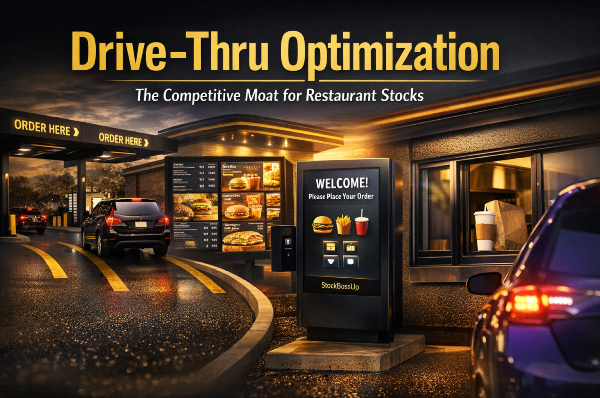
Drive‑thrus used to be a convenience feature. Today they are the main revenue engine for many chains. Some brands earn more than two‑thirds of their sales from drive‑thru orders. Investors now watch drive‑thru speed the same way they watch same‑store sales.
The shift began when customers wanted faster service without leaving their cars. That demand grew even stronger when digital ordering and mobile payments became normal. Chains that adapted early built a strong lead. Chains that waited now struggle to catch up.
One unique fact is that some restaurants have tested drive‑thru lanes designed only for mobile orders, and these lanes often move twice as fast as standard ones. This change shows how much speed matters.
Why Do Most Restaurants Fail to Improve Drive‑Thru Speed?
Improving drive‑thru speed sounds simple. In reality, it requires changes to layout, staffing, menu design, and technology. Many chains try to fix only one part. They may add new screens or update headsets but ignore kitchen flow. Others redesign the kitchen but keep a slow ordering process.
The biggest challenge is that every second counts. A five‑second delay per car can add minutes to the line during peak hours. That delay pushes customers to leave before ordering. Lost customers mean lost revenue. Lost revenue means weaker stock performance.
Some chains also fail because they rely on old forecasting models. These models assume steady traffic. Modern drive‑thru traffic is not steady. It spikes in short bursts. Without real‑time adjustments, the system breaks down.
How Do Leading Brands Turn Drive‑Thrus Into a Competitive Moat?
A competitive moat forms when a company builds an advantage that rivals cannot copy quickly. Drive‑thru optimization has become one of those advantages. Chains that master it enjoy higher throughput, stronger customer loyalty, and better margins.
Brands like McDonald’s (MCD) and Chipotle (CMG) invest heavily in automation, AI‑powered ordering, and multi‑lane layouts. These upgrades cost money, but they pay off for years. Rivals that lack capital or scale cannot match the improvements.
Below is a simple comparison of how different drive‑thru strategies affect performance.
| Strategy |
Impact on Throughput |
Impact on Labor |
Impact on Customer Wait Time |
| Multi‑lane ordering |
High |
Medium |
Large decrease |
| AI voice ordering |
Medium |
Large decrease |
Medium decrease |
| Kitchen automation |
High |
Large decrease |
Medium decrease |
| Mobile‑only lanes |
Very high |
Medium |
Large decrease |
Why Does Drive‑Thru Speed Matter More Than Menu Innovation?
Menu innovatio can attract attention. But drive‑thru speed affects every transaction. A fast drive‑thru increases the number of cars served per hour. That means more revenue without raising prices. It also reduces customer frustration.
A second unique fact is that some chains have found that reducing menu items by only 5% can cut drive‑thru times by more than 20%. This shows how small changes can create major gains.
Menu innovation still matters, but it cannot overcome slow service. A great new item loses value if customers wait too long to order it.
Why Are Investors Watching Drive‑Thru Metrics More Closely?
Investors want predictable growth. Drive‑thru performance offers that. When a chain improves its drive‑thru speed, the results show up in same‑store sales, customer satisfaction, and margin expansion.
Analysts now track metrics like:
- Cars per hour
- Average service time
- Abandonment rate
- Order accuracy
- Digital order mix
These metrics help investors judge whether a chain is building a long‑term advantage or falling behind.
Here is a sample of how these metrics relate to stock performance.
| Metric |
Effect on Stock Outlook |
Reason |
| High cars per hour |
Positive |
More throughput equals more revenue |
| Low abandonment rate |
Positive |
Fewer lost customers |
| High order accuracy |
Positive |
Stronger loyalty |
| Slow service time |
Negative |
Lower throughput and weaker margins |
Why Do Some Chains Struggle Even With New Technology?
Technology alone does not fix drive‑thru problems. Many chains install new tools but fail to train staff or redesign workflows. Others add digital screens but keep outdated kitchen layouts. Some chains even add mobile lanes without improving parking lot flow, which creates new bottlenecks.
The most common issue is poor integration. A chain may use AI ordering but still rely on manual kitchen timing. Or it may use digital payment systems but keep slow food prep processes. Without full alignment, the system slows down.
Another issue is cost. Smaller chains cannot afford large upgrades. They may try partial fixes, but partial fixes rarely deliver strong results.
Why Are Multi‑Lane Drive‑Thrus Becoming the New Standard?
Multi‑lane drive‑thrus allow restaurants to serve more cars at once. They also reduce the psychological barrier of long lines. When customers see two or three lanes, they feel the line will move faster.
Brands like Chick‑fil‑A (not publicly traded) and McDonald’s (MCD) use multi‑lane systems to handle heavy traffic. These systems require careful design. Cars must merge smoothly. Orders must reach the kitchen in the right order. Staff must coordinate across lanes.
When done well, multi‑lane systems can increase throughput by 30% or more.
Below is a comparison of single‑lane vs multi‑lane performance.
| Feature |
Single Lane |
Multi‑Lane |
| Cars served per hour |
Medium |
High |
| Customer perception |
Slower |
Faster |
| Space required |
Low |
Medium |
| Cost |
Low |
Medium to high |
Why Are AI and Automation Changing the Drive‑Thru Game?
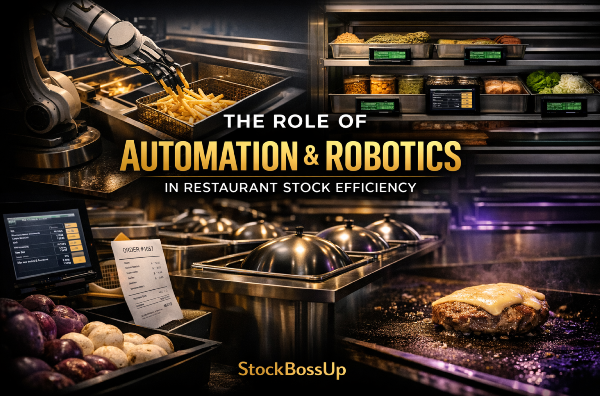
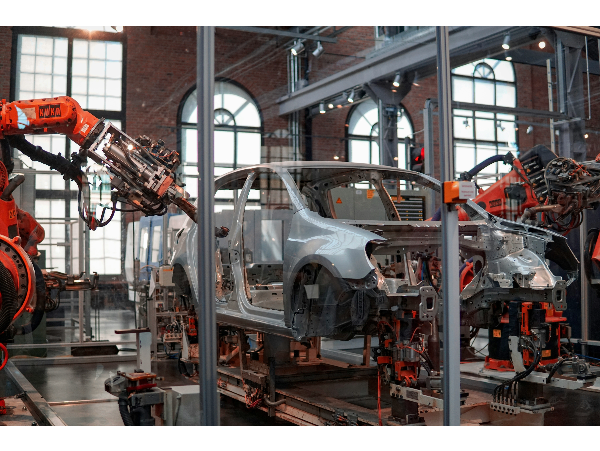
AI voice ordering reduces errors and speeds up the ordering process. Automation in the kitchen reduces prep time. Together, they create a smoother flow from order to pickup.
Chains like Wendy’s (WEN) and Yum! Brands (YUM) are testing AI systems that handle most of the ordering process. These systems free staff to focus on food prep and customer service.
Automation also helps during labor shortages. When fewer workers are available, automated systems keep the line moving.
AI also improves forecasting. It predicts peak times and adjusts staffing or prep levels. This reduces delays and improves consistency.
Why Does Drive‑Thru Optimization Protect Margins?
Margins improve when restaurants serve more customers with the same or fewer resources. Drive‑thru optimization reduces labor costs, increases throughput, and improves order accuracy. All three support stronger margins.
Chains with optimized drive‑thrus also face less pressure to discount. Fast service becomes a value on its own. Customers return because they trust the experience.
Below is a simple view of how drive‑thru improvements affect margins.
| Improvement |
Margin Effect |
Reason |
| Faster service |
Positive |
More orders per hour |
| Fewer errors |
Positive |
Less waste |
| Automation |
Positive |
Lower labor cost |
| Digital payments |
Positive |
Faster throughput |
Why Will Drive‑Thru Innovation Shape the Next Decade of Restaurant Stocks?
The restaurant industry is shifting toward convenience. Customers want speed, accuracy, and low friction. Drive‑thrus deliver all three. Chains that invest now will build a moat that lasts for years.
The biggest winners will be brands that combine:
These chains will serve more customers with fewer delays. They will also adapt faster to new trends.
Investors who understand this shift can spot strong opportunities early. Drive‑thru optimization is no longer a side project. It is a core strategy that shapes long‑term stock performance.
What Is the Real Solution to the Drive‑Thru Problem?
The real solution is not a single tool or layout. It is a full system that connects ordering, kitchen flow, staffing, and digital channels. Chains that build this system gain a durable advantage. They move faster, serve more customers, and protect their margins even in tough markets.
This is why drive‑thru optimization has become a competitive moat. It is hard to copy, expensive to build, and powerful once in place. For restaurant stocks, it may be the most important factor shaping growth in the years ahead.
🏗️ Master the Terrain: Prime Restaurant Real Estate Insights
Unlock the hidden value in your portfolio by mastering the "where" and "how" of restaurant expansion. From high-traffic non-traditional sites to the algorithmic precision of modern site selection, explore how physical footprints dictate fiscal futures.
📍 Strategic Growth & Real Estate in Restaurant Businesses
Market Intel: In an era of shifting demographics, the transition from urban centers to optimized suburban drive-thrus is redefining long-term equity. Use the links above to deep dive into the data driving these shifts.


Key Takeaways
🚗 **Drive‑thru speed now determines which restaurant stocks outperform**
Faster drive‑thru systems increase throughput, reduce customer abandonment, and strengthen long‑term revenue growth. Investors now track drive‑thru metrics as closely as same‑store sales because they directly influence margins and customer loyalty.⚡ **Technology and layout upgrades create a moat rivals can’t copy quickly**
AI ordering, multi‑lane designs, mobile‑only lanes, and automated kitchens work together to form a system that boosts efficiency. These upgrades require capital, planning, and scale—giving early adopters a durable competitive edge.📉 **Most chains fail because they optimize one part of the system instead of the whole**
Many restaurants update screens or add digital tools but ignore kitchen flow, staffing models, or menu complexity. Without full integration, bottlenecks remain and service times stay slow, limiting stock performance.📈 **Drive‑thru optimization protects margins and fuels predictable growth**
Serving more cars per hour with fewer errors improves profitability without raising prices. Chains that master this system enjoy stronger margins, higher customer satisfaction, and more stable long‑term stock trajectories.Most investors look at sales growth, menu innovation, or brand strength when judging restaurant stocks. Yet a growing problem sits in plain sight: many chains still lose customers during peak hours because their drive‑thru lines move too slowly. The real issue is not the line itself. It is the hidden cost of delay, and why some brands quietly pull ahead while others fall behind. The answer becomes clear only after looking at how drive‑thru systems now shape long‑term stock performance.
Why Are Drive‑Thrus Now the Center of Restaurant Growth?
Drive‑thrus used to be a convenience feature. Today they are the main revenue engine for many chains. Some brands earn more than two‑thirds of their sales from drive‑thru orders. Investors now watch drive‑thru speed the same way they watch same‑store sales.
The shift began when customers wanted faster service without leaving their cars. That demand grew even stronger when digital ordering and mobile payments became normal. Chains that adapted early built a strong lead. Chains that waited now struggle to catch up.
One unique fact is that some restaurants have tested drive‑thru lanes designed only for mobile orders, and these lanes often move twice as fast as standard ones. This change shows how much speed matters.
Why Do Most Restaurants Fail to Improve Drive‑Thru Speed?
Improving drive‑thru speed sounds simple. In reality, it requires changes to layout, staffing, menu design, and technology. Many chains try to fix only one part. They may add new screens or update headsets but ignore kitchen flow. Others redesign the kitchen but keep a slow ordering process.
The biggest challenge is that every second counts. A five‑second delay per car can add minutes to the line during peak hours. That delay pushes customers to leave before ordering. Lost customers mean lost revenue. Lost revenue means weaker stock performance.
Some chains also fail because they rely on old forecasting models. These models assume steady traffic. Modern drive‑thru traffic is not steady. It spikes in short bursts. Without real‑time adjustments, the system breaks down.
How Do Leading Brands Turn Drive‑Thrus Into a Competitive Moat?
A competitive moat forms when a company builds an advantage that rivals cannot copy quickly. Drive‑thru optimization has become one of those advantages. Chains that master it enjoy higher throughput, stronger customer loyalty, and better margins.
Brands like McDonald’s (MCD) and Chipotle (CMG) invest heavily in automation, AI‑powered ordering, and multi‑lane layouts. These upgrades cost money, but they pay off for years. Rivals that lack capital or scale cannot match the improvements.
Below is a simple comparison of how different drive‑thru strategies affect performance.
Why Does Drive‑Thru Speed Matter More Than Menu Innovation?
Menu innovatio can attract attention. But drive‑thru speed affects every transaction. A fast drive‑thru increases the number of cars served per hour. That means more revenue without raising prices. It also reduces customer frustration.
A second unique fact is that some chains have found that reducing menu items by only 5% can cut drive‑thru times by more than 20%. This shows how small changes can create major gains.
Menu innovation still matters, but it cannot overcome slow service. A great new item loses value if customers wait too long to order it.
Why Are Investors Watching Drive‑Thru Metrics More Closely?
Investors want predictable growth. Drive‑thru performance offers that. When a chain improves its drive‑thru speed, the results show up in same‑store sales, customer satisfaction, and margin expansion.
Analysts now track metrics like:
These metrics help investors judge whether a chain is building a long‑term advantage or falling behind.
Here is a sample of how these metrics relate to stock performance.
Why Do Some Chains Struggle Even With New Technology?
Technology alone does not fix drive‑thru problems. Many chains install new tools but fail to train staff or redesign workflows. Others add digital screens but keep outdated kitchen layouts. Some chains even add mobile lanes without improving parking lot flow, which creates new bottlenecks.
The most common issue is poor integration. A chain may use AI ordering but still rely on manual kitchen timing. Or it may use digital payment systems but keep slow food prep processes. Without full alignment, the system slows down.
Another issue is cost. Smaller chains cannot afford large upgrades. They may try partial fixes, but partial fixes rarely deliver strong results.
Why Are Multi‑Lane Drive‑Thrus Becoming the New Standard?
Multi‑lane drive‑thrus allow restaurants to serve more cars at once. They also reduce the psychological barrier of long lines. When customers see two or three lanes, they feel the line will move faster.
Brands like Chick‑fil‑A (not publicly traded) and McDonald’s (MCD) use multi‑lane systems to handle heavy traffic. These systems require careful design. Cars must merge smoothly. Orders must reach the kitchen in the right order. Staff must coordinate across lanes.
When done well, multi‑lane systems can increase throughput by 30% or more.
Below is a comparison of single‑lane vs multi‑lane performance.
Why Are AI and Automation Changing the Drive‑Thru Game?
AI voice ordering reduces errors and speeds up the ordering process. Automation in the kitchen reduces prep time. Together, they create a smoother flow from order to pickup.
Chains like Wendy’s (WEN) and Yum! Brands (YUM) are testing AI systems that handle most of the ordering process. These systems free staff to focus on food prep and customer service.
Automation also helps during labor shortages. When fewer workers are available, automated systems keep the line moving.
AI also improves forecasting. It predicts peak times and adjusts staffing or prep levels. This reduces delays and improves consistency.
Why Does Drive‑Thru Optimization Protect Margins?
Margins improve when restaurants serve more customers with the same or fewer resources. Drive‑thru optimization reduces labor costs, increases throughput, and improves order accuracy. All three support stronger margins.
Chains with optimized drive‑thrus also face less pressure to discount. Fast service becomes a value on its own. Customers return because they trust the experience.
Below is a simple view of how drive‑thru improvements affect margins.
Why Will Drive‑Thru Innovation Shape the Next Decade of Restaurant Stocks?
The restaurant industry is shifting toward convenience. Customers want speed, accuracy, and low friction. Drive‑thrus deliver all three. Chains that invest now will build a moat that lasts for years.
The biggest winners will be brands that combine:
These chains will serve more customers with fewer delays. They will also adapt faster to new trends.
Investors who understand this shift can spot strong opportunities early. Drive‑thru optimization is no longer a side project. It is a core strategy that shapes long‑term stock performance.
What Is the Real Solution to the Drive‑Thru Problem?
The real solution is not a single tool or layout. It is a full system that connects ordering, kitchen flow, staffing, and digital channels. Chains that build this system gain a durable advantage. They move faster, serve more customers, and protect their margins even in tough markets.
This is why drive‑thru optimization has become a competitive moat. It is hard to copy, expensive to build, and powerful once in place. For restaurant stocks, it may be the most important factor shaping growth in the years ahead.
🏗️ Master the Terrain: Prime Restaurant Real Estate Insights
Unlock the hidden value in your portfolio by mastering the "where" and "how" of restaurant expansion. From high-traffic non-traditional sites to the algorithmic precision of modern site selection, explore how physical footprints dictate fiscal futures.
📍 Strategic Growth & Real Estate in Restaurant Businesses