Most people think automakers make money only when they sell a new car. That idea sounds simple, but it hides a major problem inside the industry. The real challenge is that one revenue stream is shrinking faster than expected, and many companies are not prepared for what comes next. The answer becomes clear only after looking at how each part of the business works.
Why Do Most People Misunderstand How Automakers Earn Money?
Many buyers assume the sticker price of a car covers everything. In reality, profit margins on new vehicles are often thin. Automakers face high costs for labor, materials, research, and marketing. A large share of revenue goes toward keeping factories running.
Some models even sell at a loss during their first years. Companies do this to gain market share or meet government rules. This means the money must come from other places.
Automakers also deal with changing consumer habits. Buyers keep cars longer. They shop online. They compare prices more aggressively. These shifts reduce the power automakers once had over pricing.
Below is a simple look at how revenue from new vehicles compares to other income sources.
Revenue Source Typical Share of Total Revenue Notes
New vehicle sales 45–55% High volume, low margin
Parts & service 20–30% High margin
Financing & insurance 10–15% Stable income
Software & data 5–10% Fast‑growing
Fleet & commercial sales 5–10% Bulk contracts
Why Are New Vehicle Sales Not the Main Profit Engine?
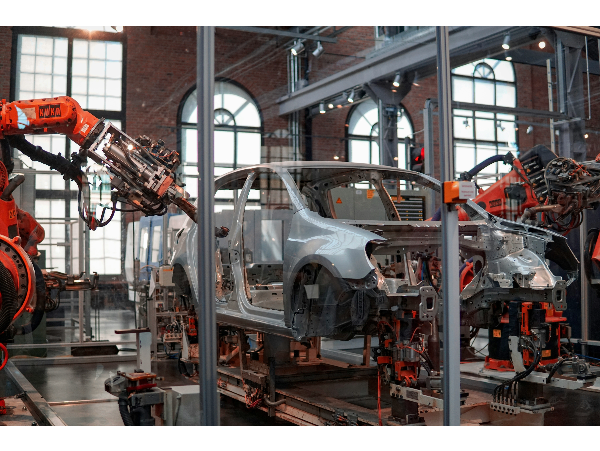
Selling new cars brings in the most money, but not the most profit. Automakers spend billions designing each model. They must test engines, batteries, safety systems, and software. They also pay for factories, robots, and global shipping.
Competition pushes prices down. Incentives and discounts cut margins even more. Many companies rely on popular trucks and SUVs to stay profitable. Smaller cars often break even at best.
Another issue is regulation. Meeting emissions rules requires expensive technology. Electric vehicles add battery costs. These expenses reduce profit per vehicle.
Still, new vehicle sales matter because they feed other revenue streams. Every car sold becomes a long‑term customer for parts, service, and upgrades.
Why Do Parts and Service Bring in Such High Profits?
Parts and service are the quiet powerhouse of the auto industry. Once a car is on the road, it needs maintenance. Oil changes, brakes, filters, and repairs generate steady income.
Dealerships earn more profit from service than from selling cars. Automakers benefit because they supply the parts. These parts often have high markups. Even small components can generate strong returns.
One unique fact is that some automakers design certain parts to last only a specific number of miles. This ensures predictable replacement cycles, which stabilizes revenue.
Service also builds customer loyalty. A driver who returns for maintenance is more likely to buy the same brand again. This long‑term relationship is valuable for automakers.
Below is a comparison of typical profit margins.
Category Average Profit Margin Reason
New vehicles 4–10% High competition
Parts 20–40% Low production cost
Service labor 50–65% Skilled work, low overhead
Accessories 25–45% Optional add‑ons
Why Do Financing and Insurance Matter More Than People Think?
Most buyers do not pay cash for a car. They finance it. Automakers often own financial divisions that provide loans and leases. These divisions earn interest, fees, and insurance income.
Financing is stable. Even when car sales slow, loan payments continue. This helps automakers manage downturns. Leasing also creates predictable cycles. When leases end, cars return to dealerships and can be resold.
Insurance products add another layer. Extended warranties, gap coverage, and protection plans bring in extra revenue. These products have high margins because claims are less frequent than buyers expect.
Financial divisions are so profitable that some automakers rely on them more than vehicle sales during tough years.
Why Are Software and Data Becoming Major Revenue Streams?
Modern cars are computers on wheels. They use software for navigation, safety, entertainment, and performance. Automakers now sell upgrades through digital stores. These upgrades include advanced driver features, premium audio settings, and performance boosts.
Software has almost no production cost once developed. This makes it extremely profitable. Some companies charge monthly fees for features like remote start or advanced navigation.
Data is another growing asset. Cars collect information about driving habits, battery health, and road conditions. Automakers use this data to improve design and predict maintenance needs. Some also sell anonymized data to mapping companies and research groups.
A lesser‑known fact is that some automakers earn more from software subscriptions on certain models than from selling the vehicle itself.
Below is a look at common software‑based revenue sources.
Software Category Example Features Revenue Type
Safety upgrades Lane assist, auto‑parking One‑time or subscription
Performance Acceleration boosts One‑time
Convenience Remote start, heated seats Subscription
Navigation Live traffic, map updates Subscription
Why Are Fleet and Commercial Sales So Important?
Fleet sales involve selling vehicles in bulk to businesses, governments, and rental companies. These deals often have lower margins, but they offer stability. Large orders help keep factories running at full capacity.
Commercial buyers also need service contracts, parts, and replacement vehicles. This creates long‑term revenue. Fleet customers often stick with one brand for years.
Electric vans and delivery vehicles are growing fast. Companies want cleaner fleets to meet environmental goals. Automakers that offer reliable commercial EVs gain a strong advantage.
Fleet sales also help automakers test new technology. Businesses provide large amounts of real‑world data. This feedback improves future models.
Why Are Used Cars a Hidden Part of the Revenue Puzzle?
Automakers do not sell most used cars directly, but they still profit from them. Certified pre‑owned (CPO) programs bring in revenue through inspections, warranties, and repairs. These programs also increase brand loyalty.
Used cars also support financing and insurance divisions. Many buyers finance used vehicles. This creates more loan income.
Dealerships rely heavily on used cars for profit. Automakers benefit because strong used‑car demand supports new‑car pricing. When used cars hold value, buyers feel more confident purchasing new ones.
Below is a comparison of how used‑car programs support revenue.
Used‑Car Activity Benefit to Automaker
CPO inspections Service revenue
Extended warranties Insurance revenue
Financing Loan income
Trade‑ins Supports new‑car sales
Why Are Electric Vehicles Changing the Revenue Model?
Electric vehicles (EVs) require fewer moving parts. This reduces long‑term service revenue. Oil changes disappear. Many repairs become software‑based. Automakers must replace this lost income.
Battery production is expensive. Automakers invest billions in battery plants. These costs reduce profit margins. Companies must find new ways to earn money from EVs.
Software becomes more important. EVs rely on digital systems for range, charging, and performance. This creates opportunities for paid upgrades.
Charging networks also offer revenue. Some automakers build their own networks. Others partner with energy companies. Charging fees can become a long‑term income source.
What Hidden Factor Will Shape the Future of Automaker Revenue?
Throughout this article, we explored new vehicles, parts, service, financing, software, fleets, and EVs. Each plays a role in how automakers make money. But one factor ties everything together.
The real key is lifetime customer value.
Automakers that keep customers engaged after the sale earn more from service, software, financing, and upgrades. Those that lose customers after the first purchase fall behind. The companies that master long‑term relationships will lead the next era of auto man!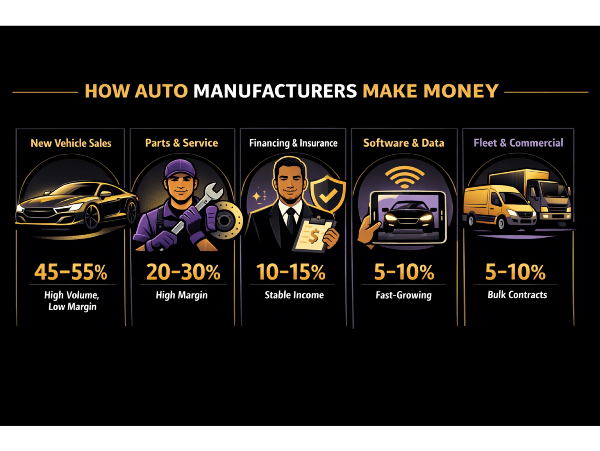

















Most people think automakers make money only when they sell a new car. That idea sounds simple, but it hides a major problem inside the industry. The real challenge is that one revenue stream is shrinking faster than expected, and many companies are not prepared for what comes next. The answer becomes clear only after looking at how each part of the business works.
Why Do Most People Misunderstand How Automakers Earn Money? Many buyers assume the sticker price of a car covers everything. In reality, profit margins on new vehicles are often thin. Automakers face high costs for labor, materials, research, and marketing. A large share of revenue goes toward keeping factories running.
Some models even sell at a loss during their first years. Companies do this to gain market share or meet government rules. This means the money must come from other places.
Automakers also deal with changing consumer habits. Buyers keep cars longer. They shop online. They compare prices more aggressively. These shifts reduce the power automakers once had over pricing.
Below is a simple look at how revenue from new vehicles compares to other income sources.
Revenue Source Typical Share of Total Revenue Notes New vehicle sales 45–55% High volume, low margin Parts & service 20–30% High margin Financing & insurance 10–15% Stable income Software & data 5–10% Fast‑growing Fleet & commercial sales 5–10% Bulk contracts
Why Are New Vehicle Sales Not the Main Profit Engine? Selling new cars brings in the most money, but not the most profit. Automakers spend billions designing each model. They must test engines, batteries, safety systems, and software. They also pay for factories, robots, and global shipping.
Competition pushes prices down. Incentives and discounts cut margins even more. Many companies rely on popular trucks and SUVs to stay profitable. Smaller cars often break even at best.
Another issue is regulation. Meeting emissions rules requires expensive technology. Electric vehicles add battery costs. These expenses reduce profit per vehicle.
Still, new vehicle sales matter because they feed other revenue streams. Every car sold becomes a long‑term customer for parts, service, and upgrades.
Why Do Parts and Service Bring in Such High Profits? Parts and service are the quiet powerhouse of the auto industry. Once a car is on the road, it needs maintenance. Oil changes, brakes, filters, and repairs generate steady income.
Dealerships earn more profit from service than from selling cars. Automakers benefit because they supply the parts. These parts often have high markups. Even small components can generate strong returns.
One unique fact is that some automakers design certain parts to last only a specific number of miles. This ensures predictable replacement cycles, which stabilizes revenue.
Service also builds customer loyalty. A driver who returns for maintenance is more likely to buy the same brand again. This long‑term relationship is valuable for automakers.
Below is a comparison of typical profit margins.
Category Average Profit Margin Reason New vehicles 4–10% High competition Parts 20–40% Low production cost Service labor 50–65% Skilled work, low overhead Accessories 25–45% Optional add‑ons
Why Do Financing and Insurance Matter More Than People Think? Most buyers do not pay cash for a car. They finance it. Automakers often own financial divisions that provide loans and leases. These divisions earn interest, fees, and insurance income.
Financing is stable. Even when car sales slow, loan payments continue. This helps automakers manage downturns. Leasing also creates predictable cycles. When leases end, cars return to dealerships and can be resold.
Insurance products add another layer. Extended warranties, gap coverage, and protection plans bring in extra revenue. These products have high margins because claims are less frequent than buyers expect.
Financial divisions are so profitable that some automakers rely on them more than vehicle sales during tough years.
Why Are Software and Data Becoming Major Revenue Streams? Modern cars are computers on wheels. They use software for navigation, safety, entertainment, and performance. Automakers now sell upgrades through digital stores. These upgrades include advanced driver features, premium audio settings, and performance boosts.
Software has almost no production cost once developed. This makes it extremely profitable. Some companies charge monthly fees for features like remote start or advanced navigation.
Data is another growing asset. Cars collect information about driving habits, battery health, and road conditions. Automakers use this data to improve design and predict maintenance needs. Some also sell anonymized data to mapping companies and research groups.
A lesser‑known fact is that some automakers earn more from software subscriptions on certain models than from selling the vehicle itself.
Below is a look at common software‑based revenue sources.
Software Category Example Features Revenue Type Safety upgrades Lane assist, auto‑parking One‑time or subscription Performance Acceleration boosts One‑time Convenience Remote start, heated seats Subscription Navigation Live traffic, map updates Subscription
Why Are Fleet and Commercial Sales So Important? Fleet sales involve selling vehicles in bulk to businesses, governments, and rental companies. These deals often have lower margins, but they offer stability. Large orders help keep factories running at full capacity.
Commercial buyers also need service contracts, parts, and replacement vehicles. This creates long‑term revenue. Fleet customers often stick with one brand for years.
Electric vans and delivery vehicles are growing fast. Companies want cleaner fleets to meet environmental goals. Automakers that offer reliable commercial EVs gain a strong advantage.
Fleet sales also help automakers test new technology. Businesses provide large amounts of real‑world data. This feedback improves future models.
Why Are Used Cars a Hidden Part of the Revenue Puzzle? Automakers do not sell most used cars directly, but they still profit from them. Certified pre‑owned (CPO) programs bring in revenue through inspections, warranties, and repairs. These programs also increase brand loyalty.
Used cars also support financing and insurance divisions. Many buyers finance used vehicles. This creates more loan income.
Dealerships rely heavily on used cars for profit. Automakers benefit because strong used‑car demand supports new‑car pricing. When used cars hold value, buyers feel more confident purchasing new ones.
Below is a comparison of how used‑car programs support revenue.
Used‑Car Activity Benefit to Automaker CPO inspections Service revenue Extended warranties Insurance revenue Financing Loan income Trade‑ins Supports new‑car sales
Why Are Electric Vehicles Changing the Revenue Model? Electric vehicles (EVs) require fewer moving parts. This reduces long‑term service revenue. Oil changes disappear. Many repairs become software‑based. Automakers must replace this lost income.
Battery production is expensive. Automakers invest billions in battery plants. These costs reduce profit margins. Companies must find new ways to earn money from EVs.
Software becomes more important. EVs rely on digital systems for range, charging, and performance. This creates opportunities for paid upgrades.
Charging networks also offer revenue. Some automakers build their own networks. Others partner with energy companies. Charging fees can become a long‑term income source.
What Hidden Factor Will Shape the Future of Automaker Revenue? Throughout this article, we explored new vehicles, parts, service, financing, software, fleets, and EVs. Each plays a role in how automakers make money. But one factor ties everything together.
The real key is lifetime customer value.
Automakers that keep customers engaged after the sale earn more from service, software, financing, and upgrades. Those that lose customers after the first purchase fall behind. The companies that master long‑term relationships will lead the next era of auto man!