The Strait of Hormuz is one of the most important energy routes in the world. When tensions rise there, markets react fast. But most investors focus only on oil prices. They miss a deeper problem that spreads across many sectors. This problem affects companies in ways that are not obvious at first. It changes how they move goods, how they price products, and how they plan for the future.
The challenge is simple to see but hard to solve. A blockade can push energy prices up. It can also slow global trade. But the real issue is how these pressures stack on top of each other. They create a chain reaction that touches energy, travel, retail, banking, and more.
The solution to this problem is not what most people expect. It requires looking at the market in a different way. We will get to that solution at the end. First, we need to understand how each part of the market reacts when the Strait of Hormuz becomes unstable.
Why Do Energy Stocks React First When Tensions Rise?
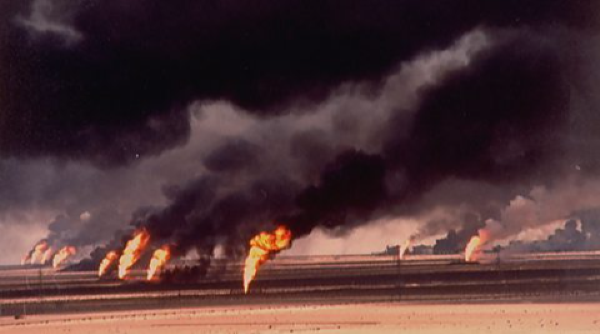
Energy companies feel the impact before anyone else. When oil supply is threatened, prices rise. This helps some companies and hurts others. The companies that produce oil often see higher profits. The companies that refine or transport oil face more risk.
Three major U.S. oil producers stand out. Exxon Mobil (XOM), Chevron (CVX), and ConocoPhillips (COP) all benefit when crude prices jump. Their revenue depends on the price of oil. When oil becomes scarce, their margins expand.
But the story is not simple. Higher prices also bring volatility. Investors worry about long‑term supply. They worry about political risk. They worry about how long the disruption will last. This creates sharp swings in stock prices.
Energy service companies feel a different kind of pressure. Schlumberger (SLB) and Halliburton (HAL) support drilling and exploration. When oil prices rise, drilling activity often increases. But global instability can delay projects. It can also raise insurance costs for offshore operations.
This mix of opportunity and risk makes energy one of the most sensitive sectors during a blockade.
Why Do Travel and Transportation Stocks Fall So Quickly?

Airlines and cruise lines depend on fuel. When oil prices rise, their costs rise too. This happens fast. Fuel is one of the largest expenses for travel companies.
Delta Air Lines (DAL) and American Airlines (AAL) both face higher jet fuel prices. Even small increases can cut into profits. Airlines also face higher insurance costs when global tensions rise.
Cruise lines feel similar pressure. Carnival Corporation (CCL) uses large amounts of marine fuel. When prices jump, operating costs rise. Cruise lines also depend on global travel demand. When people feel uncertain, they delay vacations.
This combination makes travel stocks some of the hardest hit during a blockade.
How Do Shipping and Logistics Companies Get Pulled Into the Crisis?
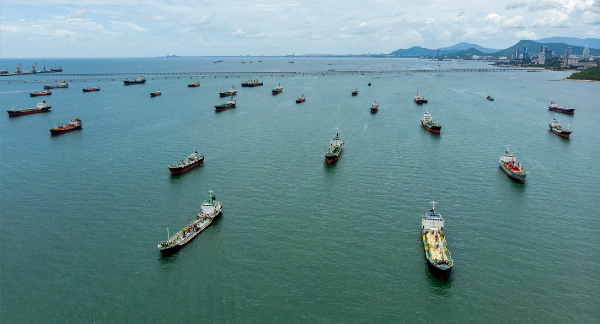
Shipping companies depend on stable fuel prices and open trade routes. A blockade disrupts both.
FedEx (FDX) and UPS (UPS) move goods around the world. When oil prices rise, their fuel costs rise. When trade slows, their shipping volume drops.
This creates a double impact. Higher costs and lower demand at the same time.
One surprising fact is that global shipping insurance can rise by more than 300% during major geopolitical events. This adds even more pressure to logistics companies.
Global Logistics Pressure Points
| Company |
Ticker |
Main Pressure |
Effect |
| FedEx |
FDX |
Fuel + trade slowdown |
Negative |
| UPS |
UPS |
Fuel + insurance costs |
Negative |
| Carnival |
CCL |
Fuel + travel demand |
Negative |
| Delta |
DAL |
Jet fuel |
Negative |
Why Do Manufacturing and Materials Companies Feel the Shock Next?

Manufacturers depend on oil‑based materials. Plastics, coatings, and chemicals all come from petroleum. When oil prices rise, input costs rise.
Dow Inc. (DOW) uses oil‑derived chemicals in many products. Higher oil prices raise production costs. This can reduce margins.
U.S. Steel (X) faces higher energy costs. Steelmaking requires heat and power. When energy becomes expensive, steel becomes expensive.
3M (MMM) also depends on oil‑based materials. Adhesives, films, and coatings all use petroleum inputs.
These companies feel the impact even if they do not produce or transport oil. Their costs rise because oil is part of their supply chain.
Why Do Automakers React to Oil Prices Even When They Don’t Use Much Oil?

Automakers do not burn oil to build cars. But their customers do. When gasoline prices rise, people change what they buy.
General Motors (GM) sells many trucks and SUVs. These vehicles use more fuel. When gas prices rise, demand for large vehicles falls. This hurts GM’s most profitable segment.
Tesla (TSLA) reacts differently. EV demand can rise when gas prices rise. But Tesla’s stock often moves with market volatility. High‑growth stocks fall when investors fear global instability.
This creates a mixed reaction. EV demand may rise, but investor confidence may fall.
Another unique fact is that EV searches online often spike within 48 hours of major oil price jumps. This shows how quickly consumer interest can shift.
Auto and Manufacturing Impact Snapshot
| Company |
Ticker |
Impact Driver |
Effect |
| GM |
GM |
Gas‑sensitive vehicle demand |
Negative |
| TSLA |
TSLA |
Volatility + EV interest |
Mixed |
| MMM |
MMM |
Oil‑based materials |
Negative |
| X |
X |
Energy‑intensive production |
Negative |
Why Do Retail Giants React to Oil Prices Even When They Don’t Sell Fuel?
Retailers depend on consumer spending. When energy prices rise, people spend more on gas and utilities. They spend less on other items.
Walmart (WMT) sees shifts in buying patterns. People buy more essentials and fewer extras. This changes margins.
Amazon (AMZN) faces higher shipping costs. It also faces slower demand when consumers feel pressure. Amazon’s logistics network is large. Higher fuel prices hit every part of it.
Retailers also face higher costs for packaging and plastics. These materials come from oil.
This makes retail one of the most sensitive sectors outside of energy and travel.
Why Do Banks React to Oil Shocks Even Though They Don’t Sell Oil?
Banks react because oil shocks affect the entire economy. When oil prices rise, inflation rises. When inflation rises, interest rates may rise.
JPMorgan Chase (JPM) is sensitive to rate changes. Higher rates can help banks at first. But if rates rise too fast, loan demand falls. Businesses borrow less. Consumers borrow less.
Banks also worry about recession risk. Oil shocks have caused several past recessions. When investors fear a slowdown, bank stocks fall.
This makes financials part of the broader chain reaction.
Retail and Financial Impact Overview
| Company |
Ticker |
Main Impact |
Effect |
| AMZN |
AMZN |
Fuel + logistics costs |
Negative |
| WMT |
WMT |
Consumer spending shift |
Mixed |
| JPM |
JPM |
Rate + recession risk |
Negative |
What Do These 20 Stocks Tell Us About Market Behavior?
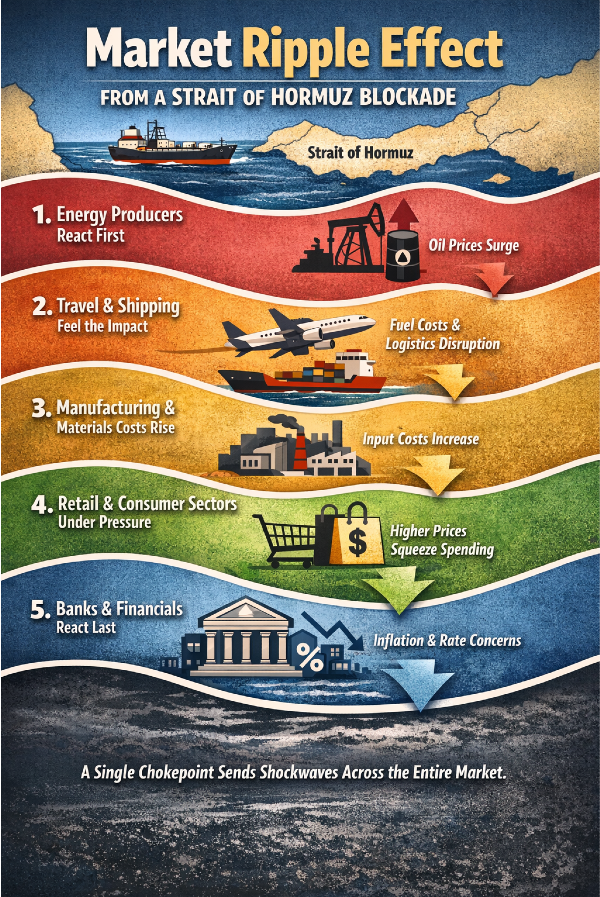
When we look at all 20 stocks together, a pattern appears. The impact spreads in waves.
- Energy producers react first.
- Travel and shipping react next.
- Manufacturing and materials feel rising input costs.
- Retail and consumer sectors feel pressure from higher prices.
- Banks and financials react to inflation and rate expectations.
This chain reaction shows how connected the market is. A single chokepoint in global trade can affect companies that seem unrelated at first glance.
So What Is the Real Solution Investors Overlook?
Most investors focus on oil prices alone. They watch the price of crude and try to predict the next move. But the real solution is to understand how different sectors react at different times.
The key is to track the order of impact. Energy moves first. Travel moves second. Manufacturing moves third. Retail and banking move last.
This timing creates opportunities. It also helps investors avoid risk. When you understand the sequence, you can see the market more clearly. You can prepare for the next move instead of reacting to it.
The blockade of the Strait of Hormuz is a reminder that global events do not affect all companies at once. They move through the market like waves. The investors who understand these waves can make better decisions when the world becomes uncertain.
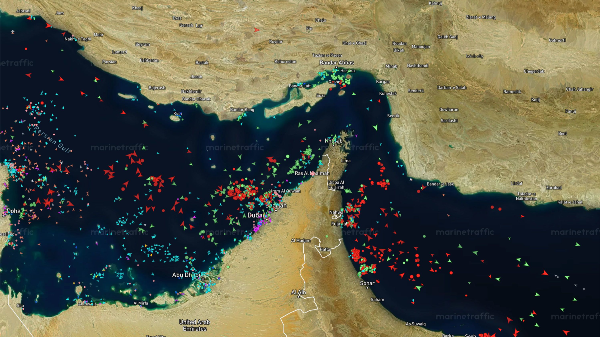















Image from marinetraffic.com
The Strait of Hormuz is one of the most important energy routes in the world. When tensions rise there, markets react fast. But most investors focus only on oil prices. They miss a deeper problem that spreads across many sectors. This problem affects companies in ways that are not obvious at first. It changes how they move goods, how they price products, and how they plan for the future.
The challenge is simple to see but hard to solve. A blockade can push energy prices up. It can also slow global trade. But the real issue is how these pressures stack on top of each other. They create a chain reaction that touches energy, travel, retail, banking, and more.
The solution to this problem is not what most people expect. It requires looking at the market in a different way. We will get to that solution at the end. First, we need to understand how each part of the market reacts when the Strait of Hormuz becomes unstable.
Why Do Energy Stocks React First When Tensions Rise?
Source: bbc.co.uk
Energy companies feel the impact before anyone else. When oil supply is threatened, prices rise. This helps some companies and hurts others. The companies that produce oil often see higher profits. The companies that refine or transport oil face more risk.
Three major U.S. oil producers stand out. Exxon Mobil (XOM), Chevron (CVX), and ConocoPhillips (COP) all benefit when crude prices jump. Their revenue depends on the price of oil. When oil becomes scarce, their margins expand.
But the story is not simple. Higher prices also bring volatility. Investors worry about long‑term supply. They worry about political risk. They worry about how long the disruption will last. This creates sharp swings in stock prices.
Energy service companies feel a different kind of pressure. Schlumberger (SLB) and Halliburton (HAL) support drilling and exploration. When oil prices rise, drilling activity often increases. But global instability can delay projects. It can also raise insurance costs for offshore operations.
This mix of opportunity and risk makes energy one of the most sensitive sectors during a blockade.
Why Do Travel and Transportation Stocks Fall So Quickly?
Source: Wikipedia
Airlines and cruise lines depend on fuel. When oil prices rise, their costs rise too. This happens fast. Fuel is one of the largest expenses for travel companies.
Delta Air Lines (DAL) and American Airlines (AAL) both face higher jet fuel prices. Even small increases can cut into profits. Airlines also face higher insurance costs when global tensions rise.
Cruise lines feel similar pressure. Carnival Corporation (CCL) uses large amounts of marine fuel. When prices jump, operating costs rise. Cruise lines also depend on global travel demand. When people feel uncertain, they delay vacations.
This combination makes travel stocks some of the hardest hit during a blockade.
How Do Shipping and Logistics Companies Get Pulled Into the Crisis?
Source: Dallasfed.org
Shipping companies depend on stable fuel prices and open trade routes. A blockade disrupts both.
FedEx (FDX) and UPS (UPS) move goods around the world. When oil prices rise, their fuel costs rise. When trade slows, their shipping volume drops.
This creates a double impact. Higher costs and lower demand at the same time.
One surprising fact is that global shipping insurance can rise by more than 300% during major geopolitical events. This adds even more pressure to logistics companies.
Global Logistics Pressure Points
Why Do Manufacturing and Materials Companies Feel the Shock Next?
Source: 3m.com
Manufacturers depend on oil‑based materials. Plastics, coatings, and chemicals all come from petroleum. When oil prices rise, input costs rise.
Dow Inc. (DOW) uses oil‑derived chemicals in many products. Higher oil prices raise production costs. This can reduce margins.
U.S. Steel (X) faces higher energy costs. Steelmaking requires heat and power. When energy becomes expensive, steel becomes expensive.
3M (MMM) also depends on oil‑based materials. Adhesives, films, and coatings all use petroleum inputs.
These companies feel the impact even if they do not produce or transport oil. Their costs rise because oil is part of their supply chain.
Why Do Automakers React to Oil Prices Even When They Don’t Use Much Oil?
Automakers do not burn oil to build cars. But their customers do. When gasoline prices rise, people change what they buy.
General Motors (GM) sells many trucks and SUVs. These vehicles use more fuel. When gas prices rise, demand for large vehicles falls. This hurts GM’s most profitable segment.
Tesla (TSLA) reacts differently. EV demand can rise when gas prices rise. But Tesla’s stock often moves with market volatility. High‑growth stocks fall when investors fear global instability.
This creates a mixed reaction. EV demand may rise, but investor confidence may fall.
Another unique fact is that EV searches online often spike within 48 hours of major oil price jumps. This shows how quickly consumer interest can shift.
Auto and Manufacturing Impact Snapshot
Why Do Retail Giants React to Oil Prices Even When They Don’t Sell Fuel?
Retailers depend on consumer spending. When energy prices rise, people spend more on gas and utilities. They spend less on other items.
Walmart (WMT) sees shifts in buying patterns. People buy more essentials and fewer extras. This changes margins.
Amazon (AMZN) faces higher shipping costs. It also faces slower demand when consumers feel pressure. Amazon’s logistics network is large. Higher fuel prices hit every part of it.
Retailers also face higher costs for packaging and plastics. These materials come from oil.
This makes retail one of the most sensitive sectors outside of energy and travel.
Why Do Banks React to Oil Shocks Even Though They Don’t Sell Oil?
Banks react because oil shocks affect the entire economy. When oil prices rise, inflation rises. When inflation rises, interest rates may rise.
JPMorgan Chase (JPM) is sensitive to rate changes. Higher rates can help banks at first. But if rates rise too fast, loan demand falls. Businesses borrow less. Consumers borrow less.
Banks also worry about recession risk. Oil shocks have caused several past recessions. When investors fear a slowdown, bank stocks fall.
This makes financials part of the broader chain reaction.
Retail and Financial Impact Overview
What Do These 20 Stocks Tell Us About Market Behavior?
When we look at all 20 stocks together, a pattern appears. The impact spreads in waves.
This chain reaction shows how connected the market is. A single chokepoint in global trade can affect companies that seem unrelated at first glance.
So What Is the Real Solution Investors Overlook?
Most investors focus on oil prices alone. They watch the price of crude and try to predict the next move. But the real solution is to understand how different sectors react at different times.
The key is to track the order of impact. Energy moves first. Travel moves second. Manufacturing moves third. Retail and banking move last.
This timing creates opportunities. It also helps investors avoid risk. When you understand the sequence, you can see the market more clearly. You can prepare for the next move instead of reacting to it.
The blockade of the Strait of Hormuz is a reminder that global events do not affect all companies at once. They move through the market like waves. The investors who understand these waves can make better decisions when the world becomes uncertain.