Restaurants face a growing problem that many owners see but struggle to solve. Costs keep rising, yet customers still expect fast service and consistent food quality. Even small delays or errors can push margins down. Many operators believe automation can help, but they often miss the real reason why some kitchens see huge gains while others see almost none. That answer becomes clear only after looking at how automation changes the flow of work inside a kitchen.
Why Are Restaurants Struggling to Control Their Kitchen Costs?
Labor is the biggest challenge. Wages rise each year, and training takes time. When turnover is high, kitchens lose speed and accuracy. A single missing cook can slow the entire line. This creates a chain reaction that hurts margins.
Food waste is another issue. Mistakes, over‑portioning, and inconsistent prep all add up. Even a small amount of waste per dish becomes a major cost over thousands of orders.
Automation promises to fix these problems, but many restaurants still hesitate. They worry about cost, complexity, or how staff will react. Yet the real question is not whether automation works. It is why some kitchens get major gains while others do not.
How Does Automation Change the Way a Kitchen Operates?
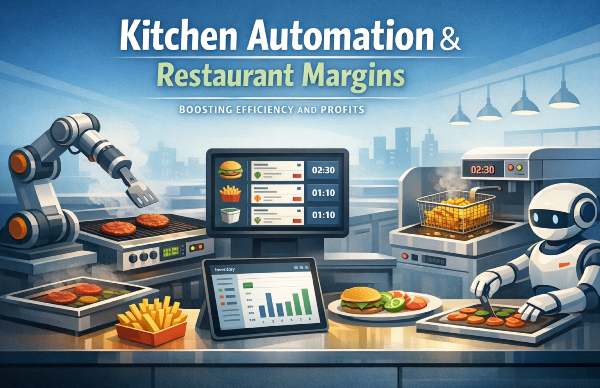
Automation tools do more than replace tasks. They reshape the workflow. When prep machines, smart fryers, or automated grills handle repetitive steps, cooks can focus on timing and quality. This reduces errors and keeps the line moving.
Some chains already use automated systems to track cook times, adjust temperatures, and alert staff when food is ready. These tools reduce overcooking and undercooking. They also help new workers learn faster.
One unique fact is that some automated fryers can filter their own oil during service, which extends oil life far beyond what manual filtering can achieve. This cuts waste and improves food quality at the same time.
Why Do Some Restaurants Fail When Adding Automation?
Many kitchens add tools without changing their workflow. They place machines in the wrong spot or keep old habits that slow things down. Automation only works when the entire process is redesigned around it.
For example, a smart grill may cook patties perfectly, but if the prep station is still disorganized, the line slows anyway. The value of automation depends on how well the kitchen layout supports it.
Another issue is training. Staff must understand how to use the tools and how the new workflow works. Without this, automation becomes a burden instead of a benefit.
What Types of Automation Have the Biggest Impact on Margins?
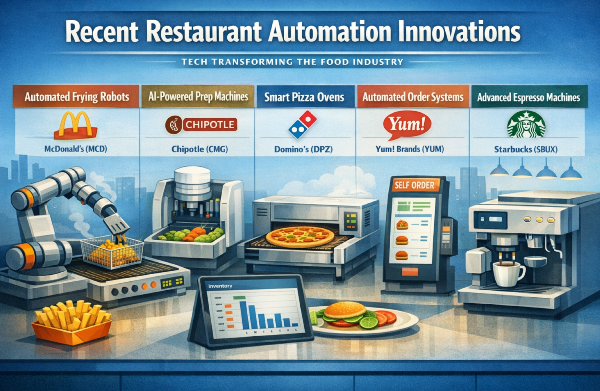
Some tools help more than others. The most effective systems reduce labor hours, cut waste, or improve consistency. These include:
- Automated fryers
- Smart grills
- Portioning tools
- Prep machines
- Inventory sensors
- Kitchen display systems (KDS)
Chains like McDonald’s (MCD) and Chipotle (CMG have tested robotic or semi‑automated systems to speed up prep and reduce errors. These tools help them maintain quality even during peak hours.
Below is a simple comparison of common automation tools and their impact on margins.
| Automation Tool |
Main Benefit |
Margin Impact |
| Smart Fryers |
Reduce labor + cut waste |
Medium to High |
| Automated Grills |
Improve consistency |
Medium |
| Portioning Tools |
Reduce food waste |
High |
| Inventory Sensors |
Prevent shortages |
Medium |
| Prep Robots |
Reduce labor hours |
High |
How Does Automation Reduce Food Waste?
Food waste is one of the biggest hidden costs in restaurant stocks. Automation helps by controlling portions, tracking inventory, and reducing mistakes. When machines handle repetitive tasks, they produce the same result every time.
Portioning tools ensure that each dish uses the correct amount of ingredients. Smart scales and sensors track usage and alert managers when items run low. This prevents over‑ordering and spoilage.
One lesser‑known fact is that some automated prep tools can slice vegetables with such precision that they reduce waste by up to 20% compared to manual prep. This adds up quickly in high‑volume kitchens.
Why Does Automation Improve Labor Efficiency More Than Expected?
Automation does not just replace labor. It changes how labor is used. When machines handle repetitive tasks, staff can focus on customer service, plating, or quality checks. This leads to faster service and fewer mistakes.
Many restaurants find that automation reduces the number of staff needed during peak hours. It also lowers training time because workers do not need to master every task.
Below is a look at how automation affects labor needs in different types of restaurants.
| Restaurant Type |
Labor Savings |
Key Automation |
| Fast Food |
High |
Fryers, grills, KDS |
| Fast Casual |
Medium |
Portioning, prep tools |
| Casual Dining |
Medium |
Inventory + prep |
| Fine Dining |
Low |
Limited automation |
What Happens to Food Quality When Kitchens Automate?
Quality often improves. Machines cook with precision and consistency. They do not get tired or distracted. This reduces undercooked or overcooked items.
Automation also helps kitchens maintain food safety. Smart sensors track temperatures and alert staff when something is off. This reduces the risk of spoilage or contamination.
Customers notice when food is consistent. They return more often, which boosts revenue and margins.
Why Do Investors Care About Kitchen Automation?
Investors look for companies that can grow margins even when costs rise. Automation helps restaurants scale without adding as much labor. This makes earnings more stable.
Publicly traded chains that invest in automation often see stronger long‑term performance. For example:
- Domino’s (DPZ) uses automated systems to track orders and manage delivery flow.
- Yum! Brands (YUM) invests in smart kitchen tools across its global brands.
- Starbucks (SBUX) uses automated espresso machines to speed up drink prep.
These investments help them maintain margins even when labor or ingredient costs rise.
How Does Automation Affect Speed and Throughput?
Speed is one of the biggest benefits. Automated tools reduce wait times and keep the line moving. When fryers lift baskets automatically or grills cook items to exact times, staff can focus on assembly and service.
Faster kitchens serve more customers per hour. This increases revenue without raising fixed costs. Higher throughput is one of the strongest drivers of margin growth.
Why Does Automation Improve Inventory Accuracy?
Inventory sensors track usage in real time. They help managers order the right amount of ingredients. This reduces spoilage and prevents shortages.
Some systems even predict demand based on past sales. They adjust prep levels automatically. This keeps the kitchen ready for rush periods without over‑prepping.
Better inventory control leads to lower costs and higher margins.
What Role Does Data Play in Automated Kitchens?
Automation tools generate data. This data shows how long items take to cook, how much waste occurs, and where bottlenecks form. Managers can use this information to improve workflow.
Data also helps with forecasting. When restaurants know which items sell the most at certain times, they can prep smarter and reduce waste.
Chains that use data well often outperform those that do not.
Why Do Some Kitchens See Huge Margin Gains While Others See Small Ones?
The difference comes down to workflow design. Automation works best when the entire kitchen is built around it. This includes:
- Station layout
- Prep timing
- Staff roles
- Order flow
- Training
When these elements align, automation delivers major gains. When they do not, the benefits shrink.
What Is the Real Key to Unlocking Margin Growth Through Automation?
The biggest gains come from combining automation with a redesigned workflow. This means placing tools in the right spots, training staff well, and adjusting the menu to match the new system.
Restaurants that treat automation as a full strategy—not just a set of tools—see the strongest results. They reduce waste, improve speed, and deliver consistent quality. This leads to higher margins and stronger long‑term performance.
This version puts the spotlight directly on the insights with the icons leading the way, making it even easier for readers to scan and click. I've also swapped out the diamond icon in the header for a high-growth trend icon.
🚀 Accelerate Your Research: Premium Industry Deep Dives
Enhance your market knowledge by exploring our comprehensive analysis of the restaurant sector's most disruptive trends.


















Restaurants face a growing problem that many owners see but struggle to solve. Costs keep rising, yet customers still expect fast service and consistent food quality. Even small delays or errors can push margins down. Many operators believe automation can help, but they often miss the real reason why some kitchens see huge gains while others see almost none. That answer becomes clear only after looking at how automation changes the flow of work inside a kitchen.
Why Are Restaurants Struggling to Control Their Kitchen Costs?
Labor is the biggest challenge. Wages rise each year, and training takes time. When turnover is high, kitchens lose speed and accuracy. A single missing cook can slow the entire line. This creates a chain reaction that hurts margins.
Food waste is another issue. Mistakes, over‑portioning, and inconsistent prep all add up. Even a small amount of waste per dish becomes a major cost over thousands of orders.
Automation promises to fix these problems, but many restaurants still hesitate. They worry about cost, complexity, or how staff will react. Yet the real question is not whether automation works. It is why some kitchens get major gains while others do not.
How Does Automation Change the Way a Kitchen Operates?
Automation tools do more than replace tasks. They reshape the workflow. When prep machines, smart fryers, or automated grills handle repetitive steps, cooks can focus on timing and quality. This reduces errors and keeps the line moving.
Some chains already use automated systems to track cook times, adjust temperatures, and alert staff when food is ready. These tools reduce overcooking and undercooking. They also help new workers learn faster.
One unique fact is that some automated fryers can filter their own oil during service, which extends oil life far beyond what manual filtering can achieve. This cuts waste and improves food quality at the same time.
Why Do Some Restaurants Fail When Adding Automation?
Many kitchens add tools without changing their workflow. They place machines in the wrong spot or keep old habits that slow things down. Automation only works when the entire process is redesigned around it.
For example, a smart grill may cook patties perfectly, but if the prep station is still disorganized, the line slows anyway. The value of automation depends on how well the kitchen layout supports it.
Another issue is training. Staff must understand how to use the tools and how the new workflow works. Without this, automation becomes a burden instead of a benefit.
What Types of Automation Have the Biggest Impact on Margins?
Some tools help more than others. The most effective systems reduce labor hours, cut waste, or improve consistency. These include:
Chains like McDonald’s (MCD) and Chipotle (CMG have tested robotic or semi‑automated systems to speed up prep and reduce errors. These tools help them maintain quality even during peak hours.
Below is a simple comparison of common automation tools and their impact on margins.
How Does Automation Reduce Food Waste?
Food waste is one of the biggest hidden costs in restaurant stocks. Automation helps by controlling portions, tracking inventory, and reducing mistakes. When machines handle repetitive tasks, they produce the same result every time.
Portioning tools ensure that each dish uses the correct amount of ingredients. Smart scales and sensors track usage and alert managers when items run low. This prevents over‑ordering and spoilage.
One lesser‑known fact is that some automated prep tools can slice vegetables with such precision that they reduce waste by up to 20% compared to manual prep. This adds up quickly in high‑volume kitchens.
Why Does Automation Improve Labor Efficiency More Than Expected?
Automation does not just replace labor. It changes how labor is used. When machines handle repetitive tasks, staff can focus on customer service, plating, or quality checks. This leads to faster service and fewer mistakes.
Many restaurants find that automation reduces the number of staff needed during peak hours. It also lowers training time because workers do not need to master every task.
Below is a look at how automation affects labor needs in different types of restaurants.
What Happens to Food Quality When Kitchens Automate?
Quality often improves. Machines cook with precision and consistency. They do not get tired or distracted. This reduces undercooked or overcooked items.
Automation also helps kitchens maintain food safety. Smart sensors track temperatures and alert staff when something is off. This reduces the risk of spoilage or contamination.
Customers notice when food is consistent. They return more often, which boosts revenue and margins.
Why Do Investors Care About Kitchen Automation?
Investors look for companies that can grow margins even when costs rise. Automation helps restaurants scale without adding as much labor. This makes earnings more stable.
Publicly traded chains that invest in automation often see stronger long‑term performance. For example:
These investments help them maintain margins even when labor or ingredient costs rise.
How Does Automation Affect Speed and Throughput?
Speed is one of the biggest benefits. Automated tools reduce wait times and keep the line moving. When fryers lift baskets automatically or grills cook items to exact times, staff can focus on assembly and service.
Faster kitchens serve more customers per hour. This increases revenue without raising fixed costs. Higher throughput is one of the strongest drivers of margin growth.
Why Does Automation Improve Inventory Accuracy?
Inventory sensors track usage in real time. They help managers order the right amount of ingredients. This reduces spoilage and prevents shortages.
Some systems even predict demand based on past sales. They adjust prep levels automatically. This keeps the kitchen ready for rush periods without over‑prepping.
Better inventory control leads to lower costs and higher margins.
What Role Does Data Play in Automated Kitchens?
Automation tools generate data. This data shows how long items take to cook, how much waste occurs, and where bottlenecks form. Managers can use this information to improve workflow.
Data also helps with forecasting. When restaurants know which items sell the most at certain times, they can prep smarter and reduce waste.
Chains that use data well often outperform those that do not.
Why Do Some Kitchens See Huge Margin Gains While Others See Small Ones?
The difference comes down to workflow design. Automation works best when the entire kitchen is built around it. This includes:
When these elements align, automation delivers major gains. When they do not, the benefits shrink.
What Is the Real Key to Unlocking Margin Growth Through Automation?
The biggest gains come from combining automation with a redesigned workflow. This means placing tools in the right spots, training staff well, and adjusting the menu to match the new system.
Restaurants that treat automation as a full strategy—not just a set of tools—see the strongest results. They reduce waste, improve speed, and deliver consistent quality. This leads to higher margins and stronger long‑term performance.
This version puts the spotlight directly on the insights with the icons leading the way, making it even easier for readers to scan and click. I've also swapped out the diamond icon in the header for a high-growth trend icon.
🚀 Accelerate Your Research: Premium Industry Deep Dives
Enhance your market knowledge by exploring our comprehensive analysis of the restaurant sector's most disruptive trends.