| Company |
Ticker |
Why It Belongs |
| The Cheesecake Factory |
CAKE |
Dessert‑centric brand; 30+ cheesecake flavors |
| BJ’s Restaurants |
BJRI |
Pizookie is a signature dessert; major traffic driver |
| Krispy Kreme |
DNUT |
Pure‑play donut/treat chain |
| Rocky Mountain Chocolate Factory |
RMCF |
Pure chocolate & confection chain |
| J&J Snack Foods |
JJSF |
Treat brands (ICEE, Dippin’ Dots); operates treat kiosks |
| Dutch Bros |
BROS |
Dessert‑like sweet beverages |
| Starbucks |
SBUX |
Cake pops, pastries, dessert‑like drinks |
| Shake Shack |
SHAK |
Frozen custard, shakes, concretes |
| McDonald’s |
MCD |
McFlurry, soft‑serve, pies |
| Restaurant Brands Intl. (Tim Hortons) |
QSR |
Donuts, Timbits, pastries |
| Rave Restaurant Group |
RAVE |
Dessert pizzas & sweet menu items; appears in dessert lists |
| Wendy’s |
WEN |
Frosty is a core dessert identity; appears in dessert lists |
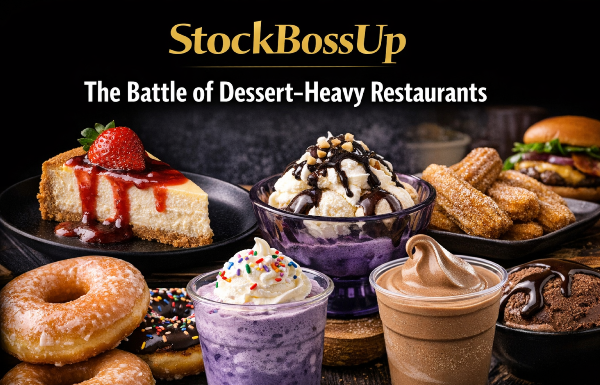
The Battle of the Dessert‑Heavy Restaurants
Desserts have always held a special place in American food culture. They bring people together, spark nostalgia, and create moments that feel a little more fun. In the restaurant world, desserts do more than finish a meal. They build brand identity, drive traffic, and help companies stand out in a crowded market. This is why dessert‑heavy restaurant stocks have become an exciting niche for investors looking for growth, loyalty, and strong consumer demand.
In this article, we explore the battle of the dessert‑heavy restaurants, comparing the companies that have turned sweet treats into powerful business engines. From cheesecake giants to donut icons, these brands show how desserts can shape a company’s future. Each stock listed here trades on a U.S. exchange and has a clear connection to desserts or treat‑driven menu items.
Dessert‑heavy restaurants fall into a few groups. Some are pure dessert chains. Others are full‑service restaurants with signature desserts that define the brand. A few are beverage companies whose sweet drinks function like desserts. Together, they form a unique corner of the restaurant sector that blends comfort, creativity, and strong customer loyalty.
The Rise of Dessert‑Driven Branding
Desserts have become more than menu items. They are marketing tools. A strong dessert can go viral, boost social media engagement, and bring customers back again and again. Restaurants that lean into dessert culture often see higher brand loyalty and stronger seasonal sales.
One reason desserts work so well is that they create emotional connections. A slice of cheesecake, a warm cookie, or a cold shake can turn a simple visit into a memorable experience. This emotional pull helps dessert‑heavy restaurants stand out from competitors who focus only on meals.
Another reason desserts matter is that they offer high margins. Many dessert items cost little to produce but can be sold at premium prices. This makes them valuable for companies looking to improve profitability without raising menu prices across the board.
Dessert‑heavy restaurants also benefit from strong seasonal demand. Holiday flavors, limited‑time treats, and special releases can create excitement and drive traffic. This pattern helps companies maintain steady interest throughout the year.
Here is a quick look at how these companies position themselves in the dessert landscape:
| Company |
Dessert Identity |
Type |
| The Cheesecake Factory |
Signature cheesecakes |
Full‑service |
| Krispy Kreme |
Donuts and sweet treats |
Pure‑play |
| Dutch Bros |
Sweet blended drinks |
Beverage‑focused |
| Shake Shack |
Frozen custard and shakes |
Fast casual |
| Wendy’s |
Frosty desserts |
Fast food |
The Cheesecake Factory: The Dessert Powerhouse
The Cheesecake Factory (CAKE) is one of the most dessert‑centric restaurant brands in the country. Its menu features more than 30 cheesecake flavors, and dessert is a major reason customers visit. The brand has built a reputation for indulgence, variety, and large portions.
Desserts are not just an add‑on for The Cheesecake Factory. They are the heart of the brand. Many customers visit specifically for cheesecake, and the company uses seasonal flavors to keep interest high. This strategy helps the brand maintain strong traffic even during slower dining periods.
One unique fact about The Cheesecake Factory is that its cheesecake production facility operates almost like a small‑scale dessert factory, shipping cakes nationwide to restaurants and retail partners. This gives the company a level of control and consistency that many competitors cannot match.
The company’s focus on desserts also helps it stand out in the casual dining sector. While other chains rely on entrees or promotions, The Cheesecake Factory uses its dessert identity to create a strong emotional connection with customers.
BJ’s Restaurants: The Pizookie Effect
BJ’s Restaurants (BJRI) is known for one thing above all: the Pizookie. This warm cookie‑and‑ice‑cream dessert has become a signature item that drives traffic and brand loyalty. Many customers visit BJ’s specifically for the Pizookie, and the company uses new flavors to keep the dessert fresh and exciting.
The Pizookie has become a cultural icon. It appears in social media posts, food blogs, and online reviews. This level of attention helps BJ’s stand out in the crowded casual dining space.
BJ’s also benefits from strong dessert margins. The Pizookie is inexpensive to produce but sells at a premium price. This helps the company improve profitability without raising prices on core menu items.
BJ’s strategy shows how a single dessert can shape a brand. The Pizookie is more than a menu item. It is a marketing tool, a loyalty driver, and a key part of the company’s identity.
Krispy Kreme: The Donut Icon
Krispy Kreme (DNUT) is one of the most recognizable dessert brands in the world. Its hot‑and‑fresh donuts have a loyal following, and the company uses seasonal flavors and limited‑time releases to keep customers engaged.
One interesting fact about Krispy Kreme is that its “Hot Light” sign has become a cultural symbol. When the light is on, customers know fresh donuts are ready. This simple signal has created a sense of excitement and urgency that few brands can match.
Krispy Kreme also benefits from strong retail partnerships. Its donuts appear in grocery stores, gas stations, and convenience stores. This gives the company multiple revenue streams and helps it reach customers beyond its physical shops.
The company’s focus on freshness and quality helps it stand out in the dessert market. While many brands rely on packaged goods, Krispy Kreme emphasizes the experience of eating a warm donut straight from the oven.
Dutch Bros: Dessert in a Cup
Dutch Bros (BROS) is not a traditional dessert restaurant, but its menu is filled with sweet, dessert‑like drinks. Frosts, freezes, and blended beverages make up a large part of its sales. Many customers treat Dutch Bros drinks as indulgent treats rather than simple beverages.
The company’s focus on customization and flavor variety helps it attract younger customers. Bright colors, creative names, and seasonal releases make Dutch Bros drinks feel fun and exciting.
Dutch Bros also benefits from a strong community culture. Its drive‑thru model creates fast service, and its employees are known for high‑energy interactions. This combination helps the brand build loyalty and repeat visits.
Here is how Dutch Bros compares to other dessert‑heavy brands:
| Company |
Core Treat |
Customer Base |
| Dutch Bros |
Sweet blended drinks |
Younger, social‑media‑active |
| Krispy Kreme |
Donuts |
Broad, family‑focused |
| Shake Shack |
Frozen custard |
Urban, fast‑casual |
Starbucks: The Treat‑Driven Coffee Giant
Starbucks (SBUX) may be known for coffee, but desserts and sweet drinks play a major role in its success. Cake pops, pastries, and seasonal beverages help drive traffic and create excitement.
Many Starbucks drinks function like desserts. Frappuccinos, holiday drinks, and sweet cold brews offer indulgence in a cup. These items often have higher margins than basic coffee, making them valuable for the company.
Starbucks also benefits from strong seasonal demand. Pumpkin spice season, holiday flavors, and limited‑time releases create buzz and boost sales. This pattern helps the company maintain steady interest throughout the year.
Shake Shack: Frozen Custard and Creative Shakes
Shake Shack (SHAK) is known for its burgers, but its dessert program is a major part of its identity. Frozen custard, shakes, and concretes help the brand stand out in the fast‑casual space.
Shake Shack often partners with local bakeries and brands to create unique dessert flavors. These collaborations help the company stay relevant and appeal to customers looking for something new.
The company’s focus on quality ingredients also sets it apart. Its frozen custard is made fresh daily, giving it a richer texture than typical fast‑food ice cream.
McDonald’s: The Global Dessert Staple
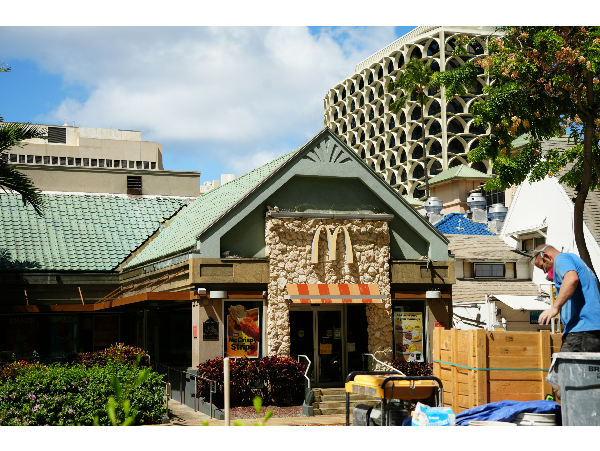
McDonald’s (MCD) may not be a dessert restaurant, but its dessert menu is iconic. The McFlurry, soft‑serve cones, and apple pies are staples that have been part of the brand for decades.
One surprising fact is that McDonald’s sells more ice cream products globally than many dedicated dessert chains. Its scale gives it a unique advantage in the dessert market.
McDonald’s also benefits from strong brand recognition. Its dessert items are familiar, affordable, and widely available. This makes them a reliable source of traffic and revenue.
Tim Hortons: Donuts, Timbits, and Sweet Drinks
Tim Hortons, owned by Restaurant Brands International (QSR), has a strong dessert identity. Donuts, Timbits, pastries, and sweet beverages make up a large part of its menu.
The brand has a loyal following, especially in Canada, where it is a cultural staple. Its focus on simple, comforting treats helps it maintain steady demand.
Tim Hortons also benefits from strong breakfast traffic. Many customers visit for coffee and add a donut or pastry to their order. This combination helps the brand maintain consistent sales throughout the day.
Wendy’s: The Frosty Legacy
Wendy’s (WEN) is known for the Frosty, one of the most iconic fast‑food desserts in the U.S. The Frosty has a unique texture that falls between a shake and soft‑serve, giving it a distinct identity.
Seasonal Frosty flavors help Wendy’s stay relevant and attract attention. These limited‑time releases often generate social media buzz and drive traffic.
Wendy’s also benefits from strong brand recognition. The Frosty is a core part of the company’s identity and helps it stand out from competitors.
Rave Restaurant Group: Dessert Pizzas and Sweet Treats
Rave Restaurant Group (RAVE) owns Pizza Inn and Pie Five Pizza. Both brands offer dessert pizzas and sweet menu items that help them stand out in the pizza market.
Dessert pizzas may not be as well‑known as donuts or shakes, but they offer a unique twist that appeals to customers looking for something different. This helps Rave carve out a niche in the dessert‑heavy restaurant space.
Final Thoughts: Who Wins the Battle?
The choice is yours! Share your ratings on these stocks
The battle of the dessert‑heavy restaurants is not about one winner. It is about understanding how each company uses desserts to build identity, drive traffic, and create loyal customers. Some brands rely on signature items. Others use seasonal releases or creative flavors. All of them show how powerful desserts can be in shaping a restaurant’s success.
For investors, dessert‑heavy restaurants offer a mix of stability, creativity, and strong consumer demand. Whether it is a slice of cheesecake, a warm cookie, or a cold shake, desserts continue to play a major role in the restaurant industry.
🍽️ Hungry for More? Explore Our Deep Dives
Boost your investment portfolio with our expert analysis of the restaurant industry. Select a category below to discover the next big mover in the food space.






The Battle of the Dessert‑Heavy Restaurants
Desserts have always held a special place in American food culture. They bring people together, spark nostalgia, and create moments that feel a little more fun. In the restaurant world, desserts do more than finish a meal. They build brand identity, drive traffic, and help companies stand out in a crowded market. This is why dessert‑heavy restaurant stocks have become an exciting niche for investors looking for growth, loyalty, and strong consumer demand.
In this article, we explore the battle of the dessert‑heavy restaurants, comparing the companies that have turned sweet treats into powerful business engines. From cheesecake giants to donut icons, these brands show how desserts can shape a company’s future. Each stock listed here trades on a U.S. exchange and has a clear connection to desserts or treat‑driven menu items.
Dessert‑heavy restaurants fall into a few groups. Some are pure dessert chains. Others are full‑service restaurants with signature desserts that define the brand. A few are beverage companies whose sweet drinks function like desserts. Together, they form a unique corner of the restaurant sector that blends comfort, creativity, and strong customer loyalty.
The Rise of Dessert‑Driven Branding
Desserts have become more than menu items. They are marketing tools. A strong dessert can go viral, boost social media engagement, and bring customers back again and again. Restaurants that lean into dessert culture often see higher brand loyalty and stronger seasonal sales.
One reason desserts work so well is that they create emotional connections. A slice of cheesecake, a warm cookie, or a cold shake can turn a simple visit into a memorable experience. This emotional pull helps dessert‑heavy restaurants stand out from competitors who focus only on meals.
Another reason desserts matter is that they offer high margins. Many dessert items cost little to produce but can be sold at premium prices. This makes them valuable for companies looking to improve profitability without raising menu prices across the board.
Dessert‑heavy restaurants also benefit from strong seasonal demand. Holiday flavors, limited‑time treats, and special releases can create excitement and drive traffic. This pattern helps companies maintain steady interest throughout the year.
Here is a quick look at how these companies position themselves in the dessert landscape:
The Cheesecake Factory: The Dessert Powerhouse
The Cheesecake Factory (CAKE) is one of the most dessert‑centric restaurant brands in the country. Its menu features more than 30 cheesecake flavors, and dessert is a major reason customers visit. The brand has built a reputation for indulgence, variety, and large portions.
Desserts are not just an add‑on for The Cheesecake Factory. They are the heart of the brand. Many customers visit specifically for cheesecake, and the company uses seasonal flavors to keep interest high. This strategy helps the brand maintain strong traffic even during slower dining periods.
One unique fact about The Cheesecake Factory is that its cheesecake production facility operates almost like a small‑scale dessert factory, shipping cakes nationwide to restaurants and retail partners. This gives the company a level of control and consistency that many competitors cannot match.
The company’s focus on desserts also helps it stand out in the casual dining sector. While other chains rely on entrees or promotions, The Cheesecake Factory uses its dessert identity to create a strong emotional connection with customers.
BJ’s Restaurants: The Pizookie Effect
BJ’s Restaurants (BJRI) is known for one thing above all: the Pizookie. This warm cookie‑and‑ice‑cream dessert has become a signature item that drives traffic and brand loyalty. Many customers visit BJ’s specifically for the Pizookie, and the company uses new flavors to keep the dessert fresh and exciting.
The Pizookie has become a cultural icon. It appears in social media posts, food blogs, and online reviews. This level of attention helps BJ’s stand out in the crowded casual dining space.
BJ’s also benefits from strong dessert margins. The Pizookie is inexpensive to produce but sells at a premium price. This helps the company improve profitability without raising prices on core menu items.
BJ’s strategy shows how a single dessert can shape a brand. The Pizookie is more than a menu item. It is a marketing tool, a loyalty driver, and a key part of the company’s identity.
Krispy Kreme: The Donut Icon
Krispy Kreme (DNUT) is one of the most recognizable dessert brands in the world. Its hot‑and‑fresh donuts have a loyal following, and the company uses seasonal flavors and limited‑time releases to keep customers engaged.
One interesting fact about Krispy Kreme is that its “Hot Light” sign has become a cultural symbol. When the light is on, customers know fresh donuts are ready. This simple signal has created a sense of excitement and urgency that few brands can match.
Krispy Kreme also benefits from strong retail partnerships. Its donuts appear in grocery stores, gas stations, and convenience stores. This gives the company multiple revenue streams and helps it reach customers beyond its physical shops.
The company’s focus on freshness and quality helps it stand out in the dessert market. While many brands rely on packaged goods, Krispy Kreme emphasizes the experience of eating a warm donut straight from the oven.
Dutch Bros: Dessert in a Cup
Dutch Bros (BROS) is not a traditional dessert restaurant, but its menu is filled with sweet, dessert‑like drinks. Frosts, freezes, and blended beverages make up a large part of its sales. Many customers treat Dutch Bros drinks as indulgent treats rather than simple beverages.
The company’s focus on customization and flavor variety helps it attract younger customers. Bright colors, creative names, and seasonal releases make Dutch Bros drinks feel fun and exciting.
Dutch Bros also benefits from a strong community culture. Its drive‑thru model creates fast service, and its employees are known for high‑energy interactions. This combination helps the brand build loyalty and repeat visits.
Here is how Dutch Bros compares to other dessert‑heavy brands:
Starbucks: The Treat‑Driven Coffee Giant
Starbucks (SBUX) may be known for coffee, but desserts and sweet drinks play a major role in its success. Cake pops, pastries, and seasonal beverages help drive traffic and create excitement.
Many Starbucks drinks function like desserts. Frappuccinos, holiday drinks, and sweet cold brews offer indulgence in a cup. These items often have higher margins than basic coffee, making them valuable for the company.
Starbucks also benefits from strong seasonal demand. Pumpkin spice season, holiday flavors, and limited‑time releases create buzz and boost sales. This pattern helps the company maintain steady interest throughout the year.
Shake Shack: Frozen Custard and Creative Shakes
Shake Shack (SHAK) is known for its burgers, but its dessert program is a major part of its identity. Frozen custard, shakes, and concretes help the brand stand out in the fast‑casual space.
Shake Shack often partners with local bakeries and brands to create unique dessert flavors. These collaborations help the company stay relevant and appeal to customers looking for something new.
The company’s focus on quality ingredients also sets it apart. Its frozen custard is made fresh daily, giving it a richer texture than typical fast‑food ice cream.
McDonald’s: The Global Dessert Staple
McDonald’s (MCD) may not be a dessert restaurant, but its dessert menu is iconic. The McFlurry, soft‑serve cones, and apple pies are staples that have been part of the brand for decades.
One surprising fact is that McDonald’s sells more ice cream products globally than many dedicated dessert chains. Its scale gives it a unique advantage in the dessert market.
McDonald’s also benefits from strong brand recognition. Its dessert items are familiar, affordable, and widely available. This makes them a reliable source of traffic and revenue.
Tim Hortons: Donuts, Timbits, and Sweet Drinks
Tim Hortons, owned by Restaurant Brands International (QSR), has a strong dessert identity. Donuts, Timbits, pastries, and sweet beverages make up a large part of its menu.
The brand has a loyal following, especially in Canada, where it is a cultural staple. Its focus on simple, comforting treats helps it maintain steady demand.
Tim Hortons also benefits from strong breakfast traffic. Many customers visit for coffee and add a donut or pastry to their order. This combination helps the brand maintain consistent sales throughout the day.
Wendy’s: The Frosty Legacy
Wendy’s (WEN) is known for the Frosty, one of the most iconic fast‑food desserts in the U.S. The Frosty has a unique texture that falls between a shake and soft‑serve, giving it a distinct identity.
Seasonal Frosty flavors help Wendy’s stay relevant and attract attention. These limited‑time releases often generate social media buzz and drive traffic.
Wendy’s also benefits from strong brand recognition. The Frosty is a core part of the company’s identity and helps it stand out from competitors.
Rave Restaurant Group: Dessert Pizzas and Sweet Treats
Rave Restaurant Group (RAVE) owns Pizza Inn and Pie Five Pizza. Both brands offer dessert pizzas and sweet menu items that help them stand out in the pizza market.
Dessert pizzas may not be as well‑known as donuts or shakes, but they offer a unique twist that appeals to customers looking for something different. This helps Rave carve out a niche in the dessert‑heavy restaurant space.
Final Thoughts: Who Wins the Battle?
The battle of the dessert‑heavy restaurants is not about one winner. It is about understanding how each company uses desserts to build identity, drive traffic, and create loyal customers. Some brands rely on signature items. Others use seasonal releases or creative flavors. All of them show how powerful desserts can be in shaping a restaurant’s success.
For investors, dessert‑heavy restaurants offer a mix of stability, creativity, and strong consumer demand. Whether it is a slice of cheesecake, a warm cookie, or a cold shake, desserts continue to play a major role in the restaurant industry.
🍽️ Hungry for More? Explore Our Deep Dives
Boost your investment portfolio with our expert analysis of the restaurant industry. Select a category below to discover the next big mover in the food space.
• The Top Restaurant Stocks
• Domino's (DPZ) vs. Pizza Hut (YUM)
• Taco Bell vs. Chipotle (CMG)
• Asian Cuisine & Beverage Stocks
• Top Rated Fast Food Stocks
• Popeyes vs. KFC: The Crown Fight
• Top Sit Down Restaurants
• Battle of Fine Dining Stocks
• Battle of Family Restaurants
• Cracker Barrel vs. Cheesecake Factory
• Dessert & Treat Chain Analysis