🍷 Stock Battle: Fine Dining & Upscale Casual Stocks
The choice is yours! Which fine dining stock is the best investment? Our ratings are calculated based on the ratings of our community of investors, with our top investors getting more weight.
Are you a top investor? If you are or even if you're not, StockBossUp is the app to learn about investing and get the best insight on your favorite investments.
🥇 Pure Fine Dining / Upscale Casual Operators
These companies operate concepts that are explicitly positioned as fine dining or upscale casual.
| Company |
Ticker |
Exchange |
Brand(s) |
Notes |
| The ONE Group Hospitality |
STKS |
NASDAQ |
STK Steakhouse |
Modern upscale steakhouse + lounges. |
| Bloomin’ Brands |
BLMN |
NASDAQ |
Fleming’s Prime Steakhouse |
Fleming’s is a pure fine‑dining steakhouse. |
| Ark Restaurants |
ARKR |
NASDAQ |
Multiple upscale full‑service concepts |
Operates fine‑dining restaurants in NYC, Vegas, Florida. |
🥂 Upscale Casual Operators (Mixed Concepts but Qualify)
These companies operate elevated casual or premium full‑service restaurants that fit the upscale‑casual category.
| Company |
Ticker |
Exchange |
Brand(s) |
Notes |
| Cheesecake Factory |
CAKE |
NASDAQ |
The Cheesecake Factory, North Italia |
North Italia is upscale casual; Cheesecake Factory is premium casual. |
| Brinker International |
EAT |
NYSE |
Maggiano’s Little Italy |
Maggiano’s is upscale Italian dining. |
| Darden Restaurants |
DRI |
NYSE |
Eddie V’s, Capital Grille, Seasons 52 |
Eddie V’s & Capital Grille are fine dining; Seasons 52 is upscale casual. |
Fine Dining and Upscale Casual Restaurant Stocks: A Complete Guide for Investors
Fine dining and upscale casual restaurants offer something different from fast food or everyday chains. These restaurants focus on atmosphere, service, and memorable meals. For investors, these companies can offer stability, strong brand loyalty, and higher average checks. This guide explores the major publicly traded companies in this space and explains what customers experience when they visit. It also shows how those experiences connect to long‑term investment potential.
The ONE Group Hospitality (STKS)
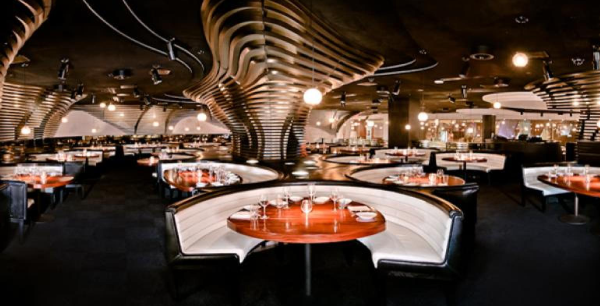
The ONE Group Hospitality operates STK Steakhouse, a modern take on the classic steakhouse. When customers walk into an STK location, they notice the energy right away. The lighting is low, the music is upbeat, and the design feels like a mix between a lounge and a luxury restaurant. Guests often describe it as a place where dining and nightlife blend together.
The menu focuses on high‑quality steaks, seafood, and creative sides. Plates are presented with style, and the service aims to feel personal without being formal. This balance attracts younger professionals and groups celebrating special events. The average check is higher than most casual restaurants, which helps the company maintain strong revenue per guest.
From an investment point of view, STK benefits from its niche. It is one of the few publicly traded brands that mixes fine dining with a social atmosphere. This gives it a unique position in the market. The company also focuses on asset‑light growth, meaning many new locations are managed rather than owned. That helps control costs and improve margins over time.
Bloomin’ Brands (BLMN)
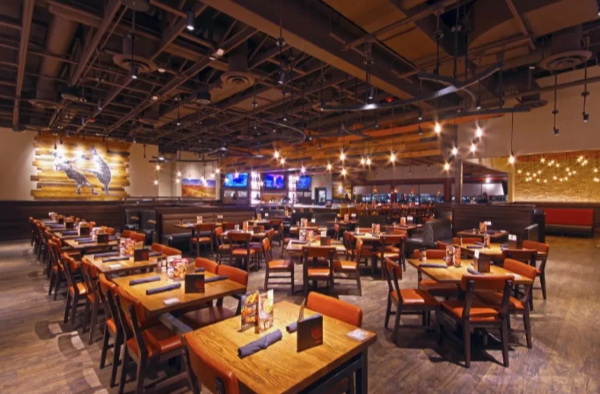
Bloomin’ Brands owns Fleming’s Prime Steakhouse & Wine Bar, one of the most respected fine‑dining steakhouses in the country. Fleming’s is known for its warm lighting, quiet dining rooms, and attentive service. Guests often visit for anniversaries, business dinners, or celebrations. The wine list is large, and the staff is trained to help guests pair wines with their meals.
The food experience centers on prime cuts of beef, seafood, and classic sides. Fleming’s also offers prix‑fixe menus and seasonal dishes that appeal to customers looking for something special. The brand has a loyal following, and many guests return for the consistent quality.
For investors, Fleming’s adds a premium layer to Bloomin’ Brands’ portfolio. While the company is better known for Outback Steakhouse, Fleming’s helps diversify revenue. Fine‑dining customers tend to be less sensitive to price changes, which can help the company during inflationary periods. Fleming’s also benefits from strong holiday and weekend traffic, which supports steady sales.
Darden Restaurants (DRI)
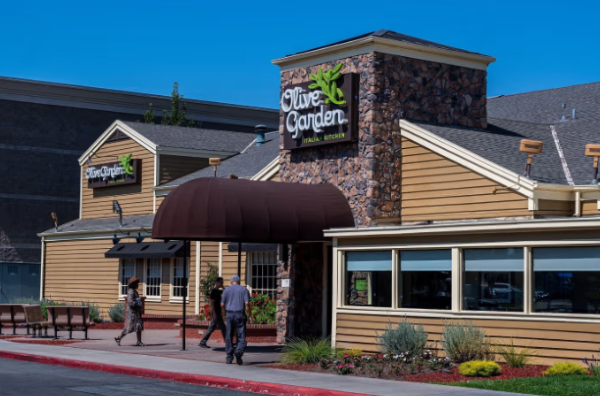
Darden Restaurants owns several well‑known fine‑dining and upscale casual brands. These include Eddie V’s, The Capital Grille, and Seasons 52. Each brand offers a different experience, but all focus on high‑quality food and strong service.
Eddie V’s is a seafood‑focused fine‑dining restaurant with live jazz music in many locations. The atmosphere is elegant but not stiff. Guests enjoy fresh seafood, steaks, and cocktails in a setting that feels lively and polished.
The Capital Grille is known for dry‑aged steaks, deep wine lists, and classic service. Many customers visit for business dinners or special occasions. The dining rooms are quiet, and the staff is trained to offer a refined experience.
Seasons 52 is an upscale casual restaurant with a lighter, seasonal menu. The atmosphere is warm and modern, and the menu changes throughout the year. This appeals to customers who want a premium experience without the formality of fine dining.
For investors, Darden offers scale and stability. It is the largest company on this list, and its fine‑dining brands help balance its broader portfolio. These restaurants often perform well during holidays and special events. They also attract customers who value quality over price, which can support strong margins.
Table 1: Overview of Fine Dining and Upscale Casual Stocks
| Company |
Ticker |
Primary Upscale Brand(s) |
Category |
| The ONE Group Hospitality |
STKS |
STK Steakhouse |
Fine Dining |
| Bloomin’ Brands |
BLMN |
Fleming’s |
Fine Dining |
| Darden Restaurants |
DRI |
Eddie V’s, Capital Grille, Seasons 52 |
Fine Dining & Upscale Casual |
| Cheesecake Factory |
CAKE |
Cheesecake Factory, North Italia |
Upscale Casual |
| Brinker International |
EAT |
Maggiano’s |
Upscale Casual |
| Ark Restaurants |
ARKR |
Multiple upscale concepts |
Upscale Casual |
Cheesecake Factory (CAKE)
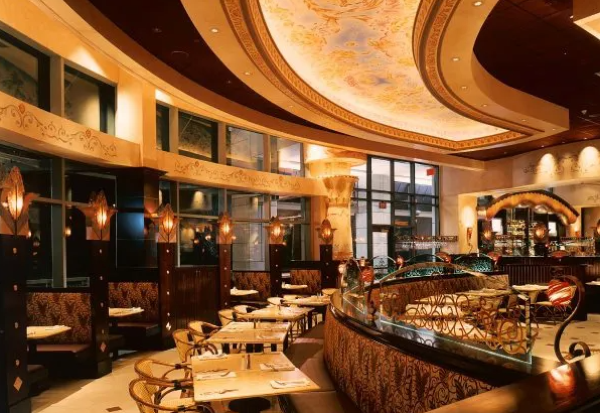
The Cheesecake Factory is one of the most recognizable restaurant brands in the country. While many people think of it as casual dining, the experience is closer to upscale casual. The décor is bold, the menu is huge, and the portions are generous. Guests often visit for celebrations, family dinners, or weekend outings.
The company also owns North Italia, a growing upscale Italian concept. North Italia offers handmade pasta, wood‑fired pizzas, and a modern atmosphere. The design feels fresh and stylish, and the service is warm without being formal. Many guests describe it as a place where you can enjoy a high‑quality meal without needing a special occasion.
For investors, Cheesecake Factory offers a mix of brand strength and growth potential. The Cheesecake Factory brand has strong name recognition, and North Italia gives the company a path to expand in the upscale casual space. One interesting fact is that the Cheesecake Factory’s menu has more than 250 items, which requires a large and well‑trained kitchen staff. This complexity can be a challenge, but it also helps the brand stand out.
Brinker International (EAT)
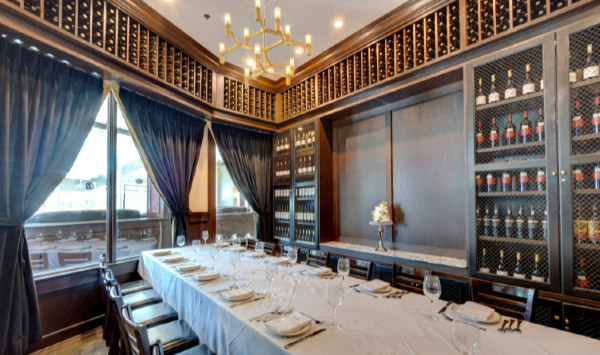
Brinker International owns Maggiano’s Little Italy, an upscale casual Italian restaurant. Maggiano’s is known for its large portions, warm lighting, and classic Italian‑American dishes. Guests often visit for birthdays, family gatherings, and group events. The atmosphere feels inviting, and the service is friendly and attentive.
The menu includes pasta, steaks, seafood, and desserts. Many locations also offer banquet rooms, which attract corporate events and private parties. This helps the brand generate revenue beyond regular dining hours.
For investors, Maggiano’s adds balance to Brinker’s portfolio. While Chili’s is the company’s largest brand, Maggiano’s attracts a different type of customer. The average check is higher, and the brand performs well during holidays and weekends. This helps support steady revenue throughout the year.
Ark Restaurants (ARKR)
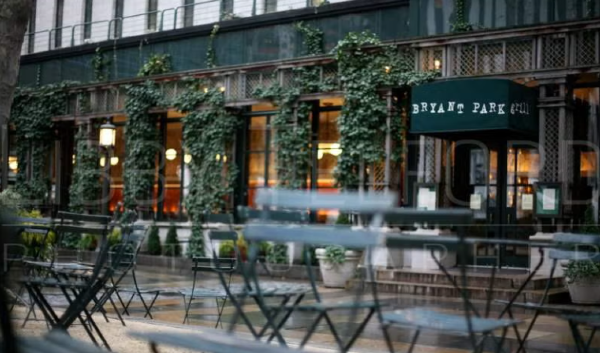
Ark Restaurants operates a collection of upscale and fine‑dining concepts in major cities such as New York, Las Vegas, and Washington, D.C. Each restaurant has its own identity, but all focus on quality food and strong service. Many locations are in high‑traffic areas like casinos, tourist districts, and waterfronts.
Guests visiting an Ark restaurant can expect a polished experience. The menus often feature steaks, seafood, and regional dishes. The atmosphere varies by location, but most restaurants feel refined without being overly formal.
For investors, Ark Restaurants is unique because it owns many of its locations. This gives the company valuable real estate assets. In fact, one of its properties once generated more revenue from private events than from regular dining. This shows how flexible the company can be in using its spaces.
Customer Experience and Investment Highlights
| Brand |
Customer Experience |
Investment Strength |
| STK Steakhouse |
High‑energy, modern fine dining |
Asset‑light growth model |
| Fleming’s |
Classic fine‑dining steakhouse |
Premium pricing power |
| Eddie V’s |
Seafood‑focused fine dining |
Strong holiday performance |
| Capital Grille |
Business‑focused fine dining |
High repeat business |
| Seasons 52 |
Seasonal upscale casual |
Menu flexibility |
| Cheesecake Factory |
Large menu, bold décor |
Strong brand recognition |
| North Italia |
Modern Italian upscale casual |
Growth potential |
| Maggiano’s |
Family‑style Italian dining |
Event‑driven revenue |
| Ark Restaurants |
Upscale multi‑concept |
Real estate ownership |
How Customer Experience Connects to Investment Value
Fine dining and upscale casual restaurants rely on more than food. They focus on atmosphere, service, and consistency. These elements help build loyalty, which is important for long‑term revenue. Customers who enjoy a memorable experience are more likely to return and recommend the restaurant to others.
Higher average checks also help these companies maintain strong margins. Fine‑dining guests expect to spend more, and they are less sensitive to price changes. This can help companies manage rising food or labor costs. Another interesting fact is that fine‑dining restaurants often see their highest traffic on holidays, which can make certain weeks of the year extremely profitable.
Investors should also consider how these companies grow. Some focus on opening new locations, while others rely on improving existing ones. Asset‑light models can help reduce risk, while real estate ownership can add long‑term value.
Final Thoughts
The choice is yours! Which Fine Dining Stock is the best?
Fine dining and upscale casual restaurant stocks offer a mix of stability, brand strength, and customer loyalty. Each company on this list brings something different to the table. Whether it’s the energy of STK, the classic feel of Fleming’s, or the modern style of North Italia, these brands create experiences that keep customers coming back.
For investors, these experiences translate into steady revenue, strong margins, and long‑term potential. Understanding what makes each brand special can help you make better decisions as you build your portfolio.
🔥 Read More: Explore Restaurant Stock Battles







🍷 Stock Battle: Fine Dining & Upscale Casual Stocks
The choice is yours! Which fine dining stock is the best investment? Our ratings are calculated based on the ratings of our community of investors, with our top investors getting more weight.
Are you a top investor? If you are or even if you're not, StockBossUp is the app to learn about investing and get the best insight on your favorite investments.
🥇 Pure Fine Dining / Upscale Casual Operators
These companies operate concepts that are explicitly positioned as fine dining or upscale casual.
🥂 Upscale Casual Operators (Mixed Concepts but Qualify)
These companies operate elevated casual or premium full‑service restaurants that fit the upscale‑casual category.
Fine Dining and Upscale Casual Restaurant Stocks: A Complete Guide for Investors
Fine dining and upscale casual restaurants offer something different from fast food or everyday chains. These restaurants focus on atmosphere, service, and memorable meals. For investors, these companies can offer stability, strong brand loyalty, and higher average checks. This guide explores the major publicly traded companies in this space and explains what customers experience when they visit. It also shows how those experiences connect to long‑term investment potential.
The ONE Group Hospitality (STKS)
The ONE Group Hospitality operates STK Steakhouse, a modern take on the classic steakhouse. When customers walk into an STK location, they notice the energy right away. The lighting is low, the music is upbeat, and the design feels like a mix between a lounge and a luxury restaurant. Guests often describe it as a place where dining and nightlife blend together.
The menu focuses on high‑quality steaks, seafood, and creative sides. Plates are presented with style, and the service aims to feel personal without being formal. This balance attracts younger professionals and groups celebrating special events. The average check is higher than most casual restaurants, which helps the company maintain strong revenue per guest.
From an investment point of view, STK benefits from its niche. It is one of the few publicly traded brands that mixes fine dining with a social atmosphere. This gives it a unique position in the market. The company also focuses on asset‑light growth, meaning many new locations are managed rather than owned. That helps control costs and improve margins over time.
Bloomin’ Brands (BLMN)
Bloomin’ Brands owns Fleming’s Prime Steakhouse & Wine Bar, one of the most respected fine‑dining steakhouses in the country. Fleming’s is known for its warm lighting, quiet dining rooms, and attentive service. Guests often visit for anniversaries, business dinners, or celebrations. The wine list is large, and the staff is trained to help guests pair wines with their meals.
The food experience centers on prime cuts of beef, seafood, and classic sides. Fleming’s also offers prix‑fixe menus and seasonal dishes that appeal to customers looking for something special. The brand has a loyal following, and many guests return for the consistent quality.
For investors, Fleming’s adds a premium layer to Bloomin’ Brands’ portfolio. While the company is better known for Outback Steakhouse, Fleming’s helps diversify revenue. Fine‑dining customers tend to be less sensitive to price changes, which can help the company during inflationary periods. Fleming’s also benefits from strong holiday and weekend traffic, which supports steady sales.
Darden Restaurants (DRI)
Darden Restaurants owns several well‑known fine‑dining and upscale casual brands. These include Eddie V’s, The Capital Grille, and Seasons 52. Each brand offers a different experience, but all focus on high‑quality food and strong service.
Eddie V’s is a seafood‑focused fine‑dining restaurant with live jazz music in many locations. The atmosphere is elegant but not stiff. Guests enjoy fresh seafood, steaks, and cocktails in a setting that feels lively and polished.
The Capital Grille is known for dry‑aged steaks, deep wine lists, and classic service. Many customers visit for business dinners or special occasions. The dining rooms are quiet, and the staff is trained to offer a refined experience.
Seasons 52 is an upscale casual restaurant with a lighter, seasonal menu. The atmosphere is warm and modern, and the menu changes throughout the year. This appeals to customers who want a premium experience without the formality of fine dining.
For investors, Darden offers scale and stability. It is the largest company on this list, and its fine‑dining brands help balance its broader portfolio. These restaurants often perform well during holidays and special events. They also attract customers who value quality over price, which can support strong margins.
Table 1: Overview of Fine Dining and Upscale Casual Stocks
Cheesecake Factory (CAKE)
The Cheesecake Factory is one of the most recognizable restaurant brands in the country. While many people think of it as casual dining, the experience is closer to upscale casual. The décor is bold, the menu is huge, and the portions are generous. Guests often visit for celebrations, family dinners, or weekend outings.
The company also owns North Italia, a growing upscale Italian concept. North Italia offers handmade pasta, wood‑fired pizzas, and a modern atmosphere. The design feels fresh and stylish, and the service is warm without being formal. Many guests describe it as a place where you can enjoy a high‑quality meal without needing a special occasion.
For investors, Cheesecake Factory offers a mix of brand strength and growth potential. The Cheesecake Factory brand has strong name recognition, and North Italia gives the company a path to expand in the upscale casual space. One interesting fact is that the Cheesecake Factory’s menu has more than 250 items, which requires a large and well‑trained kitchen staff. This complexity can be a challenge, but it also helps the brand stand out.
Brinker International (EAT)
Brinker International owns Maggiano’s Little Italy, an upscale casual Italian restaurant. Maggiano’s is known for its large portions, warm lighting, and classic Italian‑American dishes. Guests often visit for birthdays, family gatherings, and group events. The atmosphere feels inviting, and the service is friendly and attentive.
The menu includes pasta, steaks, seafood, and desserts. Many locations also offer banquet rooms, which attract corporate events and private parties. This helps the brand generate revenue beyond regular dining hours.
For investors, Maggiano’s adds balance to Brinker’s portfolio. While Chili’s is the company’s largest brand, Maggiano’s attracts a different type of customer. The average check is higher, and the brand performs well during holidays and weekends. This helps support steady revenue throughout the year.
Ark Restaurants (ARKR)
Ark Restaurants operates a collection of upscale and fine‑dining concepts in major cities such as New York, Las Vegas, and Washington, D.C. Each restaurant has its own identity, but all focus on quality food and strong service. Many locations are in high‑traffic areas like casinos, tourist districts, and waterfronts.
Guests visiting an Ark restaurant can expect a polished experience. The menus often feature steaks, seafood, and regional dishes. The atmosphere varies by location, but most restaurants feel refined without being overly formal.
For investors, Ark Restaurants is unique because it owns many of its locations. This gives the company valuable real estate assets. In fact, one of its properties once generated more revenue from private events than from regular dining. This shows how flexible the company can be in using its spaces.
Customer Experience and Investment Highlights
How Customer Experience Connects to Investment Value
Fine dining and upscale casual restaurants rely on more than food. They focus on atmosphere, service, and consistency. These elements help build loyalty, which is important for long‑term revenue. Customers who enjoy a memorable experience are more likely to return and recommend the restaurant to others.
Higher average checks also help these companies maintain strong margins. Fine‑dining guests expect to spend more, and they are less sensitive to price changes. This can help companies manage rising food or labor costs. Another interesting fact is that fine‑dining restaurants often see their highest traffic on holidays, which can make certain weeks of the year extremely profitable.
Investors should also consider how these companies grow. Some focus on opening new locations, while others rely on improving existing ones. Asset‑light models can help reduce risk, while real estate ownership can add long‑term value.
Final Thoughts
The choice is yours! Which Fine Dining Stock is the best?
Fine dining and upscale casual restaurant stocks offer a mix of stability, brand strength, and customer loyalty. Each company on this list brings something different to the table. Whether it’s the energy of STK, the classic feel of Fleming’s, or the modern style of North Italia, these brands create experiences that keep customers coming back.
For investors, these experiences translate into steady revenue, strong margins, and long‑term potential. Understanding what makes each brand special can help you make better decisions as you build your portfolio.
🔥 Read More: Explore Restaurant Stock Battles