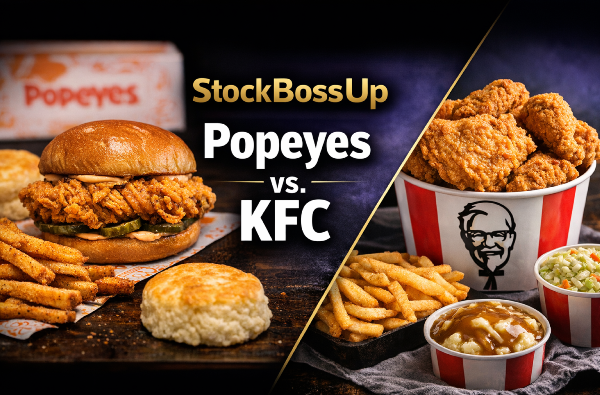
Investors love the restaurant sector because it blends brand power, predictable demand, and global expansion. Few categories show this better than fried chicken. Two names dominate the space: Popeyes and KFC. Both chains have loyal fans, strong international footprints, and parent companies with long track records. Yet the investment story behind each brand is very different.
Popeyes is part of Restaurant Brands International, traded as QSR. KFC sits under the Yum! Brands umbrella, traded as YUM. These two companies compete for market share, franchise growth, and investor attention. Their strategies shape how each brand performs in the long run.
This article breaks down the strengths, risks, and financial traits of each chain. It also looks at how the fried chicken market is changing and what that means for investors. By the end, you’ll have a clear view of which stock may fit your goals.
The Business Models Behind Popeyes and KFC
Popeyes and KFC both rely on a franchise‑heavy model. This means most restaurants are owned by independent operators who pay royalties and fees. The parent companies focus on marketing, menu innovation, and global expansion. This structure keeps costs low and margins high.
KFC has one of the largest global footprints in the restaurant world. It operates in more than 150 countries. Popeyes is smaller but growing fast, especially after its viral chicken sandwich launch in 2019. That single menu item reshaped the brand’s identity and boosted sales for years.
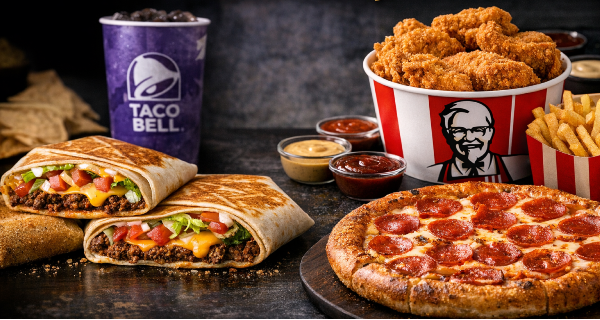
One key difference is how each parent company manages its portfolio. Yum! Brands owns KFC, Taco Bell, and Pizza Hut. Restaurant Brands International owns Popeyes, Burger King, and Tim Hortons. These portfolios influence how capital is allocated and how each brand grows.
Brand Strength and Market Position
KFC has been a global icon for decades. Its red‑and‑white branding and Colonel Sanders mascot are recognized worldwide. The chain is especially strong in Asia, where fried chicken is a major part of the fast‑food landscape. In some countries, KFC is more popular than burger chains.
Popeyes has a different identity. It leans into Louisiana‑style flavors, bold spices, and a more premium feel. The brand has fewer locations than KFC, but its menu is seen as higher quality by many customers. This helps Popeyes stand out in a crowded market.
A unique detail about KFC is that it was one of the first American fast‑food brands to enter China. That early move gave it a massive head start. Meanwhile, Popeyes has been expanding into new regions like the U.K., India, and South Korea.
Table 1: Parent Company Snapshot
| Brand |
Parent Company |
Ticker |
Global Units |
Primary Strength |
| Popeyes |
Restaurant Brands International |
QSR |
~4,300 |
Flavor‑driven menu and strong U.S. momentum |
| KFC |
Yum! Brands |
YUM |
~30,000 |
Massive global footprint and strong franchise network |
Revenue Growth and Expansion Strategy
Popeyes has been one of the fastest‑growing chicken chains in the U.S. Its expansion strategy focuses on new markets and franchise partnerships. The chain has been adding hundreds of locations each year. Many investors see Popeyes as a growth engine within the QSR portfolio.
KFC’s growth is more balanced. It expands steadily in emerging markets while refreshing older stores in mature regions. Its international strength helps stabilize revenue even when U.S. sales slow. This global diversification is a major advantage.
One interesting fact about Popeyes is that its chicken sandwich launch created one of the biggest social media waves in fast‑food history. That moment boosted brand awareness and helped the chain attract new franchisees.
Profitability and Margins
Both parent companies benefit from franchise royalties, which produce high margins. Yum! Brands has a long history of strong profitability. Its asset‑light model keeps costs predictable. KFC contributes a large share of Yum!’s operating profit.
Restaurant Brands International also enjoys strong margins, but its performance depends heavily on Burger King. Popeyes is a smaller part of the portfolio, though its growth helps lift overall results.
Margins can vary based on supply chain costs, labor trends, and international performance. KFC’s global scale gives it more leverage in negotiations. Popeyes benefits from simpler operations and a focused menu.
Table 2: Margin Comparison (Approximate)
| Metric |
Restaurant Brands International (QSR) |
Yum! Brands (YUM) |
| Operating Margin |
~30% |
~35% |
| Franchise Mix |
~100% |
~98% |
| Revenue Stability |
Moderate |
High |
Menu Innovation and Customer Loyalty
Menu innovation plays a major role in long‑term performance. Popeyes is known for bold flavors and limited‑time items. Its spicy chicken, biscuits, and seafood options attract loyal fans. The chain often uses social media to build hype.
KFC focuses on consistency and global appeal. It adapts its menu to local tastes. In Japan, KFC is a Christmas tradition. In China, it offers congee and rice bowls. This flexibility helps KFC stay relevant in diverse markets.
A surprising detail about KFC is that it once tested a “robotic restaurant” concept in China. Customers ordered through facial recognition kiosks, and automated systems prepared meals. This experiment showed how far the brand is willing to push technology.
Franchise Economics and Store-Level Performance
Franchise economics determine how fast a brand can grow. Popeyes has strong unit economics, with high average sales per store. This makes it attractive to franchisees. The chain’s simple menu and efficient kitchen layout help keep costs manageable.
KFC’s economics vary by region. In the U.S., competition is intense. Internationally, KFC often dominates the chicken category. Many franchisees operate multiple units, which helps them scale operations.
Restaurant Brands International has been investing in digital tools and delivery partnerships. Yum! Brands has done the same, especially through its acquisition of online ordering platforms.
Table 3: Franchise Investment Overview
| Factor |
Popeyes |
KFC |
| Average Unit Volume |
High |
Moderate to High |
| Global Franchise Demand |
Rising |
Very Strong |
| Digital Integration |
Improving |
Advanced in Asia |
Risk Factors for Investors
Every restaurant stock carries risks. For Popeyes, the biggest risk is competition. The chicken sandwich boom led many chains to launch similar items. This crowded the market. Popeyes must continue innovating to stay ahead.
KFC faces different risks. Its global footprint exposes it to currency swings, political issues, and regional slowdowns. A downturn in one major market can impact results. Yum! Brands also depends heavily on franchisee performance.
Supply chain costs affect both brands. Chicken prices can be volatile. Labor shortages can raise expenses. These factors influence store‑level profitability.
Long-Term Growth Outlook
Popeyes has strong long‑term potential. Its brand is still expanding into new countries. Many markets have room for hundreds of new stores. The chain’s focus on flavor and quality helps it stand out.
KFC’s long‑term outlook is also strong. Its global scale gives it stability. The chain continues to grow in emerging markets. Digital ordering, delivery, and new store formats support future expansion.
Investors should consider how each parent company balances its portfolio. Yum! Brands spreads risk across three major brands. Restaurant Brands International relies more heavily on Burger King, which has had mixed performance.
| Category |
Popeyes |
KFC |
| U.S. Growth |
Strong |
Moderate |
| International Growth |
Very Strong |
Extremely Strong |
| Brand Momentum |
High |
Stable |
Dividend Strength and Shareholder Returns
Both parent companies pay dividends. Yum! Brands has a long history of dividend growth. It returns a large share of cash to investors. Restaurant Brands International also pays a dividend, though its growth rate is slower.
Share buybacks play a role as well. Yum! Brands often repurchases shares to boost earnings per share. Restaurant Brands International uses buybacks more selectively.
Income‑focused investors may prefer Yum! Brands. Growth‑focused investors may lean toward Restaurant Brands International because of Popeyes’ expansion.
Competitive Landscape
The fried chicken market is more competitive than ever. Chains like Chick‑fil‑A, Wingstop, and Raising Cane’s continue to grow. These brands challenge both Popeyes and KFC in different ways.
Chick‑fil‑A dominates the premium chicken sandwich category. Wingstop leads in digital ordering and flavor variety. Raising Cane’s focuses on a simple menu and fast service. Each competitor shapes how Popeyes and KFC evolve.
Despite this, KFC and Popeyes remain two of the most recognized chicken brands in the world. Their scale and marketing power give them an edge.
Which Stock Fits Your Strategy?
Choosing between Popeyes (via QSR ) and KFC (via YUM) depends on your goals.
You may prefer Restaurant Brands International if you want:
- A fast‑growing chicken brand
- Strong U.S. momentum
- Expansion into new global markets
You may prefer Yum! Brands if you want:
- A stable, diversified restaurant portfolio
- Massive global scale
- Steady dividends and buybacks
Both companies offer long‑term potential. The key difference is growth vs. stability.
Final Thoughts
Popeyes and KFC are two of the strongest chicken chains in the world. Their parent companies use franchise models that generate high margins and predictable cash flow. Popeyes brings bold flavors and rapid expansion. KFC brings global dominance and steady performance.
Investors should look at brand momentum, international growth, and portfolio balance. Both stocks can play a role in a diversified restaurant portfolio. The choice depends on whether you want faster growth or stronger stability.
Both chains continue to shape the fried chicken market. As they expand into new regions and invest in digital tools, their long‑term outlook remains bright. For investors, the battle between Popeyes and KFC is less about which brand tastes better and more about which strategy fits your goals.
🍽️ Hungry for More? Explore Our Deep Dives
Boost your investment portfolio with our expert analysis of the restaurant industry. Select a category below to discover the next big mover in the food space.








Investors love the restaurant sector because it blends brand power, predictable demand, and global expansion. Few categories show this better than fried chicken. Two names dominate the space: Popeyes and KFC. Both chains have loyal fans, strong international footprints, and parent companies with long track records. Yet the investment story behind each brand is very different.
Popeyes is part of Restaurant Brands International, traded as QSR. KFC sits under the Yum! Brands umbrella, traded as YUM. These two companies compete for market share, franchise growth, and investor attention. Their strategies shape how each brand performs in the long run.
This article breaks down the strengths, risks, and financial traits of each chain. It also looks at how the fried chicken market is changing and what that means for investors. By the end, you’ll have a clear view of which stock may fit your goals.
The Business Models Behind Popeyes and KFC
Popeyes and KFC both rely on a franchise‑heavy model. This means most restaurants are owned by independent operators who pay royalties and fees. The parent companies focus on marketing, menu innovation, and global expansion. This structure keeps costs low and margins high.
KFC has one of the largest global footprints in the restaurant world. It operates in more than 150 countries. Popeyes is smaller but growing fast, especially after its viral chicken sandwich launch in 2019. That single menu item reshaped the brand’s identity and boosted sales for years.
One key difference is how each parent company manages its portfolio. Yum! Brands owns KFC, Taco Bell, and Pizza Hut. Restaurant Brands International owns Popeyes, Burger King, and Tim Hortons. These portfolios influence how capital is allocated and how each brand grows.
Brand Strength and Market Position
KFC has been a global icon for decades. Its red‑and‑white branding and Colonel Sanders mascot are recognized worldwide. The chain is especially strong in Asia, where fried chicken is a major part of the fast‑food landscape. In some countries, KFC is more popular than burger chains.
Popeyes has a different identity. It leans into Louisiana‑style flavors, bold spices, and a more premium feel. The brand has fewer locations than KFC, but its menu is seen as higher quality by many customers. This helps Popeyes stand out in a crowded market.
A unique detail about KFC is that it was one of the first American fast‑food brands to enter China. That early move gave it a massive head start. Meanwhile, Popeyes has been expanding into new regions like the U.K., India, and South Korea.
Table 1: Parent Company Snapshot
Revenue Growth and Expansion Strategy
Popeyes has been one of the fastest‑growing chicken chains in the U.S. Its expansion strategy focuses on new markets and franchise partnerships. The chain has been adding hundreds of locations each year. Many investors see Popeyes as a growth engine within the QSR portfolio.
KFC’s growth is more balanced. It expands steadily in emerging markets while refreshing older stores in mature regions. Its international strength helps stabilize revenue even when U.S. sales slow. This global diversification is a major advantage.
One interesting fact about Popeyes is that its chicken sandwich launch created one of the biggest social media waves in fast‑food history. That moment boosted brand awareness and helped the chain attract new franchisees.
Profitability and Margins
Both parent companies benefit from franchise royalties, which produce high margins. Yum! Brands has a long history of strong profitability. Its asset‑light model keeps costs predictable. KFC contributes a large share of Yum!’s operating profit.
Restaurant Brands International also enjoys strong margins, but its performance depends heavily on Burger King. Popeyes is a smaller part of the portfolio, though its growth helps lift overall results.
Margins can vary based on supply chain costs, labor trends, and international performance. KFC’s global scale gives it more leverage in negotiations. Popeyes benefits from simpler operations and a focused menu.
Table 2: Margin Comparison (Approximate)
Menu Innovation and Customer Loyalty
Menu innovation plays a major role in long‑term performance. Popeyes is known for bold flavors and limited‑time items. Its spicy chicken, biscuits, and seafood options attract loyal fans. The chain often uses social media to build hype.
KFC focuses on consistency and global appeal. It adapts its menu to local tastes. In Japan, KFC is a Christmas tradition. In China, it offers congee and rice bowls. This flexibility helps KFC stay relevant in diverse markets.
A surprising detail about KFC is that it once tested a “robotic restaurant” concept in China. Customers ordered through facial recognition kiosks, and automated systems prepared meals. This experiment showed how far the brand is willing to push technology.
Franchise Economics and Store-Level Performance
Franchise economics determine how fast a brand can grow. Popeyes has strong unit economics, with high average sales per store. This makes it attractive to franchisees. The chain’s simple menu and efficient kitchen layout help keep costs manageable.
KFC’s economics vary by region. In the U.S., competition is intense. Internationally, KFC often dominates the chicken category. Many franchisees operate multiple units, which helps them scale operations.
Restaurant Brands International has been investing in digital tools and delivery partnerships. Yum! Brands has done the same, especially through its acquisition of online ordering platforms.
Table 3: Franchise Investment Overview
Risk Factors for Investors
Every restaurant stock carries risks. For Popeyes, the biggest risk is competition. The chicken sandwich boom led many chains to launch similar items. This crowded the market. Popeyes must continue innovating to stay ahead.
KFC faces different risks. Its global footprint exposes it to currency swings, political issues, and regional slowdowns. A downturn in one major market can impact results. Yum! Brands also depends heavily on franchisee performance.
Supply chain costs affect both brands. Chicken prices can be volatile. Labor shortages can raise expenses. These factors influence store‑level profitability.
Long-Term Growth Outlook
Popeyes has strong long‑term potential. Its brand is still expanding into new countries. Many markets have room for hundreds of new stores. The chain’s focus on flavor and quality helps it stand out.
KFC’s long‑term outlook is also strong. Its global scale gives it stability. The chain continues to grow in emerging markets. Digital ordering, delivery, and new store formats support future expansion.
Investors should consider how each parent company balances its portfolio. Yum! Brands spreads risk across three major brands. Restaurant Brands International relies more heavily on Burger King, which has had mixed performance.
Dividend Strength and Shareholder Returns
Both parent companies pay dividends. Yum! Brands has a long history of dividend growth. It returns a large share of cash to investors. Restaurant Brands International also pays a dividend, though its growth rate is slower.
Share buybacks play a role as well. Yum! Brands often repurchases shares to boost earnings per share. Restaurant Brands International uses buybacks more selectively.
Income‑focused investors may prefer Yum! Brands. Growth‑focused investors may lean toward Restaurant Brands International because of Popeyes’ expansion.
Competitive Landscape
The fried chicken market is more competitive than ever. Chains like Chick‑fil‑A, Wingstop, and Raising Cane’s continue to grow. These brands challenge both Popeyes and KFC in different ways.
Chick‑fil‑A dominates the premium chicken sandwich category. Wingstop leads in digital ordering and flavor variety. Raising Cane’s focuses on a simple menu and fast service. Each competitor shapes how Popeyes and KFC evolve.
Despite this, KFC and Popeyes remain two of the most recognized chicken brands in the world. Their scale and marketing power give them an edge.
Which Stock Fits Your Strategy?
Choosing between Popeyes (via QSR ) and KFC (via YUM) depends on your goals.
You may prefer Restaurant Brands International if you want:
You may prefer Yum! Brands if you want:
Both companies offer long‑term potential. The key difference is growth vs. stability.
Final Thoughts
Popeyes and KFC are two of the strongest chicken chains in the world. Their parent companies use franchise models that generate high margins and predictable cash flow. Popeyes brings bold flavors and rapid expansion. KFC brings global dominance and steady performance.
Investors should look at brand momentum, international growth, and portfolio balance. Both stocks can play a role in a diversified restaurant portfolio. The choice depends on whether you want faster growth or stronger stability.
Both chains continue to shape the fried chicken market. As they expand into new regions and invest in digital tools, their long‑term outlook remains bright. For investors, the battle between Popeyes and KFC is less about which brand tastes better and more about which strategy fits your goals.
🍽️ Hungry for More? Explore Our Deep Dives
Boost your investment portfolio with our expert analysis of the restaurant industry. Select a category below to discover the next big mover in the food space.
• The Top Restaurant Stocks
• Domino's (DPZ) vs. Pizza Hut (YUM)
• Taco Bell vs. Chipotle (CMG)
• Asian Cuisine & Beverage Stocks
• Top Rated Fast Food Stocks
• Popeyes vs. KFC: The Crown Fight
• Top Sit Down Restaurants
• Battle of Fine Dining Stocks
• Battle of Family Restaurants
• Cracker Barrel vs. Cheesecake Factory
• Dessert & Treat Chain Analysis