🔑 Key Takeaways: Beverage Mix & Restaurant Profitability
🥤 **Beverages Deliver the Highest Margins in Restaurants**
Low ingredient costs, minimal labor, and strong premium‑pricing power make beverages the most profitable category on the menu, often outperforming food by a wide margin.
📈 **Shifts in Beverage Mix Can Dramatically Change Earnings**
Moving customers toward higher‑margin drinks—like alcohol, specialty coffees, or premium beverages—can significantly lift profitability and even influence EPS for publicly traded chains.
🏆 **Top Chains Win by Mastering Beverage Strategy**
Brands like Starbucks, Chipotle, and major casual‑dining chains excel by promoting high‑margin drinks, innovating seasonal offerings, and using personalization to increase beverage sales.
🚀 **Innovation, Technology, and Trends Shape Future Beverage Growth**
Health‑conscious drinks, alcohol alternatives, sustainability, and tech‑driven upselling will define the next wave of beverage profitability and competitive advantage.
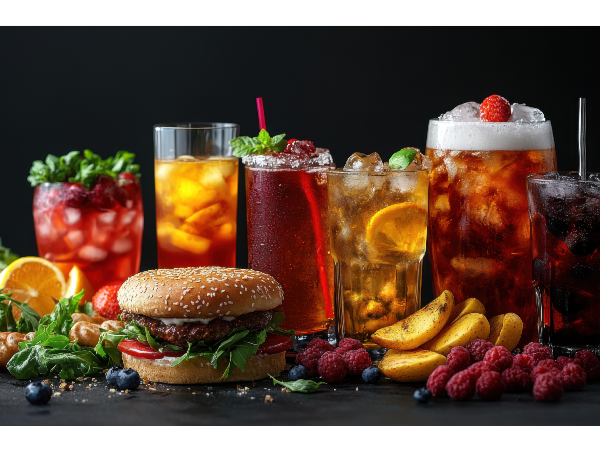
In the restaurant industry, beverage sales often play a surprisingly large role in overall profitability. Drinks, from soft beverages to alcoholic options, tend to have higher profit margins than food items. Changes in beverage mix—the proportion of different drinks sold—can significantly affect earnings. This article explores why beverages command high margins, how shifts in the beverage mix influence restaurant profits, and which chains excel at leveraging beverage strategy to boost their bottom line.
Why Beverages Have the Highest Margins
Beverages typically have the highest profit margins in a restaurant for several reasons. First, the cost of ingredients for many drinks is low compared to their selling price. For example, soda syrup or coffee beans cost only a fraction of what customers pay.
Second, drinks often require less preparation time and lower labor costs than food. This efficiency adds to profitability. Third, many beverages—especially alcohol—carry a "premium pricing" ability, allowing restaurants to charge significantly more than the cost of goods sold.
Additionally, beverages can encourage higher customer spend per visit. Upselling drinks or offering specialty beverages adds incremental revenue without much incremental cost.
How Beverage Mix Shifts Affect Earnings
Changes in the types of beverages sold—referred to as the beverage mix—can have an outsized effect on earnings. For instance, a shift from non-alcoholic soft drinks to higher-margin alcoholic beverages can boost profitability.
Similarly, an increase in specialty or premium beverages, such as craft cocktails, gourmet coffee, or fresh juices, can raise average check sizes and margins.
Conversely, if a restaurant sees declining sales in high-margin beverages or an increased share of low-margin drinks like water, profits may suffer even if total sales remain steady.
Understanding and managing beverage mix is therefore crucial for restaurants aiming to maximize margins and overall profitability.
Chains That Leverage Beverage Strategy Best
Some restaurant chains have mastered beverage strategy as a core component of their profitability. They focus on promoting high-margin drinks, developing innovative beverage menus, and tailoring offerings to customer preferences.
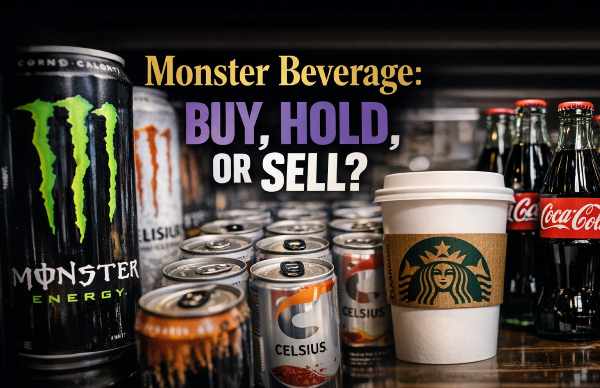
Starbucks (SBUX) is a prime example. Its focus on premium coffee drinks and seasonal beverages contributes substantially to its strong margins. Starbucks also uses limited-time offers and personalization to drive beverage sales.
Fast-casual chains like Chipotle Mexican Grill (CMG) have also expanded beverage offerings with premium teas and specialty drinks, increasing the share of high-margin sales.
Casual dining and bar-focused restaurants often rely heavily on alcoholic beverages, which can account for a large portion of profits. Chains like Darden Restaurants (owner of Olive Garden and LongHorn Steakhouse) strategically promote cocktails, wine, and beer to boost margins.
| Restaurant Type |
Average Food Margin |
Average Beverage Margin |
Beverage Sales as % of Revenue |
| Quick Service (QSR) |
20–30% |
60–80% |
15–25% |
| Fast Casual |
25–35% |
50–70% |
20–30% |
| Full Service |
30–40% |
65–85% |
25–40% |
| Bars & Nightclubs |
25–35% |
70–90% |
40–60% |
Some high-volume chains report that beverages make up less than a quarter of total sales but contribute over half of the gross profit, highlighting their outsized margin impact.
Impact of Beverage Mix on Earnings Per Share (EPS)
For publicly traded restaurant companies, beverage mix shifts can directly influence earnings per share (EPS). As margins on beverages are higher, an increase in beverage sales relative to food can lift overall profitability and EPS.
Conversely, pressure to reduce alcoholic beverage sales due to regulatory changes or health trends can lead to margin compression.
Investors closely watch beverage sales trends in quarterly earnings reports as key indicators of margin health and growth potential.
The pricing of alcoholic beverages can sometimes reach 500% or more above cost, making them one of the most lucrative items on a menu.
How Beverage Innovation Drives Profitability
Innovation in beverages can lead to improved mix and higher margins. This includes introducing new flavors, seasonal drinks, health-conscious options like kombucha or cold brew coffee, and premium alcoholic selections.
Limited-time offerings and beverage pairings encourage customers to try new items and increase spend. For example, pairing a signature cocktail with a menu item can raise average order value.
Technology also plays a role. Mobile ordering apps often highlight beverage upsells or personalized recommendations based on purchase history.
Managing Costs While Maximizing Beverage Revenue
While beverages offer high margins, cost management remains important. Wastage, over-pouring, and theft can erode profits. Implementing strict inventory controls, staff training, and automated dispensing systems help maintain margin integrity.
Pricing strategies—such as happy hours, bundling, or premium pricing—must balance driving sales volume with margin preservation
| Factor |
Description |
Impact on Margins |
| Ingredient Cost |
Low raw material cost relative to price |
High gross margin |
| Preparation Labor |
Minimal for many beverages |
Lower operating costs |
| Pricing Strategy |
Premium pricing and upselling |
Increased average check size |
| Waste & Theft |
Losses from over‑pouring or spoilage |
Margin erosion if unmanaged |
| Innovation & Mix |
New drinks and shift to higher‑margin items |
Improved profitability and customer interest |
Chains Excelling in Beverage Mix Optimization
Besides Starbucks and Chipotle, other chains stand out. Dunkin' Brands (owner of Dunkin’ Donuts) focuses heavily on coffee and beverage innovation, driving strong beverage margin contribution.
Buffalo Wild Wings emphasizes alcoholic beverages and sports bar atmosphere to maximize drink sales during peak hours.
Domino’s Pizza (DPZ) complements its food offerings with soft drinks and specialty drinks to increase per order revenue.
Consumer Trends Impacting Beverage Mix
Health trends are shifting beverage demand. Consumers increasingly seek low-calorie, low-sugar, and non-alcoholic options. Restaurants respond with sparkling waters, flavored teas, and mocktails.
Sustainability concerns also affect beverage choices. Eco-friendly packaging and sourcing ethical ingredients resonate with conscious consumers.
These trends require restaurants to continually adapt beverage menus to maintain margins and meet customer expectations.
| Trend |
Description |
Potential Impact |
| Health‑Conscious Drinks |
Low‑calorie, organic, non‑alcoholic options |
Attract new customers, margin pressure |
| Premium & Craft Drinks |
Specialty coffees, craft cocktails |
Higher average spend, margin growth |
| Sustainable Packaging |
Eco‑friendly cups and straws |
Brand loyalty, possible cost increase |
| Alcohol Alternatives |
Non‑alcoholic spirits and mocktails |
Expands market, diversifies revenue |
The Future of Beverage Strategy in Restaurants
Beverage mix will remain a vital lever for restaurant profitability. Advances in technology will allow better data-driven decisions about pricing, inventory, and promotions.
Personalization and customization will grow, letting customers tailor beverages while increasing spend.
Sustainability and health trends will continue shaping menus, requiring innovation balanced with margin considerations.
Conclusion
Beverage mix has an outsized impact on restaurant profitability due to high margins and influence on customer spending. Managing beverage strategy effectively—through pricing, innovation, and cost control—can significantly boost earnings.
Starbucks (SBUX), Chipotle (CMG), and other chains show how focusing on beverages supports strong margins and shareholder value.
Investors and operators alike benefit from understanding the critical role beverage mix plays in restaurant success.
📑 The Restaurant Investor’s Knowledge Vault
Master the Market: Navigate through our specialized research silos to uncover high-growth opportunities in the dining and consumer sectors.
🏛️ Authority Hubs
🛠️ Strategic Analysis & Unit Economics
Deep dives into how restaurant brands scale, survive, and outperform the competition.
⚡ Growth, Innovation & Loyalty
Tracking the next generation of industry leaders and tech-driven profitability.
📉 Macro Trends & Operational Margins
Navigating inflation, supply chains, and the seasonal nature of the hospitality business.
🧠 Consumer Trends & Behavior
Understanding the "Why" behind the "Where" when consumers choose to dine.






🔑 Key Takeaways: Beverage Mix & Restaurant Profitability
🥤 **Beverages Deliver the Highest Margins in Restaurants**
Low ingredient costs, minimal labor, and strong premium‑pricing power make beverages the most profitable category on the menu, often outperforming food by a wide margin.📈 **Shifts in Beverage Mix Can Dramatically Change Earnings**
Moving customers toward higher‑margin drinks—like alcohol, specialty coffees, or premium beverages—can significantly lift profitability and even influence EPS for publicly traded chains.🏆 **Top Chains Win by Mastering Beverage Strategy**
Brands like Starbucks, Chipotle, and major casual‑dining chains excel by promoting high‑margin drinks, innovating seasonal offerings, and using personalization to increase beverage sales.🚀 **Innovation, Technology, and Trends Shape Future Beverage Growth**
Health‑conscious drinks, alcohol alternatives, sustainability, and tech‑driven upselling will define the next wave of beverage profitability and competitive advantage.In the restaurant industry, beverage sales often play a surprisingly large role in overall profitability. Drinks, from soft beverages to alcoholic options, tend to have higher profit margins than food items. Changes in beverage mix—the proportion of different drinks sold—can significantly affect earnings. This article explores why beverages command high margins, how shifts in the beverage mix influence restaurant profits, and which chains excel at leveraging beverage strategy to boost their bottom line.
Why Beverages Have the Highest Margins
Beverages typically have the highest profit margins in a restaurant for several reasons. First, the cost of ingredients for many drinks is low compared to their selling price. For example, soda syrup or coffee beans cost only a fraction of what customers pay.
Second, drinks often require less preparation time and lower labor costs than food. This efficiency adds to profitability. Third, many beverages—especially alcohol—carry a "premium pricing" ability, allowing restaurants to charge significantly more than the cost of goods sold.
Additionally, beverages can encourage higher customer spend per visit. Upselling drinks or offering specialty beverages adds incremental revenue without much incremental cost.
How Beverage Mix Shifts Affect Earnings
Changes in the types of beverages sold—referred to as the beverage mix—can have an outsized effect on earnings. For instance, a shift from non-alcoholic soft drinks to higher-margin alcoholic beverages can boost profitability.
Similarly, an increase in specialty or premium beverages, such as craft cocktails, gourmet coffee, or fresh juices, can raise average check sizes and margins.
Conversely, if a restaurant sees declining sales in high-margin beverages or an increased share of low-margin drinks like water, profits may suffer even if total sales remain steady.
Understanding and managing beverage mix is therefore crucial for restaurants aiming to maximize margins and overall profitability.
Chains That Leverage Beverage Strategy Best
Some restaurant chains have mastered beverage strategy as a core component of their profitability. They focus on promoting high-margin drinks, developing innovative beverage menus, and tailoring offerings to customer preferences.
Starbucks (SBUX) is a prime example. Its focus on premium coffee drinks and seasonal beverages contributes substantially to its strong margins. Starbucks also uses limited-time offers and personalization to drive beverage sales.
Fast-casual chains like Chipotle Mexican Grill (CMG) have also expanded beverage offerings with premium teas and specialty drinks, increasing the share of high-margin sales.
Casual dining and bar-focused restaurants often rely heavily on alcoholic beverages, which can account for a large portion of profits. Chains like Darden Restaurants (owner of Olive Garden and LongHorn Steakhouse) strategically promote cocktails, wine, and beer to boost margins.
Impact of Beverage Mix on Earnings Per Share (EPS)
For publicly traded restaurant companies, beverage mix shifts can directly influence earnings per share (EPS). As margins on beverages are higher, an increase in beverage sales relative to food can lift overall profitability and EPS.
Conversely, pressure to reduce alcoholic beverage sales due to regulatory changes or health trends can lead to margin compression.
Investors closely watch beverage sales trends in quarterly earnings reports as key indicators of margin health and growth potential.
How Beverage Innovation Drives Profitability
Innovation in beverages can lead to improved mix and higher margins. This includes introducing new flavors, seasonal drinks, health-conscious options like kombucha or cold brew coffee, and premium alcoholic selections.
Limited-time offerings and beverage pairings encourage customers to try new items and increase spend. For example, pairing a signature cocktail with a menu item can raise average order value.
Technology also plays a role. Mobile ordering apps often highlight beverage upsells or personalized recommendations based on purchase history.
Managing Costs While Maximizing Beverage Revenue While beverages offer high margins, cost management remains important. Wastage, over-pouring, and theft can erode profits. Implementing strict inventory controls, staff training, and automated dispensing systems help maintain margin integrity.
Pricing strategies—such as happy hours, bundling, or premium pricing—must balance driving sales volume with margin preservation
Chains Excelling in Beverage Mix Optimization
Besides Starbucks and Chipotle, other chains stand out. Dunkin' Brands (owner of Dunkin’ Donuts) focuses heavily on coffee and beverage innovation, driving strong beverage margin contribution.
Buffalo Wild Wings emphasizes alcoholic beverages and sports bar atmosphere to maximize drink sales during peak hours.
Domino’s Pizza (DPZ) complements its food offerings with soft drinks and specialty drinks to increase per order revenue.
Consumer Trends Impacting Beverage Mix
Health trends are shifting beverage demand. Consumers increasingly seek low-calorie, low-sugar, and non-alcoholic options. Restaurants respond with sparkling waters, flavored teas, and mocktails.
Sustainability concerns also affect beverage choices. Eco-friendly packaging and sourcing ethical ingredients resonate with conscious consumers.
These trends require restaurants to continually adapt beverage menus to maintain margins and meet customer expectations.
The Future of Beverage Strategy in Restaurants
Beverage mix will remain a vital lever for restaurant profitability. Advances in technology will allow better data-driven decisions about pricing, inventory, and promotions.
Personalization and customization will grow, letting customers tailor beverages while increasing spend.
Sustainability and health trends will continue shaping menus, requiring innovation balanced with margin considerations.
Conclusion
Beverage mix has an outsized impact on restaurant profitability due to high margins and influence on customer spending. Managing beverage strategy effectively—through pricing, innovation, and cost control—can significantly boost earnings.
Starbucks (SBUX), Chipotle (CMG), and other chains show how focusing on beverages supports strong margins and shareholder value.
Investors and operators alike benefit from understanding the critical role beverage mix plays in restaurant success.
📑 The Restaurant Investor’s Knowledge Vault
🏛️ Authority Hubs
🛠️ Strategic Analysis & Unit Economics
Deep dives into how restaurant brands scale, survive, and outperform the competition.
⚡ Growth, Innovation & Loyalty
Tracking the next generation of industry leaders and tech-driven profitability.
📉 Macro Trends & Operational Margins
Navigating inflation, supply chains, and the seasonal nature of the hospitality business.
🧠 Consumer Trends & Behavior
Understanding the "Why" behind the "Where" when consumers choose to dine.