Last updated on April 12th 2026 by Chaster Johnson
🐾 Key Takeaways: Why Pet‑Friendly Dining Matters for Restaurants & Investors
Pet‑friendly dining is a fast‑growing consumer trend with major spending power
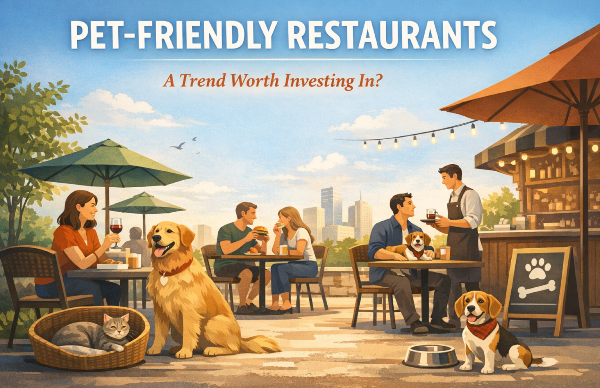
Pet-friendly dining has shifted from niche to mainstream as more households treat pets like family. Pet spending in the United States has grown for more than 20 straight years, and many dog owners choose restaurants specifically based on pet policies. This creates a stable, emotionally driven revenue stream that restaurants can tap into with minimal investment.
Pet‑friendly features boost loyalty, check sizes, and organic marketing
Restaurants that welcome pets see longer visits, higher spending, and more repeat traffic. Pet owners tend to stay longer, order more, and return more often. Social media amplifies this effect, with pet photos driving free brand exposure. Low‑cost upgrades like water stations, shaded patios, and dog treats deliver outsized returns.
Outdoor dining is the structural advantage powering the trend
Outdoor dining surged in recent years, giving restaurants a natural foundation for pet-friendly policies. Outdoor dining exploded in popularity, and brands with strong patio footprints — such as Shake Shack and Starbucks — are positioned to benefit most. Expanded patios increase capacity, improve customer experience, and align perfectly with pet‑owner behavior.
Investors often overlook the opportunity because it’s a cultural shift, not a traditional metric
Pet-friendly dining doesn’t appear in standard financial metrics, causing many investors to underestimate its long-term value. Pet-friendly dining doesn’t always show up in these numbers. It’s a cultural shift, not a line item. Yet the upgrades are low-cost, and the payoff comes through loyalty, community engagement, and higher traffic — especially for brands already investing in outdoor dining.
Pet-friendly restaurants are popping up in cities, suburbs, and even small towns. Investors see the rise, but many still hesitate. The challenge is simple: the demand is growing fast, yet most restaurant brands have not figured out how to turn that demand into steady revenue.
Pet-friendly dining is no longer a niche idea. It’s becoming a lifestyle choice for millions of people. As more households treat pets like family, restaurants that welcome dogs and other animals gain an edge. But the real question is whether this trend can translate into long-term value for investors.
Why Are So Many Restaurants Missing Out on Pet Owners?
Many restaurants underestimate how much pet owners spend when they can bring their animals along. Outdoor patios, dog menus, and branded events are simple upgrades, yet many chains still avoid them. Some fear health regulations. Others worry about extra cleaning. But the biggest reason is that they don’t see the financial upside clearly.
Pet owners tend to stay longer, order more, and return more often. They also share their experiences online, which boosts organic marketing. Restaurants that ignore this group risk losing a loyal customer base to competitors who embrace the trend.
A growing number of chains are experimenting with pet-friendly features. Some offer dog treats at the counter. Others host “yappy hour” events. A few even design patios specifically for pets. These early adopters are learning something important: pet owners reward brands that welcome their animals.
How Big Is the Spending Power Behind Pet-Friendly Dining?
Pet spending in the United States has grown for more than 20 straight years. Even during economic downturns, pet owners continue to spend on food, grooming, and experiences. Restaurants that tap into this spending gain a new revenue stream that is both stable and emotionally driven.
One national survey found that many dog owners choose restaurants based on whether their pets are allowed. This means pet-friendly policies can influence where entire families eat. It also means restaurants can attract customers who might otherwise stay home.
Here is a simple breakdown of how pet-friendly dining aligns with consumer behavior:
| Category |
Trend |
Impact on Restaurants |
| Pet ownership |
Rising nationwide |
Larger customer base |
| Outdoor dining |
Increasing |
More patio demand |
| Social media |
Pet content booming |
Free brand exposure |
| Spending on pets |
Growing yearly |
Higher average check sizes |
Restaurants that understand these patterns can build stronger customer relationships. They can also create new marketing opportunities that cost very little.
Why Do Some Chains Thrive With Pet-Friendly Policies While Others Struggle?
The difference often comes down to operations. Chains with flexible layouts and strong outdoor seating adapt quickly. Those with limited space or strict franchise rules move slower. Investors should watch how each brand handles this shift.
For example, some fast-casual chains already rely heavily on outdoor seating. This gives them a natural advantage. Others, especially those in dense urban areas, face more challenges. But even small changes—like adding water bowls or pet stations—can make a big difference.
A few publicly traded companies have started leaning into outdoor dining trends. Chipotle (CMG) expanded patios in several markets. Starbucks (SBUX) continues to offer “puppuccinos,” which became a viral hit. These small gestures build loyalty without major investment.
One interesting detail is that some restaurants discovered that dog-friendly patios reduce customer turnover problems. When people bring pets, they tend to stay relaxed and patient, which helps staff manage peak times more smoothly.
What Hidden Advantages Do Pet-Friendly Restaurants Gain?
Restaurants that welcome pets gain more than extra sales. They also benefit from stronger branding. Pet owners often share photos of their animals at restaurants. This creates free advertising and builds emotional connections with the brand.
Another advantage is community engagement. Pet-friendly events attract local groups, rescue organizations, and families. These events can fill slow hours and bring in new customers. They also help restaurants stand out in crowded markets.
Here is a look at how pet-friendly features influence customer behavior:
| Feature |
Customer Response |
Business Benefit |
| Dog treats |
Positive surprise |
Higher satisfaction |
| Pet menus |
Social media buzz |
Free marketing |
| Shaded patios |
Longer visits |
Higher check sizes |
| Water stations |
Convenience |
Repeat visits |
Restaurants that combine these features with good service often see strong results. They also build a reputation for being welcoming and community-focused.
Why Do Investors Overlook This Growing Market?
Many investors focus on traditional metrics like same-store sales, labor costs, and menu innovation. Pet-friendly dining doesn’t always show up in these numbers. It’s a cultural shift, not a line item. But cultural shifts often lead to long-term growth.
Investors sometimes assume pet-friendly features are expensive. In reality, most upgrades are low-cost. Water bowls, shade umbrellas, and simple patio improvements can create a big impact. The return on investment comes from increased traffic and stronger loyalty.
Another reason investors overlook this trend is that it doesn’t fit neatly into existing categories. It’s not fast food, not tech, and not a traditional consumer trend. It sits at the intersection of lifestyle, hospitality, and pet care.
Interestingly, some restaurants discovered that dogs help reduce customer stress levels, which leads to fewer complaints and higher tips. This creates a more positive environment for both staff and guests.
What Role Does Outdoor Dining Play in This Trend?
Outdoor dining exploded in popularity during recent years. Many restaurants built patios, parklets, and sidewalk seating. These spaces naturally support pet-friendly policies. As a result, restaurants with strong outdoor setups are positioned to benefit the most.
Outdoor dining also helps restaurants expand capacity without major construction. It creates a relaxed atmosphere that appeals to families and pet owners. It also gives restaurants more flexibility during busy seasons.
Some chains are redesigning their stores to include larger patios. Shake Shack (SHAK) has leaned into outdoor seating as part of its brand identity. This positions them well for pet-friendly growth.
Here is a comparison of how outdoor dining affects different restaurant types:
| Restaurant Type |
Outdoor Potential |
Pet-Friendly Fit |
| Fast casual |
High |
Strong |
| Coffee shops |
Very high |
Excellent |
| Full service |
Moderate |
Good |
| Quick service |
Low to moderate |
Varies |
Investors should watch which brands expand their outdoor footprint. These companies may benefit from both pet-friendly demand and general outdoor dining trends.
Why Are Local Restaurants Leading the Way?
Independent restaurants often adopt pet-friendly policies faster than national chains. They have more flexibility and can adjust quickly to customer preferences. Many local spots already rely on outdoor seating, which makes the transition easier.
Local restaurants also benefit from strong community ties. Pet-friendly events help them connect with customers on a personal level. This builds loyalty and encourages repeat visits.
Some local restaurants even create branded dog treats or host adoption events. These activities generate buzz and attract new customers. They also help restaurants stand out in competitive markets.
Some cities have gone so far as to track pet-friendly dining as part of their tourism strategy. This means local restaurants may receive support or incentives to expand pet-friendly features.
What Risks Should Investors Consider?
Pet-friendly dining is promising, but it’s not risk-free. Restaurants must follow health regulations, which vary by state. They also need to manage cleanliness and safety. Not all customers are comfortable around animals, so restaurants must balance different preferences.
Another risk is weather. Outdoor dining depends on climate. Restaurants in colder regions may struggle to maintain pet-friendly spaces year-round. However, many chains now use heaters, wind barriers, and covered patios to extend the season.
Investors should also consider operational challenges. Staff must be trained to handle pets safely. Restaurants must maintain clear rules to avoid conflicts. These challenges are manageable, but they require planning.
Which Publicly Traded Companies Could Benefit Most?
Several restaurant companies are positioned to gain from pet-friendly dining trends. These brands already emphasize outdoor seating, community engagement, or flexible store designs.
Potential beneficiaries include:
- Starbucks (SBUX)
- Chipotle (CMG)
- Shake Shack (SHAK)
- Texas Roadhouse (TXRH)
- Brinker International (EAT)
These companies already invest in outdoor dining or community-focused branding. Pet-friendly features align naturally with their strategies.
Here is a simple comparison of how these brands align with pet-friendly opportunities:
| Company |
Outdoor Focus |
Community Engagement |
Pet-Friendly Potential |
| SBUX |
Strong |
Strong |
High |
| CMG |
Moderate |
Moderate |
Medium |
| SHAK |
Strong |
Strong |
High |
| TXRH |
Moderate |
Strong |
Medium |
| EAT |
Moderate |
Moderate |
Medium |
Investors should watch how these companies expand patios, test new features, or promote pet-friendly events.
What Does the Future Look Like for Pet-Friendly Dining?
The trend is still growing. Younger generations treat pets like family. They want experiences that include their animals. Restaurants that adapt will gain a competitive edge while some that ignore the trend may fall behind.
Technology may also play a role. Some restaurants already use apps to manage patio seating or promote pet-friendly events. Others partner with pet brands for co-branded products. These partnerships create new revenue streams and marketing opportunities.
As cities redesign public spaces, outdoor dining will continue to expand. This creates more room for pet-friendly policies. It also helps restaurants reach customers who prefer open-air environments.
So What’s the Real Opportunity for Investors?
The opportunity lies in understanding how cultural shifts shape restaurant behavior. Pet-friendly dining is not a fad. It’s part of a larger movement toward outdoor experiences, community engagement, and lifestyle-driven spending.
Restaurants that embrace this trend gain loyal customers, free marketing, and higher check sizes. Investors who recognize these patterns early can identify brands with long-term potential.
Restaurants struggle to turn pet-friendly demand into revenue. The solution is a mindset. Restaurants that see pets as part of the dining experience, not an inconvenience, will lead the next wave of growth.
🔥 Read More: Explore the Restaurant & Consumer Discretionary Universe
⚙️ Tech & Innovation
🎯 Niche & Thematic Angles












Last updated on April 12th 2026 by Chaster Johnson
🐾 Key Takeaways: Why Pet‑Friendly Dining Matters for Restaurants & Investors
Pet‑friendly dining is a fast‑growing consumer trend with major spending power
Pet-friendly dining has shifted from niche to mainstream as more households treat pets like family. Pet spending in the United States has grown for more than 20 straight years, and many dog owners choose restaurants specifically based on pet policies. This creates a stable, emotionally driven revenue stream that restaurants can tap into with minimal investment.
Pet‑friendly features boost loyalty, check sizes, and organic marketing
Restaurants that welcome pets see longer visits, higher spending, and more repeat traffic. Pet owners tend to stay longer, order more, and return more often. Social media amplifies this effect, with pet photos driving free brand exposure. Low‑cost upgrades like water stations, shaded patios, and dog treats deliver outsized returns.
Outdoor dining is the structural advantage powering the trend
Outdoor dining surged in recent years, giving restaurants a natural foundation for pet-friendly policies. Outdoor dining exploded in popularity, and brands with strong patio footprints — such as Shake Shack and Starbucks — are positioned to benefit most. Expanded patios increase capacity, improve customer experience, and align perfectly with pet‑owner behavior.
Investors often overlook the opportunity because it’s a cultural shift, not a traditional metric
Pet-friendly dining doesn’t appear in standard financial metrics, causing many investors to underestimate its long-term value. Pet-friendly dining doesn’t always show up in these numbers. It’s a cultural shift, not a line item. Yet the upgrades are low-cost, and the payoff comes through loyalty, community engagement, and higher traffic — especially for brands already investing in outdoor dining.
Pet-friendly restaurants are popping up in cities, suburbs, and even small towns. Investors see the rise, but many still hesitate. The challenge is simple: the demand is growing fast, yet most restaurant brands have not figured out how to turn that demand into steady revenue.
Pet-friendly dining is no longer a niche idea. It’s becoming a lifestyle choice for millions of people. As more households treat pets like family, restaurants that welcome dogs and other animals gain an edge. But the real question is whether this trend can translate into long-term value for investors.
Why Are So Many Restaurants Missing Out on Pet Owners?
Many restaurants underestimate how much pet owners spend when they can bring their animals along. Outdoor patios, dog menus, and branded events are simple upgrades, yet many chains still avoid them. Some fear health regulations. Others worry about extra cleaning. But the biggest reason is that they don’t see the financial upside clearly.
Pet owners tend to stay longer, order more, and return more often. They also share their experiences online, which boosts organic marketing. Restaurants that ignore this group risk losing a loyal customer base to competitors who embrace the trend.
A growing number of chains are experimenting with pet-friendly features. Some offer dog treats at the counter. Others host “yappy hour” events. A few even design patios specifically for pets. These early adopters are learning something important: pet owners reward brands that welcome their animals.
How Big Is the Spending Power Behind Pet-Friendly Dining?
Pet spending in the United States has grown for more than 20 straight years. Even during economic downturns, pet owners continue to spend on food, grooming, and experiences. Restaurants that tap into this spending gain a new revenue stream that is both stable and emotionally driven.
One national survey found that many dog owners choose restaurants based on whether their pets are allowed. This means pet-friendly policies can influence where entire families eat. It also means restaurants can attract customers who might otherwise stay home.
Here is a simple breakdown of how pet-friendly dining aligns with consumer behavior:
Restaurants that understand these patterns can build stronger customer relationships. They can also create new marketing opportunities that cost very little.
Why Do Some Chains Thrive With Pet-Friendly Policies While Others Struggle?
The difference often comes down to operations. Chains with flexible layouts and strong outdoor seating adapt quickly. Those with limited space or strict franchise rules move slower. Investors should watch how each brand handles this shift.
For example, some fast-casual chains already rely heavily on outdoor seating. This gives them a natural advantage. Others, especially those in dense urban areas, face more challenges. But even small changes—like adding water bowls or pet stations—can make a big difference.
A few publicly traded companies have started leaning into outdoor dining trends. Chipotle (CMG) expanded patios in several markets. Starbucks (SBUX) continues to offer “puppuccinos,” which became a viral hit. These small gestures build loyalty without major investment.
One interesting detail is that some restaurants discovered that dog-friendly patios reduce customer turnover problems. When people bring pets, they tend to stay relaxed and patient, which helps staff manage peak times more smoothly.
What Hidden Advantages Do Pet-Friendly Restaurants Gain?
Restaurants that welcome pets gain more than extra sales. They also benefit from stronger branding. Pet owners often share photos of their animals at restaurants. This creates free advertising and builds emotional connections with the brand.
Another advantage is community engagement. Pet-friendly events attract local groups, rescue organizations, and families. These events can fill slow hours and bring in new customers. They also help restaurants stand out in crowded markets.
Here is a look at how pet-friendly features influence customer behavior:
Restaurants that combine these features with good service often see strong results. They also build a reputation for being welcoming and community-focused.
Why Do Investors Overlook This Growing Market?
Many investors focus on traditional metrics like same-store sales, labor costs, and menu innovation. Pet-friendly dining doesn’t always show up in these numbers. It’s a cultural shift, not a line item. But cultural shifts often lead to long-term growth.
Investors sometimes assume pet-friendly features are expensive. In reality, most upgrades are low-cost. Water bowls, shade umbrellas, and simple patio improvements can create a big impact. The return on investment comes from increased traffic and stronger loyalty.
Another reason investors overlook this trend is that it doesn’t fit neatly into existing categories. It’s not fast food, not tech, and not a traditional consumer trend. It sits at the intersection of lifestyle, hospitality, and pet care.
Interestingly, some restaurants discovered that dogs help reduce customer stress levels, which leads to fewer complaints and higher tips. This creates a more positive environment for both staff and guests.
What Role Does Outdoor Dining Play in This Trend?
Outdoor dining exploded in popularity during recent years. Many restaurants built patios, parklets, and sidewalk seating. These spaces naturally support pet-friendly policies. As a result, restaurants with strong outdoor setups are positioned to benefit the most.
Outdoor dining also helps restaurants expand capacity without major construction. It creates a relaxed atmosphere that appeals to families and pet owners. It also gives restaurants more flexibility during busy seasons.
Some chains are redesigning their stores to include larger patios. Shake Shack (SHAK) has leaned into outdoor seating as part of its brand identity. This positions them well for pet-friendly growth.
Here is a comparison of how outdoor dining affects different restaurant types:
Investors should watch which brands expand their outdoor footprint. These companies may benefit from both pet-friendly demand and general outdoor dining trends.
Why Are Local Restaurants Leading the Way?
Independent restaurants often adopt pet-friendly policies faster than national chains. They have more flexibility and can adjust quickly to customer preferences. Many local spots already rely on outdoor seating, which makes the transition easier.
Local restaurants also benefit from strong community ties. Pet-friendly events help them connect with customers on a personal level. This builds loyalty and encourages repeat visits.
Some local restaurants even create branded dog treats or host adoption events. These activities generate buzz and attract new customers. They also help restaurants stand out in competitive markets.
Some cities have gone so far as to track pet-friendly dining as part of their tourism strategy. This means local restaurants may receive support or incentives to expand pet-friendly features.
What Risks Should Investors Consider?
Pet-friendly dining is promising, but it’s not risk-free. Restaurants must follow health regulations, which vary by state. They also need to manage cleanliness and safety. Not all customers are comfortable around animals, so restaurants must balance different preferences.
Another risk is weather. Outdoor dining depends on climate. Restaurants in colder regions may struggle to maintain pet-friendly spaces year-round. However, many chains now use heaters, wind barriers, and covered patios to extend the season.
Investors should also consider operational challenges. Staff must be trained to handle pets safely. Restaurants must maintain clear rules to avoid conflicts. These challenges are manageable, but they require planning.
Which Publicly Traded Companies Could Benefit Most?
Several restaurant companies are positioned to gain from pet-friendly dining trends. These brands already emphasize outdoor seating, community engagement, or flexible store designs.
Potential beneficiaries include:
These companies already invest in outdoor dining or community-focused branding. Pet-friendly features align naturally with their strategies.
Here is a simple comparison of how these brands align with pet-friendly opportunities:
Investors should watch how these companies expand patios, test new features, or promote pet-friendly events.
What Does the Future Look Like for Pet-Friendly Dining?
The trend is still growing. Younger generations treat pets like family. They want experiences that include their animals. Restaurants that adapt will gain a competitive edge while some that ignore the trend may fall behind.
Technology may also play a role. Some restaurants already use apps to manage patio seating or promote pet-friendly events. Others partner with pet brands for co-branded products. These partnerships create new revenue streams and marketing opportunities.
As cities redesign public spaces, outdoor dining will continue to expand. This creates more room for pet-friendly policies. It also helps restaurants reach customers who prefer open-air environments.
So What’s the Real Opportunity for Investors?
The opportunity lies in understanding how cultural shifts shape restaurant behavior. Pet-friendly dining is not a fad. It’s part of a larger movement toward outdoor experiences, community engagement, and lifestyle-driven spending.
Restaurants that embrace this trend gain loyal customers, free marketing, and higher check sizes. Investors who recognize these patterns early can identify brands with long-term potential.
Restaurants struggle to turn pet-friendly demand into revenue. The solution is a mindset. Restaurants that see pets as part of the dining experience, not an inconvenience, will lead the next wave of growth.
🔥 Read More: Explore the Restaurant & Consumer Discretionary Universe
⚙️ Tech & Innovation
🎯 Niche & Thematic Angles