Global Auto Manufacturing Industry Overview for Investors
The global auto industry is entering one of its most unstable periods in decades. Investors see rising demand, new technology, and fresh markets. Yet a hidden problem sits underneath all this growth. It affects supply chains, profits, and long‑term planning. The solution exists, but it won’t become clear until the end of this article.
Why Are Automakers Facing Pressure Even in a Growing Market?
Auto sales are rising in many regions, but manufacturers are not celebrating. Costs for materials, labor, and logistics continue to climb. Companies must redesign factories, update software systems, and meet new environmental rules. Each step adds pressure.
Electric vehicles (EVs) are also reshaping the market. They require fewer moving parts than gas cars. That means less revenue from repairs and replacement parts. Automakers must rethink their entire business model.
Another challenge is the shift in consumer behavior. Younger buyers want flexible ownership. Many prefer subscriptions or short‑term leases. Traditional automakers built their systems around long‑term financing. This mismatch creates friction.
Some companies are responding with new digital tools. Others are forming partnerships with tech firms. But the pace of change is uneven. Investors must watch which companies adapt and which fall behind.
How Did Global Demand Change After 2020?
Demand dropped sharply during the pandemic. Then it bounced back faster than expected. Supply chains, however, did not recover at the same speed. This mismatch created long wait times and higher prices.
By 2024, production levels improved. Yet many factories still struggle with semiconductor shortages. Even today, a single missing chip can delay an entire vehicle.
One unique fact is that some automakers now design cars around chip availability rather than ideal engineering plans. This reversal shows how fragile the system has become.
Regional demand also shifted. Asia continues to lead in total volume. North America shows strong interest in trucks and SUVs. Europe pushes hard toward EV adoption.
Below is a snapshot of global vehicle production trends.
Region 2023 Production (Millions) 2024 Production (Millions) Key Trend
Asia-Pacific 52 55 EV expansion and export growth
Europe 17 18 Tight emissions rules
North America 15 16 Strong truck and SUV demand
South America 3 3.2 Recovery from inflation
Why Are EV Makers Struggling With Profitability?
EV sales are rising, but profits are not. Battery costs remain high. Charging networks grow slowly. Many buyers still worry about range and cold‑weather performance.
Automakers must invest billions in battery plants. They also need new software teams. Traditional factories cannot simply switch to EVs. They require new tools, training, and safety systems.
Competition is fierce. Dozens of new EV brands have entered the market. Some offer lower prices. Others focus on luxury features. This wide spread makes it hard for investors to pick winners.
Governments offer incentives, but these programs change often. A shift in policy can reshape the entire market overnight. Investors must track these changes closely.
What Role Do Supply Chains Play in Investor Risk?
Supply chains are the backbone of auto manufacturing. A single car may use parts from 20 or more countries. When one link breaks, the whole system slows down.
Semiconductors remain the biggest bottleneck. But other materials, like lithium and nickel, also face shortages. These minerals are essential for EV batteries.
Shipping costs have stabilized, yet geopolitical tensions still create uncertainty. Trade disputes can raise tariffs. Conflicts can disrupt shipping lanes. Investors must factor these risks into long‑term planning.
Some automakers now build “regionalized” supply chains. They produce cars closer to the markets where they will be sold. This reduces risk and speeds up delivery.
Below is a comparison of key supply chain risks.
Risk Type Impact Level Notes
Semiconductor shortages High Delays entire vehicle production
Battery mineral scarcity High Affects EV pricing
Shipping disruptions Medium Raises logistics costs
Trade policy changes Medium Impacts cross‑border sales
Why Are Software and Data Becoming More Valuable Than Engines?
Modern vehicles rely on software for navigation, safety, and entertainment. Automakers now hire more software engineers than mechanical engineers. This shift changes how companies compete.
Software updates can fix problems without a trip to the dealership. They can also add new features. This creates recurring revenue, something the industry never had before.
Data is another major asset. Cars collect information about driving habits, battery health, and road conditions. Companies use this data to improve design and predict maintenance needs.
One lesser‑known fact is that some automakers earn more profit from software subscriptions than from selling certain vehicle models. This trend will grow as more cars become connected.
Why Are Investors Watching China More Closely Than Ever?
China is now the world’s largest auto exporter. Its EV makers offer low prices and strong technology. This puts pressure on global competitors.
Chinese brands expand quickly into Europe, Southeast Asia, and South America. Their supply chains are efficient. Their battery technology is advanced. Investors cannot ignore this shift.
However, political tensions create uncertainty. Some regions consider tariffs on Chinese EVs. Others worry about data privacy. These issues may slow expansion.
Still, China’s influence will continue to grow. Investors must understand how this affects global pricing and competition.
What Makes Emerging Markets Attractive for Long-Term Growth?
Emerging markets offer rising incomes and growing urban populations. Many buyers in these regions purchase their first car. This creates strong demand.
Countries like India, Indonesia, and Brazil show rapid growth. Their governments invest in roads, charging stations, and clean‑energy programs. These improvements support auto sales.
However, these markets also face challenges. Currency swings can affect pricing. Infrastructure may lag behind demand. Investors must balance opportunity with risk.
Below is a look at emerging market growth potential.
Country 2024 Sales Growth Key Driver
India 8% Expanding middle class
Indonesia 6% Urbanization
Brazil 5% Economic recovery
Mexico 4% Nearshoring benefits
Why Are Traditional Automakers Partnering With Tech Companies?
Automakers cannot build everything alone. They need help with software, sensors, and artificial intelligence. Tech companies offer these skills.
Partnerships speed up development. They also reduce costs. For example, some automakers share battery plants. Others share EV platforms. This cooperation helps them compete with newer brands.
Investors should watch which partnerships succeed. Not all collaborations work well. Culture clashes can slow progress. But strong partnerships can reshape the industry.
What Hidden Factor Will Decide the Industry’s Future?
Throughout this article, we explored demand shifts, supply chain risks, EV challenges, and global competition. Yet the biggest factor remains mostly unseen.
The true deciding force is factory flexibility.
Factories that can switch between gas, hybrid, and electric models will survive. Those that cannot will struggle. Flexible factories reduce risk, cut costs, and respond faster to market changes. They also help companies adapt to new rules and consumer trends.
This flexibility solves the hidden problem introduced at the start: the industry’s inability to adjust quickly. The companies that master flexible production will lead the next decade of auto manufacturing.
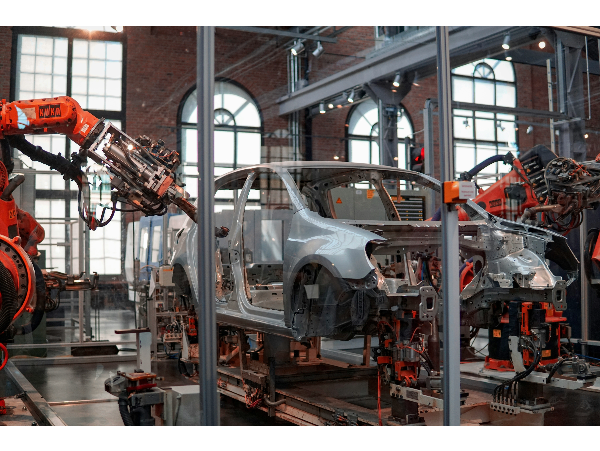

















Global Auto Manufacturing Industry Overview for Investors The global auto industry is entering one of its most unstable periods in decades. Investors see rising demand, new technology, and fresh markets. Yet a hidden problem sits underneath all this growth. It affects supply chains, profits, and long‑term planning. The solution exists, but it won’t become clear until the end of this article.
Why Are Automakers Facing Pressure Even in a Growing Market? Auto sales are rising in many regions, but manufacturers are not celebrating. Costs for materials, labor, and logistics continue to climb. Companies must redesign factories, update software systems, and meet new environmental rules. Each step adds pressure.
Electric vehicles (EVs) are also reshaping the market. They require fewer moving parts than gas cars. That means less revenue from repairs and replacement parts. Automakers must rethink their entire business model.
Another challenge is the shift in consumer behavior. Younger buyers want flexible ownership. Many prefer subscriptions or short‑term leases. Traditional automakers built their systems around long‑term financing. This mismatch creates friction.
Some companies are responding with new digital tools. Others are forming partnerships with tech firms. But the pace of change is uneven. Investors must watch which companies adapt and which fall behind.
How Did Global Demand Change After 2020? Demand dropped sharply during the pandemic. Then it bounced back faster than expected. Supply chains, however, did not recover at the same speed. This mismatch created long wait times and higher prices.
By 2024, production levels improved. Yet many factories still struggle with semiconductor shortages. Even today, a single missing chip can delay an entire vehicle.
One unique fact is that some automakers now design cars around chip availability rather than ideal engineering plans. This reversal shows how fragile the system has become.
Regional demand also shifted. Asia continues to lead in total volume. North America shows strong interest in trucks and SUVs. Europe pushes hard toward EV adoption.
Below is a snapshot of global vehicle production trends.
Region 2023 Production (Millions) 2024 Production (Millions) Key Trend Asia-Pacific 52 55 EV expansion and export growth Europe 17 18 Tight emissions rules North America 15 16 Strong truck and SUV demand South America 3 3.2 Recovery from inflation
Why Are EV Makers Struggling With Profitability? EV sales are rising, but profits are not. Battery costs remain high. Charging networks grow slowly. Many buyers still worry about range and cold‑weather performance.
Automakers must invest billions in battery plants. They also need new software teams. Traditional factories cannot simply switch to EVs. They require new tools, training, and safety systems.
Competition is fierce. Dozens of new EV brands have entered the market. Some offer lower prices. Others focus on luxury features. This wide spread makes it hard for investors to pick winners.
Governments offer incentives, but these programs change often. A shift in policy can reshape the entire market overnight. Investors must track these changes closely.
What Role Do Supply Chains Play in Investor Risk? Supply chains are the backbone of auto manufacturing. A single car may use parts from 20 or more countries. When one link breaks, the whole system slows down.
Semiconductors remain the biggest bottleneck. But other materials, like lithium and nickel, also face shortages. These minerals are essential for EV batteries.
Shipping costs have stabilized, yet geopolitical tensions still create uncertainty. Trade disputes can raise tariffs. Conflicts can disrupt shipping lanes. Investors must factor these risks into long‑term planning.
Some automakers now build “regionalized” supply chains. They produce cars closer to the markets where they will be sold. This reduces risk and speeds up delivery.
Below is a comparison of key supply chain risks.
Risk Type Impact Level Notes Semiconductor shortages High Delays entire vehicle production Battery mineral scarcity High Affects EV pricing Shipping disruptions Medium Raises logistics costs Trade policy changes Medium Impacts cross‑border sales
Why Are Software and Data Becoming More Valuable Than Engines? Modern vehicles rely on software for navigation, safety, and entertainment. Automakers now hire more software engineers than mechanical engineers. This shift changes how companies compete.
Software updates can fix problems without a trip to the dealership. They can also add new features. This creates recurring revenue, something the industry never had before.
Data is another major asset. Cars collect information about driving habits, battery health, and road conditions. Companies use this data to improve design and predict maintenance needs.
One lesser‑known fact is that some automakers earn more profit from software subscriptions than from selling certain vehicle models. This trend will grow as more cars become connected.
Why Are Investors Watching China More Closely Than Ever? China is now the world’s largest auto exporter. Its EV makers offer low prices and strong technology. This puts pressure on global competitors.
Chinese brands expand quickly into Europe, Southeast Asia, and South America. Their supply chains are efficient. Their battery technology is advanced. Investors cannot ignore this shift.
However, political tensions create uncertainty. Some regions consider tariffs on Chinese EVs. Others worry about data privacy. These issues may slow expansion.
Still, China’s influence will continue to grow. Investors must understand how this affects global pricing and competition.
What Makes Emerging Markets Attractive for Long-Term Growth? Emerging markets offer rising incomes and growing urban populations. Many buyers in these regions purchase their first car. This creates strong demand.
Countries like India, Indonesia, and Brazil show rapid growth. Their governments invest in roads, charging stations, and clean‑energy programs. These improvements support auto sales.
However, these markets also face challenges. Currency swings can affect pricing. Infrastructure may lag behind demand. Investors must balance opportunity with risk.
Below is a look at emerging market growth potential.
Country 2024 Sales Growth Key Driver India 8% Expanding middle class Indonesia 6% Urbanization Brazil 5% Economic recovery Mexico 4% Nearshoring benefits
Why Are Traditional Automakers Partnering With Tech Companies? Automakers cannot build everything alone. They need help with software, sensors, and artificial intelligence. Tech companies offer these skills.
Partnerships speed up development. They also reduce costs. For example, some automakers share battery plants. Others share EV platforms. This cooperation helps them compete with newer brands.
Investors should watch which partnerships succeed. Not all collaborations work well. Culture clashes can slow progress. But strong partnerships can reshape the industry.
What Hidden Factor Will Decide the Industry’s Future? Throughout this article, we explored demand shifts, supply chain risks, EV challenges, and global competition. Yet the biggest factor remains mostly unseen.
The true deciding force is factory flexibility.
Factories that can switch between gas, hybrid, and electric models will survive. Those that cannot will struggle. Flexible factories reduce risk, cut costs, and respond faster to market changes. They also help companies adapt to new rules and consumer trends.
This flexibility solves the hidden problem introduced at the start: the industry’s inability to adjust quickly. The companies that master flexible production will lead the next decade of auto manufacturing.