Why Do Most People Overlook the Real Starting Point?
Every car begins long before metal meets machinery. The process starts with raw materials—steel, aluminum, plastics, glass, and rare minerals. These materials come from dozens of countries. A disruption in one region can ripple through the entire system.
Mining companies supply lithium for batteries, while chemical firms provide polymers for interiors. Automakers must secure long-term contracts to stabilize costs. When prices swing, profit margins shrink.
Environmental rules add another layer of complexity. Extracting materials responsibly costs more, but skipping those standards risks fines and reputational damage. Investors should note that sustainable sourcing is now a competitive advantage.
Why Are Tier 1 and Tier 2 Suppliers So Critical?
Suppliers form the backbone of auto manufacturing. Tier 1 suppliers deliver major systems—engines, transmissions, and electronics. Tier 2 suppliers provide smaller parts like sensors and fasteners.
Automakers depend on these partners for innovation. Many breakthroughs in safety and efficiency come from suppliers, not the automakers themselves. When a supplier struggles, production stalls.
Managing supplier relationships requires precision. Automakers audit factories, monitor quality, and track delivery times. They also diversify sources to avoid overreliance on one region.
Below is a simplified view of supplier roles.
Supplier Tier Typical Components Strategic Importance
Tier 1 Engines, batteries, infotainment systems High—direct integration
Tier 2 Sensors, bolts, wiring Medium—supports Tier 1
Tier 3 Raw materials, basic parts Foundational—cost control
Why Is Logistics the Hidden Engine of Efficiency?
Once parts are ready, they must move across continents. Logistics determines whether production runs smoothly or stalls. Automakers use ships, trains, and trucks to transport components.
Timing is everything. Factories operate on “just-in-time” systems. Parts arrive hours before assembly. This reduces storage costs but increases risk. A delayed shipment can stop an entire plant.
Digital tracking helps reduce uncertainty. Companies use sensors and AI to monitor shipments in real time. They can reroute deliveries when problems arise.
One unique fact is that some automakers now use predictive weather models to adjust shipping routes days in advance. This small change saves millions in potential delays.
Why Are Assembly Plants More Than Just Factories?
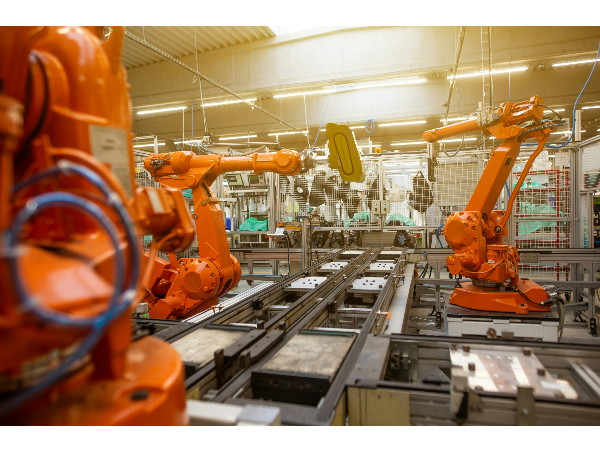
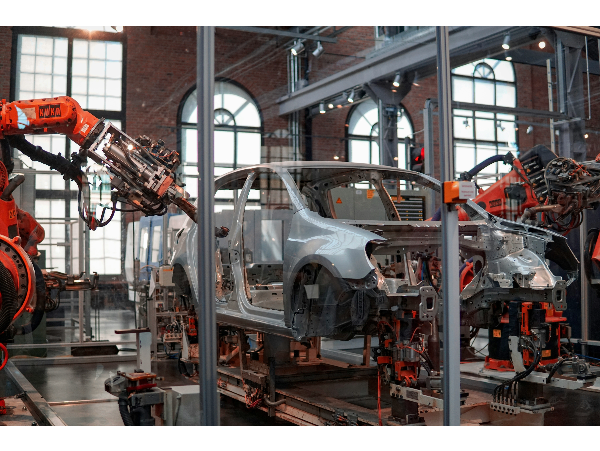
Assembly plants are the heart of the value chain. They combine thousands of parts into finished vehicles. Modern plants rely on robotics, automation, and skilled labor.
Each plant specializes in certain models. Flexibility matters. Plants that can switch between gas, hybrid, and electric vehicles adapt faster to market changes.
Quality control is strict. Every car undergoes inspection before leaving the line. Sensors detect imperfections invisible to the human eye. This precision protects brand reputation.
Automation improves speed but requires heavy investment. Robots handle welding, painting, and assembly. Human workers focus on oversight and complex tasks.
Below is a snapshot of typical assembly operations.
Process Automation Level Key Benefit
Welding High Consistent strength
Painting High Uniform finish
Interior assembly Medium Customization
Final inspection Low Human judgment
Why Do Testing and Quality Assurance Decide Long-Term Success?
Before cars reach customers, they face rigorous testing. Automakers simulate years of wear in weeks. Vehicles endure heat, cold, vibration, and corrosion tests.
Safety testing is equally intense. Crash simulations and real-world impacts ensure compliance with global standards. Failing these tests can delay launches and damage reputation.
Software testing has become just as important. Modern cars rely on millions of lines of code. Bugs can cause recalls or safety issues. Automakers now employ cybersecurity teams to protect vehicle systems.
Testing costs millions, but skipping it costs more. A single recall can erase years of profit.
Why Are Distribution Networks So Complex?
Finished vehicles travel from factories to regional hubs, then to dealerships. Each step involves coordination between transport firms, customs agencies, and local distributors.
Dealerships remain vital even as online sales grow. They handle financing, service, and customer education. Automakers rely on them for feedback and brand loyalty.
Fleet buyers—rental companies, delivery firms, and governments—receive direct shipments. These bulk orders stabilize production schedules.
Distribution also includes marketing. Launch events, advertising, and digital campaigns create demand. Without strong distribution, even great cars fail to reach buyers.
Why Do After-Sales Services Keep the Chain Alive?
After-sales service extends the value chain beyond the sale. Maintenance, repairs, and parts sales generate steady income. Automakers design vehicles with serviceability in mind.
Dealerships and authorized centers handle most repairs. They use genuine parts, which carry high margins. Independent shops exist, but automakers often retain control through warranty programs.
Software updates now play a role in after-sales. Cars receive new features remotely. This keeps customers engaged and adds recurring revenue.
Below is a breakdown of post-sale revenue sources.
Source Typical Share of Lifetime Value Notes
Maintenance & parts 40–50% High margin
Software updates 10–20% Growing fast
Financing renewals 20–30% Stable
Trade-ins 10–15% Supports new sales
Why Are Recycling and End-of-Life Processes Gaining Importance?
When cars reach the end of their life, the value chain continues. Recycling recovers metals, plastics, and batteries. These materials feed back into production.
Battery recycling is especially critical. It reduces environmental impact and secures rare minerals. Automakers partner with recycling firms to close the loop.
Governments encourage circular manufacturing. Regulations reward companies that reuse materials. This trend will grow as sustainability becomes central to business strategy.
One lesser-known fact is that some automakers now design vehicles with removable battery modules to simplify recycling. This innovation cuts waste and saves resources.
Why Are Technology and Data Reshaping the Entire Chain?
Digital transformation connects every stage. Sensors track materials, robots assemble parts, and software monitors performance. Data flows from suppliers to customers.
Predictive analytics help forecast demand. AI optimizes production schedules. Cloud systems link global teams. These tools reduce waste and improve efficiency.
Cybersecurity remains a concern. Connected factories and vehicles create new vulnerabilities. Automakers invest heavily in protection systems.
Data also supports personalization. Automakers analyze driving habits to design better features. This feedback loop strengthens customer loyalty.
Why Does the Future of the Value Chain Depend on Flexibility?
The auto industry faces constant change—new technology, shifting demand, and global uncertainty. Companies that adapt quickly will thrive.
Flexible factories, digital supply chains, and sustainable sourcing form the foundation of resilience. Automakers that integrate these elements can handle disruptions and seize new opportunities.
The solution to the problem introduced at the start—the fragility of the chain—is flexibility. It allows companies to pivot when markets shift, materials run short, or technology evolves.
Conclusion
The complete value chain of auto manufacturing stretches from mines to recycling plants. Each link adds value, risk, and opportunity. Investors who understand this chain can spot which companies are prepared for the future.
The industry’s next leaders will not just build cars—they will build adaptable systems that survive change. Flexibility, sustainability, and data integration will define success in the decades ahead.















Why Do Most People Overlook the Real Starting Point? Every car begins long before metal meets machinery. The process starts with raw materials—steel, aluminum, plastics, glass, and rare minerals. These materials come from dozens of countries. A disruption in one region can ripple through the entire system.
Mining companies supply lithium for batteries, while chemical firms provide polymers for interiors. Automakers must secure long-term contracts to stabilize costs. When prices swing, profit margins shrink.
Environmental rules add another layer of complexity. Extracting materials responsibly costs more, but skipping those standards risks fines and reputational damage. Investors should note that sustainable sourcing is now a competitive advantage.
Why Are Tier 1 and Tier 2 Suppliers So Critical? Suppliers form the backbone of auto manufacturing. Tier 1 suppliers deliver major systems—engines, transmissions, and electronics. Tier 2 suppliers provide smaller parts like sensors and fasteners.
Automakers depend on these partners for innovation. Many breakthroughs in safety and efficiency come from suppliers, not the automakers themselves. When a supplier struggles, production stalls.
Managing supplier relationships requires precision. Automakers audit factories, monitor quality, and track delivery times. They also diversify sources to avoid overreliance on one region.
Below is a simplified view of supplier roles.
Supplier Tier Typical Components Strategic Importance Tier 1 Engines, batteries, infotainment systems High—direct integration Tier 2 Sensors, bolts, wiring Medium—supports Tier 1 Tier 3 Raw materials, basic parts Foundational—cost control
Why Is Logistics the Hidden Engine of Efficiency? Once parts are ready, they must move across continents. Logistics determines whether production runs smoothly or stalls. Automakers use ships, trains, and trucks to transport components.
Timing is everything. Factories operate on “just-in-time” systems. Parts arrive hours before assembly. This reduces storage costs but increases risk. A delayed shipment can stop an entire plant.
Digital tracking helps reduce uncertainty. Companies use sensors and AI to monitor shipments in real time. They can reroute deliveries when problems arise.
One unique fact is that some automakers now use predictive weather models to adjust shipping routes days in advance. This small change saves millions in potential delays.
Why Are Assembly Plants More Than Just Factories? Assembly plants are the heart of the value chain. They combine thousands of parts into finished vehicles. Modern plants rely on robotics, automation, and skilled labor.
Each plant specializes in certain models. Flexibility matters. Plants that can switch between gas, hybrid, and electric vehicles adapt faster to market changes.
Quality control is strict. Every car undergoes inspection before leaving the line. Sensors detect imperfections invisible to the human eye. This precision protects brand reputation.
Automation improves speed but requires heavy investment. Robots handle welding, painting, and assembly. Human workers focus on oversight and complex tasks.
Below is a snapshot of typical assembly operations.
Process Automation Level Key Benefit Welding High Consistent strength Painting High Uniform finish Interior assembly Medium Customization Final inspection Low Human judgment
Why Do Testing and Quality Assurance Decide Long-Term Success? Before cars reach customers, they face rigorous testing. Automakers simulate years of wear in weeks. Vehicles endure heat, cold, vibration, and corrosion tests.
Safety testing is equally intense. Crash simulations and real-world impacts ensure compliance with global standards. Failing these tests can delay launches and damage reputation.
Software testing has become just as important. Modern cars rely on millions of lines of code. Bugs can cause recalls or safety issues. Automakers now employ cybersecurity teams to protect vehicle systems.
Testing costs millions, but skipping it costs more. A single recall can erase years of profit.
Why Are Distribution Networks So Complex? Finished vehicles travel from factories to regional hubs, then to dealerships. Each step involves coordination between transport firms, customs agencies, and local distributors.
Dealerships remain vital even as online sales grow. They handle financing, service, and customer education. Automakers rely on them for feedback and brand loyalty.
Fleet buyers—rental companies, delivery firms, and governments—receive direct shipments. These bulk orders stabilize production schedules.
Distribution also includes marketing. Launch events, advertising, and digital campaigns create demand. Without strong distribution, even great cars fail to reach buyers.
Why Do After-Sales Services Keep the Chain Alive? After-sales service extends the value chain beyond the sale. Maintenance, repairs, and parts sales generate steady income. Automakers design vehicles with serviceability in mind.
Dealerships and authorized centers handle most repairs. They use genuine parts, which carry high margins. Independent shops exist, but automakers often retain control through warranty programs.
Software updates now play a role in after-sales. Cars receive new features remotely. This keeps customers engaged and adds recurring revenue.
Below is a breakdown of post-sale revenue sources.
Source Typical Share of Lifetime Value Notes Maintenance & parts 40–50% High margin Software updates 10–20% Growing fast Financing renewals 20–30% Stable Trade-ins 10–15% Supports new sales
Why Are Recycling and End-of-Life Processes Gaining Importance? When cars reach the end of their life, the value chain continues. Recycling recovers metals, plastics, and batteries. These materials feed back into production.
Battery recycling is especially critical. It reduces environmental impact and secures rare minerals. Automakers partner with recycling firms to close the loop.
Governments encourage circular manufacturing. Regulations reward companies that reuse materials. This trend will grow as sustainability becomes central to business strategy.
One lesser-known fact is that some automakers now design vehicles with removable battery modules to simplify recycling. This innovation cuts waste and saves resources.
Why Are Technology and Data Reshaping the Entire Chain? Digital transformation connects every stage. Sensors track materials, robots assemble parts, and software monitors performance. Data flows from suppliers to customers.
Predictive analytics help forecast demand. AI optimizes production schedules. Cloud systems link global teams. These tools reduce waste and improve efficiency.
Cybersecurity remains a concern. Connected factories and vehicles create new vulnerabilities. Automakers invest heavily in protection systems.
Data also supports personalization. Automakers analyze driving habits to design better features. This feedback loop strengthens customer loyalty.
Why Does the Future of the Value Chain Depend on Flexibility? The auto industry faces constant change—new technology, shifting demand, and global uncertainty. Companies that adapt quickly will thrive.
Flexible factories, digital supply chains, and sustainable sourcing form the foundation of resilience. Automakers that integrate these elements can handle disruptions and seize new opportunities.
The solution to the problem introduced at the start—the fragility of the chain—is flexibility. It allows companies to pivot when markets shift, materials run short, or technology evolves.
Conclusion The complete value chain of auto manufacturing stretches from mines to recycling plants. Each link adds value, risk, and opportunity. Investors who understand this chain can spot which companies are prepared for the future.
The industry’s next leaders will not just build cars—they will build adaptable systems that survive change. Flexibility, sustainability, and data integration will define success in the decades ahead.