Why Are Automakers Racing Toward Electrification?
Electric vehicles (EVs) are no longer a niche product. They are becoming a major part of the global market. Governments are pushing for cleaner transportation. Customers want lower fuel costs. Automakers are responding by investing billions in EV technology.
EVs require fewer moving parts than gas vehicles. This changes how factories operate. It also changes which suppliers automakers rely on. Battery production becomes more important than engine production. Software becomes more important than mechanical systems.
Some automakers are building their own battery plants. Others are forming partnerships. The goal is to secure a steady supply of batteries, which are the most expensive part of an EV.
Below is a simple comparison of EV and gas vehicle components:
Component Type Gas Vehicle Electric Vehicle
Engine Yes No
Battery Pack No Yes
Transmission Yes Limited or none
Electric Motor No Yes
This shift will reshape the entire industry.
Why Do Batteries Decide Who Wins the EV Race?
Batteries determine range, cost, and performance. They also determine how fast automakers can scale production. A strong battery supply chain gives companies a major advantage.
Battery chemistry is improving. New materials increase range and reduce charging time. Some companies are working on solid‑state batteries. These batteries promise higher safety and faster charging.
One interesting detail is that some battery factories use robotic systems that operate in near‑darkness because robots do not need light. This reduces energy use and improves efficiency.
Battery recycling is also becoming important. Recycled materials can reduce costs and protect supply chains. Automakers that invest early in recycling may gain long‑term advantages.
Why Is Software Becoming the New Competitive Edge?
Modern vehicles rely heavily on software. Software controls safety systems, navigation, entertainment, and even performance. Automakers are shifting from mechanical engineering to digital engineering.
Some companies now update vehicles through over‑the‑air (OTA) software updates. These updates improve features without requiring a visit to the dealership. This creates new revenue streams. It also strengthens customer loyalty.
Software also affects manufacturing. Factories use digital twins to simulate production lines. This reduces errors and speeds up planning.
Below is a comparison of software‑driven features:
Feature Type Traditional Vehicles Modern Vehicles
Updates Dealer visit OTA updates
Safety Mechanical systems Sensor‑based systems
Navigation Basic Real‑time data
Software will shape the future of auto manufacturing more than any other trend.
Why Are Factories Becoming Smarter and More Automated?
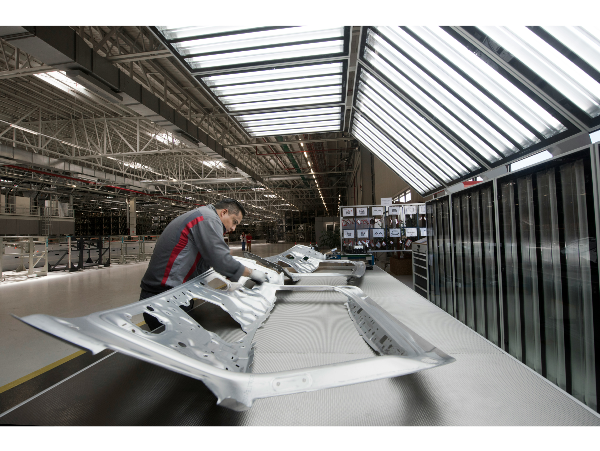
Automation is increasing across the industry. Robots handle welding, painting, and assembly. Sensors track quality in real time. AI predicts equipment failures before they happen.
Smart factories reduce waste. They improve speed. They also increase consistency. This helps automakers meet rising demand while keeping costs under control.
Some factories use autonomous robots to move parts. These robots follow digital maps instead of fixed tracks. This makes factories more flexible.
A unique detail is that some automakers use 3D printing to create tools and small parts on demand. This reduces downtime and speeds up repairs.
Why Are Supply Chains Becoming More Local and More Flexible?
Recent disruptions have shown how fragile global supply chains can be. Automakers are responding by building more local supply networks. They want to reduce risk and shorten shipping times.
Local supply chains also help meet government rules. Some countries require a certain percentage of local content. Local production helps automakers avoid tariffs.
But local supply chains can be more expensive. Automakers must balance cost with reliability.
Below is a comparison of supply chain strategies:
Strategy Benefit Risk
Global Lower cost Higher disruption risk
Local Faster and safer Higher cost
Hybrid Balanced Complex to manage
The future will likely involve hybrid systems that combine global scale with local resilience.
Why Are New Players Changing the Competitive Landscape?
New companies are entering the auto industry. Many focus on EVs or software. They do not carry the burden of old factories or legacy systems. This gives them speed and flexibility.
Tech companies are also entering the market. They bring expertise in software, sensors, and data. This challenges traditional automakers.
Some new brands grow fast because they focus on direct‑to‑consumer sales. This reduces dealer costs and increases control over pricing.
Traditional automakers must adapt. They must modernize factories. They must improve software. They must rethink how they sell vehicles.
Why Are Autonomous Vehicles Reshaping Long‑Term Strategy?
Autonomous vehicles (AVs) are still in development. But they are already changing how automakers plan for the future. AVs require advanced sensors, powerful computers, and detailed maps.
Companies are testing AVs in cities around the world. They are also building partnerships with tech firms. The goal is to create safe, reliable systems.
AVs may change how people use vehicles. Ride‑sharing services may replace personal ownership in some areas. This would change how automakers earn revenue.
Below is a comparison of AV technology levels:
Level Description Human Role
Level 1 Basic assistance Full control
Level 2 Partial automation Hands on
Level 3 Conditional automation Hands off sometimes
Level 4 High automation No control in some areas
Level 5 Full automation No control needed
AVs will take time to reach full adoption, but they will reshape the industry.
Why Are Sustainability Goals Changing Manufacturing Decisions?
Governments and customers want cleaner production. Automakers are responding by reducing emissions in factories. They are using renewable energy. They are recycling more materials.
Some factories run on solar or wind power. Others use water recycling systems. These changes reduce environmental impact and lower long‑term costs.
Sustainability also affects materials. Automakers are using more recycled plastics and metals. They are also exploring plant‑based materials for interiors.
Sustainability is becoming a key part of brand identity. Companies that lead in this area may gain customer trust.
Why Are New Business Models Emerging in the Auto Industry?
Automakers are exploring new ways to earn revenue. Subscription services offer features for a monthly fee. Software upgrades add new capabilities. Some companies offer maintenance plans or charging services.
These models create steady income. They also strengthen customer relationships. But they require strong software systems and reliable connectivity.
Direct‑to‑consumer sales are also growing. This model gives automakers more control. It reduces dealer costs. But it requires strong logistics and customer support.
Below is a comparison of emerging business models:
Model Benefit Challenge
Subscriptions Steady revenue Customer acceptance
Direct Sales Higher margins Complex logistics
Software Upgrades High profit Requires strong tech
These models will shape how automakers earn money in the future.
Why Does the Real Future of Auto Manufacturing Depend on Adaptability?
The trends shaping auto manufacturing are powerful. Electrification, automation, software, supply chains, and new business models are changing everything. But the real challenge is not any single trend. It is the speed at which these trends are moving.
The solution to the problem introduced at the start is not to rely on old strategies. It is to build systems that adapt quickly. Automakers that stay flexible will lead the next era. Those that resist change will fall behind.


















Why Are Automakers Racing Toward Electrification? Electric vehicles (EVs) are no longer a niche product. They are becoming a major part of the global market. Governments are pushing for cleaner transportation. Customers want lower fuel costs. Automakers are responding by investing billions in EV technology.
EVs require fewer moving parts than gas vehicles. This changes how factories operate. It also changes which suppliers automakers rely on. Battery production becomes more important than engine production. Software becomes more important than mechanical systems.
Some automakers are building their own battery plants. Others are forming partnerships. The goal is to secure a steady supply of batteries, which are the most expensive part of an EV.
Below is a simple comparison of EV and gas vehicle components:
Component Type Gas Vehicle Electric Vehicle Engine Yes No Battery Pack No Yes Transmission Yes Limited or none Electric Motor No Yes
This shift will reshape the entire industry.
Why Do Batteries Decide Who Wins the EV Race? Batteries determine range, cost, and performance. They also determine how fast automakers can scale production. A strong battery supply chain gives companies a major advantage.
Battery chemistry is improving. New materials increase range and reduce charging time. Some companies are working on solid‑state batteries. These batteries promise higher safety and faster charging.
One interesting detail is that some battery factories use robotic systems that operate in near‑darkness because robots do not need light. This reduces energy use and improves efficiency.
Battery recycling is also becoming important. Recycled materials can reduce costs and protect supply chains. Automakers that invest early in recycling may gain long‑term advantages.
Why Is Software Becoming the New Competitive Edge? Modern vehicles rely heavily on software. Software controls safety systems, navigation, entertainment, and even performance. Automakers are shifting from mechanical engineering to digital engineering.
Some companies now update vehicles through over‑the‑air (OTA) software updates. These updates improve features without requiring a visit to the dealership. This creates new revenue streams. It also strengthens customer loyalty.
Software also affects manufacturing. Factories use digital twins to simulate production lines. This reduces errors and speeds up planning.
Below is a comparison of software‑driven features:
Feature Type Traditional Vehicles Modern Vehicles Updates Dealer visit OTA updates Safety Mechanical systems Sensor‑based systems Navigation Basic Real‑time data
Software will shape the future of auto manufacturing more than any other trend.
Why Are Factories Becoming Smarter and More Automated? Automation is increasing across the industry. Robots handle welding, painting, and assembly. Sensors track quality in real time. AI predicts equipment failures before they happen.
Smart factories reduce waste. They improve speed. They also increase consistency. This helps automakers meet rising demand while keeping costs under control.
Some factories use autonomous robots to move parts. These robots follow digital maps instead of fixed tracks. This makes factories more flexible.
A unique detail is that some automakers use 3D printing to create tools and small parts on demand. This reduces downtime and speeds up repairs.
Why Are Supply Chains Becoming More Local and More Flexible? Recent disruptions have shown how fragile global supply chains can be. Automakers are responding by building more local supply networks. They want to reduce risk and shorten shipping times.
Local supply chains also help meet government rules. Some countries require a certain percentage of local content. Local production helps automakers avoid tariffs.
But local supply chains can be more expensive. Automakers must balance cost with reliability.
Below is a comparison of supply chain strategies:
Strategy Benefit Risk Global Lower cost Higher disruption risk Local Faster and safer Higher cost Hybrid Balanced Complex to manage
The future will likely involve hybrid systems that combine global scale with local resilience.
Why Are New Players Changing the Competitive Landscape? New companies are entering the auto industry. Many focus on EVs or software. They do not carry the burden of old factories or legacy systems. This gives them speed and flexibility.
Tech companies are also entering the market. They bring expertise in software, sensors, and data. This challenges traditional automakers.
Some new brands grow fast because they focus on direct‑to‑consumer sales. This reduces dealer costs and increases control over pricing.
Traditional automakers must adapt. They must modernize factories. They must improve software. They must rethink how they sell vehicles.
Why Are Autonomous Vehicles Reshaping Long‑Term Strategy? Autonomous vehicles (AVs) are still in development. But they are already changing how automakers plan for the future. AVs require advanced sensors, powerful computers, and detailed maps.
Companies are testing AVs in cities around the world. They are also building partnerships with tech firms. The goal is to create safe, reliable systems.
AVs may change how people use vehicles. Ride‑sharing services may replace personal ownership in some areas. This would change how automakers earn revenue.
Below is a comparison of AV technology levels:
Level Description Human Role Level 1 Basic assistance Full control Level 2 Partial automation Hands on Level 3 Conditional automation Hands off sometimes Level 4 High automation No control in some areas Level 5 Full automation No control needed
AVs will take time to reach full adoption, but they will reshape the industry.
Why Are Sustainability Goals Changing Manufacturing Decisions? Governments and customers want cleaner production. Automakers are responding by reducing emissions in factories. They are using renewable energy. They are recycling more materials.
Some factories run on solar or wind power. Others use water recycling systems. These changes reduce environmental impact and lower long‑term costs.
Sustainability also affects materials. Automakers are using more recycled plastics and metals. They are also exploring plant‑based materials for interiors.
Sustainability is becoming a key part of brand identity. Companies that lead in this area may gain customer trust.
Why Are New Business Models Emerging in the Auto Industry? Automakers are exploring new ways to earn revenue. Subscription services offer features for a monthly fee. Software upgrades add new capabilities. Some companies offer maintenance plans or charging services.
These models create steady income. They also strengthen customer relationships. But they require strong software systems and reliable connectivity.
Direct‑to‑consumer sales are also growing. This model gives automakers more control. It reduces dealer costs. But it requires strong logistics and customer support.
Below is a comparison of emerging business models:
Model Benefit Challenge Subscriptions Steady revenue Customer acceptance Direct Sales Higher margins Complex logistics Software Upgrades High profit Requires strong tech
These models will shape how automakers earn money in the future.
Why Does the Real Future of Auto Manufacturing Depend on Adaptability? The trends shaping auto manufacturing are powerful. Electrification, automation, software, supply chains, and new business models are changing everything. But the real challenge is not any single trend. It is the speed at which these trends are moving.
The solution to the problem introduced at the start is not to rely on old strategies. It is to build systems that adapt quickly. Automakers that stay flexible will lead the next era. Those that resist change will fall behind.