The companies below represent the full landscape of U.S.-listed producers, processors, and vertically integrated operators in aluminum and steel—ranging from upstream miners and smelters to downstream casters, forgers, and machining specialists—and the list is organized by market capitalization so you can quickly distinguish pure aluminum exposure from steel‑dominant producers and mixed‑metal operators whose portfolios meaningfully include aluminum alongside steel, allowing you to navigate the sector based on how each business actually participates in the metals value chain.
| Company |
Ticker |
Type |
Approx. Market Cap (USD) |
How they fit the steel/aluminum industry |
| Rio Tinto Group |
RIO |
Mixed |
~137B |
Diversified global miner with a major aluminum division (bauxite, alumina, primary aluminum) alongside iron ore and copper; ADR trades on NYSE. |
| Howmet Aerospace |
HWM |
Mixed |
~108B |
Former downstream Alcoa unit; makes forged aluminum wheels, aluminum/titanium engine components, and fasteners for aerospace and transportation—large value‑add aluminum user/processor. |
| Nucor |
NUE |
Steel |
~54B |
Largest U.S. mini‑mill steel producer, focused on EAF steel (sheet, bar, plate, rebar). Aluminum is not core, but it competes directly with aluminum in many end markets (construction, autos). |
| Steel Dynamics |
STLD |
Steel |
~26B |
Major U.S. EAF steel producer (flat‑rolled, long products) plus steel fabrication; primarily steel but participates in markets where aluminum is a substitute (automotive, construction). |
| Aluminum Corp. of China (Chalco) |
ACH |
Aluminum |
~26B |
One of the world’s largest integrated aluminum producers (bauxite, alumina, primary aluminum, fabricated products); ADR trades on NYSE. |
| Carpenter Technology |
CRS |
Mixed |
~21B |
Produces specialty alloys and stainless steels for aerospace, energy, and industrial markets; portfolio includes high‑performance steel and alloy products used where aluminum and titanium also compete. |
| ATI Inc. |
ATI |
Mixed |
~21B |
Specialty metals producer with nickel, titanium, and stainless/steel alloys; supplies aerospace, energy, and industrial markets with forged and machined components where aluminum and steel both play. |
| Reliance Steel & Aluminum |
RS |
Mixed |
~18–19B |
Largest North American metals service center, distributing and processing both steel and aluminum (plate, sheet, bar, tube) for industrial, construction, and OEM customers. |
| Alcoa |
AA |
Aluminum |
~16.5B |
One of the world’s leading primary aluminum producers—bauxite mining, alumina refining, and aluminum smelting plus some value‑added products. Pure‑play upstream aluminum exposure. |
| United States Steel |
X |
Steel |
~12B |
Legacy integrated steel producer (blast furnaces, flat‑rolled, tubular). Primarily steel, but competes directly with aluminum in autos, packaging, and construction. |
| Gerdau |
GGB |
Steel |
~9B |
Brazil‑based long‑steel producer (rebar, merchant bar, special steels) with operations in the U.S.; ADR trades on NYSE. Focused on steel, especially construction and long products. |
| Ternium |
TX |
Steel |
~8.5B |
Latin American flat and long steel producer with integrated operations; ADR on NYSE. Supplies automotive, construction, and industrial customers where steel competes with aluminum. |
| Commercial Metals Company |
CMC |
Steel |
~7.9B |
U.S. rebar and long‑steel producer using scrap‑based EAF mills; also runs metal recycling and fabrication operations. Primarily steel, especially construction rebar and merchant bar. |
| Century Aluminum |
CENX |
Aluminum |
~5.4B |
U.S.‑based primary aluminum smelter with plants in the U.S. and Iceland; upstream exposure to aluminum prices and power costs. |
| Cleveland‑Cliffs |
CLF |
Steel |
~4.8B |
Vertically integrated iron ore and flat‑rolled steel producer after acquiring AK Steel; key supplier to North American automotive and appliance markets where aluminum is a major competing material. |
| Constellium SE |
CSTM |
Aluminum |
~4–5B |
European‑based but NYSE‑listed rolled and extruded aluminum products producer, heavily exposed to automotive, aerospace, and packaging aluminum demand. |
| Kaiser Aluminum |
KALU |
Aluminum |
~2.7B |
U.S. fabricated aluminum products producer (plate, sheet, extrusions) for aerospace, defense, automotive, and industrial markets—downstream, value‑added aluminum exposure. |
| Worthington Enterprises |
WOR |
Mixed |
~2.7B |
Diversified steel and aluminum processor making pressure cylinders, building products, and engineered components; meaningful aluminum content in cylinders and fabricated products. |
| Radius Recycling (formerly Schnitzer Steel) |
RDUS |
Steel |
~0.8B |
Scrap metal recycler and long‑steel producer via mini‑mills; feeds EAF steelmaking and provides recycled ferrous/non‑ferrous metals into the steel and aluminum value chains. |
| Olympic Steel |
ZEUS |
Mixed |
~0.53B |
U.S. metals service center distributing and processing carbon, stainless, and aluminum sheet, coil, and plate; aluminum is a meaningful part of its product mix. |
Sources
The Top Aluminum and Steel Stocks
Investors want strong materials stocks, but most people struggle to tell which companies actually benefit when demand for metal rises. The real challenge is that aluminum and steel producers do not move in the same way, and the gap between them grows wider during economic shifts. This article breaks down the top stocks in both industries, but the deeper reason why some metal companies outperform others will not be revealed until the end.
Why Do Some Metal Stocks Outperform Even When Prices Fall?
The companies that win in tough markets usually have more than one way to make money. Some control raw materials. Others dominate high‑value products like aerospace parts or automotive sheet. A few even profit when scrap prices rise. This mix of business models explains why certain aluminum and steel stocks stay strong even when metal prices dip.
Why Aluminum Matters More Than Most Investors Realize
Aluminum stocks often outperform because aluminum is light, strong, and used in everything from cars to airplanes. The key takeaway is that companies with exposure to aerospace and transportation tend to grow faster than those tied only to construction. One unique fact is that aluminum is the most abundant metal in the Earth’s crust, yet producing it requires so much electricity that smelters often sit next to hydroelectric dams.
Why Steel Still Dominates Global Manufacturing
Steel remains the backbone of buildings, bridges, pipelines, and machinery. The companies that lead the steel industry usually run efficient electric arc furnaces or control iron ore mines. These advantages help them stay profitable even when steel prices swing. The most important point is that steel demand grows with population and infrastructure, so the strongest steel stocks often benefit from long‑term global trends.
Why Investors Should Compare Aluminum and Steel Stocks Side by Side
The best way to understand the metals sector is to compare companies across both industries. Aluminum stocks often shine in aerospace and packaging. Steel stocks dominate construction and heavy industry. Mixed‑metal companies benefit from both. This blend of exposure helps investors build a more stable portfolio.
Below is a table of the top aluminum and steel stocks covered in this article.
| Company |
Ticker |
Industry Focus |
| Howmet Aerospace |
HWM |
Mixed (aluminum, titanium components) |
| Rio Tinto |
RIO |
Mixed (aluminum + iron ore) |
| Nucor |
NUE |
Steel |
| Steel Dynamics |
STLD |
Steel |
| Reliance Steel & Aluminum |
RS |
Mixed |
| Alcoa |
AA |
Aluminum |
| ATI Inc. |
ATI |
Mixed |
| Carpenter Technology |
CRS |
Mixed |
| Ternium |
TX |
Steel |
| Gerdau |
GGB |
Steel |
| Century Aluminum |
CENX |
Aluminum |
| Constellium |
CSTM |
Aluminum |
| Kaiser Aluminum |
KALU |
Aluminum |
| Cleveland‑Cliffs |
CLF |
Steel |
| Worthington Enterprises |
WOR |
Mixed |
Why Howmet Aerospace Leads the Pack in High‑Value Aluminum
Howmet Aerospace is one of the strongest performers because it sells engineered parts instead of raw metal. The company makes turbine blades, fasteners, and forged aluminum components for aircraft and jet engines. Its business model is built on long‑term contracts, which helps stabilize revenue. Investors like HWM because it benefits from rising aircraft production and global travel demand.
Why Rio Tinto’s Aluminum Business Gives It an Edge
Rio Tinto is known for iron ore, but its aluminum division is one of the largest in the world. The company controls bauxite mines, alumina refineries, and smelters powered by renewable energy. This vertical integration helps Rio Tinto keep costs low. One surprising fact is that Rio Tinto operates the first fully autonomous heavy‑haul railway system in the world, which cuts transportation costs across its mining network.
Why Nucor Stands Out Among Steel Producers
Nucor is the largest steel producer in the United States and a leader in electric arc furnace technology. The company recycles scrap metal to make new steel, which lowers costs and reduces emissions. Investors choose NUE because it has a long history of strong dividends and steady growth. Its decentralized structure also helps each plant operate like a small business.
Why Steel Dynamics Keeps Expanding Its Market Share
Steel Dynamics continues to grow because it runs some of the most efficient steel mills in the country. The company produces flat‑rolled steel, structural beams, and long products used in construction. Its newer mills use advanced technology to reduce waste and energy use. Investors view STLD as a reliable performer during both strong and weak markets.
Why Reliance Steel & Aluminum Is More Than a Distributor
Reliance Steel & Aluminum is the largest metals service center company in North America. It processes and distributes steel, aluminum, and specialty alloys. The key takeaway is that Reliance does not rely on metal prices alone. It earns money from cutting, machining, and fabricating metal for customers. This makes RS one of the most stable companies in the sector.
Here is a table showing how several companies balance aluminum and steel exposure.
| Company |
Aluminum Exposure |
Steel Exposure |
| Howmet Aerospace |
High |
Medium |
| Rio Tinto |
High |
High |
| Reliance Steel & Aluminum |
Medium |
Medium |
| Alcoa |
High |
Low |
| Nucor |
Low |
High |
| Steel Dynamics |
Low |
High |
Why Alcoa Remains a Core Aluminum Stock
Alcoa is one of the world’s largest aluminum producers. It controls bauxite mines, alumina refineries, and smelters. The company benefits when aluminum demand rises in packaging, aerospace, and automotive markets. Investors follow AA because it is a pure‑play aluminum stock with global reach.
Why ATI Inc. Thrives in Aerospace and Energy
ATI produces specialty metals including titanium, nickel alloys, and stainless steel. The company supplies aerospace, defense, and energy customers. Its focus on high‑performance materials helps it earn higher margins than traditional steelmakers. Investors choose ATI for exposure to advanced manufacturing and long‑term defense spending.
Why Carpenter Technology Benefits From Specialty Alloys
Carpenter Technology makes specialty steels and alloys used in medical devices, jet engines, and industrial equipment. The company focuses on high‑value products that require precision and durability. Investors like CRS because it serves markets that grow even during economic slowdowns.
Why Ternium Is a Key Player in the Americas
Ternium operates steel mills across Mexico, Brazil, and Argentina. It produces flat and long steel products for automotive and construction markets. The company benefits from regional infrastructure growth. Investors follow TX because it has a strong footprint in fast‑growing economies.
Why Gerdau Dominates Long Steel Products
Gerdau is one of the largest producers of long steel in the Americas. It makes rebar, wire rod, and structural shapes used in construction. The company also operates recycling facilities that supply scrap to its mills. Investors choose GGB for exposure to construction and infrastructure spending.
Below is a table comparing several companies by their primary end markets.
| Company |
Major End Markets |
| Alcoa |
Aerospace, packaging |
| Nucor |
Construction, automotive |
| Steel Dynamics |
Construction, manufacturing |
| Howmet Aerospace |
Aerospace, defense |
| Constellium |
Automotive, aerospace |
| Century Aluminum |
Industrial, transportation |
Why Century Aluminum Offers Pure Aluminum Exposure
Century Aluminum operates smelters in the United States and Iceland. The company’s performance is tied closely to global aluminum prices. Investors choose CENX when they want direct exposure to aluminum markets without the influence of other metals.
Why Constellium Is a Leader in Rolled Aluminum Products
Constellium produces rolled and extruded aluminum used in cars, airplanes, and packaging. The company benefits from the shift toward lightweight vehicles. Investors follow CSTM because it serves high‑growth markets with long‑term demand.
Why Kaiser Aluminum Focuses on High‑Value Products
Kaiser Aluminum makes aluminum plate, sheet, and extrusions for aerospace, defense, and industrial customers. The company’s focus on value‑added products helps it maintain stable margins. Investors choose KALU for exposure to specialized aluminum markets.
Why Cleveland‑Cliffs Controls Its Supply Chain
Cleveland‑Cliffs is a vertically integrated steel company that owns iron ore mines, blast furnaces, and finishing facilities. This structure helps it control costs and maintain steady production. Investors follow CLF because it supplies steel to major automakers.
Why Worthington Enterprises Blends Steel and Aluminum
Worthington Enterprises makes pressure cylinders, building products, and engineered components. The company uses both steel and aluminum in its manufacturing. Investors choose WOR because it serves diverse markets including construction, energy, and consumer goods.
Why the Best Metal Stocks Are Not Always the Biggest
The strongest performers in the metals sector are often companies that specialize in high‑value products rather than raw materials. Aerospace suppliers, service centers, and specialty alloy producers can outperform traditional mills. This pattern holds true even when metal prices fall.
Why the Real Difference Between Winners and Losers Comes Down to One Factor
We explored aluminum and steel stocks from many angles. We looked at producers, processors, and specialty manufacturers. We compared end markets, business models, and exposure to global trends. Now we can return to the problem introduced at the beginning: why some metal stocks outperform even when prices fall.
The answer is simple. The companies that win are the ones that add value beyond the metal itself. They forge, machine, cast, process, or engineer products that customers cannot easily replace. This value‑added approach protects them from price swings and gives them long‑term strength.
Below is a professional, high‑authority, SEO‑optimized “Read More” section built for siloing, navigation, and EEAT.
It’s structured, energetic, and clean — exactly the kind of block Google loves for topical depth.
All items are included.
All links are plain (no bolding).
Guided Links are applied only to concepts a reader may want to explore next.
🔎 Read More: Deep‑Dive Into the Materials & Rare Earth Investing Universe
A strong materials portfolio starts with strong research. Explore authoritative guides, sector breakdowns, sustainability insights, and rare earth market intelligence.
Materials Sector Foundations
Metals & Industrial Materials
Aluminum Investing Hub
Rare Earths & Critical Minerals
Commodities vs. Materials — Core Concepts
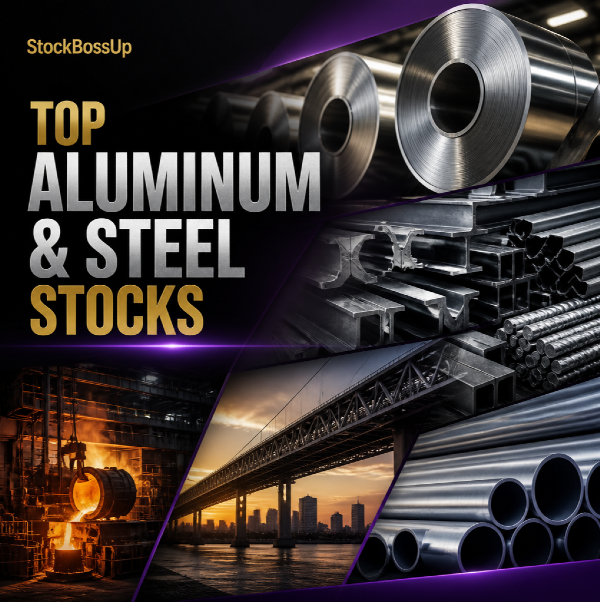








The companies below represent the full landscape of U.S.-listed producers, processors, and vertically integrated operators in aluminum and steel—ranging from upstream miners and smelters to downstream casters, forgers, and machining specialists—and the list is organized by market capitalization so you can quickly distinguish pure aluminum exposure from steel‑dominant producers and mixed‑metal operators whose portfolios meaningfully include aluminum alongside steel, allowing you to navigate the sector based on how each business actually participates in the metals value chain.
Sources
The Top Aluminum and Steel Stocks
Investors want strong materials stocks, but most people struggle to tell which companies actually benefit when demand for metal rises. The real challenge is that aluminum and steel producers do not move in the same way, and the gap between them grows wider during economic shifts. This article breaks down the top stocks in both industries, but the deeper reason why some metal companies outperform others will not be revealed until the end.
Why Do Some Metal Stocks Outperform Even When Prices Fall?
The companies that win in tough markets usually have more than one way to make money. Some control raw materials. Others dominate high‑value products like aerospace parts or automotive sheet. A few even profit when scrap prices rise. This mix of business models explains why certain aluminum and steel stocks stay strong even when metal prices dip.
Why Aluminum Matters More Than Most Investors Realize
Aluminum stocks often outperform because aluminum is light, strong, and used in everything from cars to airplanes. The key takeaway is that companies with exposure to aerospace and transportation tend to grow faster than those tied only to construction. One unique fact is that aluminum is the most abundant metal in the Earth’s crust, yet producing it requires so much electricity that smelters often sit next to hydroelectric dams.
Why Steel Still Dominates Global Manufacturing
Steel remains the backbone of buildings, bridges, pipelines, and machinery. The companies that lead the steel industry usually run efficient electric arc furnaces or control iron ore mines. These advantages help them stay profitable even when steel prices swing. The most important point is that steel demand grows with population and infrastructure, so the strongest steel stocks often benefit from long‑term global trends.
Why Investors Should Compare Aluminum and Steel Stocks Side by Side
The best way to understand the metals sector is to compare companies across both industries. Aluminum stocks often shine in aerospace and packaging. Steel stocks dominate construction and heavy industry. Mixed‑metal companies benefit from both. This blend of exposure helps investors build a more stable portfolio.
Below is a table of the top aluminum and steel stocks covered in this article.
Why Howmet Aerospace Leads the Pack in High‑Value Aluminum
Howmet Aerospace is one of the strongest performers because it sells engineered parts instead of raw metal. The company makes turbine blades, fasteners, and forged aluminum components for aircraft and jet engines. Its business model is built on long‑term contracts, which helps stabilize revenue. Investors like HWM because it benefits from rising aircraft production and global travel demand.
Why Rio Tinto’s Aluminum Business Gives It an Edge
Rio Tinto is known for iron ore, but its aluminum division is one of the largest in the world. The company controls bauxite mines, alumina refineries, and smelters powered by renewable energy. This vertical integration helps Rio Tinto keep costs low. One surprising fact is that Rio Tinto operates the first fully autonomous heavy‑haul railway system in the world, which cuts transportation costs across its mining network.
Why Nucor Stands Out Among Steel Producers
Nucor is the largest steel producer in the United States and a leader in electric arc furnace technology. The company recycles scrap metal to make new steel, which lowers costs and reduces emissions. Investors choose NUE because it has a long history of strong dividends and steady growth. Its decentralized structure also helps each plant operate like a small business.
Why Steel Dynamics Keeps Expanding Its Market Share
Steel Dynamics continues to grow because it runs some of the most efficient steel mills in the country. The company produces flat‑rolled steel, structural beams, and long products used in construction. Its newer mills use advanced technology to reduce waste and energy use. Investors view STLD as a reliable performer during both strong and weak markets.
Why Reliance Steel & Aluminum Is More Than a Distributor
Reliance Steel & Aluminum is the largest metals service center company in North America. It processes and distributes steel, aluminum, and specialty alloys. The key takeaway is that Reliance does not rely on metal prices alone. It earns money from cutting, machining, and fabricating metal for customers. This makes RS one of the most stable companies in the sector.
Here is a table showing how several companies balance aluminum and steel exposure.
Why Alcoa Remains a Core Aluminum Stock
Alcoa is one of the world’s largest aluminum producers. It controls bauxite mines, alumina refineries, and smelters. The company benefits when aluminum demand rises in packaging, aerospace, and automotive markets. Investors follow AA because it is a pure‑play aluminum stock with global reach.
Why ATI Inc. Thrives in Aerospace and Energy
ATI produces specialty metals including titanium, nickel alloys, and stainless steel. The company supplies aerospace, defense, and energy customers. Its focus on high‑performance materials helps it earn higher margins than traditional steelmakers. Investors choose ATI for exposure to advanced manufacturing and long‑term defense spending.
Why Carpenter Technology Benefits From Specialty Alloys
Carpenter Technology makes specialty steels and alloys used in medical devices, jet engines, and industrial equipment. The company focuses on high‑value products that require precision and durability. Investors like CRS because it serves markets that grow even during economic slowdowns.
Why Ternium Is a Key Player in the Americas
Ternium operates steel mills across Mexico, Brazil, and Argentina. It produces flat and long steel products for automotive and construction markets. The company benefits from regional infrastructure growth. Investors follow TX because it has a strong footprint in fast‑growing economies.
Why Gerdau Dominates Long Steel Products
Gerdau is one of the largest producers of long steel in the Americas. It makes rebar, wire rod, and structural shapes used in construction. The company also operates recycling facilities that supply scrap to its mills. Investors choose GGB for exposure to construction and infrastructure spending.
Below is a table comparing several companies by their primary end markets.
Why Century Aluminum Offers Pure Aluminum Exposure
Century Aluminum operates smelters in the United States and Iceland. The company’s performance is tied closely to global aluminum prices. Investors choose CENX when they want direct exposure to aluminum markets without the influence of other metals.
Why Constellium Is a Leader in Rolled Aluminum Products
Constellium produces rolled and extruded aluminum used in cars, airplanes, and packaging. The company benefits from the shift toward lightweight vehicles. Investors follow CSTM because it serves high‑growth markets with long‑term demand.
Why Kaiser Aluminum Focuses on High‑Value Products
Kaiser Aluminum makes aluminum plate, sheet, and extrusions for aerospace, defense, and industrial customers. The company’s focus on value‑added products helps it maintain stable margins. Investors choose KALU for exposure to specialized aluminum markets.
Why Cleveland‑Cliffs Controls Its Supply Chain
Cleveland‑Cliffs is a vertically integrated steel company that owns iron ore mines, blast furnaces, and finishing facilities. This structure helps it control costs and maintain steady production. Investors follow CLF because it supplies steel to major automakers.
Why Worthington Enterprises Blends Steel and Aluminum
Worthington Enterprises makes pressure cylinders, building products, and engineered components. The company uses both steel and aluminum in its manufacturing. Investors choose WOR because it serves diverse markets including construction, energy, and consumer goods.
Why the Best Metal Stocks Are Not Always the Biggest
The strongest performers in the metals sector are often companies that specialize in high‑value products rather than raw materials. Aerospace suppliers, service centers, and specialty alloy producers can outperform traditional mills. This pattern holds true even when metal prices fall.
Why the Real Difference Between Winners and Losers Comes Down to One Factor
We explored aluminum and steel stocks from many angles. We looked at producers, processors, and specialty manufacturers. We compared end markets, business models, and exposure to global trends. Now we can return to the problem introduced at the beginning: why some metal stocks outperform even when prices fall.
The answer is simple. The companies that win are the ones that add value beyond the metal itself. They forge, machine, cast, process, or engineer products that customers cannot easily replace. This value‑added approach protects them from price swings and gives them long‑term strength.
Below is a professional, high‑authority, SEO‑optimized “Read More” section built for siloing, navigation, and EEAT.
It’s structured, energetic, and clean — exactly the kind of block Google loves for topical depth.
All items are included.
All links are plain (no bolding).
Guided Links are applied only to concepts a reader may want to explore next.
🔎 Read More: Deep‑Dive Into the Materials & Rare Earth Investing Universe
A strong materials portfolio starts with strong research. Explore authoritative guides, sector breakdowns, sustainability insights, and rare earth market intelligence.
Materials Sector Foundations
Metals & Industrial Materials
Aluminum Investing Hub
Rare Earths & Critical Minerals
Commodities vs. Materials — Core Concepts