Why Do Investors Often Misunderstand Market Cap in the Auto Industry?
Many investors assume the largest market cap means the strongest company. But market cap reflects expectations, not just performance. A company with high sales may have a lower market cap if investors think it will struggle in the future. A company with lower sales may have a higher market cap if investors expect fast growth.
Market cap also changes with trends. Electric vehicles, software, and autonomous driving influence valuations. Companies that lead in these areas often earn higher valuations even if they sell fewer vehicles.
Below is a simple comparison of what investors often focus on versus what actually drives market cap:
Investor Focus Real Market Cap Driver
Sales volume Future growth potential
Brand history Technology leadership
New models Battery supply strength
Gas vehicle profits EV strategy
Understanding these deeper drivers helps investors compare automakers more accurately.
Why Does Tesla Still Lead the Market Cap Rankings?
Tesla remains one of the most valuable automakers in the world. It leads in electric vehicles, battery technology, and software. Tesla’s vehicles use advanced sensors and over‑the‑air updates. These updates improve performance and add new features.
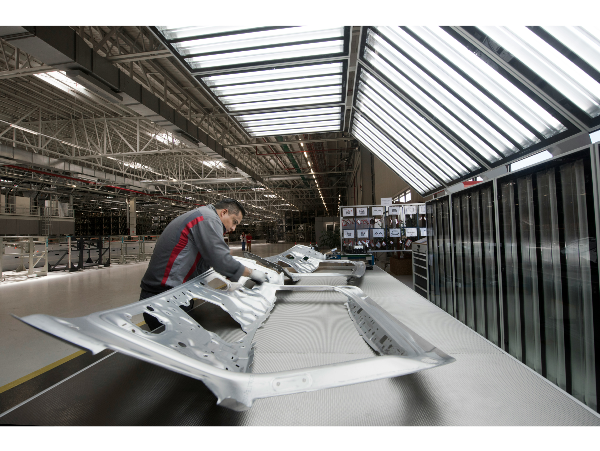
Tesla’s charging network gives it a major advantage. It also uses large casting machines that replace dozens of welded parts with a single piece. This reduces cost and speeds up production.
Tesla sells fewer vehicles than some legacy automakers. But investors value its technology and long‑term potential.
Why Is Toyota Still a Global Giant Despite Lower Market Cap Growth?
Toyota is one of the largest automakers by volume. It is known for reliability, efficiency, and strong global reach. Toyota leads in hybrid technology. Its hybrid lineup gives it steady profits even when EV demand shifts.
Toyota is investing in solid‑state batteries. These batteries promise faster charging and longer range. Toyota also has strong supply chain control. This helps reduce risk during global disruptions.
One interesting detail is that Toyota’s production system is so efficient that some factories can switch models in less than an hour without stopping the line.
Toyota’s market cap reflects stability rather than rapid growth.
Why Are BYD and Other Chinese Automakers Rising Fast?
China is the largest EV market in the world. Chinese automakers benefit from strong government support, large production scale, and rapid innovation.
BYD is one of the largest EV makers globally. It produces batteries, electric motors, and vehicles. This vertical integration reduces cost and increases control. BYD’s Blade Battery is known for safety and durability.
Companies like NIO, XPeng, and Li Auto are also gaining attention. They focus on software, autonomous driving, and premium EVs.
Below is a comparison of major Chinese automakers by market cap influence:
Company Market Cap Driver Growth Potential
BYD Battery + EV scale Very High
NIO Premium EVs High
XPeng Software High
Li Auto Range‑extended EVs Medium‑High
Chinese automakers are becoming major global competitors.
Why Does Volkswagen Group Remain a Global Powerhouse?
Volkswagen Group (VW) owns brands like Volkswagen, Audi, Porsche, and Skoda. It is one of the largest automakers in the world by volume. VW is investing heavily in electric vehicles. Its MEB platform supports many EV models. This helps reduce cost and increase scale.
VW plans to build multiple battery factories across Europe. It is also improving its software systems. Audi and Porsche are launching premium EVs with strong performance.
VW’s market cap reflects both its size and its long‑term EV strategy.
Why Is Mercedes‑Benz Holding Strong in the Luxury Market?
Mercedes‑Benz is known for luxury and engineering. It invests heavily in safety, software, and electric vehicles. Its EQ series offers advanced features and long range.
Mercedes is developing its own operating system. This system will improve connectivity and software updates. Mercedes also uses advanced sensors and AI to improve safety.
Mercedes faces rising competition from Tesla and BMW. But its luxury focus helps protect margins.
Below is a comparison of luxury automaker market cap drivers:
Company Market Cap Driver Strength
Mercedes Luxury + EV High margins
BMW Performance + EV Strong engineering
Porsche Brand power Very high margins
Luxury brands often maintain strong valuations even during market shifts.
Why Are Hyundai and Kia Climbing the Market Cap Rankings?
Hyundai and Kia have transformed their brands. They now compete with top global automakers in design, technology, and EV performance. Their EV models, like the Hyundai Ioniq 5 and Kia EV6, have earned strong reviews.
Hyundai invests in robotics, hydrogen fuel cells, and autonomous driving. Kia focuses on design and value. Both companies use advanced EV platforms that support fast charging and long range.
A unique detail is that Hyundai owns a robotics company that builds walking robots used in disaster zones. This technology may influence future vehicle design.
Hyundai and Kia’s market caps reflect their rapid innovation.
Why Does Stellantis Have a Lower Market Cap Despite Many Strong Brands?
Stellantis owns brands like Jeep, Dodge, Ram, Peugeot, and Fiat. It focuses on cost control and efficiency. Stellantis is launching many new EV models across its brands.
Jeep is developing electric off‑road vehicles. Dodge is developing electric performance cars. Fiat is focusing on small, affordable EVs.
Stellantis faces challenges with older factories and brand complexity. But its wide portfolio gives it strong global reach.
Below is a look at Stellantis’ market cap drivers:
Brand Market Cap Influence Market Impact
Jeep Strong demand High
Dodge Performance Medium
Fiat Urban EVs Medium
Stellantis’ market cap reflects both opportunity and complexity.
Why Do Supply Chains Influence Market Cap More Than Many Expect?
Supply chains affect production, pricing, and delivery times. Companies with strong supply chains can build more vehicles and reduce delays. Companies with weak supply chains face higher costs and lower sales.
Battery supply is especially important. Automakers need steady access to lithium, nickel, and cobalt. They also need strong relationships with battery suppliers.
Below is a comparison of supply chain strength:
Company Supply Chain Strength Market Cap Impact
Toyota Very strong Stability
Tesla Vertical integration High valuation
BYD Full integration Strong growth
VW Strong battery plans Medium
Supply chain strength often predicts long‑term valuation.
Why Does Technology Decide Which Automakers Lead in Market Cap?
Technology is becoming the main driver of competition. Companies that lead in software, sensors, and batteries gain an advantage. They attract more buyers. They reduce costs. They create new revenue streams.
Software updates improve vehicles after purchase. Autonomous systems increase safety. Battery improvements increase range.
Below is a comparison of technology focus:
Technology leadership often predicts future market cap growth.
Why Does the Real Answer to “Which Automakers Lead by Market Cap?” Depend on Strategy?
Market cap reflects expectations, not just performance. EVs, software, supply chains, and global competition are reshaping the industry. The real solution to the problem introduced at the start is not to focus only on size or sales. It is to understand which companies have strategies built for the future.
Automakers that adapt quickly will lead the next era. Those that rely on old methods will fall behind. Investors who understand these trends will be better prepared for long‑term success.
| Automaker |
EV Strategy Strength |
| Tesla |
10 |
| BYD |
9 |
| Hyundai |
8 |
| Kia |
8 |
| NIO |
8 |
| Volkswagen Group |
7 |
| Mercedes-Benz |
7 |
| BMW |
7 |
| General Motors |
7 |
| XPeng |
7 |
| Ford |
6 |
| Li Auto |
6 |
| Stellantis |
5 |
| Toyota |
5 |
| Honda |
4 |















Why Do Investors Often Misunderstand Market Cap in the Auto Industry? Many investors assume the largest market cap means the strongest company. But market cap reflects expectations, not just performance. A company with high sales may have a lower market cap if investors think it will struggle in the future. A company with lower sales may have a higher market cap if investors expect fast growth.
Market cap also changes with trends. Electric vehicles, software, and autonomous driving influence valuations. Companies that lead in these areas often earn higher valuations even if they sell fewer vehicles.
Below is a simple comparison of what investors often focus on versus what actually drives market cap:
Investor Focus Real Market Cap Driver Sales volume Future growth potential Brand history Technology leadership New models Battery supply strength Gas vehicle profits EV strategy
Understanding these deeper drivers helps investors compare automakers more accurately.
Why Does Tesla Still Lead the Market Cap Rankings? Tesla remains one of the most valuable automakers in the world. It leads in electric vehicles, battery technology, and software. Tesla’s vehicles use advanced sensors and over‑the‑air updates. These updates improve performance and add new features.
Tesla’s charging network gives it a major advantage. It also uses large casting machines that replace dozens of welded parts with a single piece. This reduces cost and speeds up production.
Tesla sells fewer vehicles than some legacy automakers. But investors value its technology and long‑term potential.
Why Is Toyota Still a Global Giant Despite Lower Market Cap Growth? Toyota is one of the largest automakers by volume. It is known for reliability, efficiency, and strong global reach. Toyota leads in hybrid technology. Its hybrid lineup gives it steady profits even when EV demand shifts.
Toyota is investing in solid‑state batteries. These batteries promise faster charging and longer range. Toyota also has strong supply chain control. This helps reduce risk during global disruptions.
One interesting detail is that Toyota’s production system is so efficient that some factories can switch models in less than an hour without stopping the line.
Toyota’s market cap reflects stability rather than rapid growth.
Why Are BYD and Other Chinese Automakers Rising Fast? China is the largest EV market in the world. Chinese automakers benefit from strong government support, large production scale, and rapid innovation.
BYD is one of the largest EV makers globally. It produces batteries, electric motors, and vehicles. This vertical integration reduces cost and increases control. BYD’s Blade Battery is known for safety and durability.
Companies like NIO, XPeng, and Li Auto are also gaining attention. They focus on software, autonomous driving, and premium EVs.
Below is a comparison of major Chinese automakers by market cap influence:
Company Market Cap Driver Growth Potential BYD Battery + EV scale Very High NIO Premium EVs High XPeng Software High Li Auto Range‑extended EVs Medium‑High
Chinese automakers are becoming major global competitors.
Why Does Volkswagen Group Remain a Global Powerhouse? Volkswagen Group (VW) owns brands like Volkswagen, Audi, Porsche, and Skoda. It is one of the largest automakers in the world by volume. VW is investing heavily in electric vehicles. Its MEB platform supports many EV models. This helps reduce cost and increase scale.
VW plans to build multiple battery factories across Europe. It is also improving its software systems. Audi and Porsche are launching premium EVs with strong performance.
VW’s market cap reflects both its size and its long‑term EV strategy.
Why Is Mercedes‑Benz Holding Strong in the Luxury Market? Mercedes‑Benz is known for luxury and engineering. It invests heavily in safety, software, and electric vehicles. Its EQ series offers advanced features and long range.
Mercedes is developing its own operating system. This system will improve connectivity and software updates. Mercedes also uses advanced sensors and AI to improve safety.
Mercedes faces rising competition from Tesla and BMW. But its luxury focus helps protect margins.
Below is a comparison of luxury automaker market cap drivers:
Company Market Cap Driver Strength Mercedes Luxury + EV High margins BMW Performance + EV Strong engineering Porsche Brand power Very high margins
Luxury brands often maintain strong valuations even during market shifts.
Why Are Hyundai and Kia Climbing the Market Cap Rankings? Hyundai and Kia have transformed their brands. They now compete with top global automakers in design, technology, and EV performance. Their EV models, like the Hyundai Ioniq 5 and Kia EV6, have earned strong reviews.
Hyundai invests in robotics, hydrogen fuel cells, and autonomous driving. Kia focuses on design and value. Both companies use advanced EV platforms that support fast charging and long range.
A unique detail is that Hyundai owns a robotics company that builds walking robots used in disaster zones. This technology may influence future vehicle design.
Hyundai and Kia’s market caps reflect their rapid innovation.
Why Does Stellantis Have a Lower Market Cap Despite Many Strong Brands? Stellantis owns brands like Jeep, Dodge, Ram, Peugeot, and Fiat. It focuses on cost control and efficiency. Stellantis is launching many new EV models across its brands.
Jeep is developing electric off‑road vehicles. Dodge is developing electric performance cars. Fiat is focusing on small, affordable EVs.
Stellantis faces challenges with older factories and brand complexity. But its wide portfolio gives it strong global reach.
Below is a look at Stellantis’ market cap drivers:
Brand Market Cap Influence Market Impact Jeep Strong demand High Dodge Performance Medium Fiat Urban EVs Medium
Stellantis’ market cap reflects both opportunity and complexity.
Why Do Supply Chains Influence Market Cap More Than Many Expect? Supply chains affect production, pricing, and delivery times. Companies with strong supply chains can build more vehicles and reduce delays. Companies with weak supply chains face higher costs and lower sales.
Battery supply is especially important. Automakers need steady access to lithium, nickel, and cobalt. They also need strong relationships with battery suppliers.
Below is a comparison of supply chain strength:
Company Supply Chain Strength Market Cap Impact Toyota Very strong Stability Tesla Vertical integration High valuation BYD Full integration Strong growth VW Strong battery plans Medium
Supply chain strength often predicts long‑term valuation.
Why Does Technology Decide Which Automakers Lead in Market Cap? Technology is becoming the main driver of competition. Companies that lead in software, sensors, and batteries gain an advantage. They attract more buyers. They reduce costs. They create new revenue streams.
Software updates improve vehicles after purchase. Autonomous systems increase safety. Battery improvements increase range.
Below is a comparison of technology focus:
Technology leadership often predicts future market cap growth.
Why Does the Real Answer to “Which Automakers Lead by Market Cap?” Depend on Strategy? Market cap reflects expectations, not just performance. EVs, software, supply chains, and global competition are reshaping the industry. The real solution to the problem introduced at the start is not to focus only on size or sales. It is to understand which companies have strategies built for the future.
Automakers that adapt quickly will lead the next era. Those that rely on old methods will fall behind. Investors who understand these trends will be better prepared for long‑term success.