Key Takeaway
The safest precious metal stocks are ranked below based on dividend yield, largest drawdown in the last 5-years, and their five-year sharpe ratio.
Introduction
Precious metals have long been regarded as safe-haven assets, providing investors with a hedge against inflation, economic uncertainty, and market volatility. When selecting precious metal stocks, safety is paramount—investors seek companies with strong financials, consistent dividends, and strategic positioning within the industry. This guide will explore some of the most reliable options, analyzing their stability, profitability, and long-term growth potential to help you make informed investment decisions.
Sources:
Understanding Safe Precious Metal Investments
In the precious metals sector, "safe" investments are those backed by strong financials, operational efficiency, and consistent performance through market cycles. While physical bullion provides direct exposure to gold, silver, and platinum, mining stocks offer leverage to price movements, often yielding higher returns but carrying added risks. Exchange-traded funds (ETFs) present another option, providing diversified exposure without the complexities of owning and storing physical metals. Investors seeking stability must weigh these choices carefully, considering how each aligns with their risk tolerance and portfolio objectives.
Mining stocks are inherently riskier than bullion or ETFs due to operational challenges, regulatory pressures, and fluctuating production costs. However, well-established companies with robust balance sheets, steady dividend payouts, and efficient operations offer more resilience against market downturns. Investors should analyze revenue trends, debt levels, and dividend histories to gauge the financial health of a stock, ensuring long-term sustainability and minimized volatility. A strong track record of profitability and prudent capital management distinguishes top-tier precious metal stocks from more speculative alternatives.
Safest Precious Metal Stocks for 2025
Newmont Corporation (NYSE: NEM)
Newmont Corporation stands as one of the largest and most established gold producers globally, offering investors a strong balance sheet and consistent dividend payouts. The company has a diversified portfolio of high-quality assets across North America, South America, Australia, and Africa, ensuring stability even in volatile market conditions. Its disciplined approach to capital allocation and cost management has allowed it to maintain profitability while navigating fluctuations in gold prices. Additionally, Newmont’s commitment to sustainability and ESG initiatives enhances its long-term appeal, making it a reliable choice for investors seeking exposure to precious metals.
Newmont’s financial strength is evident in its ability to generate robust cash flows, which support its shareholder-friendly policies, including regular dividend distributions. The company has historically maintained a strong liquidity position, allowing it to invest in growth projects while returning value to investors. Its recent strategic acquisitions, such as the Newcrest deal, have further strengthened its production capabilities and resource base. With a focus on operational efficiency and responsible mining practices, Newmont remains a safe investment for those looking to hedge against economic uncertainty while benefiting from the long-term appreciation of gold.
Barrick Gold Corporation (NYSE: GOLD)
Barrick Gold Corporation is a leading gold miner known for its operational efficiency and financial stability. The company boasts a portfolio of Tier One gold assets, which are characterized by high production volumes, low costs, and long mine lives. Barrick’s disciplined approach to cost management and strategic partnerships has enabled it to maintain strong margins even during periods of gold price volatility. Its diversified operations across North America, South America, Africa, and the Middle East provide geographic stability, reducing exposure to localized risks.
Barrick’s financial health is reinforced by its strong balance sheet, low debt levels, and consistent cash flow generation. The company has a history of returning capital to shareholders through dividends and share buybacks, demonstrating its commitment to investor value. Additionally, Barrick’s focus on copper production alongside gold enhances its revenue streams, providing exposure to a metal that is increasingly in demand due to global electrification trends. With a proven track record of operational excellence and prudent financial management, Barrick Gold remains a safe and attractive investment in the precious metals sector.
Franco-Nevada Corporation (NYSE: FNV)
Franco-Nevada Corporation operates as a royalty and streaming company, offering investors exposure to gold and other precious metals with minimal operational risk. Unlike traditional mining companies, Franco-Nevada does not engage in direct mining operations, instead earning revenue through royalty agreements and streaming contracts. This business model provides stable cash flow and reduces exposure to the operational challenges faced by miners, such as fluctuating production costs and regulatory hurdles.
The company’s financial strength is evident in its debt-free balance sheet and consistent dividend payments. Franco-Nevada’s diversified portfolio spans gold, silver, platinum, and energy assets, ensuring resilience against market fluctuations. Its ability to generate revenue from multiple sources while maintaining low overhead costs makes it an attractive option for investors seeking stability in the precious metals sector. With a strong track record of profitability and prudent capital allocation, Franco-Nevada remains a safe investment choice for those looking to benefit from the long-term value of gold without direct exposure to mining risks.
Wheaton Precious Metals Corp. (NYSE: WPM)
Wheaton Precious Metals Corp. is a leading streaming company that provides investors with predictable revenue and dividends through long-term agreements with mining operators. Unlike traditional miners, Wheaton does not bear the operational risks associated with mining activities, instead purchasing precious metals at fixed prices from partner companies. This model ensures stable cash flow and allows Wheaton to benefit from rising metal prices without the burden of production costs.
The company’s financial stability is reinforced by its strong balance sheet, consistent dividend payouts, and diversified portfolio of streaming agreements across gold, silver, and other precious metals. Wheaton’s ability to secure favorable contracts with high-quality mining operations ensures long-term revenue generation, making it a reliable investment option. With a focus on sustainability and responsible sourcing, Wheaton Precious Metals offers investors a safe and profitable way to gain exposure to the precious metals market.
Agnico Eagle Mines Limited (NYSE: AEM)
Agnico Eagle Mines Limited is a gold producer with a strong track record of profitability and dividend payments. The company operates a portfolio of high-quality mines in Canada, Finland, and Mexico, ensuring geographic stability and operational efficiency. Agnico Eagle’s disciplined approach to cost management and strategic acquisitions has enabled it to maintain strong margins and consistent production levels.
The company’s financial strength is evident in its robust cash flow generation, low debt levels, and commitment to shareholder returns through dividends. Agnico Eagle’s focus on sustainable mining practices and ESG initiatives further enhances its long-term investment appeal. With a history of operational excellence and prudent financial management, Agnico Eagle Mines remains a safe and attractive choice for investors seeking exposure to gold.
Royal Gold, Inc. is a royalty company that offers investors exposure to gold with minimal operational risk. The company earns revenue through royalty agreements and streaming contracts, providing stable cash flow without the uncertainties associated with direct mining operations. This model ensures consistent earnings and allows Royal Gold to benefit from rising gold prices while maintaining low overhead costs.
Royal Gold’s financial stability is reinforced by its strong balance sheet, consistent dividend payments, and diversified portfolio of royalty agreements. The company’s ability to generate revenue from multiple sources while maintaining low operational expenses makes it an attractive option for investors seeking stability in the precious metals sector. With a proven track record of profitability and prudent capital allocation, Royal Gold remains a safe investment choice for those looking to benefit from the long-term value of gold.
Kinross Gold Corporation (NYSE: KGC)
Kinross Gold Corporation is a mid-tier gold producer with a history of stable financial performance. The company operates a diversified portfolio of mines across North America, South America, and Africa, ensuring geographic stability and production consistency. Kinross’s disciplined approach to cost management and strategic investments has enabled it to maintain strong margins and generate consistent cash flow.
The company’s financial strength is evident in its robust liquidity position, low debt levels, and commitment to shareholder returns through dividends. Kinross’s focus on operational efficiency and sustainable mining practices further enhances its long-term investment appeal. With a history of prudent financial management and strong production capabilities, Kinross Gold remains a safe and attractive choice for investors seeking exposure to gold.
Gold Fields Limited (NYSE: GFI)
Gold Fields Limited is a South African gold mining company with a strong dividend yield and a diversified portfolio of assets across Australia, South Africa, Ghana, and Peru. The company’s focus on operational efficiency and cost management has enabled it to maintain profitability even during periods of gold price volatility. Gold Fields’ commitment to sustainability and ESG initiatives further enhances its long-term investment appeal.
The company’s financial stability is reinforced by its strong balance sheet, consistent cash flow generation, and shareholder-friendly policies. Gold Fields’ ability to maintain high production levels while controlling costs makes it a reliable investment option. With a proven track record of profitability and prudent capital allocation, Gold Fields remains a safe choice for investors looking to benefit from the long-term value of gold.
How Precious Metal Prices Affect Safe Investments
Precious metal prices are driven by a combination of demand-side and macroeconomic factors that impact their investment appeal. Gold, for instance, thrives as a safe-haven asset, particularly during periods of inflation, geopolitical instability, and declining interest rates, when investors seek protection against currency devaluation. Silver’s dual role as both a monetary and industrial metal makes its price more sensitive to global manufacturing trends, particularly in sectors like electronics and renewable energy. Platinum and palladium, heavily used in automotive catalytic converters, are influenced by demand shifts in the automotive industry and technological advancements in emissions control. Investor sentiment, central bank reserves, and consumer purchasing patterns—including jewelry demand—also play a significant role in shaping long-term pricing trends.
Supply-side considerations further determine the stability of precious metals as investments. Gold mining production is largely concentrated in countries like China, Australia, and Russia, with South Africa and Canada also playing significant roles in global supply. Silver, often a byproduct of base-metal mining, sees substantial output from Mexico and Peru, while platinum and palladium are primarily sourced from South Africa and Russia. Mining disruptions, regulatory shifts, and geopolitical instability can significantly impact supply, creating price volatility that affects investment strategies. Additionally, macroeconomic trends such as inflation, interest rates, and commodity cycles contribute to metal price fluctuations, influencing investor confidence in precious metal stocks. Understanding these dynamics helps investors choose safer options with strong financial backing, stable dividends, and strategic asset diversification.
Performance Analysis: Historical and Current Trends
Historical price trends reveal that safe precious metal stocks tend to follow long-term cycles influenced by macroeconomic conditions, investor sentiment, and commodity demand. Gold stocks, for instance, have historically performed well during periods of economic uncertainty, with major producers like Newmont and Barrick Gold demonstrating resilience through multiple market downturns. Silver stocks, while more volatile, have shown strong growth during industrial expansion phases, benefiting from increased demand in electronics and renewable energy sectors. Platinum and palladium stocks, tied closely to automotive and industrial applications, have fluctuated based on supply constraints and technological advancements. By analyzing past price movements, investors can identify patterns that indicate stability and long-term growth potential in precious metal equities.
The correlation between stock movements and metal spot prices plays a crucial role in evaluating investment safety. While mining stocks generally track the underlying commodity price, factors such as production costs, geopolitical risks, and company-specific financial health can create deviations. Gold stocks, for example, often exhibit a strong positive correlation with gold prices, but companies with efficient operations and low debt levels tend to outperform during price downturns. Silver and platinum stocks show similar trends, with well-managed firms maintaining profitability even when spot prices decline. Evaluating past returns helps investors determine which stocks are most resilient, focusing on those with strong balance sheets, consistent dividend payouts, and strategic asset diversification.
ESG and Sustainability Considerations
Mining operations have long been associated with environmental challenges, including habitat destruction, water contamination, and carbon emissions. Open-pit mining, a common method for extracting gold and silver, disrupts ecosystems and generates significant waste, while underground mining can lead to groundwater pollution and land subsidence. Additionally, the extraction and processing of platinum and palladium require energy-intensive methods, contributing to greenhouse gas emissions. To mitigate these effects, companies are increasingly adopting sustainable practices such as water recycling, tailings management, and transitioning to renewable energy sources. These efforts aim to reduce the ecological footprint of mining while maintaining operational efficiency.
Major precious metal companies are actively integrating ESG principles into their business strategies. Firms like Wheaton Precious Metals and Newmont have committed to reducing carbon emissions and improving community engagement. Many miners are investing in renewable energy infrastructure, such as solar and hydrogen-powered equipment, to lower their environmental impact. The future of sustainable mining lies in technological advancements, including automation, AI-driven resource optimization, and stricter regulatory frameworks that promote responsible extraction. As demand for ethically sourced metals grows, companies that prioritize ESG initiatives will likely gain a competitive edge, ensuring long-term viability in the evolving market.
Risks Associated with Safe Precious Metal Stocks
Precious metal stocks, despite their reputation for stability, are still subject to market volatility and price fluctuations. Gold and silver prices, for example, can experience sharp swings due to macroeconomic factors such as inflation, interest rate changes, and investor sentiment. While gold often serves as a hedge against economic downturns its price can decline when interest rates rise, making fixed-income assets more attractive. Silver, platinum, and palladium are even more sensitive to industrial demand, meaning their prices can be affected by shifts in manufacturing activity and technological advancements. Investors must be prepared for short-term volatility, even when holding stocks of well-established mining companies with strong financials.
Liquidity concerns and regulatory risks also pose challenges for precious metal investments. Mining operations require significant capital expenditures, and companies with high debt levels may struggle during periods of declining metal prices. Additionally, regulatory changes—such as stricter environmental policies or shifts in mining taxation—can impact profitability and operational efficiency. Geopolitical tensions further complicate supply chains, as conflicts in key mining regions can disrupt production and transportation. Countries like South Africa and Russia, major producers of platinum and palladium, have faced political instability that affects global supply. Investors must assess these risks carefully, ensuring they choose companies with diversified operations and strong risk management strategies.
Opportunities and Investment Strategies
Safe precious metal stocks play a crucial role in a diversified portfolio, offering stability and protection against economic downturns. Investors can leverage these stocks to hedge against inflation, currency fluctuations, and market volatility while maintaining exposure to the long-term appreciation of gold, silver, platinum, and palladium. Unlike physical bullion, which requires storage and security measures, mining stocks provide liquidity and potential dividend income, making them a more flexible investment option. Additionally, companies with strong balance sheets and consistent production levels offer resilience against commodity price swings, ensuring steady returns over time.
When evaluating investment strategies, investors must decide between long-term and short-term holdings based on their financial goals and risk tolerance. Long-term investors benefit from compounding returns and dividend payouts, particularly from established mining firms with proven track records. Short-term traders, on the other hand, capitalize on price fluctuations driven by macroeconomic trends and geopolitical events. Comparing mining stocks to ETFs and physical bullion, stocks offer growth potential and operational leverage, while ETFs provide diversified exposure with lower risk. Physical bullion remains a direct hedge against inflation but lacks income generation. A balanced approach incorporating all three can optimize portfolio performance while mitigating risks.
Conclusion
Investing in precious metal stocks offers a strategic way to balance portfolio stability with growth potential. Throughout our conversation, we've explored key considerations, from selecting safe mining and streaming companies to understanding macroeconomic trends, ESG factors, and risk mitigation strategies. While market volatility and geopolitical uncertainties can influence prices, companies with strong financials, operational efficiency, and sustainable practices provide reliable investment opportunities.
By leveraging a diversified approach—combining long-term holdings with alternative assets like ETFs and physical bullion—investors can optimize their exposure to gold, silver, platinum, and palladium. Whether prioritizing dividend income, historical resilience, or strategic asset allocation, choosing well-established firms ensures minimized risk and steady returns. As the precious metals sector evolves, monitoring financial health, industry trends, and sustainability initiatives will be essential for navigating future opportunities.
Material Stocks Quick Find List 🚀
Discover more about the material sector with our collection of in depth market exploration and and hot investment topics.
General 🌟
Construction Stocks 🏗️
Lumber Stocks 🌲
International Material Stocks 🌍
Metal Stocks ⚙️
Aluminum Stocks ✨
Steel Stocks 💪
Precious Metal Stocks 💎
Material Stocks with Dividends 🎯
Industrial Gas Stocks 🚀
Rare Earth Stocks 🌐
Advanced Materials 🔬


















Introduction
Precious metals have long been regarded as safe-haven assets, providing investors with a hedge against inflation, economic uncertainty, and market volatility. When selecting precious metal stocks, safety is paramount—investors seek companies with strong financials, consistent dividends, and strategic positioning within the industry. This guide will explore some of the most reliable options, analyzing their stability, profitability, and long-term growth potential to help you make informed investment decisions.
Sources:
Understanding Safe Precious Metal Investments
In the precious metals sector, "safe" investments are those backed by strong financials, operational efficiency, and consistent performance through market cycles. While physical bullion provides direct exposure to gold, silver, and platinum, mining stocks offer leverage to price movements, often yielding higher returns but carrying added risks. Exchange-traded funds (ETFs) present another option, providing diversified exposure without the complexities of owning and storing physical metals. Investors seeking stability must weigh these choices carefully, considering how each aligns with their risk tolerance and portfolio objectives.
Mining stocks are inherently riskier than bullion or ETFs due to operational challenges, regulatory pressures, and fluctuating production costs. However, well-established companies with robust balance sheets, steady dividend payouts, and efficient operations offer more resilience against market downturns. Investors should analyze revenue trends, debt levels, and dividend histories to gauge the financial health of a stock, ensuring long-term sustainability and minimized volatility. A strong track record of profitability and prudent capital management distinguishes top-tier precious metal stocks from more speculative alternatives.
Safest Precious Metal Stocks for 2025
Newmont Corporation (NYSE: NEM)
Newmont Corporation stands as one of the largest and most established gold producers globally, offering investors a strong balance sheet and consistent dividend payouts. The company has a diversified portfolio of high-quality assets across North America, South America, Australia, and Africa, ensuring stability even in volatile market conditions. Its disciplined approach to capital allocation and cost management has allowed it to maintain profitability while navigating fluctuations in gold prices. Additionally, Newmont’s commitment to sustainability and ESG initiatives enhances its long-term appeal, making it a reliable choice for investors seeking exposure to precious metals.
Newmont’s financial strength is evident in its ability to generate robust cash flows, which support its shareholder-friendly policies, including regular dividend distributions. The company has historically maintained a strong liquidity position, allowing it to invest in growth projects while returning value to investors. Its recent strategic acquisitions, such as the Newcrest deal, have further strengthened its production capabilities and resource base. With a focus on operational efficiency and responsible mining practices, Newmont remains a safe investment for those looking to hedge against economic uncertainty while benefiting from the long-term appreciation of gold.
Barrick Gold Corporation (NYSE: GOLD)
Barrick Gold Corporation is a leading gold miner known for its operational efficiency and financial stability. The company boasts a portfolio of Tier One gold assets, which are characterized by high production volumes, low costs, and long mine lives. Barrick’s disciplined approach to cost management and strategic partnerships has enabled it to maintain strong margins even during periods of gold price volatility. Its diversified operations across North America, South America, Africa, and the Middle East provide geographic stability, reducing exposure to localized risks.
Barrick’s financial health is reinforced by its strong balance sheet, low debt levels, and consistent cash flow generation. The company has a history of returning capital to shareholders through dividends and share buybacks, demonstrating its commitment to investor value. Additionally, Barrick’s focus on copper production alongside gold enhances its revenue streams, providing exposure to a metal that is increasingly in demand due to global electrification trends. With a proven track record of operational excellence and prudent financial management, Barrick Gold remains a safe and attractive investment in the precious metals sector.
Franco-Nevada Corporation (NYSE: FNV)
Franco-Nevada Corporation operates as a royalty and streaming company, offering investors exposure to gold and other precious metals with minimal operational risk. Unlike traditional mining companies, Franco-Nevada does not engage in direct mining operations, instead earning revenue through royalty agreements and streaming contracts. This business model provides stable cash flow and reduces exposure to the operational challenges faced by miners, such as fluctuating production costs and regulatory hurdles.
The company’s financial strength is evident in its debt-free balance sheet and consistent dividend payments. Franco-Nevada’s diversified portfolio spans gold, silver, platinum, and energy assets, ensuring resilience against market fluctuations. Its ability to generate revenue from multiple sources while maintaining low overhead costs makes it an attractive option for investors seeking stability in the precious metals sector. With a strong track record of profitability and prudent capital allocation, Franco-Nevada remains a safe investment choice for those looking to benefit from the long-term value of gold without direct exposure to mining risks.
Wheaton Precious Metals Corp. (NYSE: WPM)
Wheaton Precious Metals Corp. is a leading streaming company that provides investors with predictable revenue and dividends through long-term agreements with mining operators. Unlike traditional miners, Wheaton does not bear the operational risks associated with mining activities, instead purchasing precious metals at fixed prices from partner companies. This model ensures stable cash flow and allows Wheaton to benefit from rising metal prices without the burden of production costs.
The company’s financial stability is reinforced by its strong balance sheet, consistent dividend payouts, and diversified portfolio of streaming agreements across gold, silver, and other precious metals. Wheaton’s ability to secure favorable contracts with high-quality mining operations ensures long-term revenue generation, making it a reliable investment option. With a focus on sustainability and responsible sourcing, Wheaton Precious Metals offers investors a safe and profitable way to gain exposure to the precious metals market.
Agnico Eagle Mines Limited (NYSE: AEM)
Agnico Eagle Mines Limited is a gold producer with a strong track record of profitability and dividend payments. The company operates a portfolio of high-quality mines in Canada, Finland, and Mexico, ensuring geographic stability and operational efficiency. Agnico Eagle’s disciplined approach to cost management and strategic acquisitions has enabled it to maintain strong margins and consistent production levels.
The company’s financial strength is evident in its robust cash flow generation, low debt levels, and commitment to shareholder returns through dividends. Agnico Eagle’s focus on sustainable mining practices and ESG initiatives further enhances its long-term investment appeal. With a history of operational excellence and prudent financial management, Agnico Eagle Mines remains a safe and attractive choice for investors seeking exposure to gold.
Royal Gold, Inc. (NASDAQ: RGLD)
Royal Gold, Inc. is a royalty company that offers investors exposure to gold with minimal operational risk. The company earns revenue through royalty agreements and streaming contracts, providing stable cash flow without the uncertainties associated with direct mining operations. This model ensures consistent earnings and allows Royal Gold to benefit from rising gold prices while maintaining low overhead costs.
Royal Gold’s financial stability is reinforced by its strong balance sheet, consistent dividend payments, and diversified portfolio of royalty agreements. The company’s ability to generate revenue from multiple sources while maintaining low operational expenses makes it an attractive option for investors seeking stability in the precious metals sector. With a proven track record of profitability and prudent capital allocation, Royal Gold remains a safe investment choice for those looking to benefit from the long-term value of gold.
Kinross Gold Corporation (NYSE: KGC)
Kinross Gold Corporation is a mid-tier gold producer with a history of stable financial performance. The company operates a diversified portfolio of mines across North America, South America, and Africa, ensuring geographic stability and production consistency. Kinross’s disciplined approach to cost management and strategic investments has enabled it to maintain strong margins and generate consistent cash flow.
The company’s financial strength is evident in its robust liquidity position, low debt levels, and commitment to shareholder returns through dividends. Kinross’s focus on operational efficiency and sustainable mining practices further enhances its long-term investment appeal. With a history of prudent financial management and strong production capabilities, Kinross Gold remains a safe and attractive choice for investors seeking exposure to gold.
Gold Fields Limited (NYSE: GFI)
Gold Fields Limited is a South African gold mining company with a strong dividend yield and a diversified portfolio of assets across Australia, South Africa, Ghana, and Peru. The company’s focus on operational efficiency and cost management has enabled it to maintain profitability even during periods of gold price volatility. Gold Fields’ commitment to sustainability and ESG initiatives further enhances its long-term investment appeal.
The company’s financial stability is reinforced by its strong balance sheet, consistent cash flow generation, and shareholder-friendly policies. Gold Fields’ ability to maintain high production levels while controlling costs makes it a reliable investment option. With a proven track record of profitability and prudent capital allocation, Gold Fields remains a safe choice for investors looking to benefit from the long-term value of gold.
How Precious Metal Prices Affect Safe Investments
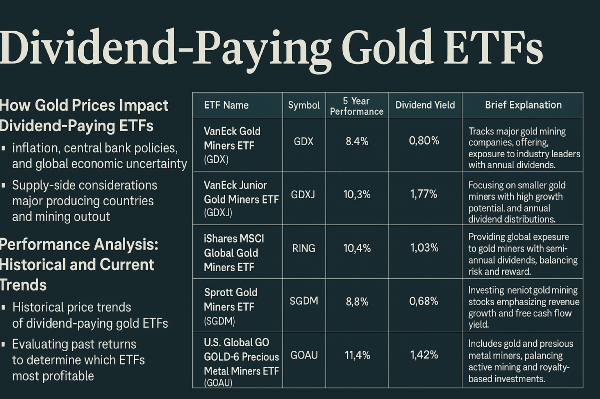
Precious metal prices are driven by a combination of demand-side and macroeconomic factors that impact their investment appeal. Gold, for instance, thrives as a safe-haven asset, particularly during periods of inflation, geopolitical instability, and declining interest rates, when investors seek protection against currency devaluation. Silver’s dual role as both a monetary and industrial metal makes its price more sensitive to global manufacturing trends, particularly in sectors like electronics and renewable energy. Platinum and palladium, heavily used in automotive catalytic converters, are influenced by demand shifts in the automotive industry and technological advancements in emissions control. Investor sentiment, central bank reserves, and consumer purchasing patterns—including jewelry demand—also play a significant role in shaping long-term pricing trends.
Supply-side considerations further determine the stability of precious metals as investments. Gold mining production is largely concentrated in countries like China, Australia, and Russia, with South Africa and Canada also playing significant roles in global supply. Silver, often a byproduct of base-metal mining, sees substantial output from Mexico and Peru, while platinum and palladium are primarily sourced from South Africa and Russia. Mining disruptions, regulatory shifts, and geopolitical instability can significantly impact supply, creating price volatility that affects investment strategies. Additionally, macroeconomic trends such as inflation, interest rates, and commodity cycles contribute to metal price fluctuations, influencing investor confidence in precious metal stocks. Understanding these dynamics helps investors choose safer options with strong financial backing, stable dividends, and strategic asset diversification.
Performance Analysis: Historical and Current Trends
Historical price trends reveal that safe precious metal stocks tend to follow long-term cycles influenced by macroeconomic conditions, investor sentiment, and commodity demand. Gold stocks, for instance, have historically performed well during periods of economic uncertainty, with major producers like Newmont and Barrick Gold demonstrating resilience through multiple market downturns. Silver stocks, while more volatile, have shown strong growth during industrial expansion phases, benefiting from increased demand in electronics and renewable energy sectors. Platinum and palladium stocks, tied closely to automotive and industrial applications, have fluctuated based on supply constraints and technological advancements. By analyzing past price movements, investors can identify patterns that indicate stability and long-term growth potential in precious metal equities.
The correlation between stock movements and metal spot prices plays a crucial role in evaluating investment safety. While mining stocks generally track the underlying commodity price, factors such as production costs, geopolitical risks, and company-specific financial health can create deviations. Gold stocks, for example, often exhibit a strong positive correlation with gold prices, but companies with efficient operations and low debt levels tend to outperform during price downturns. Silver and platinum stocks show similar trends, with well-managed firms maintaining profitability even when spot prices decline. Evaluating past returns helps investors determine which stocks are most resilient, focusing on those with strong balance sheets, consistent dividend payouts, and strategic asset diversification.
ESG and Sustainability Considerations
Mining operations have long been associated with environmental challenges, including habitat destruction, water contamination, and carbon emissions. Open-pit mining, a common method for extracting gold and silver, disrupts ecosystems and generates significant waste, while underground mining can lead to groundwater pollution and land subsidence. Additionally, the extraction and processing of platinum and palladium require energy-intensive methods, contributing to greenhouse gas emissions. To mitigate these effects, companies are increasingly adopting sustainable practices such as water recycling, tailings management, and transitioning to renewable energy sources. These efforts aim to reduce the ecological footprint of mining while maintaining operational efficiency.
Major precious metal companies are actively integrating ESG principles into their business strategies. Firms like Wheaton Precious Metals and Newmont have committed to reducing carbon emissions and improving community engagement. Many miners are investing in renewable energy infrastructure, such as solar and hydrogen-powered equipment, to lower their environmental impact. The future of sustainable mining lies in technological advancements, including automation, AI-driven resource optimization, and stricter regulatory frameworks that promote responsible extraction. As demand for ethically sourced metals grows, companies that prioritize ESG initiatives will likely gain a competitive edge, ensuring long-term viability in the evolving market.
Risks Associated with Safe Precious Metal Stocks
Precious metal stocks, despite their reputation for stability, are still subject to market volatility and price fluctuations. Gold and silver prices, for example, can experience sharp swings due to macroeconomic factors such as inflation, interest rate changes, and investor sentiment. While gold often serves as a hedge against economic downturns its price can decline when interest rates rise, making fixed-income assets more attractive. Silver, platinum, and palladium are even more sensitive to industrial demand, meaning their prices can be affected by shifts in manufacturing activity and technological advancements. Investors must be prepared for short-term volatility, even when holding stocks of well-established mining companies with strong financials.
Liquidity concerns and regulatory risks also pose challenges for precious metal investments. Mining operations require significant capital expenditures, and companies with high debt levels may struggle during periods of declining metal prices. Additionally, regulatory changes—such as stricter environmental policies or shifts in mining taxation—can impact profitability and operational efficiency. Geopolitical tensions further complicate supply chains, as conflicts in key mining regions can disrupt production and transportation. Countries like South Africa and Russia, major producers of platinum and palladium, have faced political instability that affects global supply. Investors must assess these risks carefully, ensuring they choose companies with diversified operations and strong risk management strategies.
Opportunities and Investment Strategies
Safe precious metal stocks play a crucial role in a diversified portfolio, offering stability and protection against economic downturns. Investors can leverage these stocks to hedge against inflation, currency fluctuations, and market volatility while maintaining exposure to the long-term appreciation of gold, silver, platinum, and palladium. Unlike physical bullion, which requires storage and security measures, mining stocks provide liquidity and potential dividend income, making them a more flexible investment option. Additionally, companies with strong balance sheets and consistent production levels offer resilience against commodity price swings, ensuring steady returns over time.
When evaluating investment strategies, investors must decide between long-term and short-term holdings based on their financial goals and risk tolerance. Long-term investors benefit from compounding returns and dividend payouts, particularly from established mining firms with proven track records. Short-term traders, on the other hand, capitalize on price fluctuations driven by macroeconomic trends and geopolitical events. Comparing mining stocks to ETFs and physical bullion, stocks offer growth potential and operational leverage, while ETFs provide diversified exposure with lower risk. Physical bullion remains a direct hedge against inflation but lacks income generation. A balanced approach incorporating all three can optimize portfolio performance while mitigating risks.
Conclusion
Investing in precious metal stocks offers a strategic way to balance portfolio stability with growth potential. Throughout our conversation, we've explored key considerations, from selecting safe mining and streaming companies to understanding macroeconomic trends, ESG factors, and risk mitigation strategies. While market volatility and geopolitical uncertainties can influence prices, companies with strong financials, operational efficiency, and sustainable practices provide reliable investment opportunities.
By leveraging a diversified approach—combining long-term holdings with alternative assets like ETFs and physical bullion—investors can optimize their exposure to gold, silver, platinum, and palladium. Whether prioritizing dividend income, historical resilience, or strategic asset allocation, choosing well-established firms ensures minimized risk and steady returns. As the precious metals sector evolves, monitoring financial health, industry trends, and sustainability initiatives will be essential for navigating future opportunities.
Material Stocks Quick Find List 🚀
Discover more about the material sector with our collection of in depth market exploration and and hot investment topics.
General 🌟
Construction Stocks 🏗️
Lumber Stocks 🌲
International Material Stocks 🌍
Metal Stocks ⚙️
Aluminum Stocks ✨
Steel Stocks 💪
Precious Metal Stocks 💎
Material Stocks with Dividends 🎯
Industrial Gas Stocks 🚀
Rare Earth Stocks 🌐
Advanced Materials 🔬