The companies tied to the Indy 500 give investors a clear view of which brands gain the most visibility during one of the biggest racing events in the world. These companies support teams, supply technology, and help power the entire event. Their presence at the Indy 500 shows how motorsports and business work together.
The Indy 500 is more than a sporting event. It is a marketing engine that reaches millions of fans. Companies that appear on cars, uniforms, and track signage gain exposure that few events can match. This visibility helps them build brand strength and reach new customers. It also shows how motorsports can influence business decisions.
The race also highlights how companies use innovation to stay competitive. Many of the brands involved in the Indy 500 work in energy, technology, or manufacturing. Their products help teams improve performance and safety. This connection between racing and engineering makes the event a showcase for new ideas.
The companies listed in this article come from the 2026 Indy 500 entry list and the official series partners. They include energy giants, tech leaders, financial firms, and consumer brands. Each one plays a role in shaping the race and supporting the teams that compete.
The Indy 500 has a long history of attracting major sponsors. Some companies have supported the race for decades. Others are newer partners looking to reach a global audience. Together, they form a network of brands that help keep the event strong.
The following sections break down the top Indy 500 stocks by category. Each section explains why the company matters and how it connects to the race. The goal is to help readers understand the business side of motorsports and how these companies fit into the larger picture.
Why Energy and Automotive Companies Lead the Indy 500
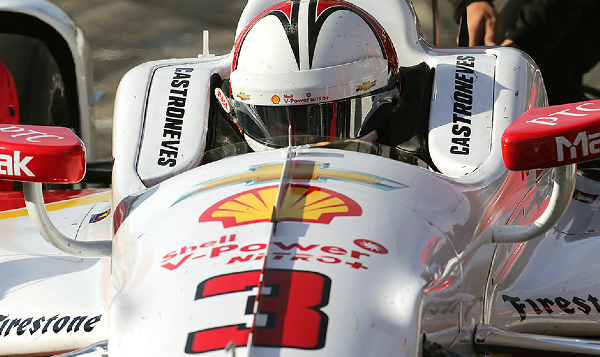
Shell returns to sponsor Castroneves for 101st Indy 500
Energy and automotive companies dominate the Indy 500 because they supply the fuel, engines, and technology that make the race possible. Their products power the cars and support the teams. This gives them a natural connection to the event and a strong reason to invest in sponsorships.
Shell, Sunoco, Chevrolet, and BorgWarner are some of the most visible brands at the race. They appear on cars, uniforms, and track signage. Their involvement shows how important the Indy 500 is to the automotive world. These companies use the race to test new ideas and promote their products.
Shell (SHEL) supports multiple teams and provides fuel technology. Sunoco (SUN) is the official fuel supplier for the series. Chevrolet (GM) supplies engines and pace cars. BorgWarner (BWA) provides the turbochargers used by every team. These roles make them essential to the event.
Energy companies also use the Indy 500 to highlight their research. They work on cleaner fuels, better engine performance, and new materials. This research helps improve both racing and consumer vehicles. It also shows how motorsports can support innovation.
One unique fact about the race is that the BorgWarner Trophy includes the face of every winner since 1936. This makes it one of the most detailed trophies in sports history. It also shows how long BorgWarner has been connected to the event.
Another interesting detail is that the pace car has been a Chevrolet for more than 20 years. This streak highlights the company’s long-term commitment to the race and its role in shaping the event’s identity.
Below is a table showing the top energy and automotive companies tied to the Indy 500.
| Company |
Ticker |
Role in Indy 500 |
| Shell |
SHEL |
Team sponsor and fuel technology |
| Sunoco |
SUN |
Official fuel supplier |
| Chevrolet |
GM |
Engine and pace car supplier |
| BorgWarner |
BWA |
Turbocharger supplier |
| Bridgestone/Firestone |
BRDCY |
Official tire supplier |
How Technology Companies Shape the Modern Indy 500
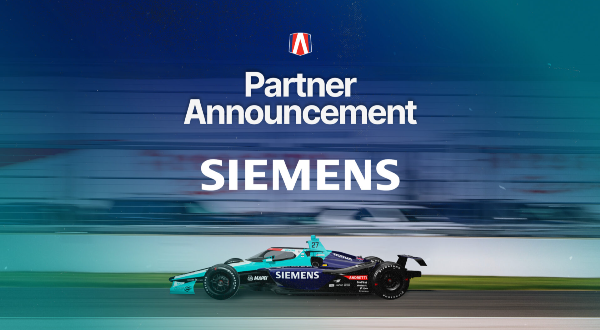
Andretti Global announces Siemens as Indianapolis 500 primary partner
Technology companies play a major role in the Indy 500 by supporting data systems, communication tools, and digital infrastructure. Their products help teams analyze performance and make faster decisions. This makes them essential to modern racing.
NTT (NTT), Verizon (VZ), Cisco (CSCO), and SiriusXM (SIRI) are some of the most visible tech brands at the event. They support timing systems, wireless communication, and broadcast technology. Their involvement helps the race run smoothly and keeps fans connected.
NTT is the title sponsor of the IndyCar Series. The company provides data analytics that help teams understand car performance. Verizon supports team communication and network coverage. Cisco helps manage digital systems across the track. SiriusXM appears on cars and supports media coverage.
These companies use the Indy 500 to show how their technology performs under pressure. Racing requires fast data, strong networks, and reliable systems. This makes the event a perfect place to demonstrate their capabilities.
Technology also helps fans enjoy the race. Real-time data, live timing, and digital broadcasts make the event more interactive. This connection between racing and technology helps the sport grow.
The table below highlights the top tech companies tied to the Indy 500.
| Company |
Ticker |
Role in Indy 500 |
| NTT |
NTT |
Series title sponsor and analytics |
| Verizon |
VZ |
Team sponsor and network support |
| Cisco |
CSCO |
Digital infrastructure |
| SiriusXM |
SIRI |
Team sponsor and media partner |
Why Financial and Consumer Brands Invest in the Indy 500
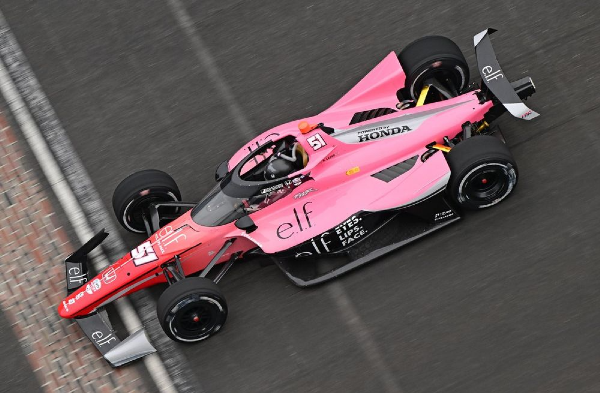
E.l.f. Cosmetics is sponsoring driver Katherine Legge for her 2026 Indianapolis 500 entry. Legge will pilot the No. 11 Chevrolet for HMD Motorsports with AJ Foyt Racing as the only woman in the field.
Financial and consumer brands invest in the Indy 500 because the event reaches a large and loyal audience. Fans follow the race closely and support the companies that appear on cars and uniforms. This makes the event a strong marketing platform.
PNC Financial (PNC), United Rentals (URI), Gallagher (AJG), and Gainbridge (FG) are some of the most active financial brands at the race. They sponsor teams, support events, and appear in broadcast coverage. Their involvement helps them reach new customers and build trust.
Consumer brands also use the race to promote their products. e.l.f. Beauty (ELF), DHL (DPW), Walmart (WMT), and Glanbia (GLB) appear on cars and team gear. Their presence shows how diverse the Indy 500 sponsor network has become.
These companies choose the Indy 500 because it offers strong visibility. The event draws millions of viewers and has a long history. This makes it a reliable place to invest marketing dollars.
The table below shows the top financial and consumer brands tied to the race.
| Company |
Ticker |
Role in Indy 500 |
| PNC Financial |
PNC |
Team sponsor |
| United Rentals |
URI |
Team sponsor |
| Gallagher |
AJG |
Series partner |
| Gainbridge |
FG |
Presenting sponsor |
| e.l.f. Beauty |
ELF |
Team sponsor |
| DHL |
DPW |
Team sponsor |
| Walmart |
WMT |
Team sponsor |
| Glanbia |
GLB |
Team sponsor |
Final Thoughts on the Top Indy 500 Stocks
The companies connected to the Indy 500 represent some of the strongest brands in energy, technology, finance, and consumer goods. Their involvement shows how important the race is to global marketing and innovation. These companies use the event to test new ideas, reach new customers, and build long-term partnerships.
The Indy 500 continues to attract major sponsors because it offers unmatched visibility. The event blends tradition, engineering, and entertainment. This combination makes it a powerful platform for companies looking to grow.
The stocks listed in this article reflect the business side of motorsports. They show how racing and industry work together to create a world-class event. For fans and investors, understanding these connections adds a new layer of insight to the race.
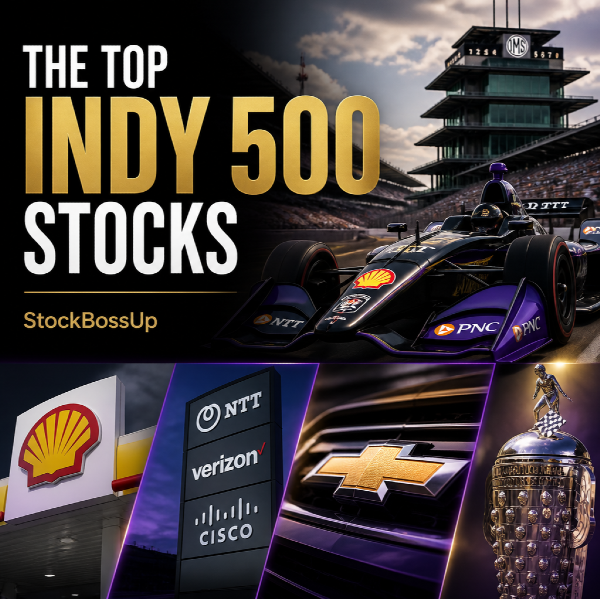







The companies tied to the Indy 500 give investors a clear view of which brands gain the most visibility during one of the biggest racing events in the world. These companies support teams, supply technology, and help power the entire event. Their presence at the Indy 500 shows how motorsports and business work together.
The Indy 500 is more than a sporting event. It is a marketing engine that reaches millions of fans. Companies that appear on cars, uniforms, and track signage gain exposure that few events can match. This visibility helps them build brand strength and reach new customers. It also shows how motorsports can influence business decisions.
The race also highlights how companies use innovation to stay competitive. Many of the brands involved in the Indy 500 work in energy, technology, or manufacturing. Their products help teams improve performance and safety. This connection between racing and engineering makes the event a showcase for new ideas.
The companies listed in this article come from the 2026 Indy 500 entry list and the official series partners. They include energy giants, tech leaders, financial firms, and consumer brands. Each one plays a role in shaping the race and supporting the teams that compete.
The Indy 500 has a long history of attracting major sponsors. Some companies have supported the race for decades. Others are newer partners looking to reach a global audience. Together, they form a network of brands that help keep the event strong.
The following sections break down the top Indy 500 stocks by category. Each section explains why the company matters and how it connects to the race. The goal is to help readers understand the business side of motorsports and how these companies fit into the larger picture.
Why Energy and Automotive Companies Lead the Indy 500
Shell returns to sponsor Castroneves for 101st Indy 500
Energy and automotive companies dominate the Indy 500 because they supply the fuel, engines, and technology that make the race possible. Their products power the cars and support the teams. This gives them a natural connection to the event and a strong reason to invest in sponsorships.
Shell, Sunoco, Chevrolet, and BorgWarner are some of the most visible brands at the race. They appear on cars, uniforms, and track signage. Their involvement shows how important the Indy 500 is to the automotive world. These companies use the race to test new ideas and promote their products.
Shell (SHEL) supports multiple teams and provides fuel technology. Sunoco (SUN) is the official fuel supplier for the series. Chevrolet (GM) supplies engines and pace cars. BorgWarner (BWA) provides the turbochargers used by every team. These roles make them essential to the event.
Energy companies also use the Indy 500 to highlight their research. They work on cleaner fuels, better engine performance, and new materials. This research helps improve both racing and consumer vehicles. It also shows how motorsports can support innovation.
One unique fact about the race is that the BorgWarner Trophy includes the face of every winner since 1936. This makes it one of the most detailed trophies in sports history. It also shows how long BorgWarner has been connected to the event.
Another interesting detail is that the pace car has been a Chevrolet for more than 20 years. This streak highlights the company’s long-term commitment to the race and its role in shaping the event’s identity.
Below is a table showing the top energy and automotive companies tied to the Indy 500.
How Technology Companies Shape the Modern Indy 500
Andretti Global announces Siemens as Indianapolis 500 primary partner
Technology companies play a major role in the Indy 500 by supporting data systems, communication tools, and digital infrastructure. Their products help teams analyze performance and make faster decisions. This makes them essential to modern racing.
NTT (NTT), Verizon (VZ), Cisco (CSCO), and SiriusXM (SIRI) are some of the most visible tech brands at the event. They support timing systems, wireless communication, and broadcast technology. Their involvement helps the race run smoothly and keeps fans connected.
NTT is the title sponsor of the IndyCar Series. The company provides data analytics that help teams understand car performance. Verizon supports team communication and network coverage. Cisco helps manage digital systems across the track. SiriusXM appears on cars and supports media coverage.
These companies use the Indy 500 to show how their technology performs under pressure. Racing requires fast data, strong networks, and reliable systems. This makes the event a perfect place to demonstrate their capabilities.
Technology also helps fans enjoy the race. Real-time data, live timing, and digital broadcasts make the event more interactive. This connection between racing and technology helps the sport grow.
The table below highlights the top tech companies tied to the Indy 500.
Why Financial and Consumer Brands Invest in the Indy 500
E.l.f. Cosmetics is sponsoring driver Katherine Legge for her 2026 Indianapolis 500 entry. Legge will pilot the No. 11 Chevrolet for HMD Motorsports with AJ Foyt Racing as the only woman in the field.
Financial and consumer brands invest in the Indy 500 because the event reaches a large and loyal audience. Fans follow the race closely and support the companies that appear on cars and uniforms. This makes the event a strong marketing platform.
PNC Financial (PNC), United Rentals (URI), Gallagher (AJG), and Gainbridge (FG) are some of the most active financial brands at the race. They sponsor teams, support events, and appear in broadcast coverage. Their involvement helps them reach new customers and build trust.
Consumer brands also use the race to promote their products. e.l.f. Beauty (ELF), DHL (DPW), Walmart (WMT), and Glanbia (GLB) appear on cars and team gear. Their presence shows how diverse the Indy 500 sponsor network has become.
These companies choose the Indy 500 because it offers strong visibility. The event draws millions of viewers and has a long history. This makes it a reliable place to invest marketing dollars.
The table below shows the top financial and consumer brands tied to the race.
Final Thoughts on the Top Indy 500 Stocks
The companies connected to the Indy 500 represent some of the strongest brands in energy, technology, finance, and consumer goods. Their involvement shows how important the race is to global marketing and innovation. These companies use the event to test new ideas, reach new customers, and build long-term partnerships.
The Indy 500 continues to attract major sponsors because it offers unmatched visibility. The event blends tradition, engineering, and entertainment. This combination makes it a powerful platform for companies looking to grow.
The stocks listed in this article reflect the business side of motorsports. They show how racing and industry work together to create a world-class event. For fans and investors, understanding these connections adds a new layer of insight to the race.