Key Takeaways
⚙️ Global Supply Dominance and Strategic Importance
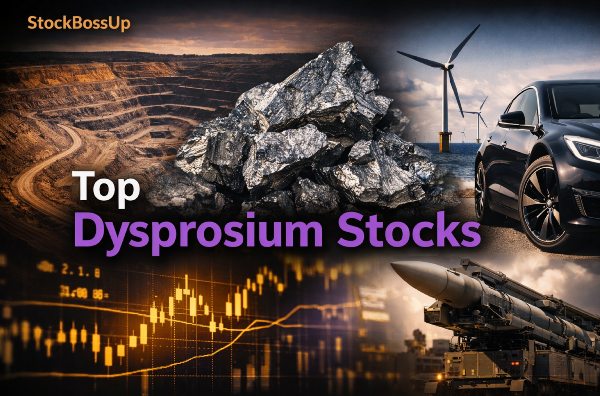
Dysprosium is a critical rare earth element essential for high‑performance magnets used in electric vehicles, wind turbines, and defense systems. Its production is concentrated in a few regions, mainly China, making global supply sensitive to policy changes. Investors should monitor companies expanding production outside China to reduce geopolitical risk and stabilize supply chains.
🌍 Clean Energy and Technology Growth Drives Demand
The clean energy transition and electrification of transportation are fueling dysprosium demand. Electric vehicle motors and offshore wind turbines rely on dysprosium for heat‑resistant magnets. As renewable energy adoption accelerates, companies with strong rare earth portfolios and refining capabilities stand to benefit from sustained market growth.
💡 Emerging Producers and Innovation Opportunities
New mining projects in Africa and Southeast Asia, along with eco‑friendly refining and magnet recycling technologies, are reshaping the dysprosium market. These innovations could diversify global supply and reduce environmental impact. Investors tracking these emerging producers may find early‑stage opportunities in sustainable rare earth production.
📈 Investment Risks and Market Volatility
Dysprosium stocks face risks from supply concentration, environmental regulations, and potential technological alternatives. Price volatility is common when export policies shift or demand fluctuates. Companies with cleaner extraction methods, government partnerships, and long‑term contracts are better positioned to manage these challenges and maintain profitability.
Which Material Companies are in the Dysprosium Supply Chain
| Company Name |
Symbol |
Connection to Dysprosium Supply Chain |
| MP Materials Corp. |
NYSE: MP |
Operates the Mountain Pass mine in California, the only commercial‑scale rare earth mine in the U.S. Expanding heavy rare earth separation, including dysprosium and terbium, through its Project Phoenix SX facility. |
| Energy Fuels Inc. |
NYSE American: UUUU |
Produced the first 99.9% pure dysprosium oxide in the U.S. at its White Mesa Mill in Utah. Demonstration‑scale solvent extraction system revives domestic heavy rare earth separation capabilities. |
| USA Rare Earth Inc. |
NASDAQ: USAR |
Developing the Round Top project in Texas and building a magnet manufacturing plant in Oklahoma. Focused on “mine‑to‑magnet” production including dysprosium and other magnet metals. |
| Texas Mineral Resources Corp.** |
OTCQB: TMRC |
Partnered with USA Rare Earth on the Round Top project, which contains heavy rare earths including dysprosium. Provides exploration and resource development expertise. |
| Lynas Rare Earths Ltd. |
OTC: LYSDY |
Australian producer operating Mount Weld mine and Malaysian separation plant. Building a U.S.‑based processing facility in Texas to supply dysprosium carbonate and other heavy rare earths to Western markets. |
Context for Investors
These companies represent the core of America’s dysprosium supply chain, spanning mining, refining, and magnet manufacturing.
- MP Materials and Energy Fuels anchor domestic production.
- USA Rare Earth and Texas Mineral Resources are developing integrated mine‑to‑magnet operations.
- Lynas Rare Earths bridges international supply with U.S. processing expansion.
Together, they form the backbone of U.S. efforts to reduce reliance on foreign heavy rare earths and strengthen national security through local production.
Why Dysprosium Matters for Investors
Dysprosium sits at the center of several fast‑growing industries, which is why companies involved in its mining or processing attract so much attention. Dysprosium is a rare earth element used in high‑performance magnets, electric vehicles, wind turbines, and advanced defense systems. Any company that can reliably produce or refine it becomes important to global supply chains.
Dysprosium demand continues to rise because modern motors need magnets that stay strong under heat and stress. This element helps make that possible. As more countries push for clean energy and electrified transportation, the need for stable dysprosium supply grows. That is why investors often track companies with exposure to rare earth mining, refining, or magnet manufacturing.
One unique fact about dysprosium is that it can remain stable at temperatures where many metals begin to weaken. This makes it valuable in jet engines and military equipment. Another lesser‑known fact is that dysprosium was once used in nuclear reactor control rods because it absorbs neutrons so well. These traits help explain why the metal is strategically important.
Before looking at the top companies, it helps to understand that dysprosium is rarely mined alone. It is usually found mixed with other rare earth elements. That means companies with broader rare earth operations often have the strongest dysprosium output. Many of these firms also operate in regions with strict export controls, which can affect global supply.
Leading Global Producers of Dysprosium
Only a handful of companies produce most of the world’s dysprosium, and many are located in regions with tight government oversight. This makes the supply chain sensitive to policy changes. Investors often watch these companies because their production levels influence global pricing.
China remains the largest source of dysprosium. Several Chinese mining groups operate in regions rich in ionic clay deposits, which contain higher concentrations of heavy rare earths like dysprosium. These companies often work under state‑directed quotas. While this can limit output, it also stabilizes long‑term supply.
Outside China, a few companies in Australia, North America, and Southeast Asia have become important players. These firms focus on diversifying global supply and reducing reliance on a single region. Many of them operate integrated facilities that mine, separate, and refine rare earths. This vertical structure helps them control costs and improve reliability.
Some companies also partner with governments to secure funding for new processing plants. These partnerships help build domestic supply chains for electric vehicles and renewable energy. They also reduce the risk of disruptions caused by geopolitical tensions. As a result, these companies often appear on lists of top dysprosium‑related stocks.
Below is a simple comparison of major regions involved in dysprosium production:
| Region |
Key Companies |
Strengths |
Challenges |
| China |
Chinese rare earth groups |
Large deposits, strong refining capacity |
Export controls, quota limits |
| Australia |
Australian mining firms |
Stable regulations, growing output |
High production costs |
| North America |
US and Canadian producers |
Government support, new processing plants |
Limited heavy rare earth deposits |
Companies With Strong Rare Earth Portfolios
Companies with broad rare earth portfolios often have the best long‑term exposure to dysprosium. They may not produce the most dysprosium today, but their deposits and processing capabilities position them well for future growth.
Many of these companies operate large open‑pit mines that contain a mix of light and heavy rare earths. Dysprosium is considered a heavy rare earth, so deposits rich in these elements are especially valuable. Firms with access to ionic clay deposits often have an advantage because these clays are easier to process.
Some companies also invest heavily in research to improve separation technology. Better separation means higher purity levels and more efficient extraction. This can increase profit margins and reduce waste. Investors often track these advancements because they can shift the competitive landscape.
Another factor is long‑term supply contracts. Companies that secure agreements with EV manufacturers or wind turbine producers gain predictable revenue. These contracts also help stabilize production planning. As demand for clean energy grows, these partnerships become even more important.
Here is a quick overview of traits common among strong rare earth portfolio companies:
| Trait |
Description |
| Vertical integration |
Control from mining to refining |
| Government partnerships |
Funding and regulatory support |
| Advanced separation tech |
Higher efficiency and purity |
| Long‑term supply deals |
Stable revenue streams |
Emerging Dysprosium Producers to Watch
Several emerging companies are working to expand dysprosium production outside traditional regions. These firms may not be major producers yet, but they hold promising deposits or new processing technologies.
Some emerging producers focus on heavy rare earth deposits in Africa and Southeast Asia. These regions have geology similar to China’s ionic clay deposits. If developed successfully, they could become important new sources of dysprosium. Many of these projects are still in early stages, so timelines can vary.
Other companies are developing advanced refining methods that reduce environmental impact. These methods use less water and fewer chemicals. They also produce less waste. As environmental rules tighten, these technologies could become essential for global supply chains.
A few emerging producers also explore recycling rare earth magnets. This approach recovers dysprosium from old electronics and motors. Recycling could become a major supply source as EV adoption increases. Some companies already operate pilot plants to test large‑scale recovery.
Below is a snapshot of common features among emerging dysprosium producers:
| Feature |
Benefit |
| New mining regions |
Diversifies global supply |
| Eco‑friendly refining |
Meets rising environmental standards |
| Magnet recycling |
Reduces reliance on mining |
How Dysprosium Fits Into the Clean Energy Boom
Dysprosium demand is tied closely to the rise of clean energy and electric vehicles. These industries rely on strong permanent magnets, and dysprosium helps those magnets stay stable under heat.
Electric vehicle motors use neodymium‑iron‑boron magnets, and dysprosium improves their performance. As more automakers shift to EVs, the need for reliable dysprosium supply grows. Some automakers even invest directly in mining companies to secure long‑term access.
Wind turbines also use magnets that contain dysprosium. Offshore turbines face harsh conditions, so they need materials that resist heat and corrosion. Dysprosium helps meet those demands. As countries expand wind power, demand for heavy rare earths increases.
Defense systems also rely on dysprosium. It appears in guidance systems, sensors, and advanced motors. Because of this, many governments classify dysprosium as a strategic material. This classification often leads to funding for domestic production.
Here is a simple breakdown of industries that rely on dysprosium:
| Industry |
Use Case |
| Electric vehicles |
High‑performance motor magnets |
| Wind energy |
Offshore turbine stability |
| Defense |
Sensors and guidance systems |
Risks and Challenges in the Dysprosium Market
Dysprosium markets face several risks, including supply concentration, geopolitical tension, and environmental concerns. Investors often track these risks because they can affect production and pricing.
One major risk is that most dysprosium comes from a single region. If export policies change, global supply can tighten quickly. This can lead to price spikes. Companies outside that region may benefit, but the overall market becomes more volatile.
Another challenge is environmental regulation. Rare earth mining can produce waste that must be handled carefully. Stricter rules can slow production or increase costs. Companies with cleaner technology may have an advantage in the long run.
Market demand can also shift. If new magnet technologies reduce the need for dysprosium, demand could level off. Some research groups are exploring alternatives, though none match dysprosium’s performance yet. Investors watch these developments closely.
Below is a quick look at common risks:
| Risk |
Impact |
| Supply concentration |
Higher volatility |
| Environmental rules |
Increased costs |
| Tech alternatives |
Possible demand changes |
Final Thoughts on Tracking Dysprosium Stocks
Dysprosium plays a vital role in clean energy, defense, and advanced manufacturing. Companies involved in its production or processing often attract attention because they support these fast‑growing industries.
Investors who follow dysprosium‑related companies usually focus on production capacity, refining technology, and government partnerships. These factors shape long‑term stability. They also influence how well a company can respond to rising demand.
While dysprosium markets can be volatile, they remain important to global supply chains. Understanding the companies behind this metal helps investors stay informed about broader trends in technology and energy. As the world moves toward electrification, dysprosium will likely remain a key material.
If you want to explore related topics, you can look into rare earth mining, clean energy materials, or EV supply chains.
(I am not a financial advisor. For personal investment decisions, speak with a qualified professional.)
🔎 Read More: Deep‑Dive Into the Materials & Rare Earth Investing Universe
A strong materials portfolio starts with strong research. Explore authoritative guides, sector breakdowns, sustainability insights, and rare earth market intelligence.
Materials Sector Foundations
Metals & Industrial Materials
Aluminum Investing Hub
Rare Earths & Critical Minerals
Commodities vs. Materials — Core Concepts




















Key Takeaways
⚙️ Global Supply Dominance and Strategic Importance
Dysprosium is a critical rare earth element essential for high‑performance magnets used in electric vehicles, wind turbines, and defense systems. Its production is concentrated in a few regions, mainly China, making global supply sensitive to policy changes. Investors should monitor companies expanding production outside China to reduce geopolitical risk and stabilize supply chains.🌍 Clean Energy and Technology Growth Drives Demand
The clean energy transition and electrification of transportation are fueling dysprosium demand. Electric vehicle motors and offshore wind turbines rely on dysprosium for heat‑resistant magnets. As renewable energy adoption accelerates, companies with strong rare earth portfolios and refining capabilities stand to benefit from sustained market growth.💡 Emerging Producers and Innovation Opportunities
New mining projects in Africa and Southeast Asia, along with eco‑friendly refining and magnet recycling technologies, are reshaping the dysprosium market. These innovations could diversify global supply and reduce environmental impact. Investors tracking these emerging producers may find early‑stage opportunities in sustainable rare earth production.📈 Investment Risks and Market Volatility
Dysprosium stocks face risks from supply concentration, environmental regulations, and potential technological alternatives. Price volatility is common when export policies shift or demand fluctuates. Companies with cleaner extraction methods, government partnerships, and long‑term contracts are better positioned to manage these challenges and maintain profitability.Which Material Companies are in the Dysprosium Supply Chain
Context for Investors
These companies represent the core of America’s dysprosium supply chain, spanning mining, refining, and magnet manufacturing.
Together, they form the backbone of U.S. efforts to reduce reliance on foreign heavy rare earths and strengthen national security through local production.
Why Dysprosium Matters for Investors
Dysprosium sits at the center of several fast‑growing industries, which is why companies involved in its mining or processing attract so much attention. Dysprosium is a rare earth element used in high‑performance magnets, electric vehicles, wind turbines, and advanced defense systems. Any company that can reliably produce or refine it becomes important to global supply chains.
Dysprosium demand continues to rise because modern motors need magnets that stay strong under heat and stress. This element helps make that possible. As more countries push for clean energy and electrified transportation, the need for stable dysprosium supply grows. That is why investors often track companies with exposure to rare earth mining, refining, or magnet manufacturing.
One unique fact about dysprosium is that it can remain stable at temperatures where many metals begin to weaken. This makes it valuable in jet engines and military equipment. Another lesser‑known fact is that dysprosium was once used in nuclear reactor control rods because it absorbs neutrons so well. These traits help explain why the metal is strategically important.
Before looking at the top companies, it helps to understand that dysprosium is rarely mined alone. It is usually found mixed with other rare earth elements. That means companies with broader rare earth operations often have the strongest dysprosium output. Many of these firms also operate in regions with strict export controls, which can affect global supply.
Leading Global Producers of Dysprosium
Only a handful of companies produce most of the world’s dysprosium, and many are located in regions with tight government oversight. This makes the supply chain sensitive to policy changes. Investors often watch these companies because their production levels influence global pricing.
China remains the largest source of dysprosium. Several Chinese mining groups operate in regions rich in ionic clay deposits, which contain higher concentrations of heavy rare earths like dysprosium. These companies often work under state‑directed quotas. While this can limit output, it also stabilizes long‑term supply.
Outside China, a few companies in Australia, North America, and Southeast Asia have become important players. These firms focus on diversifying global supply and reducing reliance on a single region. Many of them operate integrated facilities that mine, separate, and refine rare earths. This vertical structure helps them control costs and improve reliability.
Some companies also partner with governments to secure funding for new processing plants. These partnerships help build domestic supply chains for electric vehicles and renewable energy. They also reduce the risk of disruptions caused by geopolitical tensions. As a result, these companies often appear on lists of top dysprosium‑related stocks.
Below is a simple comparison of major regions involved in dysprosium production:
Companies With Strong Rare Earth Portfolios
Companies with broad rare earth portfolios often have the best long‑term exposure to dysprosium. They may not produce the most dysprosium today, but their deposits and processing capabilities position them well for future growth.
Many of these companies operate large open‑pit mines that contain a mix of light and heavy rare earths. Dysprosium is considered a heavy rare earth, so deposits rich in these elements are especially valuable. Firms with access to ionic clay deposits often have an advantage because these clays are easier to process.
Some companies also invest heavily in research to improve separation technology. Better separation means higher purity levels and more efficient extraction. This can increase profit margins and reduce waste. Investors often track these advancements because they can shift the competitive landscape.
Another factor is long‑term supply contracts. Companies that secure agreements with EV manufacturers or wind turbine producers gain predictable revenue. These contracts also help stabilize production planning. As demand for clean energy grows, these partnerships become even more important.
Here is a quick overview of traits common among strong rare earth portfolio companies:
Emerging Dysprosium Producers to Watch
Several emerging companies are working to expand dysprosium production outside traditional regions. These firms may not be major producers yet, but they hold promising deposits or new processing technologies.
Some emerging producers focus on heavy rare earth deposits in Africa and Southeast Asia. These regions have geology similar to China’s ionic clay deposits. If developed successfully, they could become important new sources of dysprosium. Many of these projects are still in early stages, so timelines can vary.
Other companies are developing advanced refining methods that reduce environmental impact. These methods use less water and fewer chemicals. They also produce less waste. As environmental rules tighten, these technologies could become essential for global supply chains.
A few emerging producers also explore recycling rare earth magnets. This approach recovers dysprosium from old electronics and motors. Recycling could become a major supply source as EV adoption increases. Some companies already operate pilot plants to test large‑scale recovery.
Below is a snapshot of common features among emerging dysprosium producers:
How Dysprosium Fits Into the Clean Energy Boom
Dysprosium demand is tied closely to the rise of clean energy and electric vehicles. These industries rely on strong permanent magnets, and dysprosium helps those magnets stay stable under heat.
Electric vehicle motors use neodymium‑iron‑boron magnets, and dysprosium improves their performance. As more automakers shift to EVs, the need for reliable dysprosium supply grows. Some automakers even invest directly in mining companies to secure long‑term access.
Wind turbines also use magnets that contain dysprosium. Offshore turbines face harsh conditions, so they need materials that resist heat and corrosion. Dysprosium helps meet those demands. As countries expand wind power, demand for heavy rare earths increases.
Defense systems also rely on dysprosium. It appears in guidance systems, sensors, and advanced motors. Because of this, many governments classify dysprosium as a strategic material. This classification often leads to funding for domestic production.
Here is a simple breakdown of industries that rely on dysprosium:
Risks and Challenges in the Dysprosium Market
Dysprosium markets face several risks, including supply concentration, geopolitical tension, and environmental concerns. Investors often track these risks because they can affect production and pricing.
One major risk is that most dysprosium comes from a single region. If export policies change, global supply can tighten quickly. This can lead to price spikes. Companies outside that region may benefit, but the overall market becomes more volatile.
Another challenge is environmental regulation. Rare earth mining can produce waste that must be handled carefully. Stricter rules can slow production or increase costs. Companies with cleaner technology may have an advantage in the long run.
Market demand can also shift. If new magnet technologies reduce the need for dysprosium, demand could level off. Some research groups are exploring alternatives, though none match dysprosium’s performance yet. Investors watch these developments closely.
Below is a quick look at common risks:
Final Thoughts on Tracking Dysprosium Stocks
Dysprosium plays a vital role in clean energy, defense, and advanced manufacturing. Companies involved in its production or processing often attract attention because they support these fast‑growing industries.
Investors who follow dysprosium‑related companies usually focus on production capacity, refining technology, and government partnerships. These factors shape long‑term stability. They also influence how well a company can respond to rising demand.
While dysprosium markets can be volatile, they remain important to global supply chains. Understanding the companies behind this metal helps investors stay informed about broader trends in technology and energy. As the world moves toward electrification, dysprosium will likely remain a key material.
If you want to explore related topics, you can look into rare earth mining, clean energy materials, or EV supply chains.
(I am not a financial advisor. For personal investment decisions, speak with a qualified professional.)
🔎 Read More: Deep‑Dive Into the Materials & Rare Earth Investing Universe
A strong materials portfolio starts with strong research. Explore authoritative guides, sector breakdowns, sustainability insights, and rare earth market intelligence.
Materials Sector Foundations
Metals & Industrial Materials
Aluminum Investing Hub
Rare Earths & Critical Minerals
Commodities vs. Materials — Core Concepts