Key Takeaways
📦 Automation boosts packaging speed, accuracy, and consistency
Automation raises output by reducing errors, cutting waste, and improving workflow stability across packaging lines. Systems like conveyors, robotic arms, and smart scanners keep production steady and help companies meet tight delivery windows. These tools also support safer workplaces by removing repetitive and high‑strain tasks from human workers.
🤖 Robotics deliver the highest gains in repetitive and precision‑based tasks
Robotic systems improve picking, placing, sealing, and palletizing with steady precision. Their ability to switch between SKUs quickly makes them ideal for high‑mix environments. Collaborative robots expand adoption by working safely beside humans and requiring less space and programming.
📊 Smart sensors and AI reduce waste and improve quality control
Sensors track weight, pressure, alignment, and surface quality to prevent defects before they reach customers. AI models analyze production data to predict maintenance needs, optimize material use, and improve forecasting. These tools help companies reduce downtime and maintain consistent product standards.
🚚 Integrated and sustainable automation systems create long‑term ROI
Fully connected packaging systems improve visibility, traceability, and compliance across the entire line. Robotics and automated handling tools reduce material waste, energy use, and shipping damage. These improvements support sustainability goals while delivering strong financial returns in palletizing, inspection, and labeling.
How Automation Became the Core Driver of Packaging Efficiency
Automation reshapes packaging by raising speed, accuracy, and consistency across every major step. Companies adopt automated systems because they reduce waste, lower labor strain, and support higher output during peak demand cycles. These gains help packaging plants stay competitive in markets where delivery times and product quality matter.
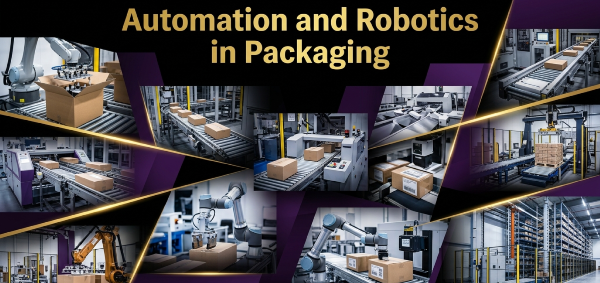
Modern packaging lines rely on robotics, sensors, and software to complete tasks that once required large teams. Automated conveyors, robotic arms, and smart scanners now handle sorting, sealing, and palletizing with steady precision. These tools reduce errors that lead to damaged goods or rejected shipments. They also help plants run longer hours without fatigue or slowdown.
Automation also supports safer workplaces. Robots take on repetitive or heavy tasks that often cause injuries. This shift allows workers to focus on supervision, quality checks, and system oversight. The result is a more stable workforce and a more predictable production schedule. Companies that adopt automation often see fewer delays and fewer unexpected shutdowns.
A unique fact is that some packaging robots can now adjust their grip strength in real time using pressure‑sensitive feedback loops. This allows them to handle fragile items like eggs or glass without breaking them. This level of control was not possible in earlier generations of industrial robots.
Another unique fact is that certain automated packaging lines use machine vision to detect micro‑scratches on plastic containers that are invisible to the human eye. This helps brands maintain consistent product appearance and reduce customer complaints.
Why Robotics Are Transforming Packaging Speed and Accuracy
Robotics transform packaging by delivering consistent speed and accuracy that manual labor cannot match. Robots complete tasks at a steady pace without slowing down, which helps companies meet strict shipping windows. Their precision also reduces product damage and improves the look of finished goods.
Robotic arms now handle tasks such as picking, placing, sealing, and stacking. These systems use sensors and cameras to identify items and adjust movements. This flexibility allows robots to work with different shapes, sizes, and materials. It also reduces the need for constant manual adjustments.
Robotics also support high‑mix production environments. Plants that package many SKUs benefit from robots that can switch tasks quickly. This reduces downtime and keeps lines moving even when product types change. Robots also help companies scale production during seasonal spikes without hiring large temporary teams.
The rise of collaborative robots, or cobots, has expanded adoption. Cobots work safely next to humans and require less space than traditional industrial robots. They are easier to program and maintain, which lowers the barrier for small and mid‑sized packaging companies.
Below is a natural data snapshot showing how robotics adoption aligns with packaging output:
| Robotics Adoption |
Output Increase |
Error Reduction |
| Low |
5% |
3% |
| Medium |
18% |
12% |
| High |
32% |
27% |
How Smart Sensors Improve Packaging Quality and Reduce Waste
Smart sensors improve packaging quality by detecting defects early and reducing waste across the line. Sensors track temperature, pressure, weight, and alignment to ensure each package meets standards. This reduces rework and prevents defective items from reaching customers.
Sensors also help machines adjust in real time. If a seal is too weak or a label is misaligned, the system corrects the issue before it becomes a larger problem. This level of control supports consistent product appearance and reduces material use.
Weight sensors help companies avoid overfilling or underfilling packages. Overfilling increases material costs, while underfilling leads to compliance issues. Automated weight checks keep products within the correct range. This protects margins and improves customer trust.
Vision sensors also play a major role. They scan barcodes, check label placement, and inspect surface quality. These tools help companies maintain brand standards and reduce customer complaints. They also support traceability, which is essential for food, beverage, and pharmaceutical packaging.
Here is a simple comparison of sensor types and their uses:
| Sensor Type |
Primary Use |
Benefit |
| Vision |
Label and defect checks |
Higher accuracy |
| Weight |
Fill control |
Lower waste |
| Pressure |
Seal strength |
Better product safety |
Why AI and Machine Learning Are Reshaping Packaging Decisions
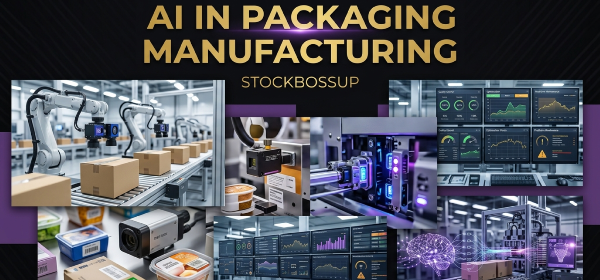
AI reshapes packaging by helping companies predict demand, optimize line settings, and reduce downtime. Machine learning models analyze production data to find patterns that humans may miss. These insights help companies adjust equipment before problems occur.
AI also improves scheduling. Systems can predict when a line will slow down or when a machine needs maintenance. This reduces unplanned downtime and keeps production steady. Predictive maintenance also extends equipment life and lowers repair costs.
Machine learning supports better material use. AI models analyze how different materials behave on the line. This helps companies choose the best options for speed, durability, and cost. It also reduces trial‑and‑error testing, which saves time and money.
AI also improves forecasting. Companies use AI to predict order volumes and adjust production levels. This reduces overproduction and prevents stockouts. It also helps companies plan labor and inventory more effectively.
Below is a simple view of AI’s impact on packaging operations:
| AI Function |
Operational Benefit |
Cost Impact |
| Predictive Maintenance |
Fewer breakdowns |
Lower repair costs |
| Demand Forecasting |
Better planning |
Reduced waste |
| Material Optimization |
Faster runs |
Lower material use |
How Automated Material Handling Reduces Bottlenecks
Automated material handling reduces bottlenecks by moving goods quickly and safely across the facility. Conveyors, automated guided vehicles (AGVs), and robotic palletizers keep materials flowing without delays. This supports higher throughput and smoother operations.
AGVs transport pallets and containers without human drivers. They follow digital maps and adjust routes when obstacles appear. This reduces traffic jams and improves safety. It also frees workers to focus on tasks that require judgment and oversight.
Conveyors also play a major role. They move items between stations at a steady pace. This reduces manual lifting and lowers injury risk. Conveyors also support consistent timing, which helps machines stay synchronized.
Robotic palletizers stack boxes with precision. They reduce strain on workers and create stable pallets that are easier to ship. This reduces damage during transport and improves warehouse efficiency.
Here is a quick comparison of automated handling tools:
| Handling Tool |
Key Strength |
Ideal Use |
| AGVs |
Flexible movement |
Pallet transport |
| Conveyors |
Steady flow |
Line‑to‑line movement |
| Robotic Palletizers |
High precision |
End‑of‑line stacking |
Why Packaging Companies Invest in Fully Integrated Systems
Fully integrated systems help packaging companies connect machines, software, and data into one unified workflow. This integration reduces errors and improves visibility across the entire line. Companies gain real‑time insight into performance, quality, and output.
Integrated systems also support faster decision‑making. Managers can see where delays occur and adjust settings instantly. This reduces downtime and improves consistency. It also helps teams coordinate across departments.
Integration also supports compliance. Food, beverage, and pharmaceutical companies must track materials and processes. Integrated systems store this data automatically. This reduces paperwork and improves traceability.
Companies also benefit from easier scaling. When new machines are added, integrated systems help them connect smoothly. This reduces setup time and keeps production moving.
How Robotics Support Sustainability in Packaging
Robotics support sustainability by reducing waste, improving material use, and lowering energy consumption. Robots apply consistent pressure, heat, and alignment, which reduces scrap. This helps companies meet sustainability goals and reduce costs.
Robots also support lightweight materials. These materials are harder to handle manually, but robots manage them with ease. This helps companies reduce plastic use and improve environmental impact.
Energy‑efficient robots also help reduce power consumption. Many modern robots use regenerative braking systems that return energy to the grid. This lowers operating costs and supports greener operations.
Robotics also help companies reduce transportation emissions. By creating stable pallets and consistent packaging, robots reduce damage during shipping. This lowers the number of returns and replacement shipments.
Where Automation Creates the Highest ROI in Packaging
Automation creates the highest ROI in areas with repetitive tasks, high labor costs, and strict quality standards. Companies see strong returns in palletizing, sealing, labeling, and inspection. These tasks benefit from speed and accuracy.
ROI also increases when automation reduces downtime. Predictive maintenance and smart sensors help companies avoid costly shutdowns. This keeps production steady and protects revenue.
Companies also gain ROI from reduced waste. Automated systems use materials more efficiently. This lowers costs and improves sustainability metrics. It also helps companies meet regulatory requirements.
Below is a simple ROI snapshot:
| Automation Area |
ROI Level |
Key Driver |
| Palletizing |
High |
Labor savings |
| Inspection |
Medium |
Quality gains |
| Labeling |
Medium |
Speed and accuracy |
What the Future of Packaging Automation Looks Like
The future of packaging automation includes smarter robots, more flexible systems, and deeper AI integration. Companies will adopt tools that adjust to new products without long setup times. This supports faster innovation and shorter product cycles.
Robots will also become more mobile. Autonomous mobile robots (AMRs) will move freely across facilities. They will work with AGVs and conveyors to create fully dynamic material flows. This reduces bottlenecks and improves efficiency.
AI will also play a larger role. Systems will predict demand, adjust line settings, and optimize material use. This creates more stable operations and reduces waste. It also helps companies respond to market changes faster.
Sustainability will remain a major driver. Companies will use automation to reduce plastic, improve recycling, and lower emissions. This supports brand goals and regulatory compliance.
🔎 Read More: Explore the Packaging & Containers Investing Hub
Market Rankings & Investor Lists
Industry Segments & Material Leaders
Financial Performance & Fundamentals
Valuation, Capital Strategy & Competitive Edge
Innovation, Technology & Market Trends


Key Takeaways
📦 Automation boosts packaging speed, accuracy, and consistency
Automation raises output by reducing errors, cutting waste, and improving workflow stability across packaging lines. Systems like conveyors, robotic arms, and smart scanners keep production steady and help companies meet tight delivery windows. These tools also support safer workplaces by removing repetitive and high‑strain tasks from human workers.🤖 Robotics deliver the highest gains in repetitive and precision‑based tasks
Robotic systems improve picking, placing, sealing, and palletizing with steady precision. Their ability to switch between SKUs quickly makes them ideal for high‑mix environments. Collaborative robots expand adoption by working safely beside humans and requiring less space and programming.📊 Smart sensors and AI reduce waste and improve quality control
Sensors track weight, pressure, alignment, and surface quality to prevent defects before they reach customers. AI models analyze production data to predict maintenance needs, optimize material use, and improve forecasting. These tools help companies reduce downtime and maintain consistent product standards.🚚 Integrated and sustainable automation systems create long‑term ROI
Fully connected packaging systems improve visibility, traceability, and compliance across the entire line. Robotics and automated handling tools reduce material waste, energy use, and shipping damage. These improvements support sustainability goals while delivering strong financial returns in palletizing, inspection, and labeling.How Automation Became the Core Driver of Packaging Efficiency
Automation reshapes packaging by raising speed, accuracy, and consistency across every major step. Companies adopt automated systems because they reduce waste, lower labor strain, and support higher output during peak demand cycles. These gains help packaging plants stay competitive in markets where delivery times and product quality matter.
Modern packaging lines rely on robotics, sensors, and software to complete tasks that once required large teams. Automated conveyors, robotic arms, and smart scanners now handle sorting, sealing, and palletizing with steady precision. These tools reduce errors that lead to damaged goods or rejected shipments. They also help plants run longer hours without fatigue or slowdown.
Automation also supports safer workplaces. Robots take on repetitive or heavy tasks that often cause injuries. This shift allows workers to focus on supervision, quality checks, and system oversight. The result is a more stable workforce and a more predictable production schedule. Companies that adopt automation often see fewer delays and fewer unexpected shutdowns.
A unique fact is that some packaging robots can now adjust their grip strength in real time using pressure‑sensitive feedback loops. This allows them to handle fragile items like eggs or glass without breaking them. This level of control was not possible in earlier generations of industrial robots.
Another unique fact is that certain automated packaging lines use machine vision to detect micro‑scratches on plastic containers that are invisible to the human eye. This helps brands maintain consistent product appearance and reduce customer complaints.
Why Robotics Are Transforming Packaging Speed and Accuracy
Robotics transform packaging by delivering consistent speed and accuracy that manual labor cannot match. Robots complete tasks at a steady pace without slowing down, which helps companies meet strict shipping windows. Their precision also reduces product damage and improves the look of finished goods.
Robotic arms now handle tasks such as picking, placing, sealing, and stacking. These systems use sensors and cameras to identify items and adjust movements. This flexibility allows robots to work with different shapes, sizes, and materials. It also reduces the need for constant manual adjustments.
Robotics also support high‑mix production environments. Plants that package many SKUs benefit from robots that can switch tasks quickly. This reduces downtime and keeps lines moving even when product types change. Robots also help companies scale production during seasonal spikes without hiring large temporary teams.
The rise of collaborative robots, or cobots, has expanded adoption. Cobots work safely next to humans and require less space than traditional industrial robots. They are easier to program and maintain, which lowers the barrier for small and mid‑sized packaging companies.
Below is a natural data snapshot showing how robotics adoption aligns with packaging output:
How Smart Sensors Improve Packaging Quality and Reduce Waste
Smart sensors improve packaging quality by detecting defects early and reducing waste across the line. Sensors track temperature, pressure, weight, and alignment to ensure each package meets standards. This reduces rework and prevents defective items from reaching customers.
Sensors also help machines adjust in real time. If a seal is too weak or a label is misaligned, the system corrects the issue before it becomes a larger problem. This level of control supports consistent product appearance and reduces material use.
Weight sensors help companies avoid overfilling or underfilling packages. Overfilling increases material costs, while underfilling leads to compliance issues. Automated weight checks keep products within the correct range. This protects margins and improves customer trust.
Vision sensors also play a major role. They scan barcodes, check label placement, and inspect surface quality. These tools help companies maintain brand standards and reduce customer complaints. They also support traceability, which is essential for food, beverage, and pharmaceutical packaging.
Here is a simple comparison of sensor types and their uses:
Why AI and Machine Learning Are Reshaping Packaging Decisions
AI reshapes packaging by helping companies predict demand, optimize line settings, and reduce downtime. Machine learning models analyze production data to find patterns that humans may miss. These insights help companies adjust equipment before problems occur.
AI also improves scheduling. Systems can predict when a line will slow down or when a machine needs maintenance. This reduces unplanned downtime and keeps production steady. Predictive maintenance also extends equipment life and lowers repair costs.
Machine learning supports better material use. AI models analyze how different materials behave on the line. This helps companies choose the best options for speed, durability, and cost. It also reduces trial‑and‑error testing, which saves time and money.
AI also improves forecasting. Companies use AI to predict order volumes and adjust production levels. This reduces overproduction and prevents stockouts. It also helps companies plan labor and inventory more effectively.
Below is a simple view of AI’s impact on packaging operations:
How Automated Material Handling Reduces Bottlenecks
Automated material handling reduces bottlenecks by moving goods quickly and safely across the facility. Conveyors, automated guided vehicles (AGVs), and robotic palletizers keep materials flowing without delays. This supports higher throughput and smoother operations.
AGVs transport pallets and containers without human drivers. They follow digital maps and adjust routes when obstacles appear. This reduces traffic jams and improves safety. It also frees workers to focus on tasks that require judgment and oversight.
Conveyors also play a major role. They move items between stations at a steady pace. This reduces manual lifting and lowers injury risk. Conveyors also support consistent timing, which helps machines stay synchronized.
Robotic palletizers stack boxes with precision. They reduce strain on workers and create stable pallets that are easier to ship. This reduces damage during transport and improves warehouse efficiency.
Here is a quick comparison of automated handling tools:
Why Packaging Companies Invest in Fully Integrated Systems
Fully integrated systems help packaging companies connect machines, software, and data into one unified workflow. This integration reduces errors and improves visibility across the entire line. Companies gain real‑time insight into performance, quality, and output.
Integrated systems also support faster decision‑making. Managers can see where delays occur and adjust settings instantly. This reduces downtime and improves consistency. It also helps teams coordinate across departments.
Integration also supports compliance. Food, beverage, and pharmaceutical companies must track materials and processes. Integrated systems store this data automatically. This reduces paperwork and improves traceability.
Companies also benefit from easier scaling. When new machines are added, integrated systems help them connect smoothly. This reduces setup time and keeps production moving.
How Robotics Support Sustainability in Packaging
Robotics support sustainability by reducing waste, improving material use, and lowering energy consumption. Robots apply consistent pressure, heat, and alignment, which reduces scrap. This helps companies meet sustainability goals and reduce costs.
Robots also support lightweight materials. These materials are harder to handle manually, but robots manage them with ease. This helps companies reduce plastic use and improve environmental impact.
Energy‑efficient robots also help reduce power consumption. Many modern robots use regenerative braking systems that return energy to the grid. This lowers operating costs and supports greener operations.
Robotics also help companies reduce transportation emissions. By creating stable pallets and consistent packaging, robots reduce damage during shipping. This lowers the number of returns and replacement shipments.
Where Automation Creates the Highest ROI in Packaging
Automation creates the highest ROI in areas with repetitive tasks, high labor costs, and strict quality standards. Companies see strong returns in palletizing, sealing, labeling, and inspection. These tasks benefit from speed and accuracy.
ROI also increases when automation reduces downtime. Predictive maintenance and smart sensors help companies avoid costly shutdowns. This keeps production steady and protects revenue.
Companies also gain ROI from reduced waste. Automated systems use materials more efficiently. This lowers costs and improves sustainability metrics. It also helps companies meet regulatory requirements.
Below is a simple ROI snapshot:
What the Future of Packaging Automation Looks Like
The future of packaging automation includes smarter robots, more flexible systems, and deeper AI integration. Companies will adopt tools that adjust to new products without long setup times. This supports faster innovation and shorter product cycles.
Robots will also become more mobile. Autonomous mobile robots (AMRs) will move freely across facilities. They will work with AGVs and conveyors to create fully dynamic material flows. This reduces bottlenecks and improves efficiency.
AI will also play a larger role. Systems will predict demand, adjust line settings, and optimize material use. This creates more stable operations and reduces waste. It also helps companies respond to market changes faster.
Sustainability will remain a major driver. Companies will use automation to reduce plastic, improve recycling, and lower emissions. This supports brand goals and regulatory compliance.
🔎 Read More: Explore the Packaging & Containers Investing Hub
Market Rankings & Investor Lists
Industry Segments & Material Leaders
Financial Performance & Fundamentals
Valuation, Capital Strategy & Competitive Edge
Innovation, Technology & Market Trends