Key Takeaways
📦 E‑commerce directly increases demand for packaging companies
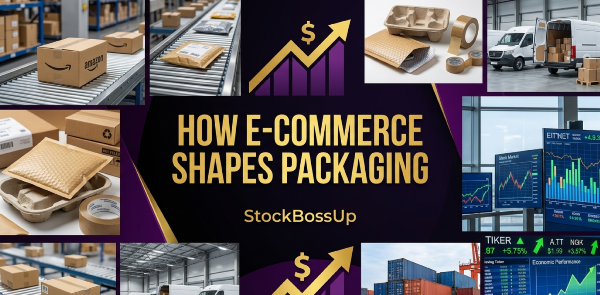
E‑commerce growth raises packaging volumes because every shipped item needs a container. This steady demand helps packaging companies maintain predictable revenue. Firms with strong corrugated and mailer production benefit the most from rising online orders.
🏭 Automation strengthens margins for major packaging producers
Automation improves speed, lowers labor costs, and boosts output quality in packaging plants. Companies that invest in robotics and AI‑driven systems gain efficiency advantages. These upgrades help them secure long‑term contracts with large online retailers.
🌱 Sustainability shifts packaging demand toward recyclable and fiber‑based materials
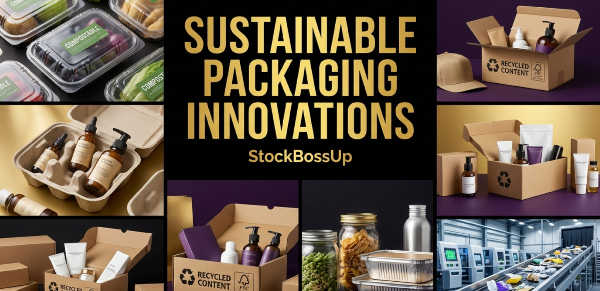
E‑commerce pushes retailers to choose packaging with lower environmental impact. Fiber‑based mailers, lightweight designs, and recyclable materials grow faster than traditional plastics. Packaging firms with strong sustainability programs attract both customers and investors.
🌍 Global expansion positions packaging companies for long‑term e‑commerce growth
International packaging networks support global fulfillment centers and reduce supply chain risks. Companies with operations across multiple regions can shift production to manage costs and meet rising demand. This global reach makes packaging stocks a durable long‑term theme.
E‑Commerce Creates Direct Demand Pressure on Packaging Stocks
E‑commerce drives steady demand for packaging companies because every shipped item needs a protective container. This direct link makes packaging stocks sensitive to online shopping trends. When digital orders rise, packaging volumes rise with them.
Online retailers depend on reliable packaging partners to keep fulfillment centers running. Companies like International Paper, WestRock, and Amcor benefit when order counts increase. Their products move in large batches, and their revenue often tracks parcel shipment growth. This creates a predictable pattern that investors can follow.
E‑commerce also changes the mix of packaging materials. Corrugated boxes remain the core product, but mailers, protective wraps, and lightweight films grow faster. These items support smaller shipments and reduce shipping costs. Packaging companies that offer a wide range of materials gain an advantage.
One unique fact is that corrugated boxes are reused in supply chains more often than most people realize. Many distribution centers flatten and reuse boxes internally before recycling them. This practice lowers costs and increases the lifespan of each unit.
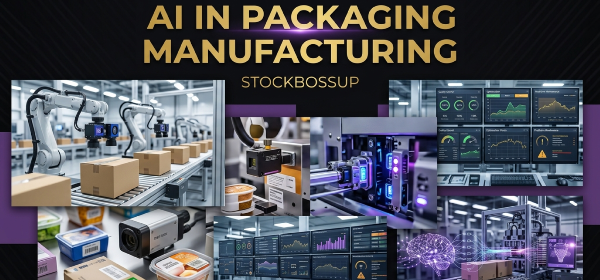
Another unique fact is that some packaging firms now use AI to predict box failure rates. These models help optimize fiber content and reduce waste. This technology improves margins and supports sustainability goals.
E‑Commerce Favors Corrugated Packaging Leaders
Corrugated packaging companies benefit the most from e‑commerce because boxes remain the standard shipping container. Their durability, low cost, and recyclability make them ideal for high‑volume fulfillment networks. This gives corrugated producers a strong position in the market.
Companies like Packaging Corporation of America and Smurfit Kappa operate large mill networks that supply boxes to major retailers. Their scale helps them manage fiber costs and maintain consistent output. These firms often sign long‑term supply agreements with e‑commerce platforms.
Corrugated demand rises when consumers shift from in‑store shopping to home delivery. Each online order requires a separate container, while in‑store purchases rely on bulk shipments. This difference increases box usage per item sold. It also creates more stable demand because online shopping habits remain consistent throughout the year.
The table below shows how corrugated packaging companies align with e‑commerce growth:
| Company |
Focus Area |
E‑Commerce Strength |
| International Paper |
Containerboard |
Large mill network |
| WestRock |
Corrugated boxes |
Integrated supply chain |
| Smurfit Kappa |
Sustainable packaging |
Strong European e‑commerce presence |
Corrugated producers also benefit from recycling loops. Many boxes return to mills as recovered fiber. This lowers raw material costs and supports sustainability goals. E‑commerce accelerates this cycle because boxes move quickly from consumers to recycling centers.
E‑Commerce Accelerates Automation in Packaging Plants
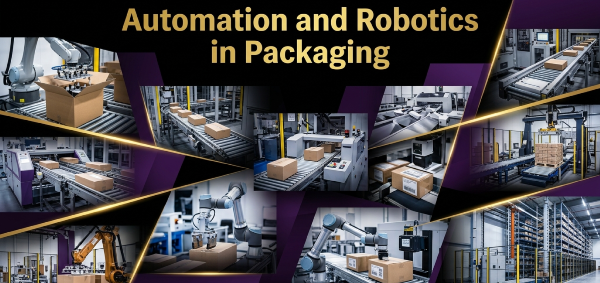
Automation grows rapidly in packaging manufacturing because e‑commerce requires speed and consistency. High‑volume orders push companies to upgrade equipment and streamline production. Automated lines reduce labor costs and improve output quality.
Robotic systems now handle tasks like palletizing, cutting, and folding. These systems run continuously and reduce downtime. Companies that invest in automation often report higher margins and more stable production schedules. This makes them more attractive to investors.
Automation also supports custom packaging. E‑commerce brands want boxes that fit products tightly to reduce shipping costs. Automated machines can adjust sizes quickly and produce custom runs without slowing production. This flexibility helps packaging companies win new contracts.
The table below highlights automation trends in packaging:
| Trend |
Impact |
Benefiting Companies |
| Robotic palletizing |
Faster output |
Large integrated producers |
| AI‑driven quality control |
Fewer defects |
Tech‑focused manufacturers |
| Custom box automation |
Better fit for products |
Corrugated specialists |
Automation investments also help companies manage labor shortages. Many packaging plants operate in regions with tight labor markets. Automated systems reduce reliance on manual work and improve safety. This creates a more stable operating environment.
E‑Commerce Pushes Sustainability to the Front of Packaging Strategy
Sustainability becomes more important as e‑commerce expands because consumers notice packaging waste. Companies that offer recyclable or compostable materials gain an advantage. This trend shapes product development and investment decisions.
Brands want packaging that uses less material while still protecting products. Lightweight designs reduce shipping emissions and lower costs. Packaging firms that innovate in this area attract long‑term contracts from major retailers.
Recycling rates also influence packaging demand. Corrugated boxes have high recovery rates, which supports their continued use. Paper‑based mailers grow quickly because they replace plastic options. Companies that produce fiber‑based packaging benefit from this shift.
Here is a look at sustainability trends affecting packaging stocks:
| Sustainability Focus |
Market Effect |
Leading Entities |
| Recyclable materials |
Higher demand |
Paper packaging firms |
| Lightweight designs |
Lower shipping costs |
Flexible packaging companies |
| Fiber‑based mailers |
Plastic replacement |
Sustainable packaging leaders |
Sustainability also affects investor sentiment. Funds that focus on ESG metrics prefer companies with strong recycling programs and low emissions. Packaging firms that meet these standards often trade at higher valuations.
E‑Commerce Expands Global Supply Chains for Packaging Firms
Global supply chains grow more complex as e‑commerce expands across regions. Packaging companies must supply materials to fulfillment centers worldwide. This creates opportunities for firms with international operations.
Companies like Amcor and Mondi operate in multiple continents. Their global reach helps them serve multinational retailers. They can shift production between regions to manage costs and avoid disruptions.
E‑commerce also increases demand for packaging in emerging markets. As more consumers shop online, local fulfillment centers need steady packaging supplies. This creates long‑term growth opportunities for packaging firms that expand into these regions.
The table below shows how global reach supports packaging growth:
| Company |
Regions Served |
E‑Commerce Advantage |
| Amcor |
Global |
Flexible supply chain |
| Mondi |
Europe, Africa |
Strong fiber‑based products |
| Smurfit Kappa |
Americas, Europe |
Large corrugated network |
Global expansion also helps companies manage currency risks. Revenue from multiple regions balances fluctuations. This stability appeals to investors who want predictable performance.
E‑Commerce Increases the Need for Protective and Flexible Packaging
Protective packaging grows in importance because online orders face more handling steps. Items move through sorting centers, trucks, and delivery routes. Each step increases the risk of damage. Packaging companies that offer strong protective solutions gain market share.
Flexible packaging also grows because it reduces shipping weight. Lightweight films and padded mailers help retailers cut transportation costs. These materials work well for small items like cosmetics, electronics accessories, and apparel.
Protective packaging companies benefit from rising return rates. When customers send items back, retailers need new packaging to ship replacements. This creates additional demand that does not exist in traditional retail.
The table below highlights protective packaging categories:
| Category |
Benefit |
Key Users |
| Padded mailers |
Lightweight |
Apparel and accessories |
| Air pillows |
Cushioning |
Electronics |
| Foam inserts |
High protection |
Fragile goods |
Protective packaging also supports brand reputation. Customers expect items to arrive in good condition. Retailers rely on packaging partners to meet this expectation. Companies that deliver consistent quality build strong relationships with major e‑commerce platforms.
E‑Commerce Strengthens Pricing Power for Packaging Leaders
Packaging companies gain pricing power when demand rises faster than supply. E‑commerce creates steady volume growth, which helps producers raise prices when fiber or resin costs increase. This protects margins and supports earnings stability.
Integrated producers have an advantage because they control both raw materials and finished products. They can adjust production to match market conditions. This flexibility helps them maintain profitability during cost swings.
Pricing power also comes from long‑term contracts. Many e‑commerce retailers sign multi‑year agreements with packaging suppliers. These contracts include price adjustment clauses that protect both sides. Investors value this stability.
The table below shows pricing power drivers:
| Driver |
Effect |
Benefiting Entities |
| Long‑term contracts |
Stable revenue |
Large producers |
| Integrated mills |
Cost control |
Containerboard leaders |
| High demand |
Pricing leverage |
Corrugated suppliers |
Pricing power helps packaging stocks perform well even during economic slowdowns. E‑commerce demand remains steady because consumers continue ordering essentials online. This creates a defensive quality that appeals to long‑term investors.
E‑Commerce Shapes the Future of Packaging Innovation
Innovation grows faster because e‑commerce companies want packaging that improves efficiency. New materials, smart labels, and automated packing systems help retailers ship items faster. Packaging firms that invest in innovation gain a competitive edge.
Smart packaging includes features like QR codes, tracking labels, and tamper‑evident seals. These tools help retailers manage returns and improve customer experience. They also reduce fraud and lost shipments.
Material innovation focuses on reducing waste. Companies develop fiber blends that use fewer resources while maintaining strength. They also explore compostable films and plant‑based plastics. These materials appeal to environmentally conscious consumers.
The table below highlights innovation areas:
| Innovation |
Benefit |
Leading Entities |
| Smart labels |
Better tracking |
Tech‑enabled firms |
| Compostable films |
Lower waste |
Sustainable packaging companies |
| Advanced fiber blends |
Stronger boxes |
Paper packaging leaders |
Innovation also helps packaging companies differentiate themselves. Retailers want partners who can solve problems and reduce costs. Firms that deliver new solutions build long‑term relationships and gain market share.
E‑Commerce Makes Packaging Stocks a Long‑Term Growth Theme
Packaging stocks benefit from long‑term e‑commerce growth because online shopping continues to expand globally. This creates a steady demand base that supports revenue and earnings. Investors view packaging as a stable sector with consistent performance.
Companies with strong sustainability programs, automation investments, and global reach stand out. These firms align with major retail trends and adapt quickly to market changes. Their ability to innovate keeps them competitive.
Packaging stocks also offer defensive qualities. Even during economic downturns, consumers continue ordering essential goods online. This stabilizes demand and reduces volatility. Investors who want steady returns often include packaging stocks in long‑term portfolios.
The table below summarizes long‑term drivers:
| Driver |
Impact |
Benefiting Entities |
| Global e‑commerce growth |
Higher volumes |
Corrugated producers |
| Sustainability focus |
New product demand |
Fiber‑based packaging firms |
| Automation |
Higher margins |
Integrated manufacturers |
Packaging stocks remain attractive because they sit at the center of the digital economy. Every online order requires packaging, and this simple fact supports long‑term growth.
🔎 Read More: Explore the Packaging & Containers Investing Hub
Market Rankings & Investor Lists
Industry Segments & Material Leaders
Financial Performance & Fundamentals
Valuation, Capital Strategy & Competitive Edge
Innovation, Technology & Market Trends

Key Takeaways
📦 E‑commerce directly increases demand for packaging companies
E‑commerce growth raises packaging volumes because every shipped item needs a container. This steady demand helps packaging companies maintain predictable revenue. Firms with strong corrugated and mailer production benefit the most from rising online orders.🏭 Automation strengthens margins for major packaging producers
Automation improves speed, lowers labor costs, and boosts output quality in packaging plants. Companies that invest in robotics and AI‑driven systems gain efficiency advantages. These upgrades help them secure long‑term contracts with large online retailers.🌱 Sustainability shifts packaging demand toward recyclable and fiber‑based materials
E‑commerce pushes retailers to choose packaging with lower environmental impact. Fiber‑based mailers, lightweight designs, and recyclable materials grow faster than traditional plastics. Packaging firms with strong sustainability programs attract both customers and investors.🌍 Global expansion positions packaging companies for long‑term e‑commerce growth
International packaging networks support global fulfillment centers and reduce supply chain risks. Companies with operations across multiple regions can shift production to manage costs and meet rising demand. This global reach makes packaging stocks a durable long‑term theme.E‑Commerce Creates Direct Demand Pressure on Packaging Stocks
E‑commerce drives steady demand for packaging companies because every shipped item needs a protective container. This direct link makes packaging stocks sensitive to online shopping trends. When digital orders rise, packaging volumes rise with them.
Online retailers depend on reliable packaging partners to keep fulfillment centers running. Companies like International Paper, WestRock, and Amcor benefit when order counts increase. Their products move in large batches, and their revenue often tracks parcel shipment growth. This creates a predictable pattern that investors can follow.
E‑commerce also changes the mix of packaging materials. Corrugated boxes remain the core product, but mailers, protective wraps, and lightweight films grow faster. These items support smaller shipments and reduce shipping costs. Packaging companies that offer a wide range of materials gain an advantage.
One unique fact is that corrugated boxes are reused in supply chains more often than most people realize. Many distribution centers flatten and reuse boxes internally before recycling them. This practice lowers costs and increases the lifespan of each unit.
Another unique fact is that some packaging firms now use AI to predict box failure rates. These models help optimize fiber content and reduce waste. This technology improves margins and supports sustainability goals.
E‑Commerce Favors Corrugated Packaging Leaders
Corrugated packaging companies benefit the most from e‑commerce because boxes remain the standard shipping container. Their durability, low cost, and recyclability make them ideal for high‑volume fulfillment networks. This gives corrugated producers a strong position in the market.
Companies like Packaging Corporation of America and Smurfit Kappa operate large mill networks that supply boxes to major retailers. Their scale helps them manage fiber costs and maintain consistent output. These firms often sign long‑term supply agreements with e‑commerce platforms.
Corrugated demand rises when consumers shift from in‑store shopping to home delivery. Each online order requires a separate container, while in‑store purchases rely on bulk shipments. This difference increases box usage per item sold. It also creates more stable demand because online shopping habits remain consistent throughout the year.
The table below shows how corrugated packaging companies align with e‑commerce growth:
Corrugated producers also benefit from recycling loops. Many boxes return to mills as recovered fiber. This lowers raw material costs and supports sustainability goals. E‑commerce accelerates this cycle because boxes move quickly from consumers to recycling centers.
E‑Commerce Accelerates Automation in Packaging Plants
Automation grows rapidly in packaging manufacturing because e‑commerce requires speed and consistency. High‑volume orders push companies to upgrade equipment and streamline production. Automated lines reduce labor costs and improve output quality.
Robotic systems now handle tasks like palletizing, cutting, and folding. These systems run continuously and reduce downtime. Companies that invest in automation often report higher margins and more stable production schedules. This makes them more attractive to investors.
Automation also supports custom packaging. E‑commerce brands want boxes that fit products tightly to reduce shipping costs. Automated machines can adjust sizes quickly and produce custom runs without slowing production. This flexibility helps packaging companies win new contracts.
The table below highlights automation trends in packaging:
Automation investments also help companies manage labor shortages. Many packaging plants operate in regions with tight labor markets. Automated systems reduce reliance on manual work and improve safety. This creates a more stable operating environment.
E‑Commerce Pushes Sustainability to the Front of Packaging Strategy
Sustainability becomes more important as e‑commerce expands because consumers notice packaging waste. Companies that offer recyclable or compostable materials gain an advantage. This trend shapes product development and investment decisions.
Brands want packaging that uses less material while still protecting products. Lightweight designs reduce shipping emissions and lower costs. Packaging firms that innovate in this area attract long‑term contracts from major retailers.
Recycling rates also influence packaging demand. Corrugated boxes have high recovery rates, which supports their continued use. Paper‑based mailers grow quickly because they replace plastic options. Companies that produce fiber‑based packaging benefit from this shift.
Here is a look at sustainability trends affecting packaging stocks:
Sustainability also affects investor sentiment. Funds that focus on ESG metrics prefer companies with strong recycling programs and low emissions. Packaging firms that meet these standards often trade at higher valuations.
E‑Commerce Expands Global Supply Chains for Packaging Firms
Global supply chains grow more complex as e‑commerce expands across regions. Packaging companies must supply materials to fulfillment centers worldwide. This creates opportunities for firms with international operations.
Companies like Amcor and Mondi operate in multiple continents. Their global reach helps them serve multinational retailers. They can shift production between regions to manage costs and avoid disruptions.
E‑commerce also increases demand for packaging in emerging markets. As more consumers shop online, local fulfillment centers need steady packaging supplies. This creates long‑term growth opportunities for packaging firms that expand into these regions.
The table below shows how global reach supports packaging growth:
Global expansion also helps companies manage currency risks. Revenue from multiple regions balances fluctuations. This stability appeals to investors who want predictable performance.
E‑Commerce Increases the Need for Protective and Flexible Packaging
Protective packaging grows in importance because online orders face more handling steps. Items move through sorting centers, trucks, and delivery routes. Each step increases the risk of damage. Packaging companies that offer strong protective solutions gain market share.
Flexible packaging also grows because it reduces shipping weight. Lightweight films and padded mailers help retailers cut transportation costs. These materials work well for small items like cosmetics, electronics accessories, and apparel.
Protective packaging companies benefit from rising return rates. When customers send items back, retailers need new packaging to ship replacements. This creates additional demand that does not exist in traditional retail.
The table below highlights protective packaging categories:
Protective packaging also supports brand reputation. Customers expect items to arrive in good condition. Retailers rely on packaging partners to meet this expectation. Companies that deliver consistent quality build strong relationships with major e‑commerce platforms.
E‑Commerce Strengthens Pricing Power for Packaging Leaders
Packaging companies gain pricing power when demand rises faster than supply. E‑commerce creates steady volume growth, which helps producers raise prices when fiber or resin costs increase. This protects margins and supports earnings stability.
Integrated producers have an advantage because they control both raw materials and finished products. They can adjust production to match market conditions. This flexibility helps them maintain profitability during cost swings.
Pricing power also comes from long‑term contracts. Many e‑commerce retailers sign multi‑year agreements with packaging suppliers. These contracts include price adjustment clauses that protect both sides. Investors value this stability.
The table below shows pricing power drivers:
Pricing power helps packaging stocks perform well even during economic slowdowns. E‑commerce demand remains steady because consumers continue ordering essentials online. This creates a defensive quality that appeals to long‑term investors.
E‑Commerce Shapes the Future of Packaging Innovation
Innovation grows faster because e‑commerce companies want packaging that improves efficiency. New materials, smart labels, and automated packing systems help retailers ship items faster. Packaging firms that invest in innovation gain a competitive edge.
Smart packaging includes features like QR codes, tracking labels, and tamper‑evident seals. These tools help retailers manage returns and improve customer experience. They also reduce fraud and lost shipments.
Material innovation focuses on reducing waste. Companies develop fiber blends that use fewer resources while maintaining strength. They also explore compostable films and plant‑based plastics. These materials appeal to environmentally conscious consumers.
The table below highlights innovation areas:
Innovation also helps packaging companies differentiate themselves. Retailers want partners who can solve problems and reduce costs. Firms that deliver new solutions build long‑term relationships and gain market share.
E‑Commerce Makes Packaging Stocks a Long‑Term Growth Theme
Packaging stocks benefit from long‑term e‑commerce growth because online shopping continues to expand globally. This creates a steady demand base that supports revenue and earnings. Investors view packaging as a stable sector with consistent performance.
Companies with strong sustainability programs, automation investments, and global reach stand out. These firms align with major retail trends and adapt quickly to market changes. Their ability to innovate keeps them competitive.
Packaging stocks also offer defensive qualities. Even during economic downturns, consumers continue ordering essential goods online. This stabilizes demand and reduces volatility. Investors who want steady returns often include packaging stocks in long‑term portfolios.
The table below summarizes long‑term drivers:
Packaging stocks remain attractive because they sit at the center of the digital economy. Every online order requires packaging, and this simple fact supports long‑term growth.
🔎 Read More: Explore the Packaging & Containers Investing Hub
Market Rankings & Investor Lists
Industry Segments & Material Leaders
Financial Performance & Fundamentals
Valuation, Capital Strategy & Competitive Edge
Innovation, Technology & Market Trends