The Value of Glass Packaging in Today’s Market
The demand for glass packaging is rising because premium brands want materials that signal quality, purity, and sustainability. Investors are paying attention because companies that produce glass bottles, jars, and containers are benefiting from long-term shifts in consumer behavior.
Glass packaging stands out in industries like beverages, cosmetics, and specialty foods. These sectors rely on packaging that protects flavor, maintains freshness, and elevates brand identity. Glass delivers on all three. It also supports the move toward recyclable materials, which helps companies meet environmental goals without sacrificing product appeal.
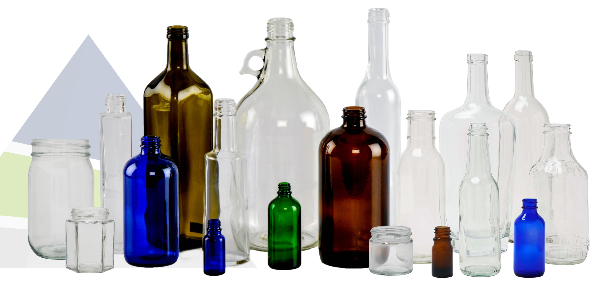
The growth of premium spirits, craft beverages, and natural skincare has created a steady tailwind for glass producers. These brands often choose glass because it feels upscale and has a long history of trust with consumers. Even during economic downturns, many premium brands maintain their packaging standards, which helps stabilize demand for glass containers.
One unique fact about glass packaging is that it can be recycled endlessly without losing purity or strength. This gives it a major advantage over materials that degrade after a few cycles. Another lesser-known fact is that some high-end perfume companies use hand-blown glass bottles, which can cost more to produce than the fragrance inside.
Example Glass Bottle Manufacturers
| Company |
Ticker(s) |
Primary Focus |
| O‑I Glass |
OI |
Food & beverage glass containers |
| Gerresheimer AG |
GRRMY / GXI |
Pharma & cosmetics glass packaging |
| Vidrala SA |
VID |
Food & beverage glass containers |
Why Premium Brands Prefer Glass
Premium brands choose glass because it enhances product perception and protects sensitive ingredients. The clarity and weight of glass create a sense of luxury that plastic and metal cannot match. This makes it a natural fit for high-end beverages, gourmet foods, and luxury cosmetics.
Glass also provides a strong barrier against oxygen and moisture. This helps preserve flavor, aroma, and chemical stability. For example, wine and spirits companies rely on glass to maintain the integrity of their products over long periods. Skincare brands use glass to protect formulas that break down when exposed to air or light.
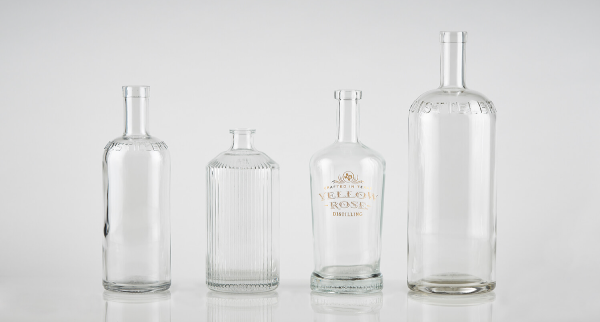
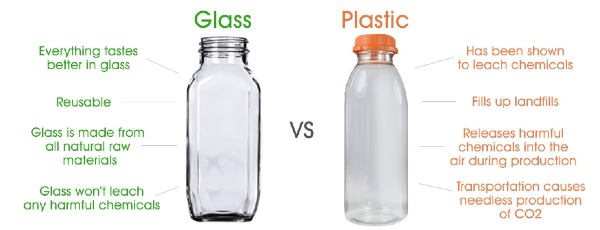
The shift toward natural and organic products has strengthened the appeal of glass packaging. Consumers who care about clean ingredients often prefer packaging that feels safe and non-reactive. Glass meets this expectation because it does not leach chemicals or absorb flavors.
Premium brands also use glass to differentiate themselves on store shelves. The material allows for unique shapes, embossing, and decorative finishes. These design options help brands stand out in crowded markets and justify higher price points.
Key Players in the Glass Packaging Industry
The glass packaging industry is dominated by a handful of large companies with global reach. These companies operate advanced manufacturing facilities and supply major brands across multiple sectors. Their scale gives them cost advantages and long-term contracts that support steady revenue.
O-I Glass, Verallia, and Ardagh Group are three of the most recognized names in the space. They produce billions of bottles and jars each year for beverages, food, and personal care products. Their operations span North America, Europe, and emerging markets, giving them exposure to global demand trends.
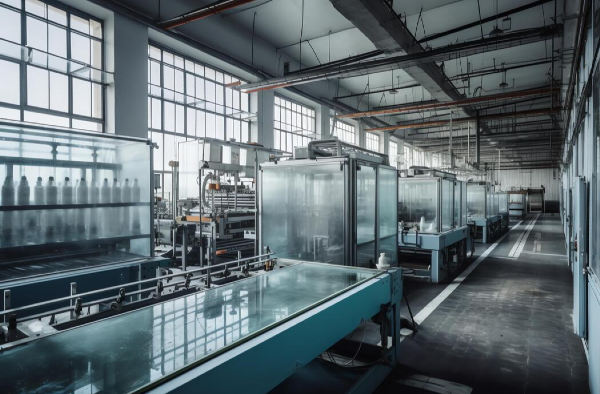
These companies invest heavily in energy efficiency and recycling systems. Glass production requires high heat, so improvements in furnace technology can significantly reduce costs. Many producers also operate closed-loop recycling programs that turn used glass into new containers.
Below is a simple comparison of major glass packaging companies:
| Company |
Headquarters |
Primary Markets |
Notable Strength |
| O-I Glass |
United States |
Beverages, food |
Large global footprint |
| Verallia |
France |
Wine, spirits, food |
Strong European presence |
| Ardagh Group |
Luxembourg |
Beverages, food, cosmetics |
Broad product range |
These companies benefit from long-term contracts with major beverage brands. Their scale and expertise make them difficult to replace, which helps protect their market share.
Market Trends Shaping Glass Packaging Stocks
The glass packaging market is growing due to rising demand for premium products and sustainable materials. Consumers are choosing brands that use recyclable packaging, and glass fits this trend perfectly. This shift supports steady growth for companies that produce glass containers.
Another major trend is the expansion of craft beverages. Craft beer, artisanal spirits, and specialty non-alcoholic drinks often rely on glass bottles to reinforce their premium identity. These products appeal to younger consumers who value authenticity and quality.

Cosmetics and skincare brands are also increasing their use of glass packaging. Many natural and organic brands prefer glass because it aligns with their clean and eco-friendly image. This trend is especially strong in the luxury skincare segment.
Here is a snapshot of key market drivers:
| Trend |
Impact on Glass Packaging |
| Growth of premium beverages |
Higher demand for specialty bottles |
| Sustainability focus |
Increased use of recyclable materials |
| Rise of natural skincare |
More glass jars and droppers |
| Craft beverage expansion |
Unique bottle designs and small-batch production |
These trends create long-term opportunities for glass packaging companies. As more brands shift toward sustainable and premium materials, demand for glass is expected to remain strong.
The Role of Sustainability in Glass Packaging
Sustainability is a major force behind the growth of glass packaging. Glass is one of the most recyclable materials in the world, and it can be reused endlessly without losing quality. This makes it a top choice for brands that want to reduce their environmental impact.
Recycling glass also reduces energy use in manufacturing. When recycled glass, known as cullet, is added to the production process, furnaces require less heat. This lowers emissions and cuts costs for producers. Many companies are investing in advanced recycling systems to increase the amount of cullet they use.
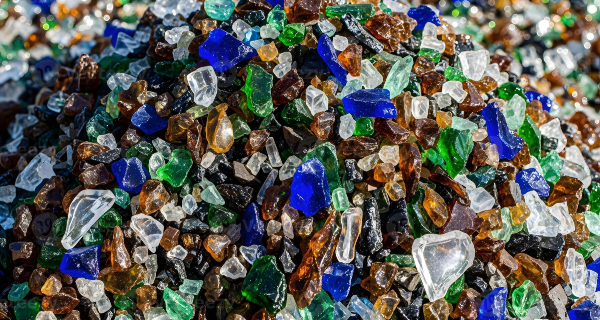
Consumers are becoming more aware of packaging waste, and many prefer products that come in recyclable containers. Glass aligns with this preference and helps brands communicate their commitment to sustainability. This is especially important in markets like wine, spirits, and cosmetics.
Some regions have introduced deposit-return systems to encourage glass recycling. These programs increase the supply of high-quality cullet and support a circular economy. As more countries adopt similar systems, glass packaging companies may benefit from lower material costs and improved efficiency.
Financial Performance of Glass Packaging Stocks
Glass packaging stocks tend to show steady performance because they serve essential industries. Beverage and food companies rely on consistent packaging supplies, which creates predictable demand. This stability can make glass packaging stocks appealing to long-term investors.
Revenue growth in the sector is often tied to premium product trends. As consumers buy more high-end beverages and cosmetics, glass packaging companies benefit from higher-margin products. These premium containers often require specialized designs, which can increase profitability.
Operating costs are a key factor for glass producers. Energy prices, transportation costs, and raw materials all influence margins. Companies that invest in efficient furnaces and recycling systems can reduce expenses and improve profitability over time.
Below is a simplified look at financial factors that influence glass packaging stocks:
| Factor |
Influence on Performance |
| Energy costs |
Affects production margins |
| Recycling efficiency |
Reduces raw material expenses |
| Premium product demand |
Supports higher pricing |
| Global beverage trends |
Drives long-term growth |
Investors often view glass packaging stocks as stable holdings with moderate growth potential. Their performance is tied to essential industries that tend to remain resilient even during economic shifts.
Risks and Challenges in the Glass Packaging Sector
Glass packaging companies face several challenges that can affect their performance. One major challenge is the high energy requirement for glass production. Furnaces must reach extremely high temperatures, and energy price spikes can reduce profit margins.
Another challenge is competition from alternative materials. While glass is preferred for premium products, plastic and aluminum remain dominant in many categories. These materials are often cheaper and lighter, which can influence brand decisions.

Transportation costs also pose a challenge. Glass is heavier than plastic or aluminum, which increases shipping expenses. Companies must balance the benefits of glass with the logistics required to deliver products efficiently.
Here is a quick overview of common risks:
| Risk |
Description |
| High energy use |
Increases production costs |
| Material competition |
Plastic and aluminum alternatives |
| Transportation weight |
Higher shipping expenses |
| Market volatility |
Changes in consumer demand |
Despite these challenges, glass packaging remains strong in premium markets. Brands that value quality and sustainability continue to choose glass, which helps support long-term demand.
Long-Term Outlook for Glass Packaging Stocks
The long-term outlook for glass packaging stocks is positive due to rising demand for premium and sustainable products. As consumers continue to prioritize quality and environmental responsibility, glass packaging companies are well-positioned to benefit.
Growth in emerging markets also supports the sector. As incomes rise, consumers in these regions buy more premium beverages and cosmetics. This increases demand for high-quality packaging materials like glass.
Innovation is another factor shaping the future. Companies are developing lighter-weight glass bottles that reduce shipping costs without sacrificing strength. They are also improving furnace technology to cut energy use and emissions.
Below is a summary of long-term growth drivers:
| Driver |
Impact |
| Premium product expansion |
Higher demand for specialty glass |
| Sustainability focus |
Increased recycling and efficiency |
| Emerging market growth |
New consumer segments |
| Manufacturing innovation |
Lower costs and improved margins |
These factors suggest that glass packaging stocks may continue to offer steady performance and long-term value for investors.
Final Thoughts on Investing in Glass Packaging Stocks
Glass packaging stocks offer a blend of stability, sustainability, and exposure to premium product trends. They serve essential industries that rely on high-quality packaging to protect and elevate their products. This creates a strong foundation for long-term demand.
Investors who value steady performance and exposure to global consumer trends may find glass packaging stocks appealing. The sector benefits from rising interest in recyclable materials and premium branding. While challenges exist, the long-term outlook remains strong.
Glass packaging continues to play a vital role in industries that prioritize quality and sustainability. As brands compete for consumer attention, the appeal of glass remains strong. This positions glass packaging companies as important players in the global packaging landscape.
🔎 Read More: Explore the Packaging & Containers Investing Hub
Market Rankings & Investor Lists
Industry Segments & Material Leaders
Financial Performance & Fundamentals
Valuation, Capital Strategy & Competitive Edge
Innovation, Technology & Market Trends














The Value of Glass Packaging in Today’s Market
The demand for glass packaging is rising because premium brands want materials that signal quality, purity, and sustainability. Investors are paying attention because companies that produce glass bottles, jars, and containers are benefiting from long-term shifts in consumer behavior.
Glass packaging stands out in industries like beverages, cosmetics, and specialty foods. These sectors rely on packaging that protects flavor, maintains freshness, and elevates brand identity. Glass delivers on all three. It also supports the move toward recyclable materials, which helps companies meet environmental goals without sacrificing product appeal.
Source: paramountglobal.com
The growth of premium spirits, craft beverages, and natural skincare has created a steady tailwind for glass producers. These brands often choose glass because it feels upscale and has a long history of trust with consumers. Even during economic downturns, many premium brands maintain their packaging standards, which helps stabilize demand for glass containers.
One unique fact about glass packaging is that it can be recycled endlessly without losing purity or strength. This gives it a major advantage over materials that degrade after a few cycles. Another lesser-known fact is that some high-end perfume companies use hand-blown glass bottles, which can cost more to produce than the fragrance inside.
Example Glass Bottle Manufacturers
Why Premium Brands Prefer Glass
Premium brands choose glass because it enhances product perception and protects sensitive ingredients. The clarity and weight of glass create a sense of luxury that plastic and metal cannot match. This makes it a natural fit for high-end beverages, gourmet foods, and luxury cosmetics.
Glass also provides a strong barrier against oxygen and moisture. This helps preserve flavor, aroma, and chemical stability. For example, wine and spirits companies rely on glass to maintain the integrity of their products over long periods. Skincare brands use glass to protect formulas that break down when exposed to air or light.
Source: evergreenresources.com
The shift toward natural and organic products has strengthened the appeal of glass packaging. Consumers who care about clean ingredients often prefer packaging that feels safe and non-reactive. Glass meets this expectation because it does not leach chemicals or absorb flavors.
Premium brands also use glass to differentiate themselves on store shelves. The material allows for unique shapes, embossing, and decorative finishes. These design options help brands stand out in crowded markets and justify higher price points.
Key Players in the Glass Packaging Industry
The glass packaging industry is dominated by a handful of large companies with global reach. These companies operate advanced manufacturing facilities and supply major brands across multiple sectors. Their scale gives them cost advantages and long-term contracts that support steady revenue.
O-I Glass, Verallia, and Ardagh Group are three of the most recognized names in the space. They produce billions of bottles and jars each year for beverages, food, and personal care products. Their operations span North America, Europe, and emerging markets, giving them exposure to global demand trends.
Source: vecteezy.com
These companies invest heavily in energy efficiency and recycling systems. Glass production requires high heat, so improvements in furnace technology can significantly reduce costs. Many producers also operate closed-loop recycling programs that turn used glass into new containers.
Below is a simple comparison of major glass packaging companies:
These companies benefit from long-term contracts with major beverage brands. Their scale and expertise make them difficult to replace, which helps protect their market share.
Market Trends Shaping Glass Packaging Stocks
The glass packaging market is growing due to rising demand for premium products and sustainable materials. Consumers are choosing brands that use recyclable packaging, and glass fits this trend perfectly. This shift supports steady growth for companies that produce glass containers.
Another major trend is the expansion of craft beverages. Craft beer, artisanal spirits, and specialty non-alcoholic drinks often rely on glass bottles to reinforce their premium identity. These products appeal to younger consumers who value authenticity and quality.
Cosmetics and skincare brands are also increasing their use of glass packaging. Many natural and organic brands prefer glass because it aligns with their clean and eco-friendly image. This trend is especially strong in the luxury skincare segment.
Here is a snapshot of key market drivers:
These trends create long-term opportunities for glass packaging companies. As more brands shift toward sustainable and premium materials, demand for glass is expected to remain strong.
The Role of Sustainability in Glass Packaging
Sustainability is a major force behind the growth of glass packaging. Glass is one of the most recyclable materials in the world, and it can be reused endlessly without losing quality. This makes it a top choice for brands that want to reduce their environmental impact.
Recycling glass also reduces energy use in manufacturing. When recycled glass, known as cullet, is added to the production process, furnaces require less heat. This lowers emissions and cuts costs for producers. Many companies are investing in advanced recycling systems to increase the amount of cullet they use.
Source:vecteezy.com
Consumers are becoming more aware of packaging waste, and many prefer products that come in recyclable containers. Glass aligns with this preference and helps brands communicate their commitment to sustainability. This is especially important in markets like wine, spirits, and cosmetics.
Some regions have introduced deposit-return systems to encourage glass recycling. These programs increase the supply of high-quality cullet and support a circular economy. As more countries adopt similar systems, glass packaging companies may benefit from lower material costs and improved efficiency.
Financial Performance of Glass Packaging Stocks
Glass packaging stocks tend to show steady performance because they serve essential industries. Beverage and food companies rely on consistent packaging supplies, which creates predictable demand. This stability can make glass packaging stocks appealing to long-term investors.
Revenue growth in the sector is often tied to premium product trends. As consumers buy more high-end beverages and cosmetics, glass packaging companies benefit from higher-margin products. These premium containers often require specialized designs, which can increase profitability.
Source: mpbottle.com
Operating costs are a key factor for glass producers. Energy prices, transportation costs, and raw materials all influence margins. Companies that invest in efficient furnaces and recycling systems can reduce expenses and improve profitability over time.
Below is a simplified look at financial factors that influence glass packaging stocks:
Investors often view glass packaging stocks as stable holdings with moderate growth potential. Their performance is tied to essential industries that tend to remain resilient even during economic shifts.
Risks and Challenges in the Glass Packaging Sector
Glass packaging companies face several challenges that can affect their performance. One major challenge is the high energy requirement for glass production. Furnaces must reach extremely high temperatures, and energy price spikes can reduce profit margins.
Another challenge is competition from alternative materials. While glass is preferred for premium products, plastic and aluminum remain dominant in many categories. These materials are often cheaper and lighter, which can influence brand decisions.
Source: maximizemarketresearch.com
Transportation costs also pose a challenge. Glass is heavier than plastic or aluminum, which increases shipping expenses. Companies must balance the benefits of glass with the logistics required to deliver products efficiently.
Here is a quick overview of common risks:
Despite these challenges, glass packaging remains strong in premium markets. Brands that value quality and sustainability continue to choose glass, which helps support long-term demand.
Long-Term Outlook for Glass Packaging Stocks
The long-term outlook for glass packaging stocks is positive due to rising demand for premium and sustainable products. As consumers continue to prioritize quality and environmental responsibility, glass packaging companies are well-positioned to benefit.
Growth in emerging markets also supports the sector. As incomes rise, consumers in these regions buy more premium beverages and cosmetics. This increases demand for high-quality packaging materials like glass.
Innovation is another factor shaping the future. Companies are developing lighter-weight glass bottles that reduce shipping costs without sacrificing strength. They are also improving furnace technology to cut energy use and emissions.
Below is a summary of long-term growth drivers:
These factors suggest that glass packaging stocks may continue to offer steady performance and long-term value for investors.
Final Thoughts on Investing in Glass Packaging Stocks
Glass packaging stocks offer a blend of stability, sustainability, and exposure to premium product trends. They serve essential industries that rely on high-quality packaging to protect and elevate their products. This creates a strong foundation for long-term demand.
Investors who value steady performance and exposure to global consumer trends may find glass packaging stocks appealing. The sector benefits from rising interest in recyclable materials and premium branding. While challenges exist, the long-term outlook remains strong.
Glass packaging continues to play a vital role in industries that prioritize quality and sustainability. As brands compete for consumer attention, the appeal of glass remains strong. This positions glass packaging companies as important players in the global packaging landscape.
🔎 Read More: Explore the Packaging & Containers Investing Hub
Market Rankings & Investor Lists
Industry Segments & Material Leaders
Financial Performance & Fundamentals
Valuation, Capital Strategy & Competitive Edge
Innovation, Technology & Market Trends