Key Takeaways
📦 Packaging companies grow strongest when CapEx is tied directly to measurable returns
Disciplined investment helps packaging firms turn spending into higher margins, stronger cash flow, and better long‑term performance. Companies that link capital projects to clear ROI targets outperform those that chase volume without financial discipline. Strong operators treat CapEx as a strategic lever that shapes competitiveness, not just a cost of doing business. Learn more about CapEx strategy.
⚙️ Automation delivers some of the fastest ROI in packaging expansion
Robotics, vision systems, and predictive maintenance reduce labor costs and improve uptime, often paying back in two to four years. Automation also boosts quality and reduces waste, which compounds returns over time. Firms that pair automation with workforce training capture the highest gains. Explore automation ROI.
🌱 Sustainability investments reshape CapEx priorities and long‑term profitability
Energy‑efficient equipment, recycled materials, and lightweighting projects help packaging companies meet customer expectations and regulatory demands. These investments may have longer payback periods, but they open doors to premium contracts and long‑term stability. Sustainability also lowers operating costs through reduced energy and material use. See more about sustainable packaging economics.
📊 Strong CapEx management protects free cash flow and supports higher valuations
Packaging companies that balance reinvestment with cash discipline maintain healthier balance sheets and more predictable performance. Investors reward firms that generate consistent free cash flow while still funding high‑return projects. This balance supports dividends, debt reduction, and long‑term growth. Review free cash flow strategy.
Why CapEx Decisions Shape the Future of Packaging Companies
The most important driver of long‑term value in packaging is how well a company turns capital spending into real returns. Strong CapEx discipline helps packaging firms grow capacity, improve margins, and protect cash flow during industry cycles. Weak discipline leads to bloated assets, slow payback periods, and falling returns on invested capital.
Packaging companies face constant pressure to upgrade equipment, expand plants, and adopt automation. These investments can lift throughput and reduce labor costs. They can also drain cash if the expected returns never materialize. Leaders in paper, plastic, metal, and glass packaging must balance growth with financial discipline. The companies that do this well tend to outperform peers over long periods.
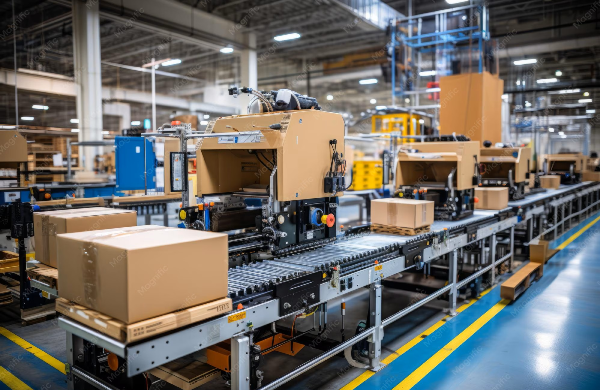
Capital spending in packaging is unique because the industry is asset‑heavy. Plants require large machines, long production lines, and specialized tooling. These assets last for decades but require steady reinvestment. The best operators treat CapEx as a strategic tool rather than a routine expense. They invest when returns are clear and delay when demand is uncertain.
A surprising fact is that some packaging machines can run for more than 30 years with proper maintenance. This long lifespan makes timing and scale of CapEx decisions even more important. Companies that stretch asset life without hurting quality often generate higher free cash flow.
How Packaging Companies Define CapEx and Why It Matters
CapEx in packaging includes spending on new plants, equipment upgrades, automation systems, and maintenance of existing lines. These investments support production volume, product quality, and cost efficiency. CapEx also includes environmental upgrades, such as emissions controls or water‑recycling systems.
Packaging firms often split CapEx into two categories: maintenance and growth. Maintenance CapEx keeps current operations running. Growth CapEx expands capacity or adds new capabilities. Investors watch this split closely because it reveals how much spending is required just to maintain the status quo.
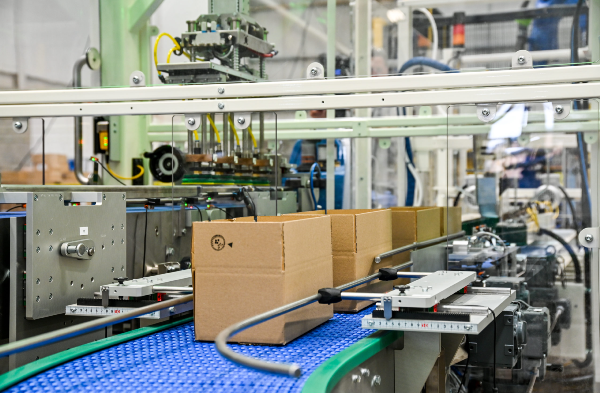
Growth CapEx is where ROI becomes critical. A new extrusion line, corrugator, or can‑making system must generate enough cash to justify the investment. Companies that chase volume without strong returns often struggle with debt and weak margins. Firms that invest with discipline tend to build stronger competitive positions.
Another unique fact is that some packaging lines can produce more than 2,000 units per minute. This extreme throughput means even small efficiency gains can create meaningful financial returns. High‑speed lines amplify the impact of good CapEx decisions.
How ROI Is Measured in Packaging Expansion
ROI in packaging expansion measures how much cash a company earns relative to the capital it invests. The most common metrics include return on invested capital, cash‑on‑cash returns, and payback period. These metrics help leaders decide whether a new line, plant, or automation project is worth the cost.
Strong ROI comes from projects that lift margins, reduce waste, or expand into high‑demand markets. For example, adding a lightweighting line can reduce material costs and attract sustainability‑focused customers. Automation projects can cut labor costs and improve consistency. These gains compound over time and strengthen competitive advantage.
ROI also depends on market conditions. Packaging demand rises with population growth, e‑commerce, and consumer goods production. It falls during recessions or when customers shift to alternative materials. Companies that model realistic demand scenarios tend to make better investment decisions.
CapEx and ROI Snapshot for Major Packaging Segments
| Segment |
Typical CapEx Intensity |
Common ROI Drivers |
Example Companies |
| Paper Packaging |
High |
Fiber costs, mill efficiency, automation |
WestRock, International Paper |
| Plastic Packaging |
Medium |
Resin prices, line speed, sustainability demand |
Amcor, Berry Global |
| Metal Packaging |
High |
Can‑making speed, energy costs, recycling demand |
Ball Corp, Crown Holdings |
| Glass Packaging |
Very High |
Furnace rebuilds, energy efficiency |
O‑I Glass |
Why Timing Matters in Packaging Expansion
The timing of CapEx has a major impact on ROI. Packaging demand moves with consumer spending, industrial production, and global trade. Companies that invest during strong demand cycles often capture higher returns. Those that invest during downturns may face slow payback periods.
Timing also affects equipment pricing. Machinery suppliers raise prices when order books are full. They offer discounts when demand softens. Smart packaging firms monitor these cycles and negotiate aggressively. They also consider lead times, which can stretch to 12–24 months for specialized equipment.
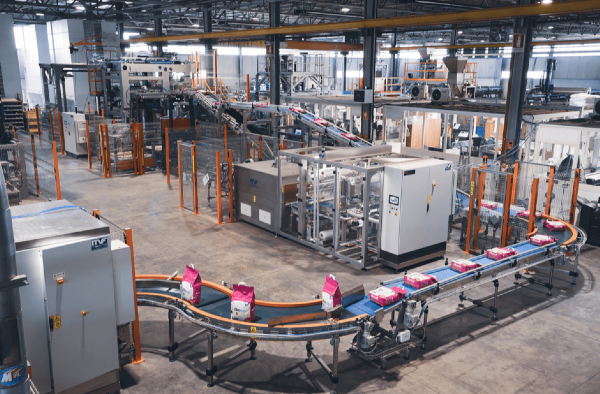
Another timing factor is customer contracts. Many packaging companies sign long‑term agreements with consumer goods brands. These contracts can justify expansion because they provide predictable volume. Without such agreements, expansion becomes riskier.
Companies also consider regulatory trends. Sustainability rules, recycling mandates, and emissions standards can influence CapEx timing. Firms that invest early in compliance often avoid costly retrofits later. Those that delay may face penalties or lose customers.
How Automation Changes CapEx and ROI in Packaging
Automation is reshaping CapEx decisions across the packaging industry. Robotics, vision systems, and AI‑driven quality control reduce labor costs and improve consistency. These technologies require upfront investment but often deliver strong ROI.
Automation also reduces downtime. Modern packaging lines use predictive maintenance to identify issues before they cause failures. This reduces scrap, improves uptime, and extends asset life. Companies that adopt automation early often gain a cost advantage.
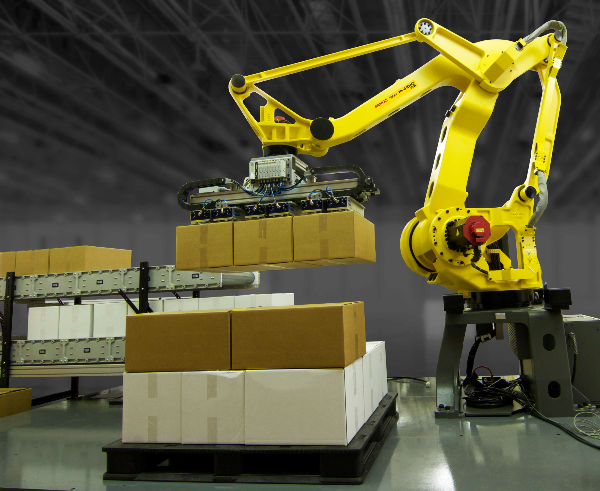
Automation also supports sustainability goals. High‑precision equipment reduces material waste and energy use. This helps companies meet customer expectations and regulatory requirements. It also improves margins by lowering input costs.
Automation does not eliminate the need for skilled labor. Instead, it shifts labor toward technical roles. Companies that invest in training often see better returns from automation projects. Those that ignore workforce development may struggle to capture full value.
Automation ROI Benchmarks in Packaging
| Automation Type |
Typical Payback Period |
Key Benefits |
Linked Topic |
| Robotic Palletizing |
2–4 years |
Lower labor costs, fewer injuries |
Automation Trends |
| Vision Inspection Systems |
1–3 years |
Higher quality, less scrap |
Quality Control |
| Automated Conveying |
3–5 years |
Faster throughput, reduced downtime |
Throughput Optimization |
How Sustainability Investments Affect CapEx and ROI
Sustainability is now a major driver of CapEx in packaging. Companies invest in recycled materials, lightweighting, and energy‑efficient equipment. These investments help meet customer expectations and comply with regulations. They also reduce long‑term operating costs.
Sustainability projects often have longer payback periods than traditional efficiency upgrades. However, they can unlock new markets and strengthen brand value. Consumer goods companies increasingly prefer suppliers with strong environmental performance. Packaging firms that invest early often win long‑term contracts.

Energy efficiency is a major focus. Packaging plants consume large amounts of electricity and heat. Upgrading boilers, motors, and lighting can reduce energy costs. These savings compound over time and improve ROI.
Recycling infrastructure is another area of investment. Companies that build closed‑loop systems reduce material costs and improve supply stability. These systems also support circular economy goals, which are becoming more important to global brands.
How Companies Balance CapEx and Free Cash Flow
Packaging companies must balance CapEx with free cash flow. Too much spending can strain the balance sheet. Too little spending can weaken competitiveness. The best operators maintain steady reinvestment while protecting cash flow.
Free cash flow supports dividends, debt reduction, and share buybacks. Investors watch this metric closely. Companies that generate strong free cash flow often trade at higher valuations. Those with weak cash flow may face pressure from lenders or shareholders.
Companies use several strategies to balance CapEx and cash flow. They prioritize high‑return projects, delay non‑essential upgrades, and negotiate favorable payment terms. They also monitor working capital to ensure cash is available when needed.
Some firms use joint ventures to share CapEx costs. This approach reduces risk and accelerates expansion. It also provides access to new markets and technologies. Joint ventures are common in emerging markets where demand is growing quickly.
CapEx vs Free Cash Flow Trends in Packaging
| Company |
CapEx as % of Revenue |
Free Cash Flow Strength |
Linked Topic |
| Amcor |
~4% |
Strong |
Amcor Financials |
| WestRock |
~6% |
Moderate |
WestRock Cash Flow |
| Crown Holdings |
~7% |
Strong |
Crown Holdings Performance |
| O‑I Glass |
~9% |
Improving |
O-I Glass Strategy |
How Investors Evaluate CapEx and ROI in Packaging Stocks
Investors evaluate packaging companies by studying CapEx efficiency and ROI trends. They look for firms that convert capital spending into higher margins, stronger cash flow, and rising returns on invested capital. They also watch debt levels, payout ratios, and long‑term growth plans.
Companies with strong CapEx discipline often outperform during economic cycles. They maintain stable margins, protect cash flow, and avoid overbuilding. Firms with weak discipline may struggle with debt and low returns. Investors reward companies that invest wisely and avoid unnecessary risk.
Analysts also compare CapEx intensity across segments. Paper and metal packaging require more capital than plastic or flexible packaging. Investors adjust expectations based on these differences. They also consider sustainability trends, automation adoption, and exposure to high‑growth markets.
Long‑term contracts with major brands provide stability. Investors value companies with strong customer relationships. These contracts reduce risk and support predictable returns. They also justify expansion projects with higher confidence.
Final Thoughts on CapEx vs ROI in Packaging Expansion
The strongest packaging companies treat CapEx as a strategic tool that drives long‑term value. They invest in automation, sustainability, and capacity only when returns are clear. They balance growth with free cash flow and maintain discipline during market cycles.
ROI is the ultimate measure of success. Companies that generate strong returns build competitive advantage and deliver value to shareholders. Those that chase volume without returns often fall behind. The future of packaging will favor firms that invest wisely, operate efficiently, and adapt to changing customer needs.
🔎 Read More: Explore the Packaging & Containers Investing Hub
Market Rankings & Investor Lists
Industry Segments & Material Leaders
Financial Performance & Fundamentals
Valuation, Capital Strategy & Competitive Edge
Innovation, Technology & Market Trends

Key Takeaways
📦 Packaging companies grow strongest when CapEx is tied directly to measurable returns
Disciplined investment helps packaging firms turn spending into higher margins, stronger cash flow, and better long‑term performance. Companies that link capital projects to clear ROI targets outperform those that chase volume without financial discipline. Strong operators treat CapEx as a strategic lever that shapes competitiveness, not just a cost of doing business. Learn more about CapEx strategy.⚙️ Automation delivers some of the fastest ROI in packaging expansion
Robotics, vision systems, and predictive maintenance reduce labor costs and improve uptime, often paying back in two to four years. Automation also boosts quality and reduces waste, which compounds returns over time. Firms that pair automation with workforce training capture the highest gains. Explore automation ROI.🌱 Sustainability investments reshape CapEx priorities and long‑term profitability
Energy‑efficient equipment, recycled materials, and lightweighting projects help packaging companies meet customer expectations and regulatory demands. These investments may have longer payback periods, but they open doors to premium contracts and long‑term stability. Sustainability also lowers operating costs through reduced energy and material use. See more about sustainable packaging economics.📊 Strong CapEx management protects free cash flow and supports higher valuations
Packaging companies that balance reinvestment with cash discipline maintain healthier balance sheets and more predictable performance. Investors reward firms that generate consistent free cash flow while still funding high‑return projects. This balance supports dividends, debt reduction, and long‑term growth. Review free cash flow strategy.Why CapEx Decisions Shape the Future of Packaging Companies
The most important driver of long‑term value in packaging is how well a company turns capital spending into real returns. Strong CapEx discipline helps packaging firms grow capacity, improve margins, and protect cash flow during industry cycles. Weak discipline leads to bloated assets, slow payback periods, and falling returns on invested capital.
Packaging companies face constant pressure to upgrade equipment, expand plants, and adopt automation. These investments can lift throughput and reduce labor costs. They can also drain cash if the expected returns never materialize. Leaders in paper, plastic, metal, and glass packaging must balance growth with financial discipline. The companies that do this well tend to outperform peers over long periods.
Capital spending in packaging is unique because the industry is asset‑heavy. Plants require large machines, long production lines, and specialized tooling. These assets last for decades but require steady reinvestment. The best operators treat CapEx as a strategic tool rather than a routine expense. They invest when returns are clear and delay when demand is uncertain.
A surprising fact is that some packaging machines can run for more than 30 years with proper maintenance. This long lifespan makes timing and scale of CapEx decisions even more important. Companies that stretch asset life without hurting quality often generate higher free cash flow.
How Packaging Companies Define CapEx and Why It Matters
CapEx in packaging includes spending on new plants, equipment upgrades, automation systems, and maintenance of existing lines. These investments support production volume, product quality, and cost efficiency. CapEx also includes environmental upgrades, such as emissions controls or water‑recycling systems.
Packaging firms often split CapEx into two categories: maintenance and growth. Maintenance CapEx keeps current operations running. Growth CapEx expands capacity or adds new capabilities. Investors watch this split closely because it reveals how much spending is required just to maintain the status quo.
Growth CapEx is where ROI becomes critical. A new extrusion line, corrugator, or can‑making system must generate enough cash to justify the investment. Companies that chase volume without strong returns often struggle with debt and weak margins. Firms that invest with discipline tend to build stronger competitive positions.
Another unique fact is that some packaging lines can produce more than 2,000 units per minute. This extreme throughput means even small efficiency gains can create meaningful financial returns. High‑speed lines amplify the impact of good CapEx decisions.
How ROI Is Measured in Packaging Expansion
ROI in packaging expansion measures how much cash a company earns relative to the capital it invests. The most common metrics include return on invested capital, cash‑on‑cash returns, and payback period. These metrics help leaders decide whether a new line, plant, or automation project is worth the cost.
Strong ROI comes from projects that lift margins, reduce waste, or expand into high‑demand markets. For example, adding a lightweighting line can reduce material costs and attract sustainability‑focused customers. Automation projects can cut labor costs and improve consistency. These gains compound over time and strengthen competitive advantage.
ROI also depends on market conditions. Packaging demand rises with population growth, e‑commerce, and consumer goods production. It falls during recessions or when customers shift to alternative materials. Companies that model realistic demand scenarios tend to make better investment decisions.
CapEx and ROI Snapshot for Major Packaging Segments
Why Timing Matters in Packaging Expansion
The timing of CapEx has a major impact on ROI. Packaging demand moves with consumer spending, industrial production, and global trade. Companies that invest during strong demand cycles often capture higher returns. Those that invest during downturns may face slow payback periods.
Timing also affects equipment pricing. Machinery suppliers raise prices when order books are full. They offer discounts when demand softens. Smart packaging firms monitor these cycles and negotiate aggressively. They also consider lead times, which can stretch to 12–24 months for specialized equipment.
Another timing factor is customer contracts. Many packaging companies sign long‑term agreements with consumer goods brands. These contracts can justify expansion because they provide predictable volume. Without such agreements, expansion becomes riskier.
Companies also consider regulatory trends. Sustainability rules, recycling mandates, and emissions standards can influence CapEx timing. Firms that invest early in compliance often avoid costly retrofits later. Those that delay may face penalties or lose customers.
How Automation Changes CapEx and ROI in Packaging
Automation is reshaping CapEx decisions across the packaging industry. Robotics, vision systems, and AI‑driven quality control reduce labor costs and improve consistency. These technologies require upfront investment but often deliver strong ROI.
Automation also reduces downtime. Modern packaging lines use predictive maintenance to identify issues before they cause failures. This reduces scrap, improves uptime, and extends asset life. Companies that adopt automation early often gain a cost advantage.
Automation also supports sustainability goals. High‑precision equipment reduces material waste and energy use. This helps companies meet customer expectations and regulatory requirements. It also improves margins by lowering input costs.
Automation does not eliminate the need for skilled labor. Instead, it shifts labor toward technical roles. Companies that invest in training often see better returns from automation projects. Those that ignore workforce development may struggle to capture full value.
Automation ROI Benchmarks in Packaging
How Sustainability Investments Affect CapEx and ROI
Sustainability is now a major driver of CapEx in packaging. Companies invest in recycled materials, lightweighting, and energy‑efficient equipment. These investments help meet customer expectations and comply with regulations. They also reduce long‑term operating costs.
Sustainability projects often have longer payback periods than traditional efficiency upgrades. However, they can unlock new markets and strengthen brand value. Consumer goods companies increasingly prefer suppliers with strong environmental performance. Packaging firms that invest early often win long‑term contracts.
Energy efficiency is a major focus. Packaging plants consume large amounts of electricity and heat. Upgrading boilers, motors, and lighting can reduce energy costs. These savings compound over time and improve ROI.
Recycling infrastructure is another area of investment. Companies that build closed‑loop systems reduce material costs and improve supply stability. These systems also support circular economy goals, which are becoming more important to global brands.
How Companies Balance CapEx and Free Cash Flow
Packaging companies must balance CapEx with free cash flow. Too much spending can strain the balance sheet. Too little spending can weaken competitiveness. The best operators maintain steady reinvestment while protecting cash flow.
Free cash flow supports dividends, debt reduction, and share buybacks. Investors watch this metric closely. Companies that generate strong free cash flow often trade at higher valuations. Those with weak cash flow may face pressure from lenders or shareholders.
Companies use several strategies to balance CapEx and cash flow. They prioritize high‑return projects, delay non‑essential upgrades, and negotiate favorable payment terms. They also monitor working capital to ensure cash is available when needed.
Some firms use joint ventures to share CapEx costs. This approach reduces risk and accelerates expansion. It also provides access to new markets and technologies. Joint ventures are common in emerging markets where demand is growing quickly.
CapEx vs Free Cash Flow Trends in Packaging
How Investors Evaluate CapEx and ROI in Packaging Stocks
Investors evaluate packaging companies by studying CapEx efficiency and ROI trends. They look for firms that convert capital spending into higher margins, stronger cash flow, and rising returns on invested capital. They also watch debt levels, payout ratios, and long‑term growth plans.
Companies with strong CapEx discipline often outperform during economic cycles. They maintain stable margins, protect cash flow, and avoid overbuilding. Firms with weak discipline may struggle with debt and low returns. Investors reward companies that invest wisely and avoid unnecessary risk.
Analysts also compare CapEx intensity across segments. Paper and metal packaging require more capital than plastic or flexible packaging. Investors adjust expectations based on these differences. They also consider sustainability trends, automation adoption, and exposure to high‑growth markets.
Long‑term contracts with major brands provide stability. Investors value companies with strong customer relationships. These contracts reduce risk and support predictable returns. They also justify expansion projects with higher confidence.
Final Thoughts on CapEx vs ROI in Packaging Expansion
The strongest packaging companies treat CapEx as a strategic tool that drives long‑term value. They invest in automation, sustainability, and capacity only when returns are clear. They balance growth with free cash flow and maintain discipline during market cycles.
ROI is the ultimate measure of success. Companies that generate strong returns build competitive advantage and deliver value to shareholders. Those that chase volume without returns often fall behind. The future of packaging will favor firms that invest wisely, operate efficiently, and adapt to changing customer needs.
🔎 Read More: Explore the Packaging & Containers Investing Hub
Market Rankings & Investor Lists
Industry Segments & Material Leaders
Financial Performance & Fundamentals
Valuation, Capital Strategy & Competitive Edge
Innovation, Technology & Market Trends