🔑 Key Takeaways
⚡ Regenerative braking is becoming a core growth engine in EV and hybrid platforms
Regenerative braking systems are now standard in electric and hybrid vehicles. Suppliers like Bosch, Continental, ZF Friedrichshafen, Denso, and Valeo are seeing rising demand as automakers scale electrified platforms globally.
🏭 Suppliers are shifting from hardware braking to integrated vehicle energy systems
Regenerative braking is no longer just mechanical energy recovery. It now connects braking hardware, power electronics, software, and battery systems into a unified energy management loop.
🔋 Battery and power electronics constraints directly shape performance growth
Regenerative efficiency depends on how quickly batteries can absorb energy and how efficiently inverters and semiconductors manage conversion. This makes power electronics and thermal systems critical bottlenecks.
🚗 ADAS is expanding regenerative braking into predictive vehicle control
Regenerative braking is increasingly linked to driver-assistance systems. Vehicles now blend braking, navigation, and sensor data to optimize energy recovery and safety response.
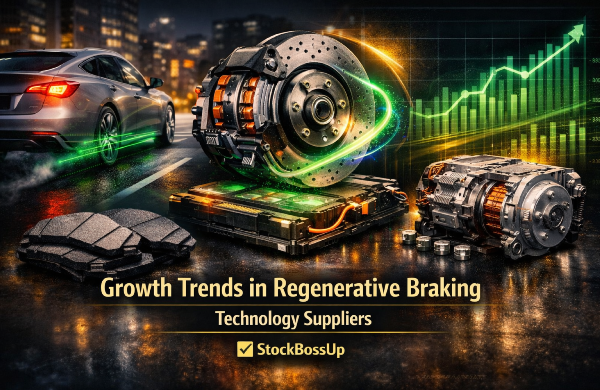
Growth Trends in Regenerative Braking Technology Suppliers
Regenerative braking used to be a supporting feature in early hybrids. Today it is a defining system in EV architecture.
Instead of wasting energy as heat during braking, vehicles recover it and feed it back into the battery. That single function has evolved into a multi-layer engineering system involving braking hardware, electric motors, software logic, and energy storage coordination.
As EV adoption accelerates, regenerative braking suppliers are moving from background contributors to core system designers.
Why Demand for Regenerative Braking Keeps Expanding
The main driver is simple: every EV and hybrid depends on energy recovery to improve efficiency.
But the deeper trend is integration. Newer systems recover more energy across more driving conditions and are no longer limited to simple deceleration events.
This has created a steady expansion in system complexity and supplier value per vehicle.
| Vehicle Type |
Regenerative Braking Role |
Supplier Demand Impact |
| Internal combustion vehicles |
Not applicable |
None |
| Hybrid vehicles |
Partial energy recovery |
Moderate |
| Electric vehicles |
Full system integration |
High |
A less obvious dynamic is that urban driving environments generate significantly more regenerative braking opportunities than highway driving, making city EV adoption especially valuable for system utilization.
How Traditional Brake Suppliers Are Being Pulled Into New Territory
Brake suppliers are no longer just selling friction components like pads and rotors.
They are now building integrated braking systems that coordinate mechanical braking with electric motor braking.
This process, often called brake blending, requires deep integration between hardware and software.
Companies like Bosch and Continental are heavily invested in this transition, while ZF Friedrichshafen and Denso are expanding into full vehicle motion control systems.
| Supplier |
Traditional Role |
New Role in Regenerative Systems |
| Bosch |
Hydraulic braking |
Integrated brake + energy recovery systems |
| Continental |
Brake components |
ADAS + braking integration platforms |
| ZF Friedrichshafen |
Chassis systems |
Vehicle motion control systems |
| Denso |
OEM components |
Hybrid and EV energy systems |
| Valeo |
Thermal systems |
Electrified efficiency support |
This shift increases engineering complexity but also raises long-term supplier value per vehicle.
Why Batteries and Power Electronics Set the Limits
Regenerative braking performance is not just about the motor. It is constrained by how quickly the battery can accept energy.
When a vehicle slows down, energy is converted into electricity. That energy must be absorbed, stored, and regulated in real time.
If the battery is too cold, too full, or not optimized for rapid charging, regenerative efficiency drops.
| System Component |
Role in Energy Recovery |
Limiting Factor |
| Battery pack |
Energy storage |
Charge acceptance rate |
| Inverter |
Energy conversion |
Efficiency loss |
| Power electronics |
System regulation |
Heat + capacity limits |
| Thermal systems |
Temperature control |
Operating range constraints |
A key detail is that in many modern EVs, thermal limits—not motor capability—are what reduce regenerative braking effectiveness in real-world driving.
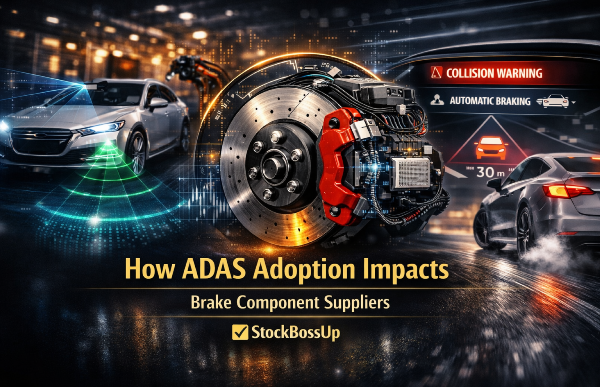
ADAS Is Turning Regenerative Braking Into Predictive Control
Regenerative braking is evolving from reactive to predictive systems.
Instead of only responding to pedal input, vehicles now use ADAS data to anticipate braking needs. Radar, cameras, and navigation systems all influence how and when energy recovery is applied.
This allows vehicles to optimize braking strategy before the driver fully reacts.
That shift turns regenerative braking into part of the vehicle’s intelligence layer rather than just a physical function.
Where Growth Is Concentrated Globally
Regenerative braking growth is not evenly distributed. It is strongest in regions with high EV penetration and strict emissions targets.
Asia-Pacific leads due to production scale. Europe follows due to regulatory pressure. North America is accelerating with new EV platform launches.
| Region |
Growth Driver |
Supplier Focus |
| Asia-Pacific |
EV production scale |
Full system integration |
| Europe |
Emissions regulation |
Efficiency optimization |
| North America |
EV expansion |
ADAS + hybrid systems |
A subtle but important detail is that hybrid vehicles still represent a meaningful share of regenerative braking demand, especially in markets transitioning gradually toward full electrification.
The Engineering Bottleneck Behind the Growth
Regenerative braking systems are complex because they require perfect coordination across multiple subsystems.
Battery chemistry, motor efficiency, software logic, and thermal control must all align in real time.
If one system underperforms, overall efficiency drops immediately.
This makes regenerative braking less of a single technology and more of a tightly synchronized ecosystem.
Where This Market Is Heading Next
Regenerative braking is moving toward higher efficiency, deeper software integration, and predictive driving optimization.
Future systems will likely use navigation data and traffic prediction to decide when and how to recover energy before braking even occurs.
This will further blur the line between braking systems and autonomous driving systems.
In the end, regenerative braking is evolving from an efficiency feature into a core intelligence function inside modern vehicles.



















🔑 Key Takeaways
⚡ Regenerative braking is becoming a core growth engine in EV and hybrid platforms
Regenerative braking systems are now standard in electric and hybrid vehicles. Suppliers like Bosch, Continental, ZF Friedrichshafen, Denso, and Valeo are seeing rising demand as automakers scale electrified platforms globally.
🏭 Suppliers are shifting from hardware braking to integrated vehicle energy systems
Regenerative braking is no longer just mechanical energy recovery. It now connects braking hardware, power electronics, software, and battery systems into a unified energy management loop.
🔋 Battery and power electronics constraints directly shape performance growth
Regenerative efficiency depends on how quickly batteries can absorb energy and how efficiently inverters and semiconductors manage conversion. This makes power electronics and thermal systems critical bottlenecks.
🚗 ADAS is expanding regenerative braking into predictive vehicle control
Regenerative braking is increasingly linked to driver-assistance systems. Vehicles now blend braking, navigation, and sensor data to optimize energy recovery and safety response.
Growth Trends in Regenerative Braking Technology Suppliers
Regenerative braking used to be a supporting feature in early hybrids. Today it is a defining system in EV architecture.
Instead of wasting energy as heat during braking, vehicles recover it and feed it back into the battery. That single function has evolved into a multi-layer engineering system involving braking hardware, electric motors, software logic, and energy storage coordination.
As EV adoption accelerates, regenerative braking suppliers are moving from background contributors to core system designers.
Why Demand for Regenerative Braking Keeps Expanding
The main driver is simple: every EV and hybrid depends on energy recovery to improve efficiency.
But the deeper trend is integration. Newer systems recover more energy across more driving conditions and are no longer limited to simple deceleration events.
This has created a steady expansion in system complexity and supplier value per vehicle.
A less obvious dynamic is that urban driving environments generate significantly more regenerative braking opportunities than highway driving, making city EV adoption especially valuable for system utilization.
How Traditional Brake Suppliers Are Being Pulled Into New Territory
Brake suppliers are no longer just selling friction components like pads and rotors.
They are now building integrated braking systems that coordinate mechanical braking with electric motor braking.
This process, often called brake blending, requires deep integration between hardware and software.
Companies like Bosch and Continental are heavily invested in this transition, while ZF Friedrichshafen and Denso are expanding into full vehicle motion control systems.
This shift increases engineering complexity but also raises long-term supplier value per vehicle.
Why Batteries and Power Electronics Set the Limits
Regenerative braking performance is not just about the motor. It is constrained by how quickly the battery can accept energy.
When a vehicle slows down, energy is converted into electricity. That energy must be absorbed, stored, and regulated in real time.
If the battery is too cold, too full, or not optimized for rapid charging, regenerative efficiency drops.
A key detail is that in many modern EVs, thermal limits—not motor capability—are what reduce regenerative braking effectiveness in real-world driving.
ADAS Is Turning Regenerative Braking Into Predictive Control
Regenerative braking is evolving from reactive to predictive systems.
Instead of only responding to pedal input, vehicles now use ADAS data to anticipate braking needs. Radar, cameras, and navigation systems all influence how and when energy recovery is applied.
This allows vehicles to optimize braking strategy before the driver fully reacts.
That shift turns regenerative braking into part of the vehicle’s intelligence layer rather than just a physical function.
Where Growth Is Concentrated Globally
Regenerative braking growth is not evenly distributed. It is strongest in regions with high EV penetration and strict emissions targets.
Asia-Pacific leads due to production scale. Europe follows due to regulatory pressure. North America is accelerating with new EV platform launches.
A subtle but important detail is that hybrid vehicles still represent a meaningful share of regenerative braking demand, especially in markets transitioning gradually toward full electrification.
The Engineering Bottleneck Behind the Growth
Regenerative braking systems are complex because they require perfect coordination across multiple subsystems.
Battery chemistry, motor efficiency, software logic, and thermal control must all align in real time.
If one system underperforms, overall efficiency drops immediately.
This makes regenerative braking less of a single technology and more of a tightly synchronized ecosystem.
Where This Market Is Heading Next
Regenerative braking is moving toward higher efficiency, deeper software integration, and predictive driving optimization.
Future systems will likely use navigation data and traffic prediction to decide when and how to recover energy before braking even occurs.
This will further blur the line between braking systems and autonomous driving systems.
In the end, regenerative braking is evolving from an efficiency feature into a core intelligence function inside modern vehicles.