🔑 Key Takeaways
⚡ Hybrid vehicles rely on a tightly integrated network of electrical component suppliers
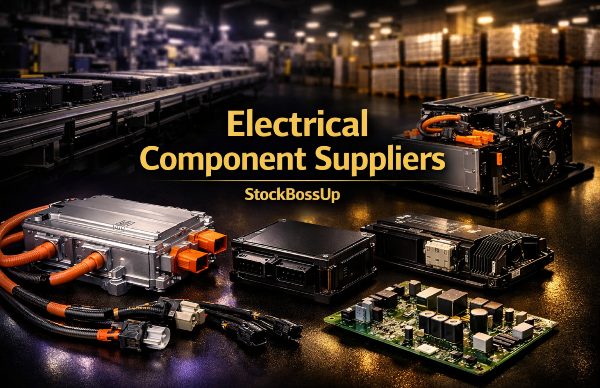
Hybrid systems depend on coordinated components such as inverters, battery management systems, power control units, semiconductors, and electric motors. These systems must work together in real time to balance fuel efficiency, performance, and energy recovery.
🏭 Tier 1 suppliers like Denso and Bosch dominate hybrid electrical system integration
Major suppliers such as Denso and Bosch design and deliver complete hybrid systems for automakers. These Tier 1 companies integrate hardware and software, making them essential partners in global hybrid vehicle production.
🔋 Battery, semiconductor, and power electronics suppliers drive hybrid performance gains
Companies such as Panasonic Energy, LG Energy Solution, Infineon Technologies, and STMicroelectronics supply core technologies that power hybrid efficiency. These suppliers directly influence fuel economy, energy flow, and system reliability.
🚗 Software and thermal management systems are becoming just as important as hardware
Modern hybrid performance depends heavily on software control systems and thermal management solutions. These technologies optimize energy switching, protect batteries, and improve long-term efficiency without major hardware changes.
Best Electrical Component Suppliers for Hybrid Vehicles
Hybrid vehicles are often seen as a transitional technology between gasoline cars and full electric vehicles. However, inside every hybrid is a highly advanced electrical system that constantly manages energy flow between the engine, motor, and battery.
These systems operate continuously and must respond instantly to changing driving conditions. The complexity of this coordination is what defines modern hybrid performance.
The real value in hybrid vehicles is not just the concept of electrification, but the network of specialized suppliers that make these systems function reliably at scale.
Why Electrical Systems Are Critical in Hybrid Vehicles
Hybrid vehicles depend on constant coordination between mechanical and electrical systems.
Unlike traditional vehicles, hybrids switch between combustion and electric power many times during a single drive cycle. This requires real-time energy management.
Electrical systems control battery charging, regenerative braking, and power distribution.
A key insight is that hybrid control systems can adjust energy flow hundreds of times per mile in city driving conditions without driver awareness.
| System Component |
Function |
Importance Level |
| Inverter |
Converts DC to AC power |
Critical |
| Battery management system |
Controls energy storage and safety |
Critical |
| Power control unit |
Coordinates energy flow |
High |
| Electric motor |
Provides propulsion |
Critical |
Why Automakers Depend on Tier 1 Suppliers
Most automakers rely on Tier 1 suppliers to design and manufacture complete hybrid systems.
These suppliers integrate hardware and software into unified platforms that can be deployed across multiple vehicle models.
Denso is a major global supplier of hybrid electrical systems.
Bosch also plays a key role in hybrid control systems and power electronics integration.
| Supplier Type |
Role in Hybrid Systems |
Influence Level |
| Tier 1 suppliers |
Full system integration |
Very high |
| Tier 2 suppliers |
Component production |
Medium |
| OEM automakers |
Vehicle assembly |
High |
| Software providers |
Control systems |
Growing |
Hybrid systems are often co-developed between automakers and Tier 1 suppliers, creating deeply integrated supply chains.
Why Power Electronics Define Hybrid Performance
Power electronics control how energy flows through hybrid systems.
They manage conversion between AC and DC power, regulate voltage, and control motor output.
Even small inefficiencies can significantly reduce fuel economy.
Infineon Technologies is a major supplier of semiconductor components used in hybrid systems.
| Component |
Function |
Impact |
| Inverter |
Energy conversion |
High |
| DC-DC converter |
Voltage regulation |
Medium-high |
| Power modules |
Motor control |
Critical |
| Semiconductors |
Signal processing |
High |
Improvements in hybrid power electronics have enabled significant efficiency gains without major changes to engine design.
Why Battery System Suppliers Are Essential in Hybrids
Hybrid vehicles use smaller but highly active battery systems compared to full EVs.
These batteries constantly charge and discharge during driving, placing heavy demands on control and thermal systems.
Panasonic Energy supplies hybrid battery systems used across global platforms.
LG Energy Solution also provides hybrid-compatible battery systems for multiple automakers.
| Battery Function |
Role in Hybrid Systems |
Importance |
| Energy storage |
Stores electricity |
Critical |
| Charge cycling |
Frequent charging/discharging |
High |
| Thermal control |
Prevents overheating |
Critical |
| Power balancing |
Smooth energy switching |
High |
Hybrid batteries often experience more frequent charge cycles than EV batteries due to constant switching between power sources.
Why Japanese Suppliers Lead the Hybrid Market
Japan was an early leader in hybrid vehicle development, which created long-standing supplier dominance.
This early innovation established strong integration between automakers and component suppliers.
Denso is a key supplier of hybrid drivetrain components.
Aisin also plays a major role in hybrid system supply chains.
| Region |
Hybrid Strength |
Key Advantage |
| Japan |
Global leader |
Early hybrid innovation |
| Germany |
Power electronics |
Engineering strength |
| South Korea |
Battery systems |
EV crossover expertise |
| United States |
Software systems |
Control optimization |
Japan’s early investment continues to influence global hybrid supply chains today.
Why Software Is a Hidden Supplier Category
Modern hybrid vehicles depend heavily on software to manage system behavior.
Software determines when the vehicle switches between electric and combustion power.
It also optimizes energy recovery and efficiency in real time.
| Software Function |
Impact |
| Energy management |
Fuel efficiency |
| Torque control |
Driving smoothness |
| Battery optimization |
Longevity |
| Diagnostics |
System reliability |
Many hybrid efficiency improvements can be delivered through software updates without physical hardware changes.
Why Thermal Systems Are Essential
Hybrid systems generate heat from both electrical and mechanical components.
This makes thermal management critical for performance, safety, and efficiency.
Mahle is a major supplier of thermal systems for hybrid vehicles.
| Thermal Component |
Function |
Importance |
| Cooling systems |
Heat reduction |
Critical |
| Heat exchangers |
Temperature control |
High |
| Battery cooling |
Safety and performance |
Critical |
| HVAC systems |
Cabin and system balance |
Medium |
Without proper thermal management, hybrid systems lose efficiency and reduce component lifespan.
Why Semiconductors Are Central to Hybrid Systems
Semiconductors act as the control layer of hybrid vehicles.
They process signals between sensors, batteries, and motors, ensuring coordinated system operation.
STMicroelectronics is a key supplier in hybrid semiconductor systems.
| Semiconductor Role |
Function |
| Signal processing |
System coordination |
| Power control |
Energy distribution |
| Sensor integration |
Feedback systems |
| Safety systems |
Failure prevention |
Hybrid vehicles contain significantly more semiconductor content than traditional vehicles, increasing supplier importance.
Why Hybrid Suppliers Benefit From EV Transition
Hybrid vehicles serve as a bridge between gasoline cars and full EVs.
This increases demand for electrical components while maintaining internal combustion systems.
| Vehicle Type |
Electrical Complexity |
Supplier Demand |
| Gas vehicles |
Low |
Stable |
| Hybrid vehicles |
High |
Growing |
| EVs |
Very high |
Rapid expansion |
Hybrids allow suppliers to expand electrification capabilities without fully depending on EV adoption cycles.
Final Insight
Hybrid vehicles rely on a deeply integrated ecosystem of electrical suppliers.
These companies provide power electronics, batteries, semiconductors, thermal systems, drivetrain components, and software.
The performance of a hybrid vehicle depends on how effectively these systems work together.
The most important suppliers are not just component manufacturers—they are system integrators that manage how energy flows across the entire vehicle.
Ultimately, hybrid vehicles are powered by a coordinated network of specialized suppliers working together behind the scenes.

















🔑 Key Takeaways
⚡ Hybrid vehicles rely on a tightly integrated network of electrical component suppliers
Hybrid systems depend on coordinated components such as inverters, battery management systems, power control units, semiconductors, and electric motors. These systems must work together in real time to balance fuel efficiency, performance, and energy recovery.
🏭 Tier 1 suppliers like Denso and Bosch dominate hybrid electrical system integration
Major suppliers such as Denso and Bosch design and deliver complete hybrid systems for automakers. These Tier 1 companies integrate hardware and software, making them essential partners in global hybrid vehicle production.
🔋 Battery, semiconductor, and power electronics suppliers drive hybrid performance gains
Companies such as Panasonic Energy, LG Energy Solution, Infineon Technologies, and STMicroelectronics supply core technologies that power hybrid efficiency. These suppliers directly influence fuel economy, energy flow, and system reliability.
🚗 Software and thermal management systems are becoming just as important as hardware
Modern hybrid performance depends heavily on software control systems and thermal management solutions. These technologies optimize energy switching, protect batteries, and improve long-term efficiency without major hardware changes.
Best Electrical Component Suppliers for Hybrid Vehicles
Hybrid vehicles are often seen as a transitional technology between gasoline cars and full electric vehicles. However, inside every hybrid is a highly advanced electrical system that constantly manages energy flow between the engine, motor, and battery.
These systems operate continuously and must respond instantly to changing driving conditions. The complexity of this coordination is what defines modern hybrid performance.
The real value in hybrid vehicles is not just the concept of electrification, but the network of specialized suppliers that make these systems function reliably at scale.
Why Electrical Systems Are Critical in Hybrid Vehicles
Hybrid vehicles depend on constant coordination between mechanical and electrical systems.
Unlike traditional vehicles, hybrids switch between combustion and electric power many times during a single drive cycle. This requires real-time energy management.
Electrical systems control battery charging, regenerative braking, and power distribution.
A key insight is that hybrid control systems can adjust energy flow hundreds of times per mile in city driving conditions without driver awareness.
Why Automakers Depend on Tier 1 Suppliers
Most automakers rely on Tier 1 suppliers to design and manufacture complete hybrid systems.
These suppliers integrate hardware and software into unified platforms that can be deployed across multiple vehicle models.
Denso is a major global supplier of hybrid electrical systems.
Bosch also plays a key role in hybrid control systems and power electronics integration.
Hybrid systems are often co-developed between automakers and Tier 1 suppliers, creating deeply integrated supply chains.
Why Power Electronics Define Hybrid Performance
Power electronics control how energy flows through hybrid systems.
They manage conversion between AC and DC power, regulate voltage, and control motor output.
Even small inefficiencies can significantly reduce fuel economy.
Infineon Technologies is a major supplier of semiconductor components used in hybrid systems.
Improvements in hybrid power electronics have enabled significant efficiency gains without major changes to engine design.
Why Battery System Suppliers Are Essential in Hybrids
Hybrid vehicles use smaller but highly active battery systems compared to full EVs.
These batteries constantly charge and discharge during driving, placing heavy demands on control and thermal systems.
Panasonic Energy supplies hybrid battery systems used across global platforms.
LG Energy Solution also provides hybrid-compatible battery systems for multiple automakers.
Hybrid batteries often experience more frequent charge cycles than EV batteries due to constant switching between power sources.
Why Japanese Suppliers Lead the Hybrid Market
Japan was an early leader in hybrid vehicle development, which created long-standing supplier dominance.
This early innovation established strong integration between automakers and component suppliers.
Denso is a key supplier of hybrid drivetrain components.
Aisin also plays a major role in hybrid system supply chains.
Japan’s early investment continues to influence global hybrid supply chains today.
Why Software Is a Hidden Supplier Category
Modern hybrid vehicles depend heavily on software to manage system behavior.
Software determines when the vehicle switches between electric and combustion power.
It also optimizes energy recovery and efficiency in real time.
Many hybrid efficiency improvements can be delivered through software updates without physical hardware changes.
Why Thermal Systems Are Essential
Hybrid systems generate heat from both electrical and mechanical components.
This makes thermal management critical for performance, safety, and efficiency.
Mahle is a major supplier of thermal systems for hybrid vehicles.
Without proper thermal management, hybrid systems lose efficiency and reduce component lifespan.
Why Semiconductors Are Central to Hybrid Systems
Semiconductors act as the control layer of hybrid vehicles.
They process signals between sensors, batteries, and motors, ensuring coordinated system operation.
STMicroelectronics is a key supplier in hybrid semiconductor systems.
Hybrid vehicles contain significantly more semiconductor content than traditional vehicles, increasing supplier importance.
Why Hybrid Suppliers Benefit From EV Transition
Hybrid vehicles serve as a bridge between gasoline cars and full EVs.
This increases demand for electrical components while maintaining internal combustion systems.
Hybrids allow suppliers to expand electrification capabilities without fully depending on EV adoption cycles.
Final Insight
Hybrid vehicles rely on a deeply integrated ecosystem of electrical suppliers.
These companies provide power electronics, batteries, semiconductors, thermal systems, drivetrain components, and software.
The performance of a hybrid vehicle depends on how effectively these systems work together.
The most important suppliers are not just component manufacturers—they are system integrators that manage how energy flows across the entire vehicle.
Ultimately, hybrid vehicles are powered by a coordinated network of specialized suppliers working together behind the scenes.