Last updated on July 28th 2026 by Noah Brody
🎢 Theme park stocks benefit from powerful brands and long-term competitive advantages
Leading operators like Disney and Universal have built decades of customer loyalty, intellectual property strength, and infrastructure advantages that create durable investment moats.
💰 Pricing power and guest spending growth are major drivers of profitability
The strongest theme park companies grow revenue not only through attendance increases but also through higher per-capita spending on premium experiences, food, merchandise, and technology-enabled services.
🌎 Global middle-class expansion creates a long runway for theme park growth
Rising incomes across Asia and emerging markets are expected to introduce hundreds of millions of new potential customers to destination entertainment experiences over the coming decades.
📱 Technology and operational innovation are reshaping the theme park business model
Digital ticketing, virtual queues, mobile ordering, and personalized experiences help operators improve guest satisfaction while increasing revenue and operational efficiency.
Best Theme Park Stocks for Investors
Why Are Theme Park Stocks Attractive to Investors?
Theme parks represent one of the most iconic and enduring segments of the leisure industry. These massive entertainment destinations combine storytelling, technology, hospitality, and retail into an immersive consumer experience that commands premium pricing and drives extraordinary customer loyalty. For investors, theme park stocks offer exposure to some of the most powerful brands and guest experience businesses in the world, with defensible moats built over decades of infrastructure investment and brand development. Understanding the broader leisure industry also helps investors see how theme parks fit within global travel, entertainment, and consumer spending trends.
Why Is Walt Disney the Leader in Theme Park Investing?
Walt Disney Company is the undisputed leader in the global theme park industry. Its parks division includes Walt Disney World in Orlando, Disneyland in California, Disneyland Paris, Tokyo Disney Resort managed under license, Hong Kong Disneyland, and Shanghai Disney Resort. Together, these properties attract tens of millions of guests annually and generate billions in operating income. Disney's parks have demonstrated remarkable pricing power, raising admission prices consistently while simultaneously increasing per-capita spending on food, merchandise, and premium experiences. The introduction of Lightning Lane, Disney Genie Plus, and other premium services has significantly lifted ancillary revenue per guest visit.
Disney's theme park business benefits from a compounding advantage that no competitor can easily replicate: a content engine that continuously generates new intellectual property that can be transformed into themed attractions, merchandise, and experiences. When a Marvel or Star Wars film becomes a global cultural phenomenon, Disney can translate that excitement directly into park environments, driving incremental attendance from fans seeking to inhabit their favorite fictional worlds. This combination of content ownership and guest spending demonstrates how leisure companies make money through multiple complementary revenue streams.
How Is Universal Studios Challenging Disney's Theme Park Dominance?
Comcast's NBCUniversal operates Universal Studios theme parks in Hollywood, Orlando, Osaka, and Singapore, with a major new park under development. Universal has been gaining market share in the theme park industry through the success of its Wizarding World of Harry Potter, Minion Land, and other immersive themed environments. Its Epic Universe park, under construction in Orlando, represents the largest theme park investment in the region's history and is expected to significantly disrupt the competitive dynamic when it opens.
Why Are Regional Theme Park Operators Worth Watching?
Six Flags Entertainment, now merged with Cedar Fair under a combined entity, represents the regional theme park investment opportunity in the United States. Unlike the destination parks of Disney and Universal, regional parks draw visitors primarily from within a few hours' drive. Their season pass programs create recurring, subscription-like revenue streams and high repeat visitation rates. The combined Six Flags and Cedar Fair entity creates scale advantages in purchasing, marketing, and technology that neither company had individually.
How Do Waterparks Create Niche Leisure Investment Opportunities?
Funtown Splashtown and various waterpark operators represent a niche within the broader theme park category. Waterparks benefit from lower capital requirements than full theme parks while still delivering strong seasonal revenue and high guest satisfaction. The combination of water attractions, food and beverage, and cabana rentals creates multiple revenue streams within a relatively simple operating structure.
Why Do Theme Park Stocks Often Trade at Premium Valuations?
From a valuation perspective, theme park stocks typically trade at significant premiums to broader market multiples, reflecting the scarcity value of their real estate, the barrier to entry that their infrastructure represents, and the defensibility of their consumer demand. While these elevated multiples create some valuation risk, investors who can identify temporary dislocations caused by weather events, macroeconomic fears, or pandemic-related disruptions have historically been rewarded with strong recovery returns. Investors should also understand how to evaluate leisure stocks before investing to determine whether premium valuations are justified.
How Is Technology Transforming the Theme Park Experience?
The technology layer being added to theme parks is creating new investment angles. Digital queue management, mobile ordering, virtual reality experiences, and personalized itinerary planning apps are all improving the guest experience while also improving operational efficiency. Companies that lead in theme park technology adoption can expand guest capacity, reduce wait time frustration, and drive higher per-capita spending simultaneously.
Why Does Global Expansion Matter for Theme Park Investors?
Global expansion represents a significant long-term growth driver for the largest theme park operators. Disney and Universal have both identified Asia as a priority market for new park development, recognizing that the growth of the global economy and the expanding middle class in China, India, and Southeast Asia will create hundreds of millions of new potential theme park visitors over the coming decades. Investors in these companies are effectively participating in this global middle-class emergence alongside the strength of iconic Western entertainment brands.
🚀 Expand Your Edge: Elite Leisure Industry Investment Intelligence
The leisure industry spans travel, entertainment, hospitality, gaming, sports, recreation, and experiential businesses that benefit from rising consumer spending and long-term demographic trends. Our Leisure Industry Investor Intelligence Hub brings together comprehensive research covering industry fundamentals, market-leading companies, macroeconomic drivers, financial analysis, emerging technologies, and future growth opportunities. Explore the curated resources below to build a deeper understanding of one of the market's most dynamic sectors.
🌎 Industry Fundamentals & Market Leaders
🎯 Leisure Industry Sectors & Investment Opportunities
📊 Financial Analysis & Portfolio Strategy
🤖 Technology, AI & Industry Innovation
🌍 Economic Trends & Market Drivers
⚠️ Risk Management & Smart Investing




















Last updated on July 28th 2026 by Noah Brody
🎢 Theme park stocks benefit from powerful brands and long-term competitive advantages
Leading operators like Disney and Universal have built decades of customer loyalty, intellectual property strength, and infrastructure advantages that create durable investment moats.
💰 Pricing power and guest spending growth are major drivers of profitability
The strongest theme park companies grow revenue not only through attendance increases but also through higher per-capita spending on premium experiences, food, merchandise, and technology-enabled services.
🌎 Global middle-class expansion creates a long runway for theme park growth
Rising incomes across Asia and emerging markets are expected to introduce hundreds of millions of new potential customers to destination entertainment experiences over the coming decades.
📱 Technology and operational innovation are reshaping the theme park business model
Digital ticketing, virtual queues, mobile ordering, and personalized experiences help operators improve guest satisfaction while increasing revenue and operational efficiency.
Best Theme Park Stocks for Investors
Why Are Theme Park Stocks Attractive to Investors?
Theme parks represent one of the most iconic and enduring segments of the leisure industry. These massive entertainment destinations combine storytelling, technology, hospitality, and retail into an immersive consumer experience that commands premium pricing and drives extraordinary customer loyalty. For investors, theme park stocks offer exposure to some of the most powerful brands and guest experience businesses in the world, with defensible moats built over decades of infrastructure investment and brand development. Understanding the broader leisure industry also helps investors see how theme parks fit within global travel, entertainment, and consumer spending trends.
Why Is Walt Disney the Leader in Theme Park Investing?
Walt Disney Company is the undisputed leader in the global theme park industry. Its parks division includes Walt Disney World in Orlando, Disneyland in California, Disneyland Paris, Tokyo Disney Resort managed under license, Hong Kong Disneyland, and Shanghai Disney Resort. Together, these properties attract tens of millions of guests annually and generate billions in operating income. Disney's parks have demonstrated remarkable pricing power, raising admission prices consistently while simultaneously increasing per-capita spending on food, merchandise, and premium experiences. The introduction of Lightning Lane, Disney Genie Plus, and other premium services has significantly lifted ancillary revenue per guest visit.
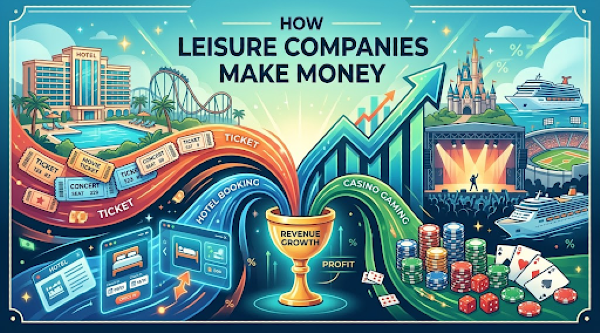
Disney's theme park business benefits from a compounding advantage that no competitor can easily replicate: a content engine that continuously generates new intellectual property that can be transformed into themed attractions, merchandise, and experiences. When a Marvel or Star Wars film becomes a global cultural phenomenon, Disney can translate that excitement directly into park environments, driving incremental attendance from fans seeking to inhabit their favorite fictional worlds. This combination of content ownership and guest spending demonstrates how leisure companies make money through multiple complementary revenue streams.
How Is Universal Studios Challenging Disney's Theme Park Dominance?
Comcast's NBCUniversal operates Universal Studios theme parks in Hollywood, Orlando, Osaka, and Singapore, with a major new park under development. Universal has been gaining market share in the theme park industry through the success of its Wizarding World of Harry Potter, Minion Land, and other immersive themed environments. Its Epic Universe park, under construction in Orlando, represents the largest theme park investment in the region's history and is expected to significantly disrupt the competitive dynamic when it opens.
Why Are Regional Theme Park Operators Worth Watching?
Six Flags Entertainment, now merged with Cedar Fair under a combined entity, represents the regional theme park investment opportunity in the United States. Unlike the destination parks of Disney and Universal, regional parks draw visitors primarily from within a few hours' drive. Their season pass programs create recurring, subscription-like revenue streams and high repeat visitation rates. The combined Six Flags and Cedar Fair entity creates scale advantages in purchasing, marketing, and technology that neither company had individually.
How Do Waterparks Create Niche Leisure Investment Opportunities?
Funtown Splashtown and various waterpark operators represent a niche within the broader theme park category. Waterparks benefit from lower capital requirements than full theme parks while still delivering strong seasonal revenue and high guest satisfaction. The combination of water attractions, food and beverage, and cabana rentals creates multiple revenue streams within a relatively simple operating structure.
Why Do Theme Park Stocks Often Trade at Premium Valuations?
From a valuation perspective, theme park stocks typically trade at significant premiums to broader market multiples, reflecting the scarcity value of their real estate, the barrier to entry that their infrastructure represents, and the defensibility of their consumer demand. While these elevated multiples create some valuation risk, investors who can identify temporary dislocations caused by weather events, macroeconomic fears, or pandemic-related disruptions have historically been rewarded with strong recovery returns. Investors should also understand how to evaluate leisure stocks before investing to determine whether premium valuations are justified.
How Is Technology Transforming the Theme Park Experience?
The technology layer being added to theme parks is creating new investment angles. Digital queue management, mobile ordering, virtual reality experiences, and personalized itinerary planning apps are all improving the guest experience while also improving operational efficiency. Companies that lead in theme park technology adoption can expand guest capacity, reduce wait time frustration, and drive higher per-capita spending simultaneously.
Why Does Global Expansion Matter for Theme Park Investors?
Global expansion represents a significant long-term growth driver for the largest theme park operators. Disney and Universal have both identified Asia as a priority market for new park development, recognizing that the growth of the global economy and the expanding middle class in China, India, and Southeast Asia will create hundreds of millions of new potential theme park visitors over the coming decades. Investors in these companies are effectively participating in this global middle-class emergence alongside the strength of iconic Western entertainment brands.
🚀 Expand Your Edge: Elite Leisure Industry Investment Intelligence
The leisure industry spans travel, entertainment, hospitality, gaming, sports, recreation, and experiential businesses that benefit from rising consumer spending and long-term demographic trends. Our Leisure Industry Investor Intelligence Hub brings together comprehensive research covering industry fundamentals, market-leading companies, macroeconomic drivers, financial analysis, emerging technologies, and future growth opportunities. Explore the curated resources below to build a deeper understanding of one of the market's most dynamic sectors.
🌎 Industry Fundamentals & Market Leaders
🎯 Leisure Industry Sectors & Investment Opportunities
📊 Financial Analysis & Portfolio Strategy
🤖 Technology, AI & Industry Innovation
🌍 Economic Trends & Market Drivers
⚠️ Risk Management & Smart Investing