🔑 Key Takeaways
🍽️ Restaurant suppliers are the invisible backbone of the foodservice industry.
While restaurant chains interact directly with customers, suppliers handle the enormous logistics network that delivers food, equipment, beverages, and kitchen essentials. As restaurants grow, their suppliers often grow alongside them.
📈 Distribution, food manufacturing, and commercial kitchen equipment companies each benefit from different industry trends.
Investors can gain exposure to restaurant spending through distributors like Sysco and US Foods, equipment manufacturers such as Middleby, or food producers like Lamb Weston and Hormel Foods.
🚚 Scale creates a significant competitive advantage in restaurant supply.
Large suppliers operate nationwide logistics networks, purchasing billions of dollars of inventory annually. Their size often improves efficiency, lowers costs, and strengthens relationships with restaurant operators.
🏆 Long-term winners are likely to benefit from restaurant expansion, technology adoption, and changing consumer dining habits.
Companies investing in automation, supply chain efficiency, and value-added services may be well positioned as the global foodservice industry continues evolving.
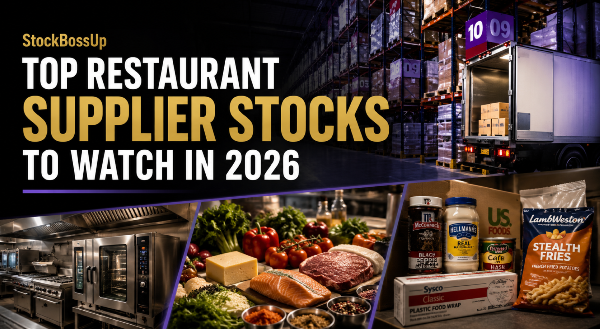
Top Restaurant Supplier Stocks to Watch in 2026
Every Great Restaurant Has an Even Greater Supply Chain
Most diners never think about what happens before the front door opens.
They see the smiling server, the perfectly grilled steak, or the basket of fresh-cut fries arriving at the table. What they rarely see are the delivery trucks pulling into the loading dock before sunrise, the warehouses filled with refrigerated inventory, or the factories producing everything from industrial ovens to frozen potatoes.
That hidden network is where restaurant suppliers live.
Investing in restaurant supplier stocks is a bit like investing in the roads that connect an entire city. The roads rarely receive the attention, but without them, nothing moves. Restaurants cannot serve meals without ingredients, equipment, beverages, packaging, and countless other products arriving on time.
As global dining continues evolving, these behind-the-scenes businesses are becoming increasingly important. Investors looking beyond restaurant chains themselves may discover that many of the industry's most durable opportunities sit quietly in the supply chain.
Why Restaurant Suppliers Often Fly Under the Radar
Restaurant brands usually dominate headlines.
New menu launches, expansion plans, celebrity partnerships, and quarterly sales updates receive constant media attention.
Suppliers rarely enjoy that spotlight.
Yet every successful restaurant depends on dozens of suppliers working together with remarkable precision. Fresh produce, proteins, frozen foods, cleaning supplies, cooking equipment, refrigeration systems, disposable packaging, and beverages all arrive through an intricate distribution network.
It's a little like watching a Broadway performance. The audience applauds the actors on stage, but the production only succeeds because hundreds of people behind the curtain keep everything running smoothly.
Restaurant suppliers play that backstage role for the foodservice industry.
For investors, businesses operating behind the scenes can sometimes offer more predictable demand than the restaurants they serve.
Sysco Continues Setting the Standard
If restaurant distribution had a household name, it would probably be Sysco (NYSE: SYY).
Sysco has built one of the largest foodservice distribution networks in the world. Every day, its fleet delivers fresh foods, frozen products, beverages, paper goods, cleaning supplies, and kitchen essentials to hundreds of thousands of customers.
Scale is Sysco's greatest competitive advantage.
Its purchasing power allows it to negotiate favorable pricing with suppliers, while its nationwide logistics network helps restaurants receive consistent deliveries regardless of location.
The company also benefits from remarkable diversification. Rather than relying on one restaurant chain, Sysco serves independent restaurants, hotels, hospitals, schools, entertainment venues, and institutional customers.
That broad customer base helps reduce dependence on any single market segment.
US Foods Is Quietly Building a Powerful Business
While Sysco often receives the most attention, US Foods (NYSE: USFD) has steadily become one of North America's most important foodservice distributors.
The company's strategy focuses on helping restaurants operate more efficiently.
Beyond delivering food, US Foods provides menu consulting, inventory management tools, digital ordering systems, and operational support that strengthen customer relationships.
This reflects a broader shift across the industry.
Distributors are no longer simply transportation companies.
Increasingly, they function as business partners.
Restaurants value suppliers that save time, reduce waste, and simplify operations just as much as those offering competitive prices.
That evolution could continue creating opportunities for companies that invest in technology alongside logistics.
| Company |
Primary Business |
Investment Theme |
| Sysco |
Foodservice Distribution |
Industry leader and scale advantages |
| US Foods |
Food Distribution |
Technology and operational services |
| Performance Food Group |
Distribution |
Market share expansion |
| The Chefs' Warehouse |
Premium Food Distribution |
Specialty and luxury dining |
| The Middleby Corporation |
Commercial Kitchen Equipment |
Restaurant automation |
Performance Food Group Is Expanding Across Multiple Markets
Performance Food Group (NYSE: PFGC) has transformed itself into one of the industry's fastest-growing distributors through a combination of acquisitions and organic expansion.
Unlike many competitors, the company operates across several customer segments, including restaurants, convenience stores, vending operators, and institutional foodservice.
This diversification creates flexibility.
When one market slows, another may continue growing.
Performance Food Group has also demonstrated a willingness to invest aggressively in expanding its distribution network and improving operational efficiency.
For long-term investors, the company represents a compelling example of how consolidation continues reshaping the foodservice distribution industry.
Specialty Suppliers Can Build Strong Competitive Moats
Not every supplier competes on size.
Some compete through specialization.
The Chefs' Warehouse (NASDAQ: CHEF) focuses on supplying premium restaurants with specialty meats, seafood, artisan cheeses, imported ingredients, and gourmet products that larger distributors may not emphasize.
Its customer base often includes upscale restaurants where chefs prioritize quality and unique ingredients over simply finding the lowest price.
This creates an interesting business model.
Rather than trying to serve everyone, the company aims to become indispensable to restaurants seeking premium dining experiences.
Sometimes a carefully curated pantry can become just as valuable as the largest warehouse.
Kitchen Equipment Companies Profit Before the First Meal Is Served
Restaurants cannot operate without kitchens.
Before the first customer ever walks through the door, ovens, fryers, refrigerators, dishwashers, ventilation systems, beverage dispensers, and food preparation equipment must already be in place.
That creates opportunities for manufacturers like The Middleby Corporation (NASDAQ: MIDD).
Middleby designs commercial cooking equipment used by restaurants around the world.
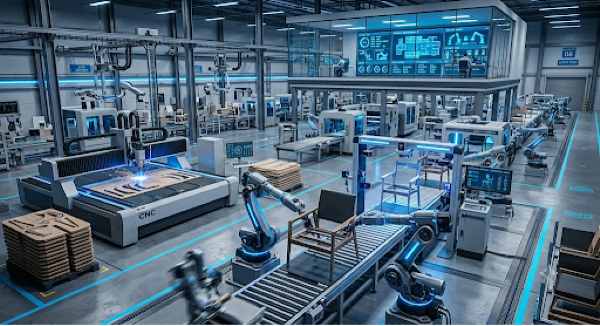
As restaurants modernize their kitchens, many invest in automation, energy-efficient appliances, and smart cooking systems that improve consistency while reducing labor requirements.
One surprising fact is that modern commercial ovens can automatically adjust cooking times and temperatures using built-in sensors, reducing food waste while improving consistency across restaurant locations.
Technology is quietly transforming commercial kitchens into highly automated workplaces.
Food Manufacturers Also Benefit From Restaurant Growth
Many investors immediately think about distributors when discussing restaurant suppliers.
However, food manufacturers also play an important role.
Lamb Weston Holdings (NYSE: LW) supplies frozen potato products that appear on menus around the globe.
French fries may seem simple, but supplying millions of identical servings every day requires enormous production capacity and sophisticated logistics.
Meanwhile, Hormel Foods (NYSE: HRL) produces numerous protein products sold throughout the foodservice industry, while McCormick & Company (NYSE: MKC) supplies seasonings, sauces, and flavor solutions used by restaurants and food manufacturers alike.
These companies benefit whenever restaurants serve more meals, regardless of which chain attracts the customer.
Sometimes the best way to invest in restaurants is to invest in what every restaurant needs.
| Restaurant Supply Segment |
Representative Companies |
Long-Term Growth Driver |
| Food Distribution |
Sysco, US Foods, Performance Food Group |
Restaurant expansion |
| Premium Ingredients |
The Chefs' Warehouse |
Fine dining growth |
| Kitchen Equipment |
Middleby, Illinois Tool Works |
Automation and modernization |
| Food Manufacturing |
Lamb Weston, Hormel Foods |
Rising food consumption |
| Flavor Solutions |
McCormick |
Menu innovation |
Technology Is Reshaping the Restaurant Supply Business
Supplying restaurants used to be largely about trucks and warehouses.
Today, it increasingly resembles a logistics technology business.
Imagine an airport control tower.
Hundreds of flights must arrive at precisely the right gate, at exactly the right time, without disrupting one another.
Restaurant suppliers face a similar challenge every day.
Thousands of deliveries leave distribution centers before dawn, carrying products with different temperature requirements, expiration dates, and customer schedules. A delay in one warehouse can ripple across dozens of restaurant locations before lunch service begins.
Artificial intelligence, predictive analytics, and route optimization software are helping suppliers improve delivery accuracy while reducing fuel costs and food waste.
Digital ordering platforms also allow restaurants to monitor inventory levels, automate purchasing decisions, and forecast demand more accurately.
As technology becomes more deeply integrated into supply chains, operational excellence may become an even larger competitive advantage.
What Risks Should Investors Watch?
No supply chain operates without challenges.
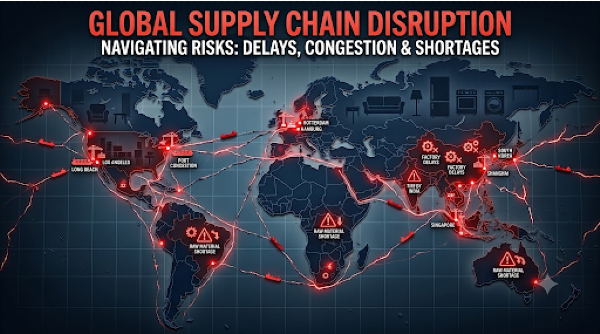
Restaurant suppliers face rising transportation costs, labor shortages, inflation, commodity price swings, and changing consumer preferences.
Food safety remains another critical consideration.
A single contamination event can damage customer relationships and disrupt operations across multiple regions.
Economic slowdowns can also reduce restaurant traffic, particularly for full-service dining.
However, the industry's diversity helps offset some of these risks.
Distributors frequently serve hospitals, schools, hotels, entertainment venues, and institutional customers alongside independent restaurants.
This broad customer mix can soften the impact of weakness in any one segment.
Investors should also monitor debt levels, operating margins, free cash flow, and customer concentration when evaluating restaurant supplier stocks.
Which Restaurant Supplier Stocks Stand Out Heading Into 2026?
The restaurant industry may be built around memorable meals, but behind every successful dining experience is an enormous network of businesses working quietly in the background.
Sysco continues leading the industry through unmatched scale and logistics expertise. US Foods has strengthened its competitive position by becoming a technology-enabled business partner rather than simply a distributor. Performance Food Group continues expanding its reach across multiple foodservice channels, while The Chefs' Warehouse has carved out an attractive niche serving premium restaurants.
Equipment manufacturers like Middleby are benefiting as restaurants modernize their kitchens, while food producers such as Lamb Weston, Hormel Foods, and McCormick participate in millions of meals served every single day.
Another surprising fact is that a single large foodservice distribution center can stock tens of thousands of individual products, allowing one facility to supply thousands of restaurants across an entire region.
For investors, restaurant suppliers represent an opportunity to participate in dining industry growth without relying solely on individual restaurant brands. Whether consumers choose burgers, tacos, pizza, or fine dining, someone still has to deliver the ingredients, maintain the equipment, and keep the kitchens running.
Like the backstage crew supporting a Broadway production, restaurant suppliers rarely receive the standing ovation. Yet without them, the show never begins. For long-term investors seeking businesses with durable demand, recurring customer relationships, and opportunities for operational improvement, these behind-the-scenes companies deserve a place on the watchlist.


















🔑 Key Takeaways
🍽️ Restaurant suppliers are the invisible backbone of the foodservice industry.
While restaurant chains interact directly with customers, suppliers handle the enormous logistics network that delivers food, equipment, beverages, and kitchen essentials. As restaurants grow, their suppliers often grow alongside them.
📈 Distribution, food manufacturing, and commercial kitchen equipment companies each benefit from different industry trends.
Investors can gain exposure to restaurant spending through distributors like Sysco and US Foods, equipment manufacturers such as Middleby, or food producers like Lamb Weston and Hormel Foods.
🚚 Scale creates a significant competitive advantage in restaurant supply.
Large suppliers operate nationwide logistics networks, purchasing billions of dollars of inventory annually. Their size often improves efficiency, lowers costs, and strengthens relationships with restaurant operators.
🏆 Long-term winners are likely to benefit from restaurant expansion, technology adoption, and changing consumer dining habits.
Companies investing in automation, supply chain efficiency, and value-added services may be well positioned as the global foodservice industry continues evolving.
Top Restaurant Supplier Stocks to Watch in 2026
Every Great Restaurant Has an Even Greater Supply Chain
Most diners never think about what happens before the front door opens.
They see the smiling server, the perfectly grilled steak, or the basket of fresh-cut fries arriving at the table. What they rarely see are the delivery trucks pulling into the loading dock before sunrise, the warehouses filled with refrigerated inventory, or the factories producing everything from industrial ovens to frozen potatoes.
That hidden network is where restaurant suppliers live.
Investing in restaurant supplier stocks is a bit like investing in the roads that connect an entire city. The roads rarely receive the attention, but without them, nothing moves. Restaurants cannot serve meals without ingredients, equipment, beverages, packaging, and countless other products arriving on time.
As global dining continues evolving, these behind-the-scenes businesses are becoming increasingly important. Investors looking beyond restaurant chains themselves may discover that many of the industry's most durable opportunities sit quietly in the supply chain.
Why Restaurant Suppliers Often Fly Under the Radar
Restaurant brands usually dominate headlines.
New menu launches, expansion plans, celebrity partnerships, and quarterly sales updates receive constant media attention.
Suppliers rarely enjoy that spotlight.
Yet every successful restaurant depends on dozens of suppliers working together with remarkable precision. Fresh produce, proteins, frozen foods, cleaning supplies, cooking equipment, refrigeration systems, disposable packaging, and beverages all arrive through an intricate distribution network.
It's a little like watching a Broadway performance. The audience applauds the actors on stage, but the production only succeeds because hundreds of people behind the curtain keep everything running smoothly.
Restaurant suppliers play that backstage role for the foodservice industry.
For investors, businesses operating behind the scenes can sometimes offer more predictable demand than the restaurants they serve.
Sysco Continues Setting the Standard
If restaurant distribution had a household name, it would probably be Sysco (NYSE: SYY).
Sysco has built one of the largest foodservice distribution networks in the world. Every day, its fleet delivers fresh foods, frozen products, beverages, paper goods, cleaning supplies, and kitchen essentials to hundreds of thousands of customers.
Scale is Sysco's greatest competitive advantage.
Its purchasing power allows it to negotiate favorable pricing with suppliers, while its nationwide logistics network helps restaurants receive consistent deliveries regardless of location.
The company also benefits from remarkable diversification. Rather than relying on one restaurant chain, Sysco serves independent restaurants, hotels, hospitals, schools, entertainment venues, and institutional customers.
That broad customer base helps reduce dependence on any single market segment.
US Foods Is Quietly Building a Powerful Business
While Sysco often receives the most attention, US Foods (NYSE: USFD) has steadily become one of North America's most important foodservice distributors.
The company's strategy focuses on helping restaurants operate more efficiently.
Beyond delivering food, US Foods provides menu consulting, inventory management tools, digital ordering systems, and operational support that strengthen customer relationships.
This reflects a broader shift across the industry.
Distributors are no longer simply transportation companies.
Increasingly, they function as business partners.
Restaurants value suppliers that save time, reduce waste, and simplify operations just as much as those offering competitive prices.
That evolution could continue creating opportunities for companies that invest in technology alongside logistics.
Performance Food Group Is Expanding Across Multiple Markets
Performance Food Group (NYSE: PFGC) has transformed itself into one of the industry's fastest-growing distributors through a combination of acquisitions and organic expansion.
Unlike many competitors, the company operates across several customer segments, including restaurants, convenience stores, vending operators, and institutional foodservice.
This diversification creates flexibility.
When one market slows, another may continue growing.
Performance Food Group has also demonstrated a willingness to invest aggressively in expanding its distribution network and improving operational efficiency.
For long-term investors, the company represents a compelling example of how consolidation continues reshaping the foodservice distribution industry.
Specialty Suppliers Can Build Strong Competitive Moats
Not every supplier competes on size.
Some compete through specialization.
The Chefs' Warehouse (NASDAQ: CHEF) focuses on supplying premium restaurants with specialty meats, seafood, artisan cheeses, imported ingredients, and gourmet products that larger distributors may not emphasize.
Its customer base often includes upscale restaurants where chefs prioritize quality and unique ingredients over simply finding the lowest price.
This creates an interesting business model.
Rather than trying to serve everyone, the company aims to become indispensable to restaurants seeking premium dining experiences.
Sometimes a carefully curated pantry can become just as valuable as the largest warehouse.
Kitchen Equipment Companies Profit Before the First Meal Is Served
Restaurants cannot operate without kitchens.
Before the first customer ever walks through the door, ovens, fryers, refrigerators, dishwashers, ventilation systems, beverage dispensers, and food preparation equipment must already be in place.
That creates opportunities for manufacturers like The Middleby Corporation (NASDAQ: MIDD).
Middleby designs commercial cooking equipment used by restaurants around the world.
As restaurants modernize their kitchens, many invest in automation, energy-efficient appliances, and smart cooking systems that improve consistency while reducing labor requirements.
One surprising fact is that modern commercial ovens can automatically adjust cooking times and temperatures using built-in sensors, reducing food waste while improving consistency across restaurant locations.
Technology is quietly transforming commercial kitchens into highly automated workplaces.
Food Manufacturers Also Benefit From Restaurant Growth
Many investors immediately think about distributors when discussing restaurant suppliers.
However, food manufacturers also play an important role.
Lamb Weston Holdings (NYSE: LW) supplies frozen potato products that appear on menus around the globe.
French fries may seem simple, but supplying millions of identical servings every day requires enormous production capacity and sophisticated logistics.
Meanwhile, Hormel Foods (NYSE: HRL) produces numerous protein products sold throughout the foodservice industry, while McCormick & Company (NYSE: MKC) supplies seasonings, sauces, and flavor solutions used by restaurants and food manufacturers alike.
These companies benefit whenever restaurants serve more meals, regardless of which chain attracts the customer.
Sometimes the best way to invest in restaurants is to invest in what every restaurant needs.
Technology Is Reshaping the Restaurant Supply Business
Supplying restaurants used to be largely about trucks and warehouses.
Today, it increasingly resembles a logistics technology business.
Imagine an airport control tower.
Hundreds of flights must arrive at precisely the right gate, at exactly the right time, without disrupting one another.
Restaurant suppliers face a similar challenge every day.
Thousands of deliveries leave distribution centers before dawn, carrying products with different temperature requirements, expiration dates, and customer schedules. A delay in one warehouse can ripple across dozens of restaurant locations before lunch service begins.
Artificial intelligence, predictive analytics, and route optimization software are helping suppliers improve delivery accuracy while reducing fuel costs and food waste.
Digital ordering platforms also allow restaurants to monitor inventory levels, automate purchasing decisions, and forecast demand more accurately.
As technology becomes more deeply integrated into supply chains, operational excellence may become an even larger competitive advantage.
What Risks Should Investors Watch?
No supply chain operates without challenges.
Restaurant suppliers face rising transportation costs, labor shortages, inflation, commodity price swings, and changing consumer preferences.
Food safety remains another critical consideration.
A single contamination event can damage customer relationships and disrupt operations across multiple regions.
Economic slowdowns can also reduce restaurant traffic, particularly for full-service dining.
However, the industry's diversity helps offset some of these risks.
Distributors frequently serve hospitals, schools, hotels, entertainment venues, and institutional customers alongside independent restaurants.
This broad customer mix can soften the impact of weakness in any one segment.
Investors should also monitor debt levels, operating margins, free cash flow, and customer concentration when evaluating restaurant supplier stocks.
Which Restaurant Supplier Stocks Stand Out Heading Into 2026?
The restaurant industry may be built around memorable meals, but behind every successful dining experience is an enormous network of businesses working quietly in the background.
Sysco continues leading the industry through unmatched scale and logistics expertise. US Foods has strengthened its competitive position by becoming a technology-enabled business partner rather than simply a distributor. Performance Food Group continues expanding its reach across multiple foodservice channels, while The Chefs' Warehouse has carved out an attractive niche serving premium restaurants.
Equipment manufacturers like Middleby are benefiting as restaurants modernize their kitchens, while food producers such as Lamb Weston, Hormel Foods, and McCormick participate in millions of meals served every single day.
Another surprising fact is that a single large foodservice distribution center can stock tens of thousands of individual products, allowing one facility to supply thousands of restaurants across an entire region.
For investors, restaurant suppliers represent an opportunity to participate in dining industry growth without relying solely on individual restaurant brands. Whether consumers choose burgers, tacos, pizza, or fine dining, someone still has to deliver the ingredients, maintain the equipment, and keep the kitchens running.
Like the backstage crew supporting a Broadway production, restaurant suppliers rarely receive the standing ovation. Yet without them, the show never begins. For long-term investors seeking businesses with durable demand, recurring customer relationships, and opportunities for operational improvement, these behind-the-scenes companies deserve a place on the watchlist.