Inflation's Impact on the Industry
Inflation directly impacts furnishings, fixtures, and appliances manufacturers by increasing costs across the entire production chain. Rising prices for raw materials, labor, energy, and transportation compress gross margins unless companies can successfully pass these costs through to consumers via higher selling prices. The ability to maintain pricing power during inflationary environments separates high-quality businesses from weaker competitors. Companies with strong brands, differentiated products, and limited competition can raise prices without losing customers. Those in commoditized market segments face margin compression and earnings pressure that can persist well beyond the peak of inflationary cycles.
Key Inflation Channels
Raw Material Cost Inflation
Wood, steel, aluminum, copper, plastics, and electronic components are key inputs for this industry. When commodity prices rise, production costs increase significantly. Furniture manufacturers are heavily exposed to lumber price volatility. Appliance makers face steel and semiconductor cost pressures. Long-term supply contracts and forward purchasing arrangements help mitigate some of this risk.
Labor and Energy Cost Inflation
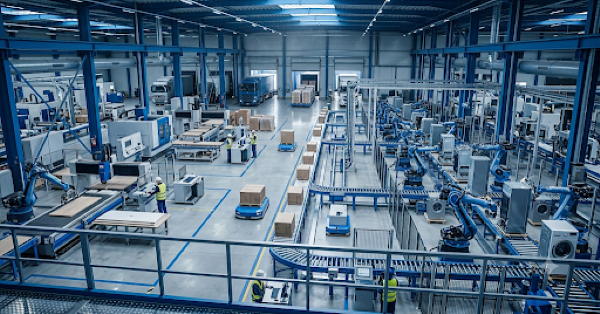
Labor and energy account for significant portions of manufacturing cost. Inflationary pressures in wages, driven by tight labor markets, increase operating expenses. Companies investing in automation and robotics can partially offset labor inflation through productivity gains. Energy cost spikes impact both manufacturing facilities and logistics operations.
Strategies to Mitigate Inflation Risk
Leading companies deploy several strategies to manage inflation: negotiating long-term supplier contracts at fixed prices, diversifying supply chains to access lower-cost inputs, accelerating automation investments, and implementing pricing actions supported by product innovation. Companies that continuously improve product features can justify price increases as value-added upgrades rather than pure inflation pass-throughs.
Conclusion
Inflation is a significant challenge for furnishings, fixtures, and appliances manufacturers. Firms with strong brands, efficient operations, and robust supply chain management are best positioned to protect margins and deliver consistent returns for investors during inflationary periods.

















Inflation's Impact on the Industry
Inflation directly impacts furnishings, fixtures, and appliances manufacturers by increasing costs across the entire production chain. Rising prices for raw materials, labor, energy, and transportation compress gross margins unless companies can successfully pass these costs through to consumers via higher selling prices. The ability to maintain pricing power during inflationary environments separates high-quality businesses from weaker competitors. Companies with strong brands, differentiated products, and limited competition can raise prices without losing customers. Those in commoditized market segments face margin compression and earnings pressure that can persist well beyond the peak of inflationary cycles.
Key Inflation Channels
Raw Material Cost Inflation
Wood, steel, aluminum, copper, plastics, and electronic components are key inputs for this industry. When commodity prices rise, production costs increase significantly. Furniture manufacturers are heavily exposed to lumber price volatility. Appliance makers face steel and semiconductor cost pressures. Long-term supply contracts and forward purchasing arrangements help mitigate some of this risk.
Labor and Energy Cost Inflation
Labor and energy account for significant portions of manufacturing cost. Inflationary pressures in wages, driven by tight labor markets, increase operating expenses. Companies investing in automation and robotics can partially offset labor inflation through productivity gains. Energy cost spikes impact both manufacturing facilities and logistics operations.
Strategies to Mitigate Inflation Risk
Leading companies deploy several strategies to manage inflation: negotiating long-term supplier contracts at fixed prices, diversifying supply chains to access lower-cost inputs, accelerating automation investments, and implementing pricing actions supported by product innovation. Companies that continuously improve product features can justify price increases as value-added upgrades rather than pure inflation pass-throughs.
Conclusion
Inflation is a significant challenge for furnishings, fixtures, and appliances manufacturers. Firms with strong brands, efficient operations, and robust supply chain management are best positioned to protect margins and deliver consistent returns for investors during inflationary periods.