Last updated on July 28th 2026 by Noah Brody
Global Specialty Retail Industry Overview for Investors
🔑 Key Takeaways
🌎 The global specialty retail industry remains one of the largest and most diverse consumer sectors in the world.
Specialty retailers operate across numerous categories, including home improvement, auto parts, beauty, sporting goods, pet products, apparel, and electronics. The industry's diversity provides investors with multiple opportunities across different consumer trends and economic cycles.
📈 Long-term growth is being driven by omnichannel retail, digital transformation, and changing consumer preferences.
Companies that successfully blend physical stores with e-commerce, mobile applications, and personalized shopping experiences are building stronger customer relationships and improving operational efficiency.
💰 Strong brands and niche expertise often create durable competitive advantages.
Specialty retailers frequently develop loyal customer bases, pricing power, and recurring demand because they focus on serving specific consumer needs better than general retailers.
🏆 Investors should focus on profitability, free cash flow, and industry positioning rather than simply chasing revenue growth.
The strongest specialty retail companies often generate healthy cash flow, maintain strong balance sheets, and operate in categories supported by long-term secular trends.
Global Specialty Retail Industry Overview for Investors
The Retail World Is Much Bigger Than the Shopping Mall
When many investors hear the word "retail," they immediately think of department stores or massive online marketplaces.
But specialty retail is an entirely different animal.
Imagine a city.
One shop sells power tools and lumber. Another specializes in cosmetics. One focuses entirely on auto parts. Down the street is a store devoted to pets, sporting goods, or premium electronics.
Each serves a different customer.
Each solves a different problem.
Together, they make up one of the world's largest and most diverse industries.
The global specialty retail industry generates trillions of dollars in annual sales and spans nearly every category of consumer spending. It touches housing, transportation, healthcare, hobbies, personal care, and entertainment.
For investors, specialty retail offers something particularly attractive: choice.
There is no single way to invest in the industry. Instead, investors can target multiple themes, demographics, and long-term consumer trends.
Sometimes the best investment opportunities are not found in one giant retailer. They are scattered across dozens of specialized businesses quietly dominating their niches.
What Exactly Is Specialty Retail?
Specialty retailers focus on specific categories of products rather than trying to sell everything to everyone.
Their expertise becomes their competitive advantage.
A home improvement retailer understands contractors and homeowners.
An auto parts company knows replacement cycles and repair trends.
A beauty retailer understands cosmetics, skincare, and customer preferences.
This focus often allows specialty retailers to provide deeper product assortments, better service, and stronger customer relationships than broad-based retailers.
Examples of major specialty retail categories include:
- Home improvement
- Auto parts
- Beauty and cosmetics
- Sporting goods
- Pet products
- Consumer electronics
- Luxury goods
- Apparel and footwear
- Office supplies
- Hobby and craft products
Each category has its own economic drivers, competitive landscape, and long-term growth opportunities.
This diversity is one reason why specialty retail remains such an attractive investment sector.
Why Specialty Retail Has Proven Surprisingly Durable
At first glance, specialty retail might seem vulnerable to economic changes and e-commerce disruption.
Yet many specialty retailers have shown remarkable resilience.
The reason is simple.
Many products require expertise.
Someone remodeling a kitchen may need guidance.
Someone repairing a vehicle often wants advice.
A customer purchasing skincare products may appreciate recommendations.
Specialty retailers frequently become trusted destinations rather than simple stores.
This creates customer loyalty.
Loyal customers often spend more, return more frequently, and are less likely to switch competitors.
Strong customer relationships can produce durable revenue streams and healthy profit margins.
Sometimes expertise becomes a competitive moat.
The Industry Is Massive and Continues Growing
The specialty retail industry spans nearly every developed and emerging economy.
Consumer spending continues expanding globally as populations grow, incomes rise, and digital commerce becomes increasingly accessible.
Several long-term trends continue supporting industry growth:
- Urbanization
- Rising disposable income
- Expanding middle classes
- E-commerce adoption
- Aging populations
- Increasing pet ownership
- Home renovation activity
- Demand for personalized products
One surprising fact is that global consumer spending has continued growing for decades despite multiple recessions, financial crises, and geopolitical events.
People may change what they buy.
They rarely stop buying altogether.
This resilience helps explain why many specialty retail businesses have endured for generations.
| Major Specialty Retail Segment |
Key Demand Driver |
Examples of Leading Companies |
| Home Improvement |
Housing maintenance and renovation |
Home Depot, Lowe's |
| Auto Parts |
Aging vehicle fleet |
AutoZone, O'Reilly Automotive |
| Beauty |
Repeat purchases and personal care |
Ulta Beauty, Sally Beauty |
| Off-Price Retail |
Value-focused shopping |
TJX Companies, Ross Stores |
| Pet Products |
Humanization of pets |
Chewy, Petco |
| Sporting Goods |
Health and recreational trends |
Dick's Sporting Goods, Academy Sports |
Why Omnichannel Retail Has Changed the Industry Forever
The old retail model was simple.
Build stores.
Wait for customers.
Sell products.
That model no longer works.
Today's consumers expect flexibility.
They want to browse online, compare prices on mobile devices, and pick up products in stores.
The strongest specialty retailers have adapted.
They have become omnichannel businesses.
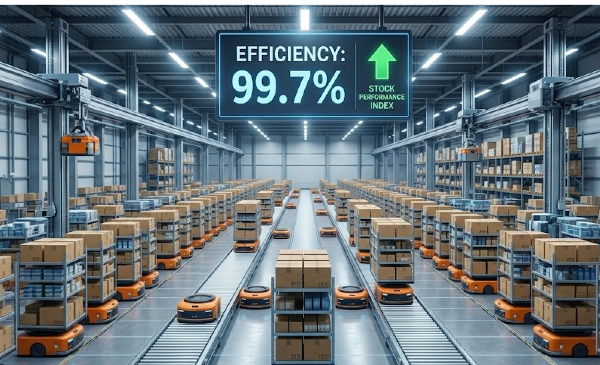
Physical stores now function as fulfillment centers, pickup locations, and customer experience hubs.
Mobile applications provide convenience and personalized recommendations.
Digital investments improve inventory management and customer engagement.
The line between e-commerce and brick-and-mortar retail has become increasingly blurry.
The winners are learning to operate in both worlds simultaneously.
Technology Is Creating New Competitive Advantages
Retail may appear simple on the surface.
But behind the scenes, modern specialty retail increasingly resembles a technology business.
Artificial intelligence predicts demand patterns.
Data analytics personalize recommendations.
Automation improves inventory management.
Digital marketing enhances customer acquisition.
Even simple features like mobile loyalty programs can significantly increase customer retention.
Some retailers now use predictive analytics to determine which products should be stocked in specific stores weeks before customer demand materializes.
Technology is no longer an optional enhancement.
It has become a strategic necessity.
Retailers that invest successfully in technology often improve margins and strengthen competitive positions.
Those that lag behind risk losing relevance.
Why Certain Specialty Retail Categories Look Particularly Attractive
Not every retail category offers the same opportunities.
Some segments benefit from exceptionally favorable long-term trends.
Home Improvement
Aging housing stock and ongoing renovation demand support long-term growth.
Auto Parts
Vehicles are remaining on the road longer, increasing demand for replacement parts.
Beauty
Repeat purchasing behavior and strong customer engagement create recurring revenue opportunities.
Pet Products
Consumers increasingly view pet spending as essential rather than discretionary.
Off-Price Retail
Value-focused shopping remains attractive across multiple economic environments.
The beauty of specialty retail is that investors can target specific trends rather than making broad bets on the entire retail industry.
| Long-Term Trend |
Beneficiary Category |
| Aging Homes |
Home Improvement |
| Older Vehicles |
Auto Parts |
| Premium Self-Care |
Beauty |
| Rising Pet Ownership |
Pet Products |
| Inflation and Value Shopping |
Off-Price Retail |
| Health and Wellness |
Sporting Goods |
The Industry Still Faces Important Risks
No sector is immune from challenges.
Specialty retail companies face numerous risks:
- Economic slowdowns
- Inflation
- Supply chain disruptions
- Labor shortages
- Competitive pressures
- Tariffs and trade restrictions
- Technological disruption
- Changing consumer preferences
Consumer behavior can change quickly.
A popular category can suddenly lose momentum.
Costs can rise unexpectedly.
New competitors can emerge.
One fascinating reality about retail is that consumer preferences often evolve faster than corporate planning cycles.
The retailers that adapt quickly frequently gain market share from slower competitors.
Adaptability may be one of the industry's most important characteristics.
Why Financial Strength Matters So Much in Specialty Retail
Retail is competitive.
Margins can fluctuate.
Consumer demand can shift.
Financial strength provides flexibility.
Companies with healthy balance sheets can continue investing during difficult periods.
They can improve stores, upgrade technology, expand distribution capabilities, and acquire competitors.
Meanwhile, financially weaker retailers may be forced to reduce spending.
This difference often determines who gains market share during economic downturns.
Investors should pay close attention to:
- Free cash flow generation
- Debt levels
- Operating margins
- Return on invested capital
- Inventory management
- Capital allocation discipline
A retailer with strong finances often has more strategic options than one operating under financial constraints.
What Should Investors Watch Going Forward?
The global specialty retail industry continues evolving.
Artificial intelligence will increasingly shape inventory management and personalization.
E-commerce and physical stores will become even more integrated.
Customer expectations for convenience and speed will continue rising.
International growth opportunities remain significant in many emerging markets.
Another surprising fact is that many of the world's largest specialty retailers now generate meaningful portions of their sales through digital channels that barely existed twenty years ago.
The industry has repeatedly proven its ability to adapt.
That adaptability may remain its greatest strength.
Why Specialty Retail May Continue Rewarding Long-Term Investors
Specialty retail is not the market's flashiest sector.
It rarely dominates financial headlines.
Yet the industry quietly benefits from some of the most persistent forces in consumer behavior.
People maintain homes.
They repair vehicles.
They buy beauty products.
They care for pets.
They pursue hobbies and interests.
These activities create recurring demand that supports thousands of businesses around the world.
The strongest specialty retailers combine brand loyalty, expertise, financial discipline, and technological innovation.
They build relationships rather than simply completing transactions.
For investors, this creates a broad universe of opportunities.
Some companies offer stability.
Others provide growth.
Some benefit from defensive spending patterns, while others ride emerging consumer trends.
The global specialty retail industry may not always attract the spotlight.
But sometimes the businesses quietly serving everyday needs turn out to be some of the market's most durable long-term investments.
🚀 Expand Your Edge: Elite Specialty Retail Stock Intelligence
Looking for the next standout retail investment? Our Specialty Retail Investor Intelligence Hub brings together comprehensive research covering industry fundamentals, market leaders, financial quality, valuation, digital transformation, consumer trends, and long-term growth opportunities. Whether you're identifying market-leading retailers or evaluating emerging investment themes, explore the curated resources below to strengthen your investment research.
🏬 Industry Fundamentals & Market Overview
📊 Financial Strength & Business Quality
💵 Dividends, Valuation & Investor Returns
🤖 Technology, AI & Omnichannel Retail
🌍 Consumer Trends & Growth Opportunities
⚠️ Risk Management & Economic Outlook




















Last updated on July 28th 2026 by Noah Brody
Global Specialty Retail Industry Overview for Investors
🔑 Key Takeaways
🌎 The global specialty retail industry remains one of the largest and most diverse consumer sectors in the world.
Specialty retailers operate across numerous categories, including home improvement, auto parts, beauty, sporting goods, pet products, apparel, and electronics. The industry's diversity provides investors with multiple opportunities across different consumer trends and economic cycles.
📈 Long-term growth is being driven by omnichannel retail, digital transformation, and changing consumer preferences.
Companies that successfully blend physical stores with e-commerce, mobile applications, and personalized shopping experiences are building stronger customer relationships and improving operational efficiency.
💰 Strong brands and niche expertise often create durable competitive advantages.
Specialty retailers frequently develop loyal customer bases, pricing power, and recurring demand because they focus on serving specific consumer needs better than general retailers.
🏆 Investors should focus on profitability, free cash flow, and industry positioning rather than simply chasing revenue growth.
The strongest specialty retail companies often generate healthy cash flow, maintain strong balance sheets, and operate in categories supported by long-term secular trends.
Global Specialty Retail Industry Overview for Investors
The Retail World Is Much Bigger Than the Shopping Mall
When many investors hear the word "retail," they immediately think of department stores or massive online marketplaces.
But specialty retail is an entirely different animal.
Imagine a city.
One shop sells power tools and lumber. Another specializes in cosmetics. One focuses entirely on auto parts. Down the street is a store devoted to pets, sporting goods, or premium electronics.
Each serves a different customer.
Each solves a different problem.
Together, they make up one of the world's largest and most diverse industries.
The global specialty retail industry generates trillions of dollars in annual sales and spans nearly every category of consumer spending. It touches housing, transportation, healthcare, hobbies, personal care, and entertainment.
For investors, specialty retail offers something particularly attractive: choice.
There is no single way to invest in the industry. Instead, investors can target multiple themes, demographics, and long-term consumer trends.
Sometimes the best investment opportunities are not found in one giant retailer. They are scattered across dozens of specialized businesses quietly dominating their niches.
What Exactly Is Specialty Retail?
Specialty retailers focus on specific categories of products rather than trying to sell everything to everyone.
Their expertise becomes their competitive advantage.
A home improvement retailer understands contractors and homeowners.
An auto parts company knows replacement cycles and repair trends.
A beauty retailer understands cosmetics, skincare, and customer preferences.
This focus often allows specialty retailers to provide deeper product assortments, better service, and stronger customer relationships than broad-based retailers.
Examples of major specialty retail categories include:
Each category has its own economic drivers, competitive landscape, and long-term growth opportunities.
This diversity is one reason why specialty retail remains such an attractive investment sector.
Why Specialty Retail Has Proven Surprisingly Durable
At first glance, specialty retail might seem vulnerable to economic changes and e-commerce disruption.
Yet many specialty retailers have shown remarkable resilience.
The reason is simple.
Many products require expertise.
Someone remodeling a kitchen may need guidance.
Someone repairing a vehicle often wants advice.
A customer purchasing skincare products may appreciate recommendations.
Specialty retailers frequently become trusted destinations rather than simple stores.
This creates customer loyalty.
Loyal customers often spend more, return more frequently, and are less likely to switch competitors.
Strong customer relationships can produce durable revenue streams and healthy profit margins.
Sometimes expertise becomes a competitive moat.
The Industry Is Massive and Continues Growing
The specialty retail industry spans nearly every developed and emerging economy.
Consumer spending continues expanding globally as populations grow, incomes rise, and digital commerce becomes increasingly accessible.
Several long-term trends continue supporting industry growth:
One surprising fact is that global consumer spending has continued growing for decades despite multiple recessions, financial crises, and geopolitical events.
People may change what they buy.
They rarely stop buying altogether.
This resilience helps explain why many specialty retail businesses have endured for generations.
Why Omnichannel Retail Has Changed the Industry Forever
The old retail model was simple.
Build stores.
Wait for customers.
Sell products.
That model no longer works.
Today's consumers expect flexibility.
They want to browse online, compare prices on mobile devices, and pick up products in stores.
The strongest specialty retailers have adapted.
They have become omnichannel businesses.
Physical stores now function as fulfillment centers, pickup locations, and customer experience hubs.
Mobile applications provide convenience and personalized recommendations.
Digital investments improve inventory management and customer engagement.
The line between e-commerce and brick-and-mortar retail has become increasingly blurry.
The winners are learning to operate in both worlds simultaneously.
Technology Is Creating New Competitive Advantages
Retail may appear simple on the surface.
But behind the scenes, modern specialty retail increasingly resembles a technology business.
Artificial intelligence predicts demand patterns.
Data analytics personalize recommendations.
Automation improves inventory management.
Digital marketing enhances customer acquisition.
Even simple features like mobile loyalty programs can significantly increase customer retention.
Some retailers now use predictive analytics to determine which products should be stocked in specific stores weeks before customer demand materializes.
Technology is no longer an optional enhancement.
It has become a strategic necessity.
Retailers that invest successfully in technology often improve margins and strengthen competitive positions.
Those that lag behind risk losing relevance.
Why Certain Specialty Retail Categories Look Particularly Attractive
Not every retail category offers the same opportunities.
Some segments benefit from exceptionally favorable long-term trends.
Home Improvement
Aging housing stock and ongoing renovation demand support long-term growth.
Auto Parts
Vehicles are remaining on the road longer, increasing demand for replacement parts.
Beauty
Repeat purchasing behavior and strong customer engagement create recurring revenue opportunities.
Pet Products
Consumers increasingly view pet spending as essential rather than discretionary.
Off-Price Retail
Value-focused shopping remains attractive across multiple economic environments.
The beauty of specialty retail is that investors can target specific trends rather than making broad bets on the entire retail industry.
The Industry Still Faces Important Risks
No sector is immune from challenges.
Specialty retail companies face numerous risks:
Consumer behavior can change quickly.
A popular category can suddenly lose momentum.
Costs can rise unexpectedly.
New competitors can emerge.
One fascinating reality about retail is that consumer preferences often evolve faster than corporate planning cycles.
The retailers that adapt quickly frequently gain market share from slower competitors.
Adaptability may be one of the industry's most important characteristics.
Why Financial Strength Matters So Much in Specialty Retail
Retail is competitive.
Margins can fluctuate.
Consumer demand can shift.
Financial strength provides flexibility.
Companies with healthy balance sheets can continue investing during difficult periods.
They can improve stores, upgrade technology, expand distribution capabilities, and acquire competitors.
Meanwhile, financially weaker retailers may be forced to reduce spending.
This difference often determines who gains market share during economic downturns.
Investors should pay close attention to:
A retailer with strong finances often has more strategic options than one operating under financial constraints.
What Should Investors Watch Going Forward?
The global specialty retail industry continues evolving.
Artificial intelligence will increasingly shape inventory management and personalization.
E-commerce and physical stores will become even more integrated.
Customer expectations for convenience and speed will continue rising.
International growth opportunities remain significant in many emerging markets.
Another surprising fact is that many of the world's largest specialty retailers now generate meaningful portions of their sales through digital channels that barely existed twenty years ago.
The industry has repeatedly proven its ability to adapt.
That adaptability may remain its greatest strength.
Why Specialty Retail May Continue Rewarding Long-Term Investors
Specialty retail is not the market's flashiest sector.
It rarely dominates financial headlines.
Yet the industry quietly benefits from some of the most persistent forces in consumer behavior.
People maintain homes.
They repair vehicles.
They buy beauty products.
They care for pets.
They pursue hobbies and interests.
These activities create recurring demand that supports thousands of businesses around the world.
The strongest specialty retailers combine brand loyalty, expertise, financial discipline, and technological innovation.
They build relationships rather than simply completing transactions.
For investors, this creates a broad universe of opportunities.
Some companies offer stability.
Others provide growth.
Some benefit from defensive spending patterns, while others ride emerging consumer trends.
The global specialty retail industry may not always attract the spotlight.
But sometimes the businesses quietly serving everyday needs turn out to be some of the market's most durable long-term investments.
🚀 Expand Your Edge: Elite Specialty Retail Stock Intelligence
Looking for the next standout retail investment? Our Specialty Retail Investor Intelligence Hub brings together comprehensive research covering industry fundamentals, market leaders, financial quality, valuation, digital transformation, consumer trends, and long-term growth opportunities. Whether you're identifying market-leading retailers or evaluating emerging investment themes, explore the curated resources below to strengthen your investment research.
🏬 Industry Fundamentals & Market Overview
📊 Financial Strength & Business Quality
💵 Dividends, Valuation & Investor Returns
🤖 Technology, AI & Omnichannel Retail
🌍 Consumer Trends & Growth Opportunities
⚠️ Risk Management & Economic Outlook