Last updated on July 1st 2026 by Noah Brody
🔑 Key Takeaways
⚠️ Slowing consumer spending remains one of the biggest threats to internet retail stocks
E-commerce companies depend heavily on discretionary spending. Inflation, economic slowdowns, and weaker consumer confidence can reduce online purchases and pressure revenue growth.
🚚 Rising logistics and fulfillment costs can squeeze profit margins
Shipping expenses, warehouse investments, and last-mile delivery costs continue to challenge internet retailers. Companies that fail to manage these costs efficiently may struggle to maintain profitability.
🌎 Competition and market saturation are becoming more intense
Large retailers are battling for market share while smaller competitors and global marketplaces continue to emerge. Higher customer acquisition costs can make growth increasingly expensive.
🤖 Technology disruption creates both opportunities and risks
Artificial intelligence, cybersecurity threats, and changing consumer behaviors are reshaping the industry. Companies that adapt slowly risk falling behind more innovative competitors.
Biggest Risks Facing Internet Retail Stocks Today
The E-Commerce Story Is Not Without Potholes
For more than two decades, internet retail stocks have been among the market's biggest growth stories.
Consumers embraced online shopping. Smartphones changed buying habits. Digital payments became common. Logistics networks grew faster and smarter.
The result was extraordinary growth.
Yet even the strongest growth stories face challenges.
Internet retail companies operate in a rapidly changing environment where economic conditions, technology shifts, and consumer behavior can change quickly. What looks like a durable competitive advantage today can become less impressive tomorrow.
For investors, understanding the risks facing internet retail stocks is just as important as understanding their growth opportunities.
Even great companies can struggle if major headwinds begin blowing in the wrong direction.
Why Consumer Spending Can Make or Break E-Commerce Stocks
Online retail ultimately depends on one thing.
People must keep buying products.
That may sound obvious, but it is incredibly important.
When consumers feel confident about their finances, they tend to spend more freely. They upgrade electronics, buy clothing, furnish homes, and make discretionary purchases online.
During economic uncertainty, behavior changes.
Families may postpone large purchases and focus more heavily on necessities.
This shift can slow revenue growth for many e-commerce companies.
Even industry leaders can experience softer demand when consumer spending weakens.
The internet may have changed where people shop, but it has not changed the fact that retail spending remains tied closely to economic conditions. Investors looking deeper into this relationship should also read How Economic Slowdowns Affect Online Retail Companies.
Inflation Can Create a Double Headache
Inflation creates problems from multiple directions.
Consumers face higher costs for food, housing, and energy. That can reduce disposable income available for online purchases.
At the same time, retailers often face higher operating expenses.
Packaging costs can rise.
Transportation expenses can increase.
Labor costs may move higher.
This combination creates pressure on both sales and profit margins.
Some companies can pass higher costs to customers.
Others cannot.
The ability to maintain pricing power during inflationary periods often separates stronger businesses from weaker ones.
Investors should pay close attention to how management teams handle cost pressures.
Logistics Costs Are Still a Major Challenge
Fast shipping has become an expectation.
Unfortunately, fast shipping is not free.
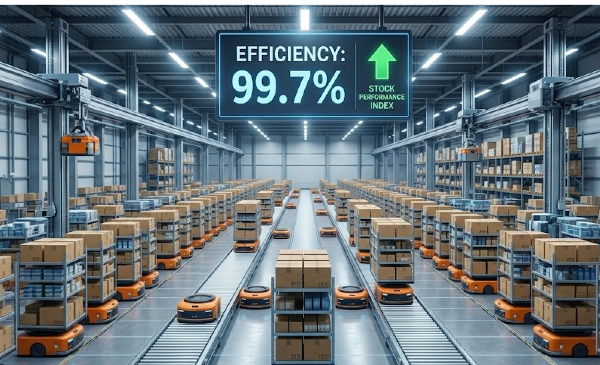
Warehouses, fulfillment centers, transportation networks, and delivery systems require massive investments.
Companies continue spending billions of dollars to improve delivery speed and reliability.
Those investments can pressure profitability.
Shipping costs also fluctuate with fuel prices, labor markets, and transportation demand.
A retailer may experience strong revenue growth while simultaneously seeing margins shrink due to higher logistics expenses.
| Cost Pressure |
Potential Impact |
| Higher Fuel Prices |
Increased shipping costs |
| Wage Inflation |
Rising labor expenses |
| Warehouse Expansion |
Higher capital spending |
| Delivery Investments |
Margin pressure |
| Supply Chain Disruptions |
Reduced efficiency |
The fastest delivery network is not always the most profitable one.
Competition Never Sleeps
Success attracts competitors.
The internet retail industry has become increasingly crowded.
Large marketplaces compete with smaller specialists.
Traditional retailers continue expanding their online operations.
International competitors enter new markets.
The battle for customers remains intense.
Companies often spend heavily on advertising, promotions, and customer acquisition initiatives.
These costs can erode profitability.
Winning new customers also becomes more difficult as markets mature.
In some regions, e-commerce penetration has reached relatively high levels.
Future growth increasingly depends on taking market share from competitors rather than simply attracting first-time online shoppers.
That can become expensive.
Customer Acquisition Costs Keep Rising
Getting customers through the digital door has become harder.
Online advertising has become increasingly competitive.
Search engines and social media platforms often charge higher prices for valuable advertising placements.
Companies may need to spend more money just to maintain existing growth rates.
This can hurt margins.
Smaller retailers may face even greater challenges because they often lack the scale advantages enjoyed by larger competitors.
One interesting industry development is that some retailers now spend more acquiring a new customer than they did just a few years ago, forcing greater focus on repeat purchases and loyalty programs.
Retaining existing customers is becoming just as important as finding new ones.
Technology Changes Quickly
Technology drives e-commerce growth.
It also creates risks.
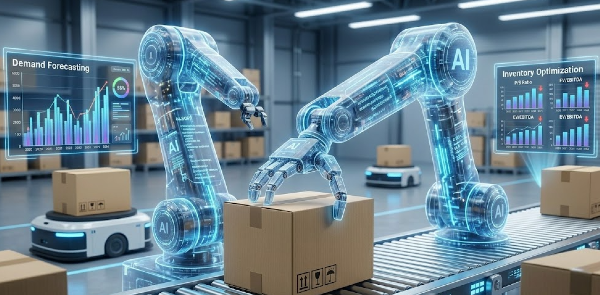
Artificial intelligence, automation, and mobile commerce continue transforming the industry.
Companies that adapt quickly may gain competitive advantages.
Those that move too slowly can fall behind.
Technological transitions often require significant investment.
New software platforms, warehouse automation systems, and AI capabilities can be expensive to implement.
There is also execution risk.
Not every technology investment produces strong returns.
Investors should evaluate whether companies are making disciplined investments that improve long-term competitiveness. Many of these investments are explored in How AI Is Transforming Internet Retail Companies.
Cybersecurity Threats Continue Growing
Internet retail companies manage enormous amounts of information.
Customer data, payment information, and transaction records all require protection.
This makes retailers attractive targets for cybercriminals.
A major security incident can damage customer trust and create financial liabilities.
Recovery costs can be substantial.
Regulatory scrutiny may increase.
Reputational damage can linger for years.
As digital commerce grows, cybersecurity is becoming a boardroom issue rather than merely an information technology concern.
Companies that fail to invest adequately in security may expose themselves to significant risks.
| Cybersecurity Risk |
Potential Consequence |
| Data Breach |
Customer distrust |
| Service Outage |
Lost revenue |
| Ransomware Attack |
Operational disruption |
| Regulatory Penalties |
Financial costs |
| Reputation Damage |
Customer attrition |
Trust remains one of the most valuable assets in online retail.
Supply Chains Remain Vulnerable
The past several years reminded investors that supply chains can be fragile.
Transportation bottlenecks, factory shutdowns, geopolitical tensions, and extreme weather events can all disrupt product availability.
When products cannot reach customers, revenue opportunities disappear.
Inventory shortages can also damage customer relationships.
Consumers may simply shop elsewhere.
Global supply chains are incredibly efficient under normal conditions.
However, unexpected disruptions can reveal vulnerabilities quickly.
Retailers increasingly seek diversification and resilience to reduce these risks.
Building more flexible supply chains may improve long-term stability, even if doing so increases costs.
Regulation Could Become More Challenging
Internet retail companies operate across multiple jurisdictions.
Each market may have different rules regarding data privacy, competition, taxation, and consumer protection.
Regulations continue evolving.
Governments around the world are paying increasing attention to large technology platforms and digital marketplaces.
New regulations can increase compliance costs and limit strategic flexibility.
Cross-border commerce may also become more complicated as trade policies change.
Investors should remember that regulatory risk often develops gradually and then suddenly becomes important.
Companies with strong compliance capabilities may be better positioned to navigate evolving legal environments.
Market Saturation Could Slow Growth
The early days of e-commerce felt like an open highway.
Millions of consumers were coming online for the first time.
Growth rates appeared almost limitless.
Today, many mature markets look different.
A large percentage of consumers already shop online.
This does not mean growth is ending.
It simply means growth may become harder to achieve.
Companies increasingly need to find new markets, launch additional services, or improve customer retention to sustain expansion.
A fascinating trend is that some of the fastest-growing e-commerce companies now generate a large share of their new customer growth from emerging markets rather than their original home countries.
International expansion may become increasingly important as domestic markets mature.
The Biggest Risk May Be Complacency
The internet retail industry changes constantly.
Consumer expectations evolve.
Technology advances.
Competitive landscapes shift.
The companies that lead today may not automatically lead tomorrow.
Amazon, Alibaba, MercadoLibre, Shopify, Sea Limited, and other major players all face meaningful risks despite their strengths.
Economic slowdowns, rising costs, cybersecurity threats, regulatory pressures, and intense competition could all affect future performance.
Yet risk and opportunity often travel together.
The companies that successfully navigate these challenges may strengthen their competitive positions and emerge even stronger.
For investors, understanding these risks is not a reason to avoid internet retail stocks.
It is a reminder that even in one of the world's most dynamic industries, long-term success requires adaptation, discipline, and constant innovation.
The road ahead for internet retail remains promising, but it is unlikely to be free of speed bumps.
🚀 Expand Your Edge: Elite Internet Retail & E-Commerce Intelligence
Ready to capitalize on the future of digital commerce? Our Internet Retail Investor Intelligence Hub is designed to help investors analyze the companies, technologies, and trends reshaping global shopping. From foundational industry research and stock selection to AI, logistics, valuation, and international growth, explore the curated silos below to uncover your next investment opportunity.
🌐 Industry Fundamentals & Market Leaders
📊 Financial Strength & Shareholder Returns
🤖 Technology, AI & Digital Transformation
🚚 Logistics, Fulfillment & Supply Chain Intelligence
🌍 Global Expansion & Market Opportunities
⚠️ Risk Management & Economic Trends
🔍 Competitive Analysis & Advanced Research

















Last updated on July 1st 2026 by Noah Brody
🔑 Key Takeaways
⚠️ Slowing consumer spending remains one of the biggest threats to internet retail stocks
E-commerce companies depend heavily on discretionary spending. Inflation, economic slowdowns, and weaker consumer confidence can reduce online purchases and pressure revenue growth.
🚚 Rising logistics and fulfillment costs can squeeze profit margins
Shipping expenses, warehouse investments, and last-mile delivery costs continue to challenge internet retailers. Companies that fail to manage these costs efficiently may struggle to maintain profitability.
🌎 Competition and market saturation are becoming more intense
Large retailers are battling for market share while smaller competitors and global marketplaces continue to emerge. Higher customer acquisition costs can make growth increasingly expensive.
🤖 Technology disruption creates both opportunities and risks
Artificial intelligence, cybersecurity threats, and changing consumer behaviors are reshaping the industry. Companies that adapt slowly risk falling behind more innovative competitors.
Biggest Risks Facing Internet Retail Stocks Today
The E-Commerce Story Is Not Without Potholes
For more than two decades, internet retail stocks have been among the market's biggest growth stories.
Consumers embraced online shopping. Smartphones changed buying habits. Digital payments became common. Logistics networks grew faster and smarter.
The result was extraordinary growth.
Yet even the strongest growth stories face challenges.
Internet retail companies operate in a rapidly changing environment where economic conditions, technology shifts, and consumer behavior can change quickly. What looks like a durable competitive advantage today can become less impressive tomorrow.
For investors, understanding the risks facing internet retail stocks is just as important as understanding their growth opportunities.
Even great companies can struggle if major headwinds begin blowing in the wrong direction.
Why Consumer Spending Can Make or Break E-Commerce Stocks
Online retail ultimately depends on one thing.
People must keep buying products.
That may sound obvious, but it is incredibly important.
When consumers feel confident about their finances, they tend to spend more freely. They upgrade electronics, buy clothing, furnish homes, and make discretionary purchases online.
During economic uncertainty, behavior changes.
Families may postpone large purchases and focus more heavily on necessities.
This shift can slow revenue growth for many e-commerce companies.
Even industry leaders can experience softer demand when consumer spending weakens.
The internet may have changed where people shop, but it has not changed the fact that retail spending remains tied closely to economic conditions. Investors looking deeper into this relationship should also read How Economic Slowdowns Affect Online Retail Companies.
Inflation Can Create a Double Headache
Inflation creates problems from multiple directions.
Consumers face higher costs for food, housing, and energy. That can reduce disposable income available for online purchases.
At the same time, retailers often face higher operating expenses.
Packaging costs can rise.
Transportation expenses can increase.
Labor costs may move higher.
This combination creates pressure on both sales and profit margins.
Some companies can pass higher costs to customers.
Others cannot.
The ability to maintain pricing power during inflationary periods often separates stronger businesses from weaker ones.
Investors should pay close attention to how management teams handle cost pressures.
Logistics Costs Are Still a Major Challenge
Fast shipping has become an expectation.
Unfortunately, fast shipping is not free.
Warehouses, fulfillment centers, transportation networks, and delivery systems require massive investments.
Companies continue spending billions of dollars to improve delivery speed and reliability.
Those investments can pressure profitability.
Shipping costs also fluctuate with fuel prices, labor markets, and transportation demand.
A retailer may experience strong revenue growth while simultaneously seeing margins shrink due to higher logistics expenses.
The fastest delivery network is not always the most profitable one.
Competition Never Sleeps
Success attracts competitors.
The internet retail industry has become increasingly crowded.
Large marketplaces compete with smaller specialists.
Traditional retailers continue expanding their online operations.
International competitors enter new markets.
The battle for customers remains intense.
Companies often spend heavily on advertising, promotions, and customer acquisition initiatives.
These costs can erode profitability.
Winning new customers also becomes more difficult as markets mature.
In some regions, e-commerce penetration has reached relatively high levels.
Future growth increasingly depends on taking market share from competitors rather than simply attracting first-time online shoppers.
That can become expensive.
Customer Acquisition Costs Keep Rising
Getting customers through the digital door has become harder.
Online advertising has become increasingly competitive.
Search engines and social media platforms often charge higher prices for valuable advertising placements.
Companies may need to spend more money just to maintain existing growth rates.
This can hurt margins.
Smaller retailers may face even greater challenges because they often lack the scale advantages enjoyed by larger competitors.
One interesting industry development is that some retailers now spend more acquiring a new customer than they did just a few years ago, forcing greater focus on repeat purchases and loyalty programs.
Retaining existing customers is becoming just as important as finding new ones.
Technology Changes Quickly
Technology drives e-commerce growth.
It also creates risks.
Artificial intelligence, automation, and mobile commerce continue transforming the industry.
Companies that adapt quickly may gain competitive advantages.
Those that move too slowly can fall behind.
Technological transitions often require significant investment.
New software platforms, warehouse automation systems, and AI capabilities can be expensive to implement.
There is also execution risk.
Not every technology investment produces strong returns.
Investors should evaluate whether companies are making disciplined investments that improve long-term competitiveness. Many of these investments are explored in How AI Is Transforming Internet Retail Companies.
Cybersecurity Threats Continue Growing
Internet retail companies manage enormous amounts of information.
Customer data, payment information, and transaction records all require protection.
This makes retailers attractive targets for cybercriminals.
A major security incident can damage customer trust and create financial liabilities.
Recovery costs can be substantial.
Regulatory scrutiny may increase.
Reputational damage can linger for years.
As digital commerce grows, cybersecurity is becoming a boardroom issue rather than merely an information technology concern.
Companies that fail to invest adequately in security may expose themselves to significant risks.
Trust remains one of the most valuable assets in online retail.
Supply Chains Remain Vulnerable
The past several years reminded investors that supply chains can be fragile.
Transportation bottlenecks, factory shutdowns, geopolitical tensions, and extreme weather events can all disrupt product availability.
When products cannot reach customers, revenue opportunities disappear.
Inventory shortages can also damage customer relationships.
Consumers may simply shop elsewhere.
Global supply chains are incredibly efficient under normal conditions.
However, unexpected disruptions can reveal vulnerabilities quickly.
Retailers increasingly seek diversification and resilience to reduce these risks.
Building more flexible supply chains may improve long-term stability, even if doing so increases costs.
Regulation Could Become More Challenging
Internet retail companies operate across multiple jurisdictions.
Each market may have different rules regarding data privacy, competition, taxation, and consumer protection.
Regulations continue evolving.
Governments around the world are paying increasing attention to large technology platforms and digital marketplaces.
New regulations can increase compliance costs and limit strategic flexibility.
Cross-border commerce may also become more complicated as trade policies change.
Investors should remember that regulatory risk often develops gradually and then suddenly becomes important.
Companies with strong compliance capabilities may be better positioned to navigate evolving legal environments.
Market Saturation Could Slow Growth
The early days of e-commerce felt like an open highway.
Millions of consumers were coming online for the first time.
Growth rates appeared almost limitless.
Today, many mature markets look different.
A large percentage of consumers already shop online.
This does not mean growth is ending.
It simply means growth may become harder to achieve.
Companies increasingly need to find new markets, launch additional services, or improve customer retention to sustain expansion.
A fascinating trend is that some of the fastest-growing e-commerce companies now generate a large share of their new customer growth from emerging markets rather than their original home countries.
International expansion may become increasingly important as domestic markets mature.
The Biggest Risk May Be Complacency
The internet retail industry changes constantly.
Consumer expectations evolve.
Technology advances.
Competitive landscapes shift.
The companies that lead today may not automatically lead tomorrow.
Amazon, Alibaba, MercadoLibre, Shopify, Sea Limited, and other major players all face meaningful risks despite their strengths.
Economic slowdowns, rising costs, cybersecurity threats, regulatory pressures, and intense competition could all affect future performance.
Yet risk and opportunity often travel together.
The companies that successfully navigate these challenges may strengthen their competitive positions and emerge even stronger.
For investors, understanding these risks is not a reason to avoid internet retail stocks.
It is a reminder that even in one of the world's most dynamic industries, long-term success requires adaptation, discipline, and constant innovation.
The road ahead for internet retail remains promising, but it is unlikely to be free of speed bumps.
🚀 Expand Your Edge: Elite Internet Retail & E-Commerce Intelligence
Ready to capitalize on the future of digital commerce? Our Internet Retail Investor Intelligence Hub is designed to help investors analyze the companies, technologies, and trends reshaping global shopping. From foundational industry research and stock selection to AI, logistics, valuation, and international growth, explore the curated silos below to uncover your next investment opportunity.
🌐 Industry Fundamentals & Market Leaders
📊 Financial Strength & Shareholder Returns
🤖 Technology, AI & Digital Transformation
🚚 Logistics, Fulfillment & Supply Chain Intelligence
🌍 Global Expansion & Market Opportunities
⚠️ Risk Management & Economic Trends
🔍 Competitive Analysis & Advanced Research