Last updated on July 28th 2026 by Noah Brody
🔑 Key Takeaways
💵 Specialty retailers make money by focusing on specific product categories and building expertise that keeps customers coming back.
Unlike general retailers that sell almost everything, specialty retailers often dominate niche markets such as home improvement, auto parts, beauty, sporting goods, and pet products. Their specialized knowledge and product selection can create loyal customer bases and pricing power.
🛍️ Multiple revenue streams help many specialty retailers grow profits.
Beyond product sales, many companies generate revenue from services, private-label products, loyalty programs, subscriptions, financing, and professional customer relationships.
📈 Scale and operational efficiency can significantly improve profit margins.
Larger specialty retailers often benefit from purchasing power, supply chain efficiencies, and advanced inventory management systems that smaller competitors struggle to replicate.
🏆 The most successful specialty retail stocks turn customer relationships into recurring revenue opportunities.
Repeat purchases, loyalty programs, and essential product categories can create durable business models that generate strong cash flow over long periods.
How Specialty Retail Stocks Make Money
The Secret Isn't Selling More Stuff—It's Selling the Right Stuff
Imagine opening two stores.
The first store sells a little bit of everything.
The second store sells only automotive parts, employs knowledgeable staff, stocks thousands of replacement components, and knows exactly what customers need when their check engine light comes on.
Which business builds stronger customer loyalty?
Often, it is the second one.
That simple idea explains why specialty retail exists.
Specialty retailers focus on serving specific needs exceptionally well.
They do not try to be everything to everyone.
Instead, they become experts.
For investors, understanding how specialty retail companies make money is important because these businesses often generate profits differently than general retailers or e-commerce giants.
Their advantages frequently come from expertise, recurring demand, and customer relationships rather than simply selling large quantities of products.
Sometimes the most profitable business is not the biggest store.
It is the one customers trust most.
Product Sales Are Still the Primary Revenue Engine
At its core, specialty retail remains a product-selling business.
A beauty retailer sells cosmetics and skincare products.
An auto parts company sells replacement components.
A home improvement chain sells lumber, tools, and appliances.
A sporting goods retailer sells equipment and apparel.
Every item sold generates revenue.
However, specialty retailers often enjoy certain advantages that improve profitability.
Because they focus on specific categories, they can stock deeper inventories and offer products that may not be available at general retailers.
Customers frequently visit these stores with a purpose.
They are not casually browsing.
They are trying to solve a problem.
A broken alternator.
A bathroom renovation.
A skincare routine.
A pet food purchase.
Problem-solving purchases can create strong demand and repeat business.
Expertise Can Become a Competitive Advantage
One of the most interesting aspects of specialty retail is that knowledge itself can generate profits.
A customer buying paint may appreciate guidance on finishes and application techniques.
Someone repairing a vehicle often needs advice on replacement parts.
Beauty shoppers frequently seek product recommendations.
Specialty retailers often employ knowledgeable staff who help customers make purchasing decisions.
This expertise builds trust.
Trust builds loyalty.
Loyalty builds revenue.
In some cases, expertise even allows retailers to charge premium prices because customers value advice and convenience.
The store is not merely selling products.
It is selling confidence.
That distinction can become an important competitive advantage.
Private-Label Products Often Carry Higher Margins
Many successful specialty retailers have developed their own brands.
These private-label products can be extremely profitable.
Why?
Because retailers control the pricing.
They avoid paying premiums to outside brands.
They can differentiate products from competitors.
Home improvement retailers sell proprietary tool brands.
Sporting goods companies offer exclusive apparel.
Beauty retailers develop private-label cosmetics.
Pet retailers create house-brand food and accessories.
Private-label products frequently carry higher margins than national brands.
They can also strengthen customer loyalty because consumers may return specifically to purchase those products.
One fascinating fact is that some major retailers now generate billions of dollars annually from private-label merchandise alone.
For many specialty retailers, these products have become major profit engines.
| Revenue Source |
How It Generates Income |
| Product Sales |
Direct merchandise purchases |
| Private Labels |
Higher-margin proprietary brands |
| Services |
Installation, repairs, salons |
| Professional Customers |
Recurring commercial relationships |
| Loyalty Programs |
Increased retention and repeat purchases |
| Financing and Credit |
Interest and partnership income |
Services Create Additional Revenue Streams
Many specialty retailers do much more than sell products.
They also provide services.
This can be highly profitable.
Home improvement retailers offer installation services.
Beauty retailers provide salon treatments.
Auto parts stores sometimes perform basic diagnostic services.
Sporting goods retailers may offer equipment maintenance.
Services can create several advantages.
First, they generate additional revenue.
Second, they encourage customers to purchase products.
Third, they strengthen customer relationships.
Someone receiving a beauty treatment may purchase additional products.
A homeowner using installation services may return for future renovation projects.
Services can transform a simple transaction into an ongoing relationship.
Relationships tend to be very profitable.
Professional Customers Can Become Recurring Revenue Machines
Not every customer is an individual shopper.
Many specialty retailers serve businesses.
Home improvement companies work with contractors.
Auto parts retailers supply repair shops.
Office supply companies serve commercial clients.
Professional customers often purchase repeatedly.
They buy in larger quantities.
They depend on product availability and service reliability.
This can create highly valuable recurring revenue streams.
A contractor may visit a home improvement retailer several times per week.
A repair shop may order parts every day.
These professional relationships often generate predictable demand and steady cash flow.
For investors, recurring revenue is generally preferable to one-time purchases.
Predictability reduces uncertainty.
Loyalty Programs Encourage Customers to Spend More
Specialty retailers have become increasingly sophisticated at keeping customers engaged.
Loyalty programs play a major role.
Points systems.
Exclusive discounts.
Personalized promotions.
Member-only offers.
These programs encourage repeat purchases and improve customer retention.
They also generate valuable consumer data.
Retailers can better understand buying patterns and personalize recommendations.
A customer who purchases skincare products may receive targeted promotions.
An auto parts buyer may receive maintenance reminders.
Small improvements in retention can significantly improve profitability over time.
Keeping existing customers is often far less expensive than acquiring new ones.
Scale Can Create Enormous Advantages
Bigger retailers often enjoy meaningful economic benefits.
Large purchasing volumes allow companies to negotiate better prices from suppliers.
Advanced logistics networks improve efficiency.
Technology investments become easier to justify.
Inventory can be optimized across large store networks.
These advantages help improve profit margins.
Scale can also make competition difficult.
Smaller businesses frequently struggle to match pricing, product availability, and convenience.
This is one reason industry leaders often continue strengthening their market positions over time.
Scale creates efficiencies.
Efficiencies improve profitability.
Profitability funds additional investment.
The cycle can become remarkably powerful.
| Scale Advantage |
Potential Benefit |
| Supplier Negotiating Power |
Lower merchandise costs |
| Distribution Networks |
Faster inventory movement |
| Technology Investments |
Better customer experience |
| Marketing Reach |
Lower customer acquisition costs |
| Inventory Management |
Higher efficiency and margins |
Omnichannel Retail Has Created New Ways to Make Money
Today's specialty retailers operate across multiple channels.
Stores.
Websites.
Mobile applications.
Curbside pickup.
Same-day delivery.
The line between physical and digital retail continues to blur.
Customers increasingly expect convenience and flexibility.
Retailers that deliver these experiences can increase engagement and sales.
Digital capabilities also improve operational efficiency.
Stores can fulfill online orders.
Inventory visibility improves.
Customer data becomes more valuable.
One surprising fact is that many retailers now view physical stores as mini-distribution centers rather than merely shopping locations.
The store itself has become part showroom, part warehouse, and part fulfillment hub.
Retail economics are evolving rapidly.
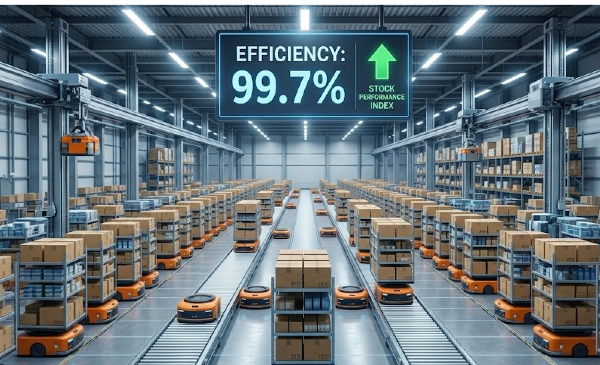
Inventory Management Is an Underappreciated Profit Driver
Retailers make money by selling products.
But they can lose money by managing inventory poorly.
Too much inventory ties up capital and may require discounting.
Too little inventory creates missed sales opportunities.
Successful specialty retailers invest heavily in forecasting and analytics.
Artificial intelligence increasingly helps companies predict demand.
Seasonal trends can be anticipated.
Regional preferences can be identified.
Inventory can be positioned closer to customers.
Small improvements in inventory management can produce meaningful gains in profitability.
This area may not generate exciting headlines.
Yet it often determines whether a retailer performs exceptionally well or struggles.
Sometimes profit comes from having the right product in the right store at precisely the right time.
So, How Do Specialty Retail Stocks Really Make Money?
The answer is both simple and surprisingly sophisticated.
They sell products.
But they also sell expertise.
They build relationships.
They create loyalty.
They offer services.
They develop private-label brands.
They serve professional customers.
They invest in technology.
They optimize inventory.
They turn recurring needs into recurring revenue.
The strongest specialty retailers are not merely stores.
They are ecosystems built around specific customer problems and passions.
Home improvement companies help people improve their homes.
Auto parts retailers keep vehicles running.
Beauty companies help consumers express themselves.
Pet retailers support beloved family companions.
These businesses often generate durable demand because they solve real-world problems.
For investors, understanding these revenue engines can reveal why many specialty retail stocks have produced impressive long-term returns.
They may not always dominate financial headlines.
But behind the shelves, loyalty programs, and checkout counters lies a business model that can quietly generate profits for decades.
🚀 Expand Your Edge: Elite Specialty Retail Stock Intelligence
Looking for the next standout retail investment? Our Specialty Retail Investor Intelligence Hub brings together comprehensive research covering industry fundamentals, market leaders, financial quality, valuation, digital transformation, consumer trends, and long-term growth opportunities. Whether you're identifying market-leading retailers or evaluating emerging investment themes, explore the curated resources below to strengthen your investment research.
🏬 Industry Fundamentals & Market Overview
📊 Financial Strength & Business Quality
💵 Dividends, Valuation & Investor Returns
🤖 Technology, AI & Omnichannel Retail
🌍 Consumer Trends & Growth Opportunities
⚠️ Risk Management & Economic Outlook





















Last updated on July 28th 2026 by Noah Brody
🔑 Key Takeaways
💵 Specialty retailers make money by focusing on specific product categories and building expertise that keeps customers coming back.
Unlike general retailers that sell almost everything, specialty retailers often dominate niche markets such as home improvement, auto parts, beauty, sporting goods, and pet products. Their specialized knowledge and product selection can create loyal customer bases and pricing power.
🛍️ Multiple revenue streams help many specialty retailers grow profits.
Beyond product sales, many companies generate revenue from services, private-label products, loyalty programs, subscriptions, financing, and professional customer relationships.
📈 Scale and operational efficiency can significantly improve profit margins.
Larger specialty retailers often benefit from purchasing power, supply chain efficiencies, and advanced inventory management systems that smaller competitors struggle to replicate.
🏆 The most successful specialty retail stocks turn customer relationships into recurring revenue opportunities.
Repeat purchases, loyalty programs, and essential product categories can create durable business models that generate strong cash flow over long periods.
How Specialty Retail Stocks Make Money
The Secret Isn't Selling More Stuff—It's Selling the Right Stuff
Imagine opening two stores.
The first store sells a little bit of everything.
The second store sells only automotive parts, employs knowledgeable staff, stocks thousands of replacement components, and knows exactly what customers need when their check engine light comes on.
Which business builds stronger customer loyalty?
Often, it is the second one.
That simple idea explains why specialty retail exists.
Specialty retailers focus on serving specific needs exceptionally well.
They do not try to be everything to everyone.
Instead, they become experts.
For investors, understanding how specialty retail companies make money is important because these businesses often generate profits differently than general retailers or e-commerce giants.
Their advantages frequently come from expertise, recurring demand, and customer relationships rather than simply selling large quantities of products.
Sometimes the most profitable business is not the biggest store.
It is the one customers trust most.
Product Sales Are Still the Primary Revenue Engine
At its core, specialty retail remains a product-selling business.
A beauty retailer sells cosmetics and skincare products.
An auto parts company sells replacement components.
A home improvement chain sells lumber, tools, and appliances.
A sporting goods retailer sells equipment and apparel.
Every item sold generates revenue.
However, specialty retailers often enjoy certain advantages that improve profitability.
Because they focus on specific categories, they can stock deeper inventories and offer products that may not be available at general retailers.
Customers frequently visit these stores with a purpose.
They are not casually browsing.
They are trying to solve a problem.
A broken alternator.
A bathroom renovation.
A skincare routine.
A pet food purchase.
Problem-solving purchases can create strong demand and repeat business.
Expertise Can Become a Competitive Advantage
One of the most interesting aspects of specialty retail is that knowledge itself can generate profits.
A customer buying paint may appreciate guidance on finishes and application techniques.
Someone repairing a vehicle often needs advice on replacement parts.
Beauty shoppers frequently seek product recommendations.
Specialty retailers often employ knowledgeable staff who help customers make purchasing decisions.
This expertise builds trust.
Trust builds loyalty.
Loyalty builds revenue.
In some cases, expertise even allows retailers to charge premium prices because customers value advice and convenience.
The store is not merely selling products.
It is selling confidence.
That distinction can become an important competitive advantage.
Private-Label Products Often Carry Higher Margins
Many successful specialty retailers have developed their own brands.
These private-label products can be extremely profitable.
Why?
Because retailers control the pricing.
They avoid paying premiums to outside brands.
They can differentiate products from competitors.
Home improvement retailers sell proprietary tool brands.
Sporting goods companies offer exclusive apparel.
Beauty retailers develop private-label cosmetics.
Pet retailers create house-brand food and accessories.
Private-label products frequently carry higher margins than national brands.
They can also strengthen customer loyalty because consumers may return specifically to purchase those products.
One fascinating fact is that some major retailers now generate billions of dollars annually from private-label merchandise alone.
For many specialty retailers, these products have become major profit engines.
Services Create Additional Revenue Streams
Many specialty retailers do much more than sell products.
They also provide services.
This can be highly profitable.
Home improvement retailers offer installation services.
Beauty retailers provide salon treatments.
Auto parts stores sometimes perform basic diagnostic services.
Sporting goods retailers may offer equipment maintenance.
Services can create several advantages.
First, they generate additional revenue.
Second, they encourage customers to purchase products.
Third, they strengthen customer relationships.
Someone receiving a beauty treatment may purchase additional products.
A homeowner using installation services may return for future renovation projects.
Services can transform a simple transaction into an ongoing relationship.
Relationships tend to be very profitable.
Professional Customers Can Become Recurring Revenue Machines
Not every customer is an individual shopper.
Many specialty retailers serve businesses.
Home improvement companies work with contractors.
Auto parts retailers supply repair shops.
Office supply companies serve commercial clients.
Professional customers often purchase repeatedly.
They buy in larger quantities.
They depend on product availability and service reliability.
This can create highly valuable recurring revenue streams.
A contractor may visit a home improvement retailer several times per week.
A repair shop may order parts every day.
These professional relationships often generate predictable demand and steady cash flow.
For investors, recurring revenue is generally preferable to one-time purchases.
Predictability reduces uncertainty.
Loyalty Programs Encourage Customers to Spend More
Specialty retailers have become increasingly sophisticated at keeping customers engaged.
Loyalty programs play a major role.
Points systems.
Exclusive discounts.
Personalized promotions.
Member-only offers.
These programs encourage repeat purchases and improve customer retention.
They also generate valuable consumer data.
Retailers can better understand buying patterns and personalize recommendations.
A customer who purchases skincare products may receive targeted promotions.
An auto parts buyer may receive maintenance reminders.
Small improvements in retention can significantly improve profitability over time.
Keeping existing customers is often far less expensive than acquiring new ones.
Scale Can Create Enormous Advantages
Bigger retailers often enjoy meaningful economic benefits.
Large purchasing volumes allow companies to negotiate better prices from suppliers.
Advanced logistics networks improve efficiency.
Technology investments become easier to justify.
Inventory can be optimized across large store networks.
These advantages help improve profit margins.
Scale can also make competition difficult.
Smaller businesses frequently struggle to match pricing, product availability, and convenience.
This is one reason industry leaders often continue strengthening their market positions over time.
Scale creates efficiencies.
Efficiencies improve profitability.
Profitability funds additional investment.
The cycle can become remarkably powerful.
Omnichannel Retail Has Created New Ways to Make Money
Today's specialty retailers operate across multiple channels.
Stores.
Websites.
Mobile applications.
Curbside pickup.
Same-day delivery.
The line between physical and digital retail continues to blur.
Customers increasingly expect convenience and flexibility.
Retailers that deliver these experiences can increase engagement and sales.
Digital capabilities also improve operational efficiency.
Stores can fulfill online orders.
Inventory visibility improves.
Customer data becomes more valuable.
One surprising fact is that many retailers now view physical stores as mini-distribution centers rather than merely shopping locations.
The store itself has become part showroom, part warehouse, and part fulfillment hub.
Retail economics are evolving rapidly.
Inventory Management Is an Underappreciated Profit Driver
Retailers make money by selling products.
But they can lose money by managing inventory poorly.
Too much inventory ties up capital and may require discounting.
Too little inventory creates missed sales opportunities.
Successful specialty retailers invest heavily in forecasting and analytics.
Artificial intelligence increasingly helps companies predict demand.
Seasonal trends can be anticipated.
Regional preferences can be identified.
Inventory can be positioned closer to customers.
Small improvements in inventory management can produce meaningful gains in profitability.
This area may not generate exciting headlines.
Yet it often determines whether a retailer performs exceptionally well or struggles.
Sometimes profit comes from having the right product in the right store at precisely the right time.
So, How Do Specialty Retail Stocks Really Make Money?
The answer is both simple and surprisingly sophisticated.
They sell products.
But they also sell expertise.
They build relationships.
They create loyalty.
They offer services.
They develop private-label brands.
They serve professional customers.
They invest in technology.
They optimize inventory.
They turn recurring needs into recurring revenue.
The strongest specialty retailers are not merely stores.
They are ecosystems built around specific customer problems and passions.
Home improvement companies help people improve their homes.
Auto parts retailers keep vehicles running.
Beauty companies help consumers express themselves.
Pet retailers support beloved family companions.
These businesses often generate durable demand because they solve real-world problems.
For investors, understanding these revenue engines can reveal why many specialty retail stocks have produced impressive long-term returns.
They may not always dominate financial headlines.
But behind the shelves, loyalty programs, and checkout counters lies a business model that can quietly generate profits for decades.
🚀 Expand Your Edge: Elite Specialty Retail Stock Intelligence
Looking for the next standout retail investment? Our Specialty Retail Investor Intelligence Hub brings together comprehensive research covering industry fundamentals, market leaders, financial quality, valuation, digital transformation, consumer trends, and long-term growth opportunities. Whether you're identifying market-leading retailers or evaluating emerging investment themes, explore the curated resources below to strengthen your investment research.
🏬 Industry Fundamentals & Market Overview
📊 Financial Strength & Business Quality
💵 Dividends, Valuation & Investor Returns
🤖 Technology, AI & Omnichannel Retail
🌍 Consumer Trends & Growth Opportunities
⚠️ Risk Management & Economic Outlook