Interest Rate Sensitivity in the Sector
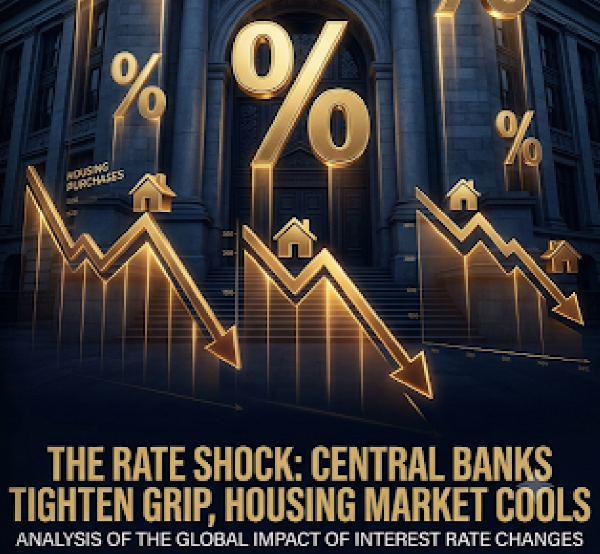
Interest rates represent one of the most powerful macro forces affecting furnishings, fixtures, and appliances companies. Higher rates raise mortgage costs, reduce housing affordability, slow home sales, and directly suppress demand for furniture, appliances, and fixtures. When the Federal Reserve tightens monetary policy, the sector typically underperforms within two to three quarters as housing activity contracts. Conversely, rate-cutting cycles stimulate housing demand and consumer credit availability, triggering powerful recoveries in sector earnings. Investors who align portfolio positioning with rate cycle direction can achieve meaningfully superior returns in this space.
Mechanisms of Rate Impact
Housing Affordability Channel
Rising mortgage rates increase monthly payments for home buyers, reducing the pool of qualified buyers and slowing transaction volumes. Fewer home purchases mean fewer new appliance sets, furniture purchases, and fixture installations. This direct linkage makes housing affordability metrics a reliable leading indicator for furnishings and appliances sector revenue.
Consumer Credit and Financing Costs
Many consumers finance large appliance and furniture purchases using credit cards or installment financing. Higher interest rates increase the cost of consumer credit, reducing discretionary spending on big-ticket items. Companies that offer in-house financing programs see demand compression during rate-hiking cycles as borrowing costs rise.
Corporate Financing and Capital Costs
Higher rates also increase borrowing costs for companies themselves. Manufacturers with significant floating-rate debt face higher interest expenses, compressing net margins. Companies with strong balance sheets and low debt levels are far better positioned to navigate rising rate environments than highly leveraged peers.
Long-Term Perspective
While interest rates influence short-term performance, long-term growth in the furnishings, fixtures, and appliances industry is driven by structural factors such as urbanization, population growth, and technological innovation. Investors should maintain a long-term perspective, focusing on companies with strong fundamentals that can adapt to changing economic conditions and emerge stronger from rate cycle headwinds.
Conclusion
Interest rates play a pivotal role in shaping the performance of furnishings, fixtures, and appliances companies. By understanding their impact on demand, costs, and profitability, investors can better navigate market cycles and optimize their investment strategies in this dynamic sector.



















Interest Rate Sensitivity in the Sector
Interest rates represent one of the most powerful macro forces affecting furnishings, fixtures, and appliances companies. Higher rates raise mortgage costs, reduce housing affordability, slow home sales, and directly suppress demand for furniture, appliances, and fixtures. When the Federal Reserve tightens monetary policy, the sector typically underperforms within two to three quarters as housing activity contracts. Conversely, rate-cutting cycles stimulate housing demand and consumer credit availability, triggering powerful recoveries in sector earnings. Investors who align portfolio positioning with rate cycle direction can achieve meaningfully superior returns in this space.
Mechanisms of Rate Impact
Housing Affordability Channel
Rising mortgage rates increase monthly payments for home buyers, reducing the pool of qualified buyers and slowing transaction volumes. Fewer home purchases mean fewer new appliance sets, furniture purchases, and fixture installations. This direct linkage makes housing affordability metrics a reliable leading indicator for furnishings and appliances sector revenue.
Consumer Credit and Financing Costs
Many consumers finance large appliance and furniture purchases using credit cards or installment financing. Higher interest rates increase the cost of consumer credit, reducing discretionary spending on big-ticket items. Companies that offer in-house financing programs see demand compression during rate-hiking cycles as borrowing costs rise.
Corporate Financing and Capital Costs
Higher rates also increase borrowing costs for companies themselves. Manufacturers with significant floating-rate debt face higher interest expenses, compressing net margins. Companies with strong balance sheets and low debt levels are far better positioned to navigate rising rate environments than highly leveraged peers.
Long-Term Perspective
While interest rates influence short-term performance, long-term growth in the furnishings, fixtures, and appliances industry is driven by structural factors such as urbanization, population growth, and technological innovation. Investors should maintain a long-term perspective, focusing on companies with strong fundamentals that can adapt to changing economic conditions and emerge stronger from rate cycle headwinds.
Conclusion
Interest rates play a pivotal role in shaping the performance of furnishings, fixtures, and appliances companies. By understanding their impact on demand, costs, and profitability, investors can better navigate market cycles and optimize their investment strategies in this dynamic sector.