Last updated on July 28th 2026 by Noah Brody
📊 Economic cycles strongly influence leisure stock performance
Leisure companies are highly sensitive to consumer confidence, employment trends, and discretionary spending patterns throughout the economic cycle.
📈 Expansion and recovery periods often create strong leisure stock opportunities
Rising wages, improving confidence, and increased travel demand can drive revenue growth, stronger margins, and higher valuations.
📉 Downturns can create risks but also attractive buying opportunities
Economic contractions pressure leisure companies, but quality businesses with strong balance sheets may become undervalued during periods of market pessimism.
🔍 Investors can improve results by tracking economic indicators
Monitoring consumer confidence, employment, bookings, and sector trends can help investors identify opportunities across different stages of the cycle.
Economic Cycles and Their Effect on Leisure Stocks
How Do Economic Cycles Influence Leisure Stock Performance?
The leisure industry is one of the most cyclically sensitive sectors in the equity market. Its fortunes rise and fall in close alignment with the broader economic cycle, making an understanding of macroeconomic phases essential for investors who want to time their leisure stock exposure intelligently. Unlike defensive sectors that remain relatively stable through recessions, leisure companies experience dramatic swings in revenue, earnings, and stock prices as economic conditions evolve.
What Happens to Leisure Stocks During Economic Expansions?
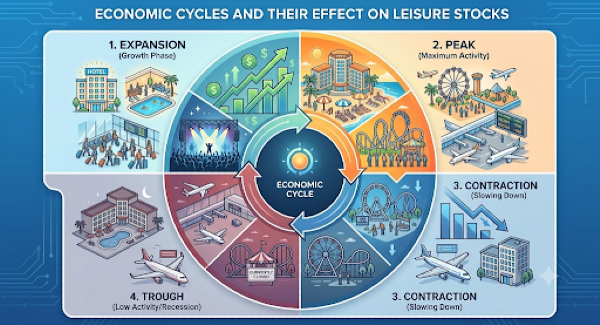
The economic cycle is typically divided into four phases: expansion, peak, contraction, and trough. Each phase creates a distinct environment for leisure businesses. During expansions, employment rises, wages grow, consumer confidence strengthens, and discretionary spending accelerates. Leisure companies in this phase typically report strong revenue growth, expanding margins, and rising stock prices. This is the period when hotel occupancy rates climb, theme park attendance breaks records, and cruise lines sell out capacity months in advance.
Why Do Leisure Stocks Become More Challenging Near Economic Peaks?
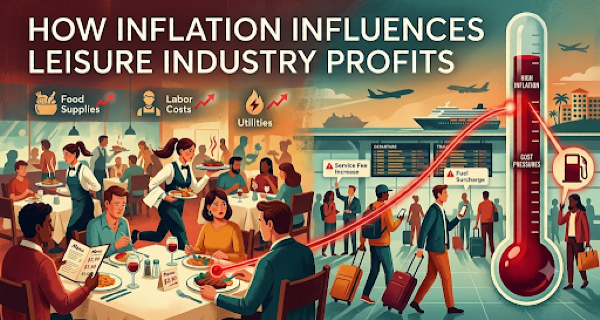
As the economy reaches its peak, growth begins to slow even if conditions remain favorable. Asset valuations become stretched, inflation often rises, and central banks begin tightening monetary policy. Leisure stocks at this stage may still report good results, but forward-looking investors begin to reduce their exposure in anticipation of the inevitable slowdown. Valuation multiples often compress even as earnings continue to grow, reflecting the market's forward-looking nature.
How Do Economic Contractions Impact Leisure Companies?
During contractions, leisure stocks typically underperform the broader market significantly. Consumers postpone vacations, downgrade hotel selections, reduce restaurant visits, and cut entertainment budgets. Companies with high fixed costs and significant debt face particularly acute pressure because revenue declines while obligations remain constant. Highly leveraged leisure operators sometimes face solvency concerns during severe downturns, as the pandemic demonstrated catastrophically for segments like cruise lines and airlines.
Why Can Economic Troughs Create Leisure Stock Opportunities?
The trough phase, paradoxically, represents one of the best buying opportunities for leisure investors. When economic pessimism is at its peak, leisure stocks are often priced for disaster scenarios that do not materialize as severely as feared. Investors who buy quality leisure companies at trough valuations and hold through the recovery phase have historically generated some of the strongest returns available in equity markets. The key is having the conviction and financial resources to hold through the volatility.
How Does Recovery Growth Benefit Leisure Stocks?
The recovery phase following a trough is often particularly powerful for leisure stocks. As economic conditions stabilize and consumer confidence begins to recover, pent-up demand drives a surge in leisure spending that can exceed pre-recession levels. The psychological desire to recapture missed experiences during the downturn, combined with improved financial conditions, creates explosive revenue recovery. This was vividly demonstrated after the pandemic, when leisure spending rebounded faster and more aggressively than most analysts expected.
Which Economic Indicators Should Leisure Investors Monitor?
Leisure investors can use several economic indicators to track where the cycle stands. Consumer confidence indices, employment reports, retail sales data, and housing market statistics are all leading indicators of leisure spending trends. Hotel booking pace data and airline forward bookings provide more direct sector-specific signals. Monitoring these indicators systematically allows investors to anticipate inflections in leisure stock performance before they appear in reported earnings.
Which Leisure Segments Perform Best During Different Economic Cycles?
Different leisure subsegments have varying degrees of cyclicality. Budget lodging and value dining tend to be more resilient during downturns as consumers trade down rather than trade out entirely. Luxury and premium operators may see steeper declines but also faster recoveries as their affluent customer base is less impacted by job market pressures. Online gaming and digital entertainment tend to be more counter-cyclical, as homebound consumers substitute digital leisure for physical experiences during economic stress.
How Should Investors Build a Leisure Portfolio Across Economic Cycles?
Portfolio construction within the leisure sector should account for this cyclical variation. Blending more defensive leisure names with higher-beta cyclical plays creates a portfolio that participates in upswings while providing some cushion during downturns. Rebalancing across the cycle, rotating into more aggressive positions at troughs and more defensive ones at peaks, can meaningfully improve risk-adjusted returns.
Why Is Economic Cycle Analysis Important for Leisure Investors?
Mastering economic cycle analysis and applying it to leisure sector investing is one of the highest-value skills an investor can develop. The cyclical nature of leisure is not a bug but a feature for disciplined investors who understand how to position themselves advantageously at each phase of the economic journey.
🚀 Expand Your Edge: Elite Leisure Industry Investment Intelligence
The leisure industry spans travel, entertainment, hospitality, gaming, sports, recreation, and experiential businesses that benefit from rising consumer spending and long-term demographic trends. Our Leisure Industry Investor Intelligence Hub brings together comprehensive research covering industry fundamentals, market-leading companies, macroeconomic drivers, financial analysis, emerging technologies, and future growth opportunities. Explore the curated resources below to build a deeper understanding of one of the market's most dynamic sectors.
🌎 Industry Fundamentals & Market Leaders
🎯 Leisure Industry Sectors & Investment Opportunities
📊 Financial Analysis & Portfolio Strategy
🤖 Technology, AI & Industry Innovation
🌍 Economic Trends & Market Drivers
⚠️ Risk Management & Smart Investing

















Last updated on July 28th 2026 by Noah Brody
📊 Economic cycles strongly influence leisure stock performance
Leisure companies are highly sensitive to consumer confidence, employment trends, and discretionary spending patterns throughout the economic cycle.
📈 Expansion and recovery periods often create strong leisure stock opportunities
Rising wages, improving confidence, and increased travel demand can drive revenue growth, stronger margins, and higher valuations.
📉 Downturns can create risks but also attractive buying opportunities
Economic contractions pressure leisure companies, but quality businesses with strong balance sheets may become undervalued during periods of market pessimism.
🔍 Investors can improve results by tracking economic indicators
Monitoring consumer confidence, employment, bookings, and sector trends can help investors identify opportunities across different stages of the cycle.
Economic Cycles and Their Effect on Leisure Stocks
How Do Economic Cycles Influence Leisure Stock Performance?
The leisure industry is one of the most cyclically sensitive sectors in the equity market. Its fortunes rise and fall in close alignment with the broader economic cycle, making an understanding of macroeconomic phases essential for investors who want to time their leisure stock exposure intelligently. Unlike defensive sectors that remain relatively stable through recessions, leisure companies experience dramatic swings in revenue, earnings, and stock prices as economic conditions evolve.
What Happens to Leisure Stocks During Economic Expansions?
The economic cycle is typically divided into four phases: expansion, peak, contraction, and trough. Each phase creates a distinct environment for leisure businesses. During expansions, employment rises, wages grow, consumer confidence strengthens, and discretionary spending accelerates. Leisure companies in this phase typically report strong revenue growth, expanding margins, and rising stock prices. This is the period when hotel occupancy rates climb, theme park attendance breaks records, and cruise lines sell out capacity months in advance.
Why Do Leisure Stocks Become More Challenging Near Economic Peaks?
As the economy reaches its peak, growth begins to slow even if conditions remain favorable. Asset valuations become stretched, inflation often rises, and central banks begin tightening monetary policy. Leisure stocks at this stage may still report good results, but forward-looking investors begin to reduce their exposure in anticipation of the inevitable slowdown. Valuation multiples often compress even as earnings continue to grow, reflecting the market's forward-looking nature.
How Do Economic Contractions Impact Leisure Companies?
During contractions, leisure stocks typically underperform the broader market significantly. Consumers postpone vacations, downgrade hotel selections, reduce restaurant visits, and cut entertainment budgets. Companies with high fixed costs and significant debt face particularly acute pressure because revenue declines while obligations remain constant. Highly leveraged leisure operators sometimes face solvency concerns during severe downturns, as the pandemic demonstrated catastrophically for segments like cruise lines and airlines.
Why Can Economic Troughs Create Leisure Stock Opportunities?
The trough phase, paradoxically, represents one of the best buying opportunities for leisure investors. When economic pessimism is at its peak, leisure stocks are often priced for disaster scenarios that do not materialize as severely as feared. Investors who buy quality leisure companies at trough valuations and hold through the recovery phase have historically generated some of the strongest returns available in equity markets. The key is having the conviction and financial resources to hold through the volatility.
How Does Recovery Growth Benefit Leisure Stocks?
The recovery phase following a trough is often particularly powerful for leisure stocks. As economic conditions stabilize and consumer confidence begins to recover, pent-up demand drives a surge in leisure spending that can exceed pre-recession levels. The psychological desire to recapture missed experiences during the downturn, combined with improved financial conditions, creates explosive revenue recovery. This was vividly demonstrated after the pandemic, when leisure spending rebounded faster and more aggressively than most analysts expected.
Which Economic Indicators Should Leisure Investors Monitor?
Leisure investors can use several economic indicators to track where the cycle stands. Consumer confidence indices, employment reports, retail sales data, and housing market statistics are all leading indicators of leisure spending trends. Hotel booking pace data and airline forward bookings provide more direct sector-specific signals. Monitoring these indicators systematically allows investors to anticipate inflections in leisure stock performance before they appear in reported earnings.
Which Leisure Segments Perform Best During Different Economic Cycles?
Different leisure subsegments have varying degrees of cyclicality. Budget lodging and value dining tend to be more resilient during downturns as consumers trade down rather than trade out entirely. Luxury and premium operators may see steeper declines but also faster recoveries as their affluent customer base is less impacted by job market pressures. Online gaming and digital entertainment tend to be more counter-cyclical, as homebound consumers substitute digital leisure for physical experiences during economic stress.
How Should Investors Build a Leisure Portfolio Across Economic Cycles?
Portfolio construction within the leisure sector should account for this cyclical variation. Blending more defensive leisure names with higher-beta cyclical plays creates a portfolio that participates in upswings while providing some cushion during downturns. Rebalancing across the cycle, rotating into more aggressive positions at troughs and more defensive ones at peaks, can meaningfully improve risk-adjusted returns.
Why Is Economic Cycle Analysis Important for Leisure Investors?
Mastering economic cycle analysis and applying it to leisure sector investing is one of the highest-value skills an investor can develop. The cyclical nature of leisure is not a bug but a feature for disciplined investors who understand how to position themselves advantageously at each phase of the economic journey.
🚀 Expand Your Edge: Elite Leisure Industry Investment Intelligence
The leisure industry spans travel, entertainment, hospitality, gaming, sports, recreation, and experiential businesses that benefit from rising consumer spending and long-term demographic trends. Our Leisure Industry Investor Intelligence Hub brings together comprehensive research covering industry fundamentals, market-leading companies, macroeconomic drivers, financial analysis, emerging technologies, and future growth opportunities. Explore the curated resources below to build a deeper understanding of one of the market's most dynamic sectors.
🌎 Industry Fundamentals & Market Leaders
🎯 Leisure Industry Sectors & Investment Opportunities
📊 Financial Analysis & Portfolio Strategy
🤖 Technology, AI & Industry Innovation
🌍 Economic Trends & Market Drivers
⚠️ Risk Management & Smart Investing