Last updated on July 28th 2026 by Noah Brody
🔥 Inflation can challenge leisure companies by increasing operating costs
Rising labor, energy, food, and construction costs can pressure margins across hotels, theme parks, cruise lines, restaurants, and other leisure businesses.
💎 Pricing power helps strong leisure brands protect profits
Companies with loyal customers and premium brands can often raise prices without losing significant demand during inflationary periods.
📦 Operational efficiency creates advantages during inflation
Strong supply chain management, cost controls, and smart procurement strategies help leisure companies maintain profitability when expenses rise.
📈 Investors should focus on companies that handle inflation well
Leisure businesses with strong brands, efficient operations, and resilient customers are often better positioned to outperform during inflation cycles.
How Does Inflation Impact Leisure Industry Profits?
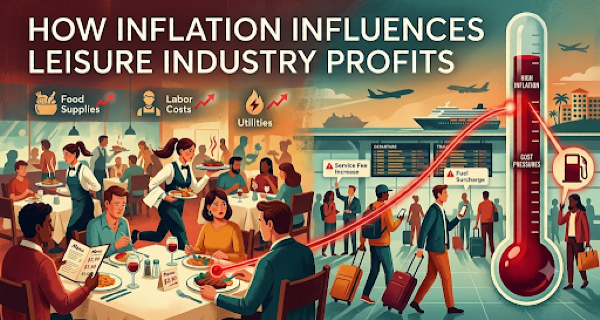
Inflation is a double-edged sword for the leisure industry. On one side, it drives up the cost of nearly everything leisure companies need to operate, from labor and food to energy and construction materials. On the other side, companies with strong brands and pricing power can often pass these costs on to consumers, protecting or even expanding margins. Understanding how inflation interacts with specific leisure businesses is essential for investors navigating inflationary environments.
Why Does Labor Inflation Create Challenges for Leisure Companies?
Labor is the single largest cost for most leisure businesses. Hotels, theme parks, cruise ships, restaurants, and casinos are all highly labor-intensive operations. When inflation drives up wages, whether through minimum wage legislation, tight labor markets, or union negotiations, the cost impact on these businesses can be substantial. Unlike a software company that can scale revenue without proportionally increasing headcount, a theme park that adds visitors must add staff to maintain service quality. This structural reality makes leisure companies among the most sensitive sectors to wage inflation.
How Do Rising Energy Costs Affect Leisure Businesses?
Energy costs represent another major inflation exposure. Airlines burn enormous quantities of jet fuel, and fuel costs can represent more than a quarter of their operating expenses. Cruise lines power massive ships with heavy fuel oil. Hotels heat and cool large buildings. Theme parks operate extensive ride systems and entertainment venues. When energy prices spike, as they periodically do due to geopolitical events or supply disruptions, the margin impact on these businesses can be swift and severe.
Why Do Food Costs Matter for Leisure Operators?
Food costs matter particularly for integrated leisure operators. Cruise lines provide three or more meals per day to thousands of guests. Hotel buffets and room service operations purchase large quantities of perishable goods. Casino food and beverage departments serve complimentary and paid meals to millions of visitors annually. When agricultural commodity prices rise due to drought, supply chain disruptions, or input cost inflation, food-intensive leisure businesses see direct cost pressure.
How Do Construction Costs Impact Leisure Growth?
Construction and maintenance costs affect the capital-intensive end of the leisure sector. Theme parks regularly invest in new attractions, hotels renovate rooms and common areas, and cruise lines maintain and upgrade their fleets. When construction costs inflate, the price of capacity expansion rises, potentially slowing growth plans or reducing returns on new investments. This can delay the realization of growth strategies and alter long-term competitive dynamics.
Can Strong Leisure Brands Protect Against Inflation?
Despite these pressures, leisure companies with strong brands have demonstrated meaningful ability to pass inflation through to consumers. Disney has raised theme park admission prices aggressively over the past decade, far outpacing inflation, while maintaining strong attendance. Premium hotel brands have consistently pushed room rates higher with limited demand resistance from their loyal, affluent customer bases. Cruise lines have increased fares and added premium product tiers to capture more revenue per passenger.
Why Is Pricing Power Important During Inflation?
The key differentiator in inflationary environments is pricing power. Companies that serve affluent, brand-loyal consumers can raise prices without losing significant volume. Companies that compete primarily on price in mid-market or budget segments face a much harder trade-off. When they raise prices, they risk losing volume to cheaper alternatives. When they absorb costs, margins compress. Mid-market leisure operators in inflationary environments often find themselves in an uncomfortable squeeze.
How Does Supply Chain Management Help Leisure Companies?
Inventory and supply chain management has become increasingly important. Leisure companies that locked in long-term contracts for key inputs during low-inflation periods protected their margins when prices rose. Those that relied on spot purchases faced much greater volatility. Building procurement sophistication is therefore a meaningful competitive advantage in the leisure sector.
How Can Investors Evaluate Inflation Risks in Leisure Stocks?
For investors, tracking inflation data and monitoring how individual companies discuss cost pressures in their earnings calls provides important signals. Companies that consistently beat margin estimates despite inflationary headwinds are demonstrating operational excellence and pricing power. Those that repeatedly disappoint on margins despite strong revenue growth may be structurally disadvantaged.
Which Leisure Companies Benefit Most From Inflation?
Ultimately, inflation tests the quality of leisure businesses. The strongest brands, the most operationally efficient operators, and the companies serving the most resilient consumer segments emerge from inflationary periods with improved competitive positions. The weaker players, unable to raise prices or control costs, lose market share and investor confidence. Identifying the winners before the inflationary cycle runs its course is one of the most rewarding challenges in leisure investing.
🚀 Expand Your Edge: Elite Leisure Industry Investment Intelligence
The leisure industry spans travel, entertainment, hospitality, gaming, sports, recreation, and experiential businesses that benefit from rising consumer spending and long-term demographic trends. Our Leisure Industry Investor Intelligence Hub brings together comprehensive research covering industry fundamentals, market-leading companies, macroeconomic drivers, financial analysis, emerging technologies, and future growth opportunities. Explore the curated resources below to build a deeper understanding of one of the market's most dynamic sectors.
🌎 Industry Fundamentals & Market Leaders
🎯 Leisure Industry Sectors & Investment Opportunities
📊 Financial Analysis & Portfolio Strategy
🤖 Technology, AI & Industry Innovation
🌍 Economic Trends & Market Drivers
⚠️ Risk Management & Smart Investing









Last updated on July 28th 2026 by Noah Brody
🔥 Inflation can challenge leisure companies by increasing operating costs
Rising labor, energy, food, and construction costs can pressure margins across hotels, theme parks, cruise lines, restaurants, and other leisure businesses.
💎 Pricing power helps strong leisure brands protect profits
Companies with loyal customers and premium brands can often raise prices without losing significant demand during inflationary periods.
📦 Operational efficiency creates advantages during inflation
Strong supply chain management, cost controls, and smart procurement strategies help leisure companies maintain profitability when expenses rise.
📈 Investors should focus on companies that handle inflation well
Leisure businesses with strong brands, efficient operations, and resilient customers are often better positioned to outperform during inflation cycles.
How Does Inflation Impact Leisure Industry Profits?
Inflation is a double-edged sword for the leisure industry. On one side, it drives up the cost of nearly everything leisure companies need to operate, from labor and food to energy and construction materials. On the other side, companies with strong brands and pricing power can often pass these costs on to consumers, protecting or even expanding margins. Understanding how inflation interacts with specific leisure businesses is essential for investors navigating inflationary environments.
Why Does Labor Inflation Create Challenges for Leisure Companies?
Labor is the single largest cost for most leisure businesses. Hotels, theme parks, cruise ships, restaurants, and casinos are all highly labor-intensive operations. When inflation drives up wages, whether through minimum wage legislation, tight labor markets, or union negotiations, the cost impact on these businesses can be substantial. Unlike a software company that can scale revenue without proportionally increasing headcount, a theme park that adds visitors must add staff to maintain service quality. This structural reality makes leisure companies among the most sensitive sectors to wage inflation.
How Do Rising Energy Costs Affect Leisure Businesses?
Energy costs represent another major inflation exposure. Airlines burn enormous quantities of jet fuel, and fuel costs can represent more than a quarter of their operating expenses. Cruise lines power massive ships with heavy fuel oil. Hotels heat and cool large buildings. Theme parks operate extensive ride systems and entertainment venues. When energy prices spike, as they periodically do due to geopolitical events or supply disruptions, the margin impact on these businesses can be swift and severe.
Why Do Food Costs Matter for Leisure Operators?
Food costs matter particularly for integrated leisure operators. Cruise lines provide three or more meals per day to thousands of guests. Hotel buffets and room service operations purchase large quantities of perishable goods. Casino food and beverage departments serve complimentary and paid meals to millions of visitors annually. When agricultural commodity prices rise due to drought, supply chain disruptions, or input cost inflation, food-intensive leisure businesses see direct cost pressure.
How Do Construction Costs Impact Leisure Growth?
Construction and maintenance costs affect the capital-intensive end of the leisure sector. Theme parks regularly invest in new attractions, hotels renovate rooms and common areas, and cruise lines maintain and upgrade their fleets. When construction costs inflate, the price of capacity expansion rises, potentially slowing growth plans or reducing returns on new investments. This can delay the realization of growth strategies and alter long-term competitive dynamics.
Can Strong Leisure Brands Protect Against Inflation?
Despite these pressures, leisure companies with strong brands have demonstrated meaningful ability to pass inflation through to consumers. Disney has raised theme park admission prices aggressively over the past decade, far outpacing inflation, while maintaining strong attendance. Premium hotel brands have consistently pushed room rates higher with limited demand resistance from their loyal, affluent customer bases. Cruise lines have increased fares and added premium product tiers to capture more revenue per passenger.
Why Is Pricing Power Important During Inflation?
The key differentiator in inflationary environments is pricing power. Companies that serve affluent, brand-loyal consumers can raise prices without losing significant volume. Companies that compete primarily on price in mid-market or budget segments face a much harder trade-off. When they raise prices, they risk losing volume to cheaper alternatives. When they absorb costs, margins compress. Mid-market leisure operators in inflationary environments often find themselves in an uncomfortable squeeze.
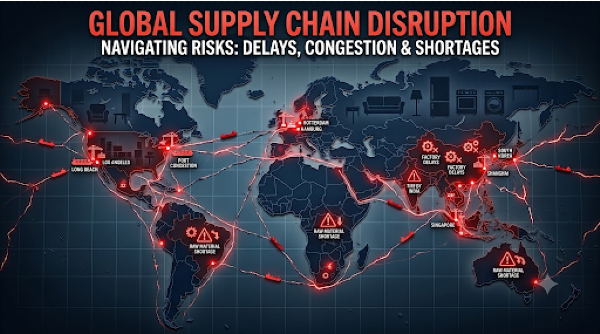
How Does Supply Chain Management Help Leisure Companies?
Inventory and supply chain management has become increasingly important. Leisure companies that locked in long-term contracts for key inputs during low-inflation periods protected their margins when prices rose. Those that relied on spot purchases faced much greater volatility. Building procurement sophistication is therefore a meaningful competitive advantage in the leisure sector.
How Can Investors Evaluate Inflation Risks in Leisure Stocks?
For investors, tracking inflation data and monitoring how individual companies discuss cost pressures in their earnings calls provides important signals. Companies that consistently beat margin estimates despite inflationary headwinds are demonstrating operational excellence and pricing power. Those that repeatedly disappoint on margins despite strong revenue growth may be structurally disadvantaged.
Which Leisure Companies Benefit Most From Inflation?
Ultimately, inflation tests the quality of leisure businesses. The strongest brands, the most operationally efficient operators, and the companies serving the most resilient consumer segments emerge from inflationary periods with improved competitive positions. The weaker players, unable to raise prices or control costs, lose market share and investor confidence. Identifying the winners before the inflationary cycle runs its course is one of the most rewarding challenges in leisure investing.
🚀 Expand Your Edge: Elite Leisure Industry Investment Intelligence
The leisure industry spans travel, entertainment, hospitality, gaming, sports, recreation, and experiential businesses that benefit from rising consumer spending and long-term demographic trends. Our Leisure Industry Investor Intelligence Hub brings together comprehensive research covering industry fundamentals, market-leading companies, macroeconomic drivers, financial analysis, emerging technologies, and future growth opportunities. Explore the curated resources below to build a deeper understanding of one of the market's most dynamic sectors.
🌎 Industry Fundamentals & Market Leaders
🎯 Leisure Industry Sectors & Investment Opportunities
📊 Financial Analysis & Portfolio Strategy
🤖 Technology, AI & Industry Innovation
🌍 Economic Trends & Market Drivers
⚠️ Risk Management & Smart Investing