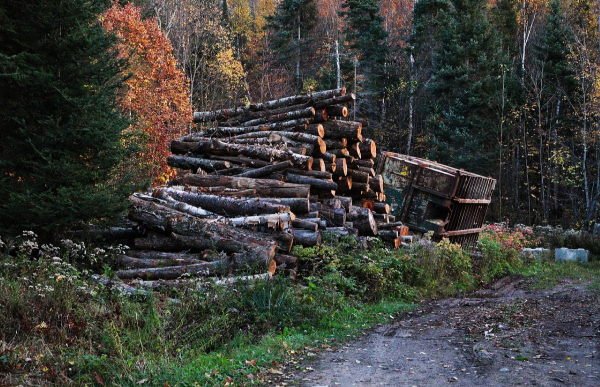
Investing in the timber industry is easier than most people think. You don’t need to be a forestry expert to understand how to invest in lumber stocks or explore simple options like timber funds.
Many new investors start by learning where to buy lumber stocks and how these companies make money through land, wood products, and long‑term demand for housing. Timber has a steady place in the economy, which makes it a useful sector for people who want slow, stable growth.
Some beginners even choose to invest in trees through managed forests or long‑term timber programs. Others focus on learning how to buy lumber stocks through regular brokerage accounts. No matter which path you choose, the goal is the same: understand the basics, keep your strategy simple, and build confidence as you explore the timber market.
| Investment Method |
How It Works |
Who It Fits |
Examples |
| Direct Timberland Ownership |
Buy forest land and earn from tree growth, harvest cycles, and land appreciation. |
Long‑term investors who want control and real assets. |
Weyerhaeuser land model, private timber parcels |
| Timber REITs |
Public companies owning large timberland portfolios; investors buy shares like any stock. |
Investors wanting liquidity and passive exposure. |
Weyerhaeuser (WY), Rayonier (RYN), PotlatchDeltic (PCH) |
| Lumber & Wood Product Stocks |
Companies that mill lumber, make plywood, OSB, engineered wood, and supply construction markets. |
Investors comfortable with cyclical, housing‑driven earnings. |
West Fraser, Canfor, Boise Cascade |
| Timber ETFs |
Funds tracking global forestry, timberland, and wood‑product companies. |
Beginners wanting diversified exposure. |
WOOD ETF, CUT ETF |
| Timber Mutual Funds |
Actively managed funds holding timber REITs, forestry firms, and global wood producers. |
Hands‑off investors seeking professional management. |
Phaunos Timber Fund (delisted), specialized forestry funds |
| TIMOs (Timber Investment Management Organizations) |
Firms that buy/manage timberland for investors; returns come from harvests and land value. |
Institutions or high‑net‑worth investors. |
Campbell Global, Hancock Timber |
| Tree‑Planting & Carbon Projects |
Investors fund tree growth or carbon‑credit projects; returns come from harvest or carbon markets. |
Sustainability‑focused, long‑term investors. |
Carbon forestry projects, reforestation programs |
| Timber Commodities Exposure |
Exposure to lumber futures, indexes, or companies tied to timber pricing. |
Investors comfortable with volatility. |
Lumber futures, wood‑product producers |
| Timber Trading & Lumber Businesses |
Operating or funding a business that buys, sells, exports, or processes timber. |
Entrepreneurs wanting active involvement. |
Regional sawmills, export timber brokers |
Introduction to Timber Investment
Timber investment is a unique and versatile asset class that combines long-term value growth with income-generating potential. Unlike traditional investments such as stocks and bonds, timberland offers returns through three distinct avenues: biological tree growth, land appreciation, and periodic timber sales. This natural growth model not only enhances the intrinsic value of the asset but also provides a steady source of income. Additionally, timberland has demonstrated resilience during economic downturns, maintaining its stability as a long-term investment option. For investors seeking security in uncertain times, timberland's historical performance underscores its reliability.
One of the most compelling advantages of timber investment is its ability to hedge against inflation while diversifying a portfolio. Timber prices often correlate with population and economic growth, which drives demand for construction, paper, and other wood-based products. This steady demand, coupled with timber's inflation-resistant nature, makes it an attractive choice for investors looking to balance risk and reward. Furthermore, timberland's tangible, income-producing assets add a layer of diversification that can offset the volatility of traditional financial markets. Whether aiming for stability or capitalizing on growth trends, timber investment offers a valuable addition to any well-rounded portfolio.
Understanding Timber Investment Options
Timber investment offers a variety of options, catering to both direct and indirect investors. Direct ownership entails purchasing timberland outright, allowing investors to manage the property and profit from biological tree growth, land appreciation, and timber sales. Indirect ownership provides a less hands-on approach, with opportunities to invest in funds that hold timberland properties on behalf of investors. Both approaches have their merits, but direct ownership is often ideal for those looking to maintain full control and actively manage their investment.
Timber Real Estate Investment Trusts (REITs) present an alternative for investors seeking passive income and potential capital appreciation without the burden of self-management. Timber REITs allow individuals to own shares in companies that operate and manage timberland properties, providing a regular income stream through dividends. Similarly, Timber Investment Management Organizations (TIMOs) offer professionally managed investment funds that acquire and oversee timberland properties. TIMOs are particularly appealing for institutional investors, as they provide access to expertly curated portfolios and comprehensive management services.
When selecting a timber investment option, investors must evaluate critical factors such as location, tree species, management practices, and sustainability. The geographical placement of a timberland property significantly impacts growth rates, market demand, and resilience to environmental risks. Additionally, understanding the types of trees grown—whether hardwoods or softwoods—and their market applications is vital for optimizing returns. Sustainability and responsible forestry practices also play an increasingly prominent role, ensuring long-term productivity and aligning investments with environmental standards. Each of these considerations can guide investors in choosing the most suitable timber investment strategy.
Sustainable Forestry Practices
Sustainable forestry practices are vital for the long-term health of timber resources and the environment. By prioritizing environmental conservation and biodiversity, sustainable forestry methods like proper forest thinning and minimal soil disturbance ensure forests remain productive and resilient. These practices help maintain forest health, reduce pests, and prevent overcrowding, allowing trees to grow optimally. Additionally, preserving water quality is essential for overall ecosystem stability, which involves careful planning to minimize pollution and erosion. Selecting appropriate tree species based on soil type and local market demand also plays a crucial role in optimizing timber production while supporting environmental sustainability.
Sustainably managed forests provide a wealth of benefits beyond timber production. They sequester carbon, combat climate change, and promote biodiversity by supporting a variety of plant and animal species. Moreover, they play a critical role in protecting and replenishing water sources, ensuring long-term environmental stability. Beyond environmental benefits, sustainably managed forests also create living-wage jobs, foster economic growth, and supply renewable products used widely in construction, paper production, and more. Investors can support these initiatives by seeking certifications from reputable organizations such as the Forest Stewardship Council (FSC), which ensures adherence to sustainable forestry principles and responsible land management.
Risks and Challenges
Investing in timber comes with its own set of risks and challenges that investors should carefully evaluate. Market fluctuations and economic factors, such as housing demand, global trade dynamics, and construction activity, can directly impact timber prices and overall returns. These external influences may create periods of volatility, requiring investors to adopt a long-term perspective. Environmental and natural risks, including wildfires, pests, and diseases, also pose significant challenges, potentially affecting timber yields and reducing the value of the land. Investors must stay informed about these risks to implement proactive strategies for mitigating their impact.
Liquidity and selling challenges are another critical consideration in timber investment. Unlike stocks or bonds, selling a large stand of timberland can be time-intensive and complex, requiring careful planning for extended holding periods. Additionally, climate change, regulatory shifts, and evolving market trends can introduce uncertainty and further complicate investment decisions. Savvy investors should assess these factors in depth, considering their potential to influence timberland value and profitability. By staying informed and factoring in these risks, investors can make well-rounded decisions that optimize returns while addressing challenges effectively.
Final Thoughts
Timber investment presents a compelling opportunity for those seeking stable, long-term growth, diversification, and environmental benefits. From understanding the unique returns provided by biological tree growth and timberland appreciation to exploring various investment options like direct ownership, timber REITs, and TIMOs, investors can tailor their approach based on their goals and resources. By prioritizing sustainable forestry practices, they can contribute to environmental conservation, support biodiversity, and secure reliable returns.
However, investors must also carefully evaluate risks such as market fluctuations, environmental challenges, and liquidity constraints. Thorough research and proactive planning are essential to navigating these complexities effectively. With the right strategy and consideration of sustainability, timber investment can be an enriching addition to a diversified portfolio, offering both financial rewards and positive ecological impact.
📚 Read More
Here is a collection of authoritative resources to deepen your understanding of the lumber and timber investment landscape. Each article is selected for clarity, credibility, and long term educational value.
Professional Perspectives
Research Summaries & Analysis
Practical How Tos & Step By Step Guides
Long Form Guides & Comprehensive Resources

















Investing in the timber industry is easier than most people think. You don’t need to be a forestry expert to understand how to invest in lumber stocks or explore simple options like timber funds.
Many new investors start by learning where to buy lumber stocks and how these companies make money through land, wood products, and long‑term demand for housing. Timber has a steady place in the economy, which makes it a useful sector for people who want slow, stable growth.
Some beginners even choose to invest in trees through managed forests or long‑term timber programs. Others focus on learning how to buy lumber stocks through regular brokerage accounts. No matter which path you choose, the goal is the same: understand the basics, keep your strategy simple, and build confidence as you explore the timber market.
Introduction to Timber Investment
Timber investment is a unique and versatile asset class that combines long-term value growth with income-generating potential. Unlike traditional investments such as stocks and bonds, timberland offers returns through three distinct avenues: biological tree growth, land appreciation, and periodic timber sales. This natural growth model not only enhances the intrinsic value of the asset but also provides a steady source of income. Additionally, timberland has demonstrated resilience during economic downturns, maintaining its stability as a long-term investment option. For investors seeking security in uncertain times, timberland's historical performance underscores its reliability.
One of the most compelling advantages of timber investment is its ability to hedge against inflation while diversifying a portfolio. Timber prices often correlate with population and economic growth, which drives demand for construction, paper, and other wood-based products. This steady demand, coupled with timber's inflation-resistant nature, makes it an attractive choice for investors looking to balance risk and reward. Furthermore, timberland's tangible, income-producing assets add a layer of diversification that can offset the volatility of traditional financial markets. Whether aiming for stability or capitalizing on growth trends, timber investment offers a valuable addition to any well-rounded portfolio.
Understanding Timber Investment Options
Timber investment offers a variety of options, catering to both direct and indirect investors. Direct ownership entails purchasing timberland outright, allowing investors to manage the property and profit from biological tree growth, land appreciation, and timber sales. Indirect ownership provides a less hands-on approach, with opportunities to invest in funds that hold timberland properties on behalf of investors. Both approaches have their merits, but direct ownership is often ideal for those looking to maintain full control and actively manage their investment.
Timber Real Estate Investment Trusts (REITs) present an alternative for investors seeking passive income and potential capital appreciation without the burden of self-management. Timber REITs allow individuals to own shares in companies that operate and manage timberland properties, providing a regular income stream through dividends. Similarly, Timber Investment Management Organizations (TIMOs) offer professionally managed investment funds that acquire and oversee timberland properties. TIMOs are particularly appealing for institutional investors, as they provide access to expertly curated portfolios and comprehensive management services.
When selecting a timber investment option, investors must evaluate critical factors such as location, tree species, management practices, and sustainability. The geographical placement of a timberland property significantly impacts growth rates, market demand, and resilience to environmental risks. Additionally, understanding the types of trees grown—whether hardwoods or softwoods—and their market applications is vital for optimizing returns. Sustainability and responsible forestry practices also play an increasingly prominent role, ensuring long-term productivity and aligning investments with environmental standards. Each of these considerations can guide investors in choosing the most suitable timber investment strategy.
Sustainable Forestry Practices
Sustainable forestry practices are vital for the long-term health of timber resources and the environment. By prioritizing environmental conservation and biodiversity, sustainable forestry methods like proper forest thinning and minimal soil disturbance ensure forests remain productive and resilient. These practices help maintain forest health, reduce pests, and prevent overcrowding, allowing trees to grow optimally. Additionally, preserving water quality is essential for overall ecosystem stability, which involves careful planning to minimize pollution and erosion. Selecting appropriate tree species based on soil type and local market demand also plays a crucial role in optimizing timber production while supporting environmental sustainability.
Sustainably managed forests provide a wealth of benefits beyond timber production. They sequester carbon, combat climate change, and promote biodiversity by supporting a variety of plant and animal species. Moreover, they play a critical role in protecting and replenishing water sources, ensuring long-term environmental stability. Beyond environmental benefits, sustainably managed forests also create living-wage jobs, foster economic growth, and supply renewable products used widely in construction, paper production, and more. Investors can support these initiatives by seeking certifications from reputable organizations such as the Forest Stewardship Council (FSC), which ensures adherence to sustainable forestry principles and responsible land management.
Risks and Challenges
Investing in timber comes with its own set of risks and challenges that investors should carefully evaluate. Market fluctuations and economic factors, such as housing demand, global trade dynamics, and construction activity, can directly impact timber prices and overall returns. These external influences may create periods of volatility, requiring investors to adopt a long-term perspective. Environmental and natural risks, including wildfires, pests, and diseases, also pose significant challenges, potentially affecting timber yields and reducing the value of the land. Investors must stay informed about these risks to implement proactive strategies for mitigating their impact.
Liquidity and selling challenges are another critical consideration in timber investment. Unlike stocks or bonds, selling a large stand of timberland can be time-intensive and complex, requiring careful planning for extended holding periods. Additionally, climate change, regulatory shifts, and evolving market trends can introduce uncertainty and further complicate investment decisions. Savvy investors should assess these factors in depth, considering their potential to influence timberland value and profitability. By staying informed and factoring in these risks, investors can make well-rounded decisions that optimize returns while addressing challenges effectively.
Final Thoughts
Timber investment presents a compelling opportunity for those seeking stable, long-term growth, diversification, and environmental benefits. From understanding the unique returns provided by biological tree growth and timberland appreciation to exploring various investment options like direct ownership, timber REITs, and TIMOs, investors can tailor their approach based on their goals and resources. By prioritizing sustainable forestry practices, they can contribute to environmental conservation, support biodiversity, and secure reliable returns.
However, investors must also carefully evaluate risks such as market fluctuations, environmental challenges, and liquidity constraints. Thorough research and proactive planning are essential to navigating these complexities effectively. With the right strategy and consideration of sustainability, timber investment can be an enriching addition to a diversified portfolio, offering both financial rewards and positive ecological impact.
📚 Read More
Here is a collection of authoritative resources to deepen your understanding of the lumber and timber investment landscape. Each article is selected for clarity, credibility, and long term educational value.
Professional Perspectives
Research Summaries & Analysis
Practical How Tos & Step By Step Guides
Long Form Guides & Comprehensive Resources